

Sangria combines fruity red wine, fresh citrus and a splash of brandy in a pitcher made for sharing. This version serves six and takes just 10 minutes to prepare, followed by a short fruit rest and at least two hours in the refrigerator.
Sangria at a Glance
What is Sangria?
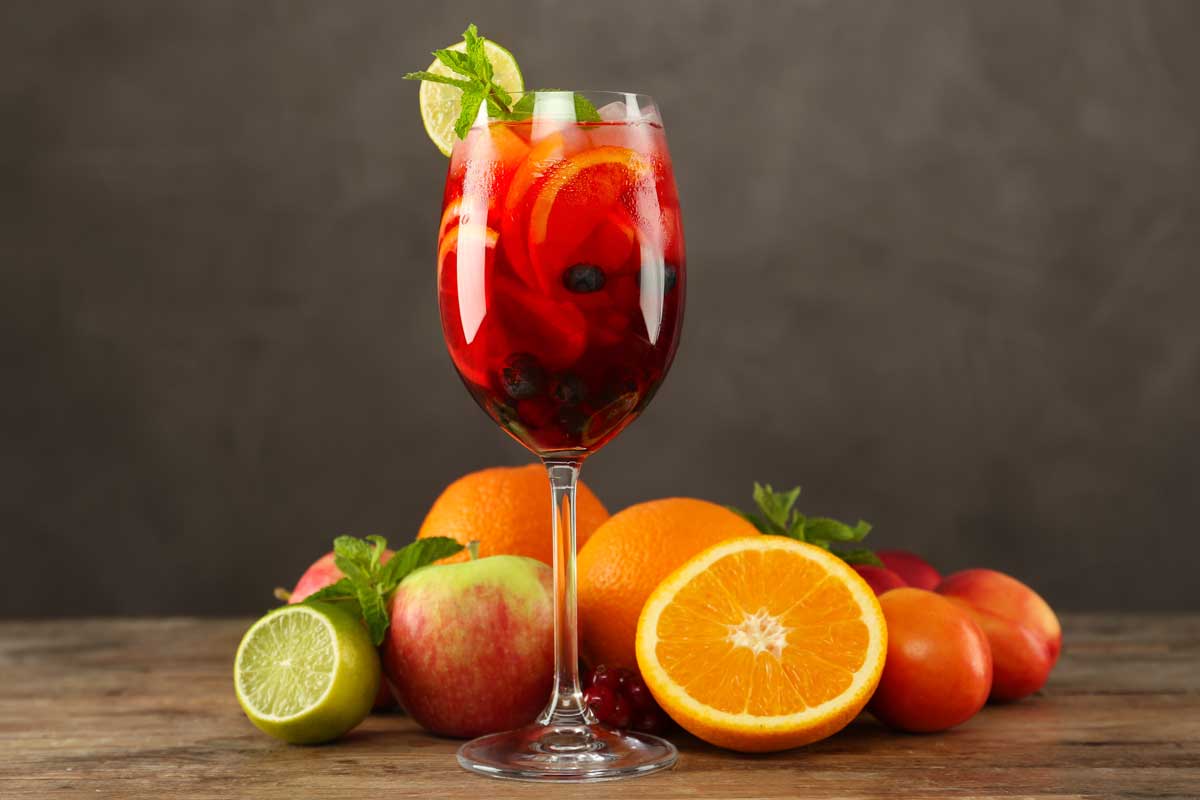
Sangria is a traditional Spanish punch made with wine, fresh fruit, and a splash of spirit or soda.
At its core, it’s a refreshing, fruity drink that perfectly balances sweetness, tartness, and a little fizz.
The most common version uses red wine, brandy, oranges, and lemons, but countless variations exist depending on the region and season.
Culturally, sangria is much more than a Spanish cocktail—it’s a social drink meant to be shared at family gatherings, tapas bars, fiestas, and summer celebrations.
The name sangria comes from the Spanish word sangre (meaning “blood”), referencing its deep red color when made with red wine.
Interestingly, within the European Union, the term “sangria” is legally protected.
Only beverages made in Spain or Portugal can be officially labeled and sold as “sangria.”
Everywhere else, restaurants and bars often create their own versions, sometimes with tropical fruits, sparkling wine, or even non-alcoholic bases.
The History of Sangria
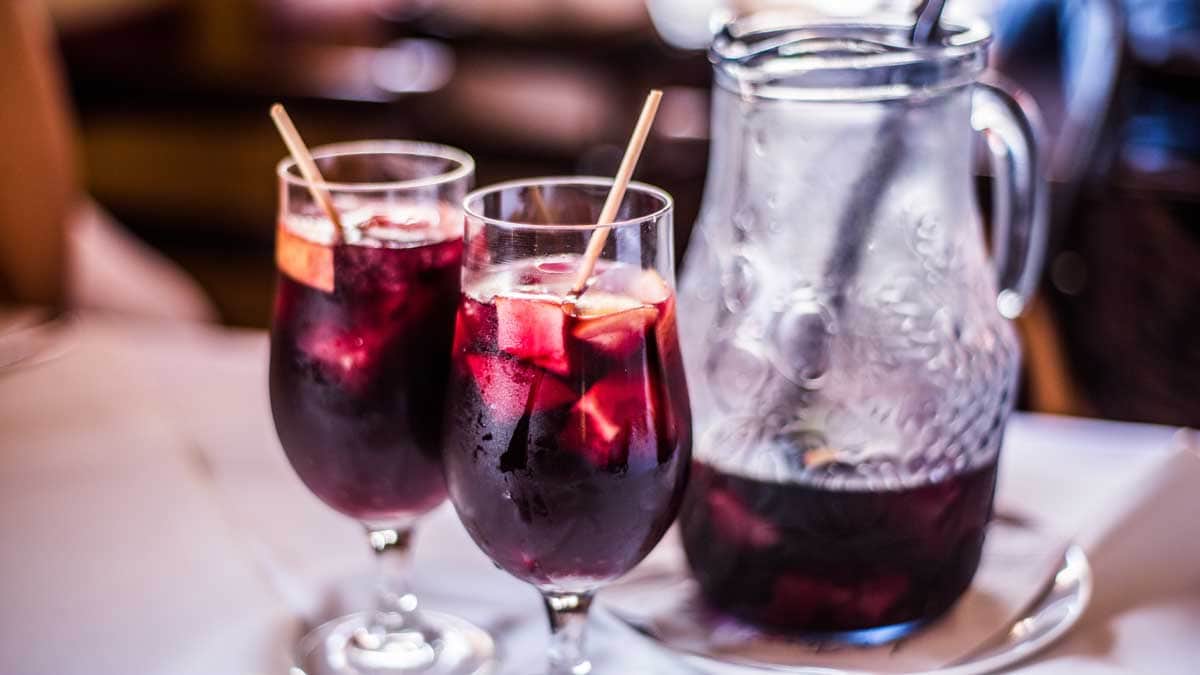
The story of sangria goes back centuries, rooted in Spain’s long tradition of blending wine with fruits and spices.
In fact, the idea of mixing wine with other ingredients is as old as wine itself.
The ancient Romans, who occupied the Iberian Peninsula over 2,000 years ago, were known to dilute their wine with water, herbs, and fruit for both taste and safety—since plain water often carried disease.
This practice set the stage for what would later evolve into sangria.

During the Middle Ages, the Moors introduced new fruits, spices, and agricultural techniques to Spain, which enriched the possibilities of wine-based drinks.
Oranges, lemons, and cinnamon—now staples in many sangria recipes—became more widely available and influenced the flavor profiles that would shape the drink.
By the 18th and 19th centuries, versions of sangria had become popular in Spain and Portugal, especially in the hot summer months when a chilled, fruity wine punch was the perfect refreshment.
Families and taverns alike created their own recipes, often using local wines and seasonal fruits.
Traditional Sangria Recipe (Spanish Style)
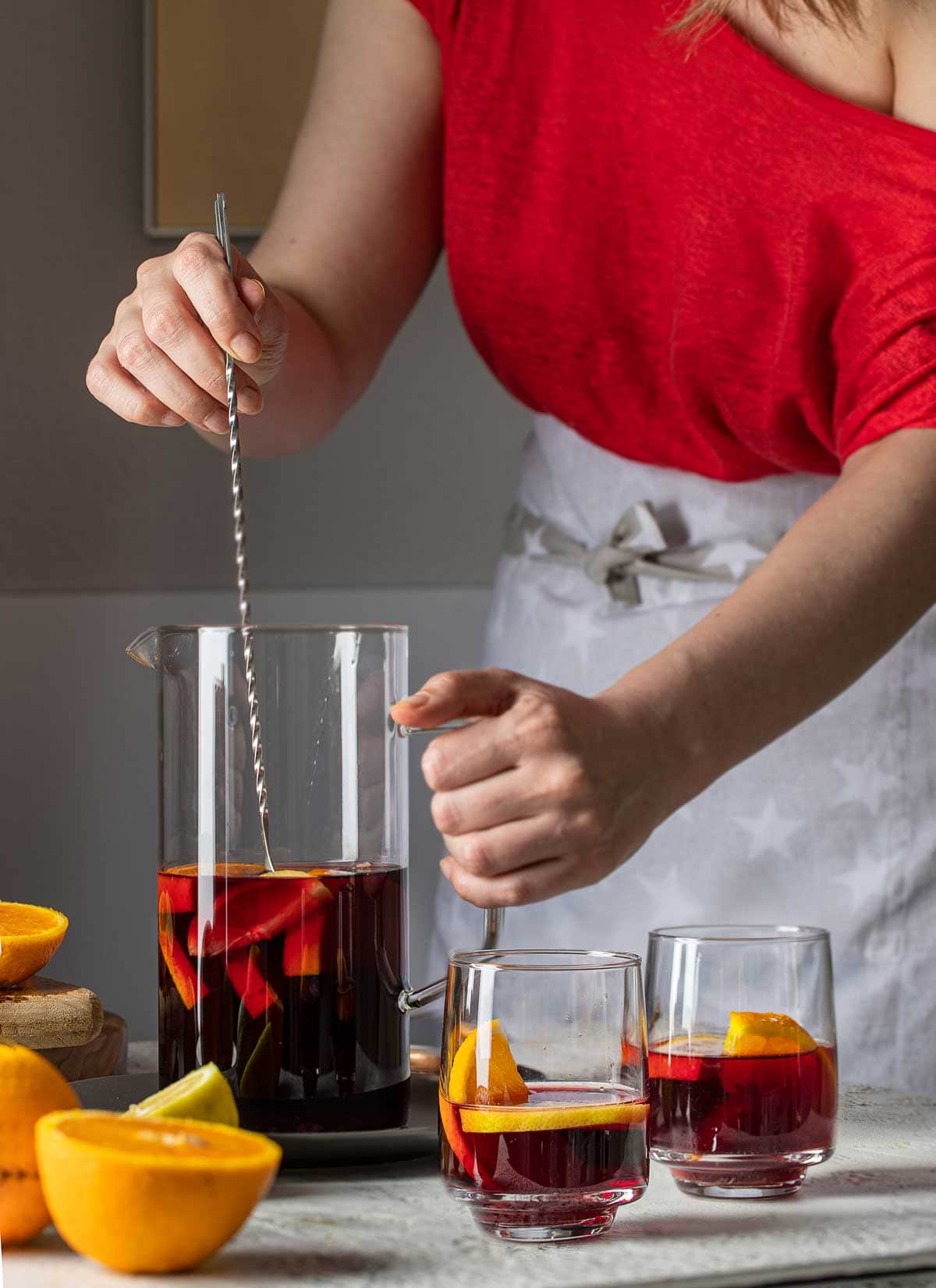
Nothing beats the classic Spanish sangria—refreshing, fruity, and perfect for sharing with friends on a warm afternoon.
This traditional sangria recipe uses red wine, brandy, citrus, and a touch of sweetness for that authentic Iberian flavor.
Ingredients
-
1 bottle (750 ml) of Spanish red wine (Tempranillo or Garnacha works best)
-
1/4 cup brandy
-
1/4 cup orange liqueur (like triple sec, optional)
-
2 tablespoons sugar (adjust to taste)
-
1 large orange, thinly sliced
-
1 lemon, thinly sliced
-
1 lime, thinly sliced
-
1–2 tablespoons lemon juice
-
1–2 cups soda water or sparkling water (for fizz)
-
Ice cubes
Optional Fruit Add-Ins
-
Apple slices
-
Fresh berries (strawberries, blueberries, raspberries)
-
Peaches or nectarines for a sweet twist
Instructions
- Wash and slice the fruit. Combine it with the sugar and brandy in a large pitcher. Stir gently and let stand for 10–15 minutes.
- Add the red wine, 1–2 tablespoons lemon juice and optional orange liqueur. Stir until the sugar dissolves.
- Cover and refrigerate for at least 2 hours, or overnight for a stronger fruit infusion.
- Just before serving, stir in 1–2 cups chilled soda water to taste. Pour over ice in six glasses, dividing the fruit among them.
Pro Tips
-
Always choose a fruity, medium-bodied wine (avoid heavy or oaky wines).
-
Adjust sweetness by adding more sugar, honey, or orange juice.
-
For a stronger kick, increase the brandy or add a splash of rum.
-
Serve with Spanish tapas like patatas bravas, jamón, or manchego cheese for the ultimate experience.
Sangria Variations You’ll Love
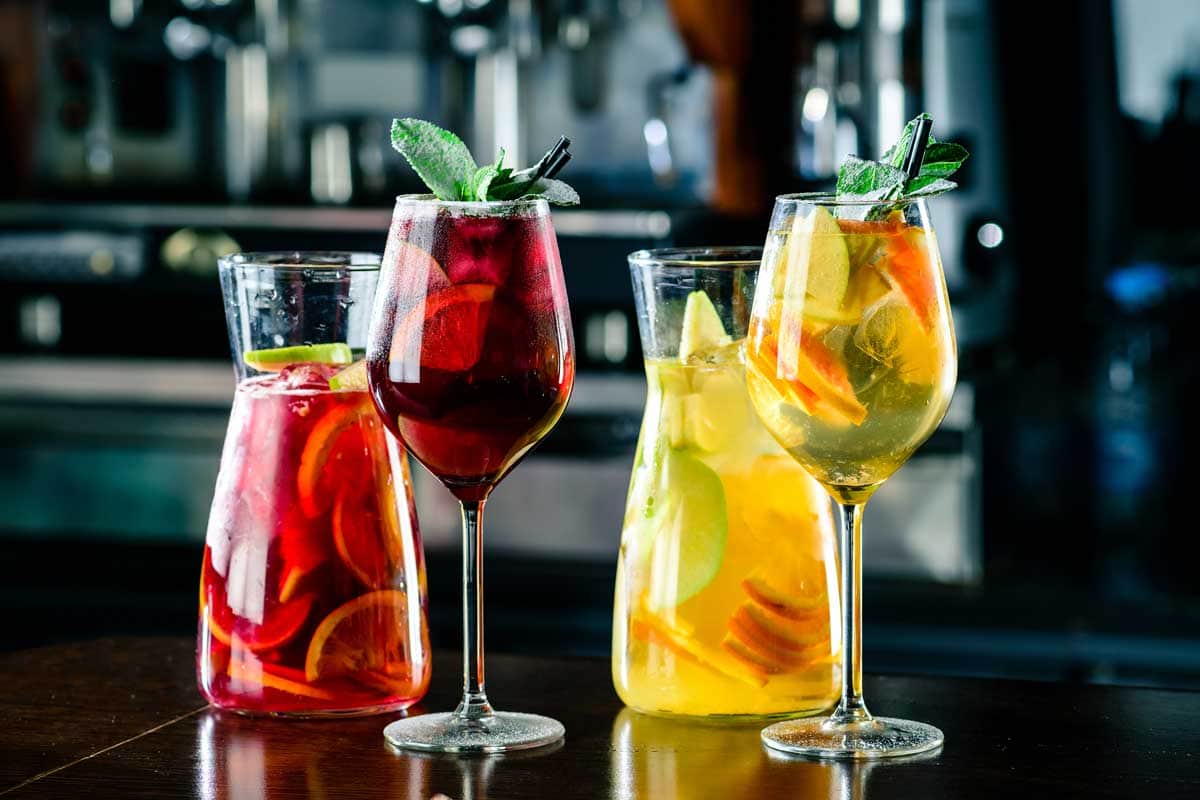
One of the best things about sangria is its versatility.
While the classic red wine sangria is timeless, there are countless creative twists to enjoy.
Whether you prefer something light and crisp, sweet and tropical, or bubbly and festive, there’s a sangria variation for every mood and occasion.
White Sangria (Sangria Blanca)
-
Made with white wine such as Sauvignon Blanc or Albariño
-
Light, citrusy, and refreshing for summer afternoons
-
Common add-ins: apples, pears, peaches, and grapes
Rosé Sangria
-
Perfect for spring and summer gatherings
-
Uses rosé wine as the base, bringing floral and berry notes
-
Best with strawberries, raspberries, and peaches
Sparkling Sangria
-
Adds a festive twist with cava, champagne, or prosecco
-
Crisp, bubbly, and ideal for celebrations
-
Pairs beautifully with citrus fruits and berries
Non-Alcoholic Sangria (Virgin Sangria)
-
Uses grape juice, pomegranate juice, or cranberry juice instead of wine
-
Sparkling water or soda for fizz
-
Kid-friendly yet still colorful and refreshing
Tropical Sangria
-
Inspired by warm beaches and island vibes
-
Includes tropical fruits like pineapple, mango, and passionfruit
-
Works well with rum or coconut liqueur for extra flavor
No matter the variation, the key to great sangria is fresh fruit, balance between sweetness and acidity, and time to let the flavors mingle.
Best Wines for Sangria

The secret to unforgettable sangria starts with the wine.
While you don’t need an expensive bottle, choosing the right type of wine makes all the difference in flavor, balance, and overall enjoyment.
The golden rule? Go for fruity, approachable wines with low tannins and moderate alcohol content.
Red Wines for Traditional Sangria
-
Tempranillo – Spain’s signature grape, smooth and fruity with hints of cherry and plum.
-
Garnacha (Grenache) – Juicy, vibrant, and budget-friendly; often considered the best red for sangria.
-
Merlot – Soft, rounded flavors of berries and spice.
-
Zinfandel – Bold fruit flavors and a touch of spice for a richer sangria.
White Wines for Sangria Blanca
-
Albariño – Crisp and citrusy, perfect for summer sangria.
-
Sauvignon Blanc – Bright acidity and herbal notes that balance fruit sweetness.
-
Pinot Grigio – Light, neutral, and versatile for almost any fruit combination.
-
Verdejo – A Spanish favorite with refreshing tropical notes.
Rosé Wines for Sangria Rosada
-
Choose dry rosé wines with berry or floral undertones.
-
Pairs wonderfully with peaches, strawberries, and melon.
Pro Tips for Choosing Wine
-
Avoid oaky wines (like heavily oaked Chardonnay or Cabernet Sauvignon) as they clash with the fruit.
-
Don’t overspend: a $10–$15 bottle is perfect—save your premium wines for sipping.
-
Balance is key: sweet fruits need crisp, acidic wines, while tart fruits can shine with softer, rounder wines.
With the right wine as your base, your sangria will have a smooth, fruit-forward flavor that feels both refreshing and festive.
Fruits and Mix-Ins for the Perfect Sangria

The magic of sangria lies in its fruit.
Fresh, vibrant, and juicy additions turn a simple pitcher of wine into a festive, flavor-packed drink.
The best sangrias strike a balance between citrusy zing, natural sweetness, and refreshing aromatics.
Citrus Fruits (The Classics)
-
Oranges → Sweetness and signature sangria flavor
-
Lemons → Bright acidity that cuts through sweetness
-
Limes → Zesty kick for balance
Berries for Sweetness & Color
-
Strawberries → Juicy, soft, and slightly sweet
-
Raspberries → Tartness with a pop of color
-
Blueberries → Mild sweetness, hold up well in the pitcher
-
Blackberries → Deep flavor, especially in red sangria
Stone Fruits & Tropicals
-
Peaches & Nectarines → Traditional in summer white sangrias
-
Pineapple → Sweet tropical flair
-
Mango → Rich, tropical body and vibrant color
-
Kiwi → Light tartness, a fun visual twist
Herbs & Spices (Flavor Boosters)
-
Mint → Refreshing, cooling finish
-
Rosemary → Earthy, aromatic note (great with white sangria)
-
Basil → Sweet and peppery, pairs well with strawberries
-
Cinnamon sticks → A warming spice, especially in winter sangrias
Pro Tips
-
Slice fruit thinly so flavors infuse quickly.
-
For best results, let sangria rest 2–24 hours in the fridge to allow the fruit and wine to mingle.
-
Mix textures: combine soft berries with firm citrus or apples for variety.
-
For extra flair, freeze fruit pieces beforehand to double as ice cubes.
The right fruit and mix-ins transform sangria from good to unforgettable—creating layers of flavor that unfold with every sip.
Sangria Serving & Hosting Tips
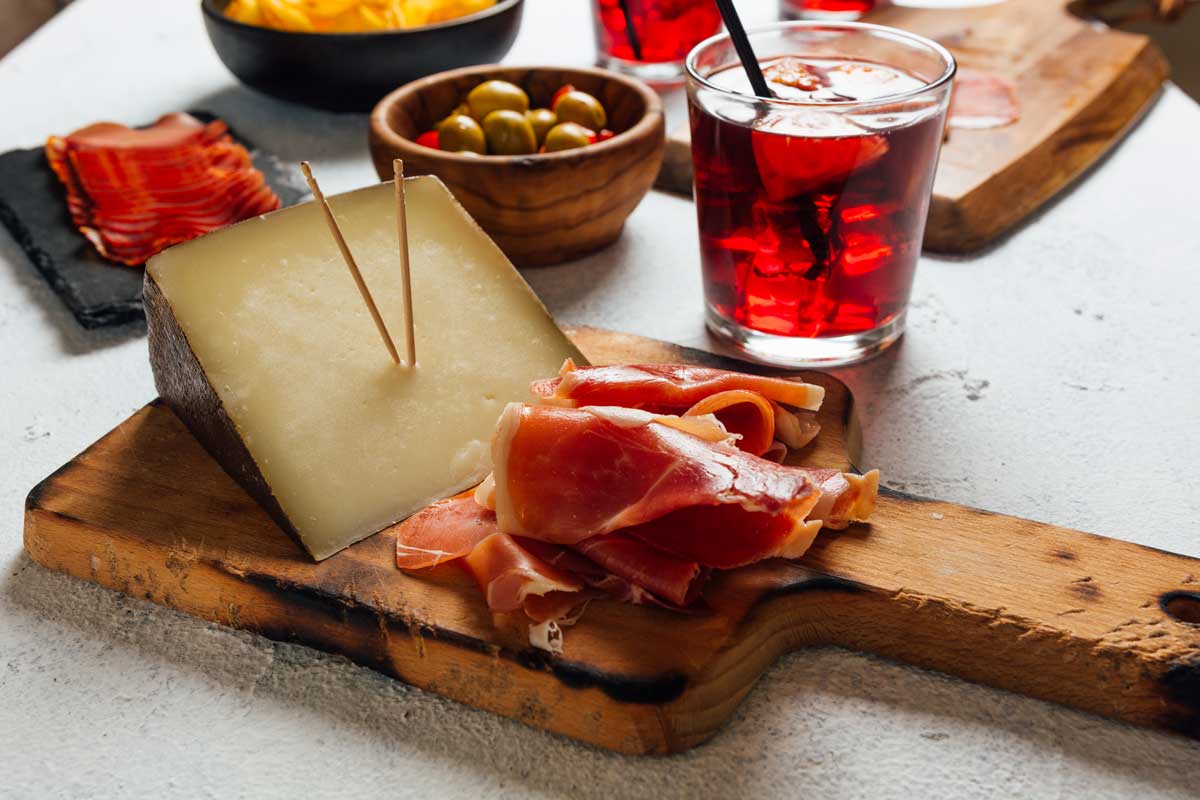
Sangria isn’t just another Spanish drink—it’s a centerpiece for gatherings.
How you serve it can elevate the entire experience, whether it’s a backyard BBQ, tapas night, or summer celebration.
Here’s how to make your sangria look as good as it tastes.
Presentation Matters
-
Use a large glass sangria pitcher or clear punch bowl so guests can admire the colorful fruit.
-
Chill glasses beforehand for an extra refreshing sip.
-
Garnish with fresh fruit slices or herb sprigs (mint, rosemary) for a festive touch.
❄️ Chilling & Timing
-
Rest sangria for at least 2–4 hours in the fridge before serving; overnight is even better.
-
Add soda water, sparkling wine, or ice just before serving to keep the fizz alive.
-
Don’t let ice cubes water down your sangria—use frozen fruit instead for a stylish solution.
Spanish Food Pairings
-
Pair red sangria with bold Spanish dishes like paella, jamón ibérico, and chorizo.
-
Serve white sangria with lighter bites like seafood tapas, manchego cheese, or grilled veggies.
-
Rosé or sparkling sangria pairs beautifully with tapas boards and fresh salads.
Hosting Tips
-
Make multiple pitchers: one classic red and one adventurous variation (like white tropical).
-
Offer a non-alcoholic sangria so everyone feels included.
-
Serve in wine glasses, tumblers, or even mason jars for a casual vibe.
When done right, sangria isn’t just a drink—it’s a conversation starter and the soul of your party. ✨
Where to Drink the Best Sangria in Spain
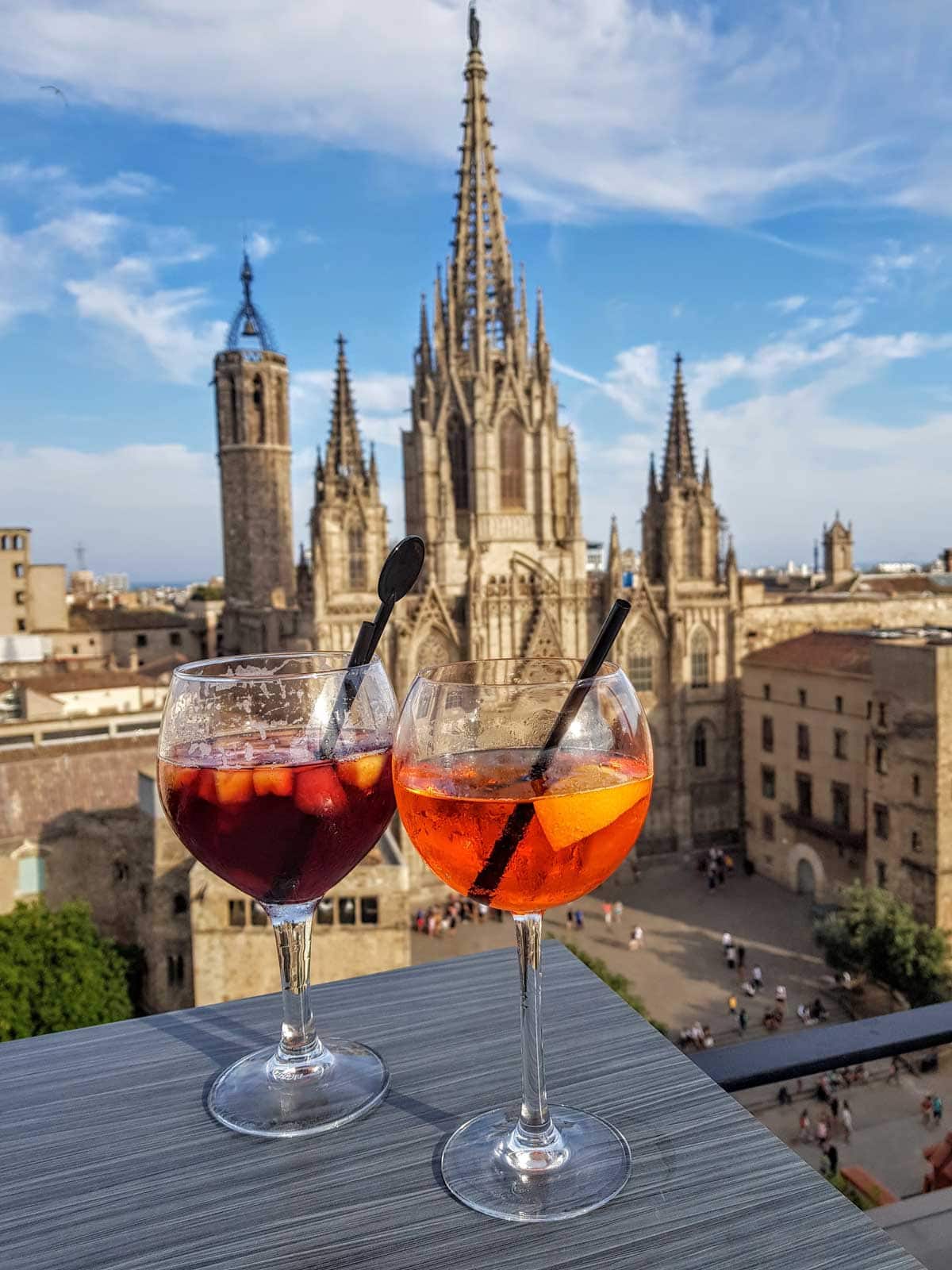
If you really want to taste sangria the way it was meant to be enjoyed, there’s no better place than Spain itself.
While sangria has spread worldwide, sipping it in its homeland—with local wines, seasonal fruits, and centuries of tradition—offers an experience like no other.
Madrid – Classic Tapas Bars
-
The Spanish capital is filled with traditional tascas (taverns) where sangria flows freely.
-
Pair your pitcher with tapas like croquetas, tortilla española, or jamón ibérico.
-
Some historic bars serve sangria made with local Tempranillo wines from nearby La Mancha.
Barcelona – Beachside Sangria with a Twist
-
Along the Catalan coast, sangria often features cava (sparkling wine) instead of still red wine.
-
Beachfront chiringuitos (beach bars) serve refreshing cava sangria with citrus and berries.
-
Perfect spot: order a glass by the Mediterranean with a plate of seafood paella.
Seville – Sangria at Ferias and Festivals
-
Andalusia is famous for its lively ferias (fairs) and flamenco culture.
-
Here, sangria is often bolder, sometimes with a splash of brandy or sherry for richness.
-
Enjoy it with grilled meats, gazpacho, or fried fish during festival season.
Valencia – Sangria Meets Paella
-
Valencia is the birthplace of paella, and there’s nothing better than enjoying the two together.
-
Many restaurants offer sangria made with local wines and oranges, highlighting the region’s citrus heritage.
-
A seaside lunch with sangria and paella is a quintessential Valencian experience.
Beyond the Cities
-
Smaller towns and villages often serve homemade sangria with unique regional twists.
-
Expect more rustic, less sweet versions made with whatever fruit is in season.
Wherever you go in Spain, sangria isn’t just a drink—it’s a cultural ritual that reflects the country’s passion for food, wine, and togetherness.
Sangria vs. Other Fruity Drinks
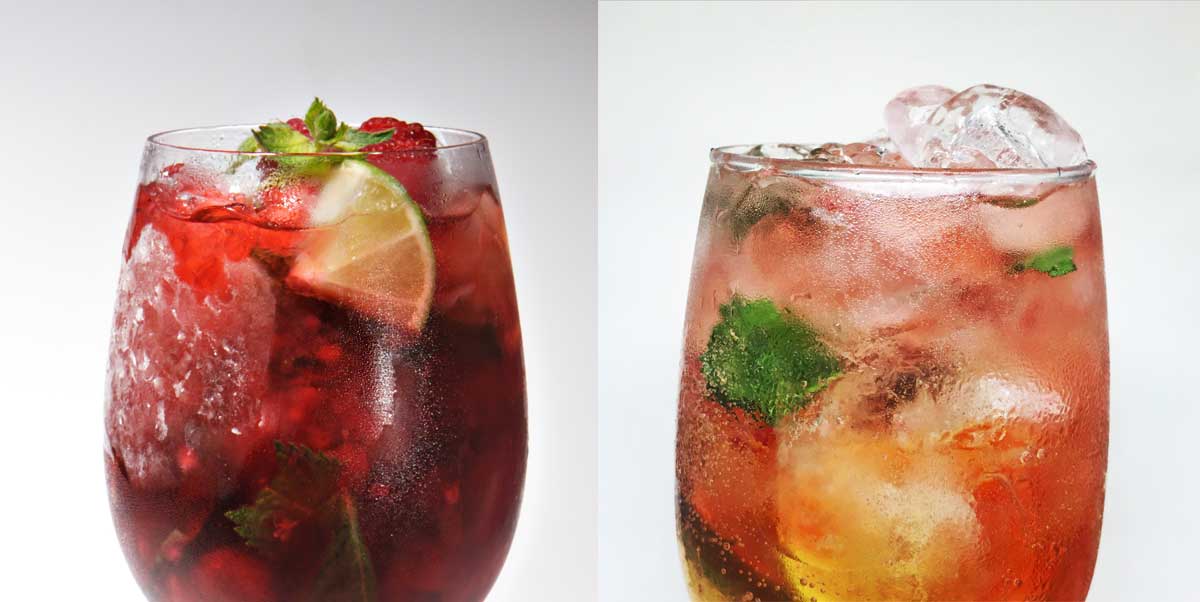
Sangria is beloved worldwide, but it’s not the only fruit-and-wine combination out there.
Across Spain, Latin America, and beyond, you’ll find similar drinks with their own identities and traditions.
Here’s how sangria stacks up against a few close relatives.
Sangria vs. Tinto de Verano
-
Sangria → Made with wine, fruit, brandy or liqueur, sugar, and soda water. Complex, fruity, and often prepared ahead of time to let flavors infuse.
-
Tinto de Verano → Literally “red wine of summer,” this Spanish favorite is much simpler: just red wine mixed with lemon soda (like Fanta Limón) or gaseosa. Light, refreshing, and served instantly—like a quick, no-frills cousin of sangria.
Sangria vs. Calimocho
-
Sangria → Needs fruit, a spirit and time to rest, so it is best made ahead for a crowd.
-
Calimocho → The Basque Country’s red wine and cola drink, mixed half and half and poured straight over ice. No fruit and no waiting, which is why it has been a fixture of Spanish fiestas since the 1970s.
Sangria vs. Clericot
-
Sangria → Originates from Spain, usually with red wine as the base.
-
Clericot → Popular in Latin American countries like Argentina, Paraguay, and Uruguay. Similar concept (wine + fruit), but often made with white wine or rosé and tropical fruits such as pineapple or melon. A brighter, lighter alternative to traditional sangria.
Sangria vs. Mulled Wine (Glühwein)
-
Sangria → Served chilled, ideal for summer gatherings. Fresh fruit is the star.
-
Mulled Wine → A warm winter drink popular in Europe, especially around Christmas. It’s made by simmering red wine with spices like cinnamon, cloves, and star anise. Think cozy fireside vibes instead of beach parties.
The Key Difference
Sangria is festive, flexible, and designed for sunny celebrations and social gatherings.
While its cousins share similarities, none combine the same mix of fruit, fizz, and Iberian tradition that makes sangria so iconic.
Recommended Sangria Products on Amazon
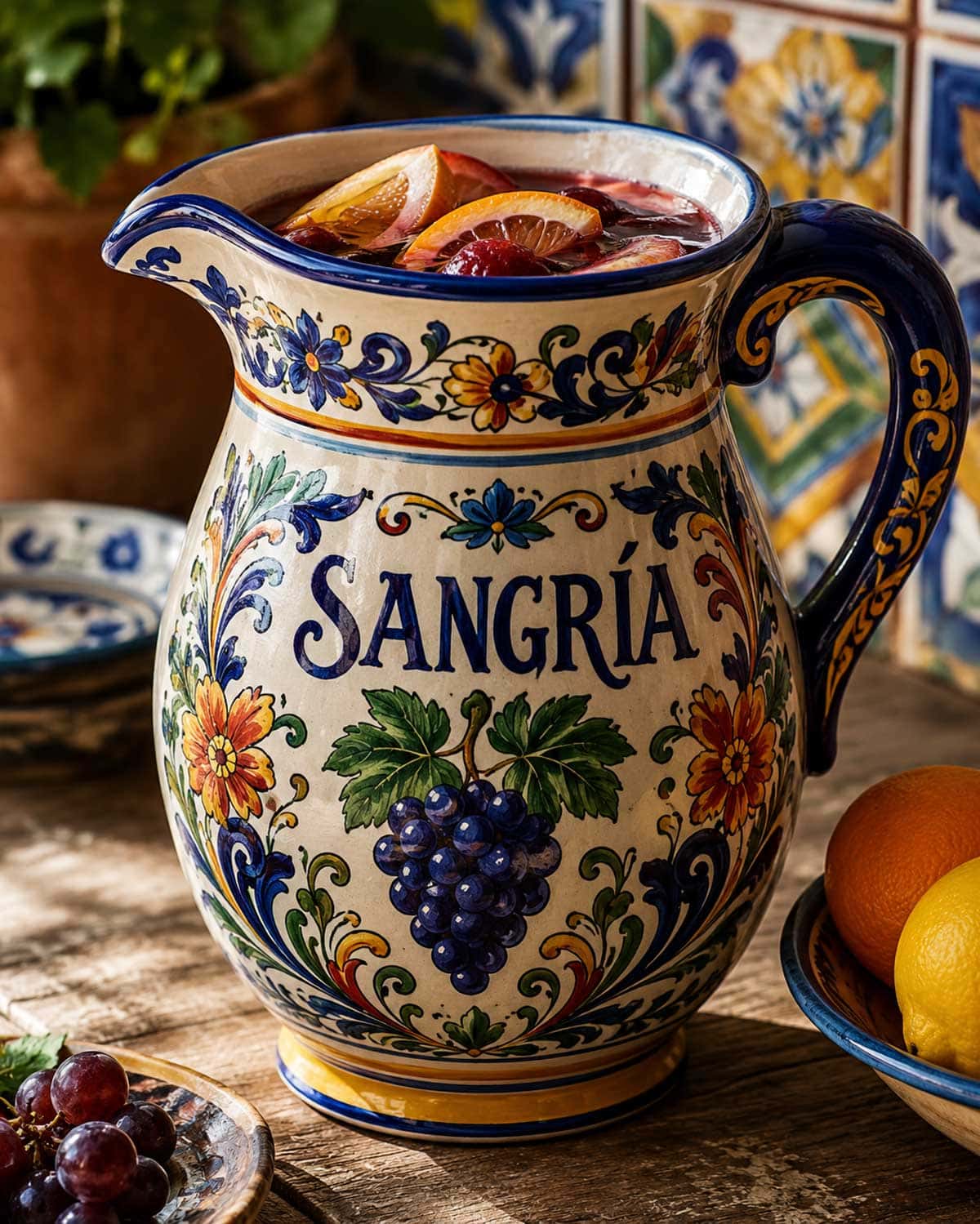
If you’d like to enjoy sangria at home, a few simple accessories can make serving this classic Spanish drink even more enjoyable.
Here are some popular sangria-related products worth considering:
Decorative Sangria Pitcher
A decorative sangria pitcher adds an authentic Spanish touch to any table while providing a beautiful way to serve this fruit-filled wine punch.
Available in colorful ceramic and hand-painted designs, these pitchers are both functional serving pieces and eye-catching conversation starters for parties and gatherings.
→ Shop Decorative Sangria Pitchers
Clear Sangria Pitcher
A dedicated sangria pitcher is perfect for serving wine mixed with fresh fruit.
Clear glass pitchers are especially popular because they showcase the colorful ingredients and create an attractive presentation for guests.
Sangria Glasses
Traditional sangria is often served in large wine goblets or stemless wine glasses.
A matching set of sangria glasses can elevate everything from casual dinners to summer parties.
Fruit Infuser Pitcher
Want to add fresh citrus, berries, or peaches to your sangria?
A fruit infuser pitcher helps blend flavors while keeping fruit pieces separate from the pour spout.
Wine Chiller
Sangria is best served cold.
A wine chiller or insulated ice bucket can help keep your sangria at the perfect temperature during outdoor gatherings and celebrations.
Cocktail Picks
Reusable cocktail picks make it easy to enjoy the fruit that soaks in the sangria.
They’re inexpensive, practical, and add a festive touch to any serving setup.
With just a few of these accessories, you can create an authentic sangria experience and bring a taste of Spain to your next gathering.
Conclusion: Why Sangria Will Always Be a Timeless Spanish Drink
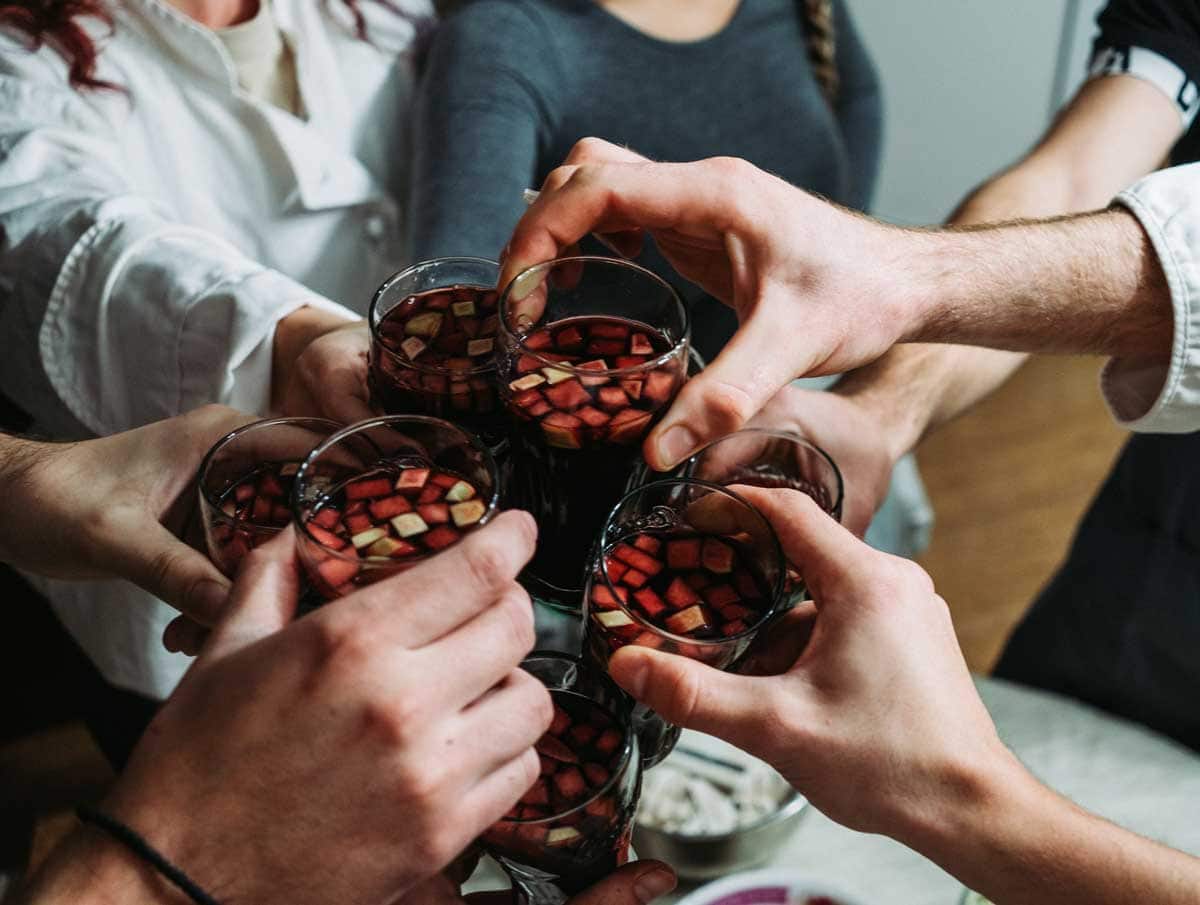
Sangria isn’t just a cocktail—it’s a cultural icon that embodies the warmth, flavor, and festive spirit of Spain.
Whether you prefer a traditional red sangria, a crisp white sangria, or even a bubbly sparkling cava sangria, there’s a version for every palate and occasion.
What makes sangria truly special is its versatility.
You can tailor it with seasonal fruits, choose wines that match your budget, and serve it at everything from casual BBQs to elegant celebrations.
It’s easy to make, refreshing to drink, and always a crowd-pleaser.
So the next time you’re hosting friends or planning a summer party, skip the complicated cocktails—make a pitcher of authentic sangria and bring a taste of Spain right to your table. ¡Salud! ✨
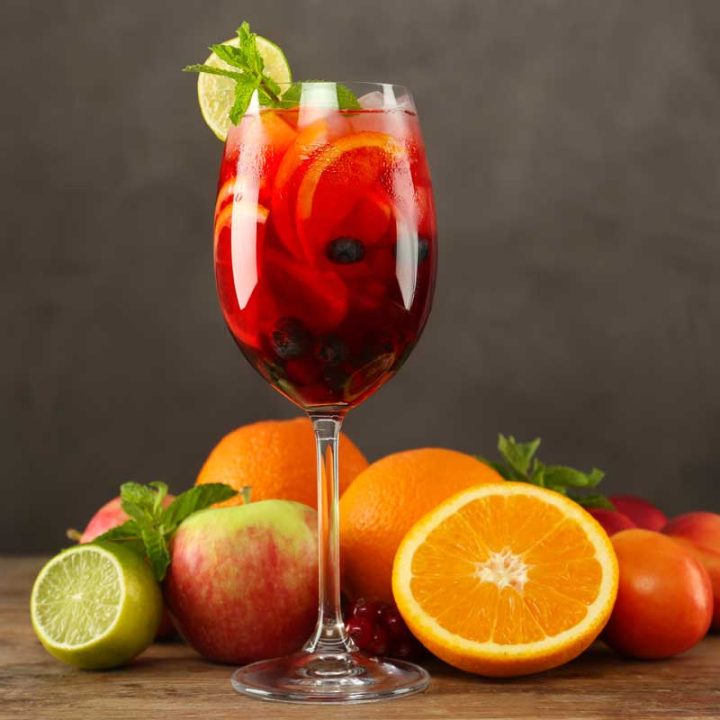
Sangria Recipe
Ingredients
Ingredients for Classic Sangria
- 1 bottle (750 ml) of Spanish red wine (Tempranillo or Garnacha works best)
- 1/4 cup brandy
- 1/4 cup orange liqueur (like triple sec, optional)
- 2 tablespoons sugar (adjust to taste)
- 1 large orange, thinly sliced
- 1 lemon, thinly sliced
- 1 lime, thinly sliced
- 1–2 tablespoons lemon juice
- 1–2 cups soda water or sparkling water (for fizz)
- Ice cubes
Optional Fruit Add-Ins
- Apple slices
- Fresh berries (strawberries, blueberries, raspberries)
- Peaches or nectarines for a sweet twist
Instructions
- Wash and slice the fruit. Combine it with the sugar and brandy in a large pitcher. Stir gently and let stand for 10–15 minutes.
- Add the red wine, 1–2 tablespoons lemon juice and optional orange liqueur. Stir until the sugar dissolves.
- Cover and refrigerate for at least 2 hours, or overnight for a stronger fruit infusion.
- Just before serving, stir in 1–2 cups chilled soda water to taste. Pour over ice in six glasses, dividing the fruit among them.
Notes
Pro Tips for the Best Sangria
- Choose the right wine: Always go for a fruity, medium-bodied wine like Tempranillo or Garnacha. Avoid heavy, oaky wines.
- Adjust sweetness: Add more sugar, honey, or even a splash of orange juice if you prefer a sweeter sangria.
- Boost the strength: For a stronger kick, increase the brandy or add a splash of rum.
- Pair with tapas: Serve sangria with classic Spanish tapas such as patatas bravas, jamón ibérico, manchego cheese, or olives for the ultimate experience.
More Spanish Foods
See all →
Jorge Garcia is the founder of AmigoFoods, where he has spent over 20 years helping readers discover authentic Latin American and Spanish cuisine. Raised in a Cuban-American household, Jorge learned to cook at the hands of his mother and grandmother, carrying forward generations of family recipes. That heritage, backed by his family’s four-generation history in the Latin food industry, inspired him to launch AmigoFoods in 2003. With more than 1,000 published articles on recipes, ingredients, and food culture, Jorge’s mission is simple: make authentic Latin cooking approachable for home cooks everywhere while honoring the traditions behind every dish.