

Trancapecho is the street sandwich of Cochabamba, Bolivia: an entire plate of silpancho stuffed into a soft roll. A crisp, pounded-thin breaded steak goes in with white rice, fried potatoes, a fried egg and a fresh tomato, onion and locoto salsa, usually with a spoonful of fiery llajua on the side. Yes, the rice goes inside the sandwich.
Trancapecho at a Glance
AmigoFoods may earn a commission from qualifying Amazon purchases made through links on this page.
What is trancapecho?
Trancapecho (sometimes spelled tranca pecho) is a sandwich version of silpancho, the signature plate of Cochabamba. Where silpancho is eaten with a knife and fork, the trancapecho packs every part of the plate into bread so it can be eaten standing up at a market stall, on a street corner or in the stands at a football match.
It is built in layers, and the order matters. The rice sits at the bottom to soak up the egg yolk and salsa, and the steak is folded over it so the crumbs stay crisp.
Anatomy of a trancapecho
Built from the bottom up, read from the top down.
It is one of the essential dishes in our guide to Bolivian food and a fixture of Bolivian street food, alongside salteñas and pique macho.
What does trancapecho mean?
The name joins two Spanish words. Tranca is the wooden bar that locks a door, and the verb trancar means to block or jam. Pecho means chest. Put together, trancapecho means something like “chest-blocker”: a sandwich so heavy it feels as if it gets stuck on the way down. In English it is often called a Bolivian steak sandwich or a silpancho sandwich. It is pronounced trahn-kah-PEH-choh.
Where trancapecho comes from
Trancapecho was born in Cochabamba, the valley city in central Bolivia that Bolivians call their country’s food capital. Its parent dish, silpancho, is credited to the Cochabamba cook Celia la Fuente Peredo, whom the city has honored for her contribution to its cooking. Silpancho became so popular that Cochabamba is full of silpancherías, small restaurants that serve nothing else.
Street vendors then did what street vendors everywhere do and put the whole plate into bread. Nobody recorded exactly when this happened, but the sandwich became the classic snack in the stands of the Estadio Félix Capriles, Cochabamba’s football stadium, and a standard sight at markets and near the universities. Bolivians often describe it as their answer to the stadium hot dog. It is also a favorite evening meal, when stalls light up on busy corners and sell trancapecho late into the night.
Today trancapecho is eaten across Bolivia and in Bolivian restaurants abroad, but it is still most closely tied to Cochabamba, and Cochabambinos are proud of it.
Trancapecho vs. silpancho

The two share every ingredient, so the difference comes down to how they are served and eaten. Here is how the trancapecho compares with silpancho and with another famous South American steak sandwich, Uruguay’s chivito.
| Trancapecho | Silpancho | Chivito | |
|---|---|---|---|
| Country | Bolivia (Cochabamba) | Bolivia (Cochabamba) | Uruguay |
| Served | In a soft round roll | On a plate | In a roll or on a plate |
| Meat | Thin steak pounded into breadcrumbs | Same, plate-sized | Thin grilled steak, not breaded |
| Starch | Rice and fried potatoes inside | Rice and fried potatoes underneath | Fries on the side |
| Topping | Fried egg and tomato-locoto salsa | One or two fried eggs and salsa | Ham, cheese, egg, lettuce, mayo |
| Eaten | By hand, wrapped in paper | Knife and fork | By hand or knife and fork |
If you love big sandwiches, the trancapecho belongs on the same list as the chivito and Mexico’s torta ahogada. See more in our roundup of Latin American sandwiches.
Trancapecho ingredients

- Bread: a soft, round roll that can be split and stuffed. In Cochabamba vendors use local rolls such as pan sarnita, a soft roll dotted with cheese. A large kaiser roll or Mexican telera works well. Avoid crusty bread, which squeezes the filling out the sides.
- Beef: a lean, inexpensive cut such as top round or sirloin. It is pounded so thin and fried so briefly that a fatty cut would turn greasy.
- Breadcrumbs: fine, dry and unseasoned. Bolivians make their own from stale bread (pan molido). Panko is too coarse to press into the meat.
- Rice: plain long-grain white rice, toasted in a little oil before it is boiled, which is how Bolivian cooks make it. Goya Canilla cooks up fluffy and separate.
- Potatoes: Yukon Gold or another waxy potato holds its shape when boiled, sliced and fried. Bolivia grows hundreds of varieties; read about them in our guide to Bolivian ingredients.
- Eggs: one per sandwich, fried with a runny yolk.
- Salsa: ripe tomatoes, onion and locoto, the fat, fruity Bolivian chile. A jalapeño or serrano is a good substitute.
- Seasoning: salt, pepper, garlic and a little cumin. That is all the steak needs.
How to make trancapecho
Making a trancapecho is really making silpancho and then building it into bread. The trick is timing: while the rice cooks and the potatoes boil, you pound the steaks, then everything is fried in the same skillet. The full recipe with measurements is in the recipe card below.
1. Make the salsa
Dice the tomatoes, onion and locoto small and toss them with vinegar, a little oil and salt. Making it first gives the onion time to soften and the juices time to collect.
2. Cook the rice and boil the potatoes
Toast the rinsed rice in a spoonful of oil until the grains turn opaque, then add water and salt and simmer, covered, for 18 minutes. At the same time, boil the whole potatoes until a knife meets a little resistance in the center, about 12 to 15 minutes. They will finish cooking in the oil. Slice them into rounds about ¼ inch thick.
3. Pound the steaks into the breadcrumbs
Cut the beef into four thin steaks and season them. Spread a thick layer of crumbs on a board, lay a steak on top, cover it with more crumbs and pound it with a meat mallet from the center outward. Flip and add crumbs whenever it sticks, until the steak is about ⅛ inch (3 mm) thick and wider than your roll.
4. Fry the potatoes, steaks and eggs
Heat half an inch of oil in a large, heavy skillet. A wide Lodge cast iron skillet is ideal because it holds its heat when the cold meat goes in. Fry the potato slices until golden, then the steaks one at a time. They are so thin that they need only 1 to 2 minutes per side. Pour off most of the oil and fry the eggs with runny yolks.
5. Build the sandwich
Split each roll, leaving one side attached like a hinge, and warm it for a minute. Spoon in the rice, fold the steak to fit (or let it hang over the edges, as vendors do), then add the potatoes, the egg and a heap of salsa. Close the roll, press gently and wrap the bottom half in paper. Eat it right away, while the steak is crisp and the yolk is still runny.
The salsa and llajua
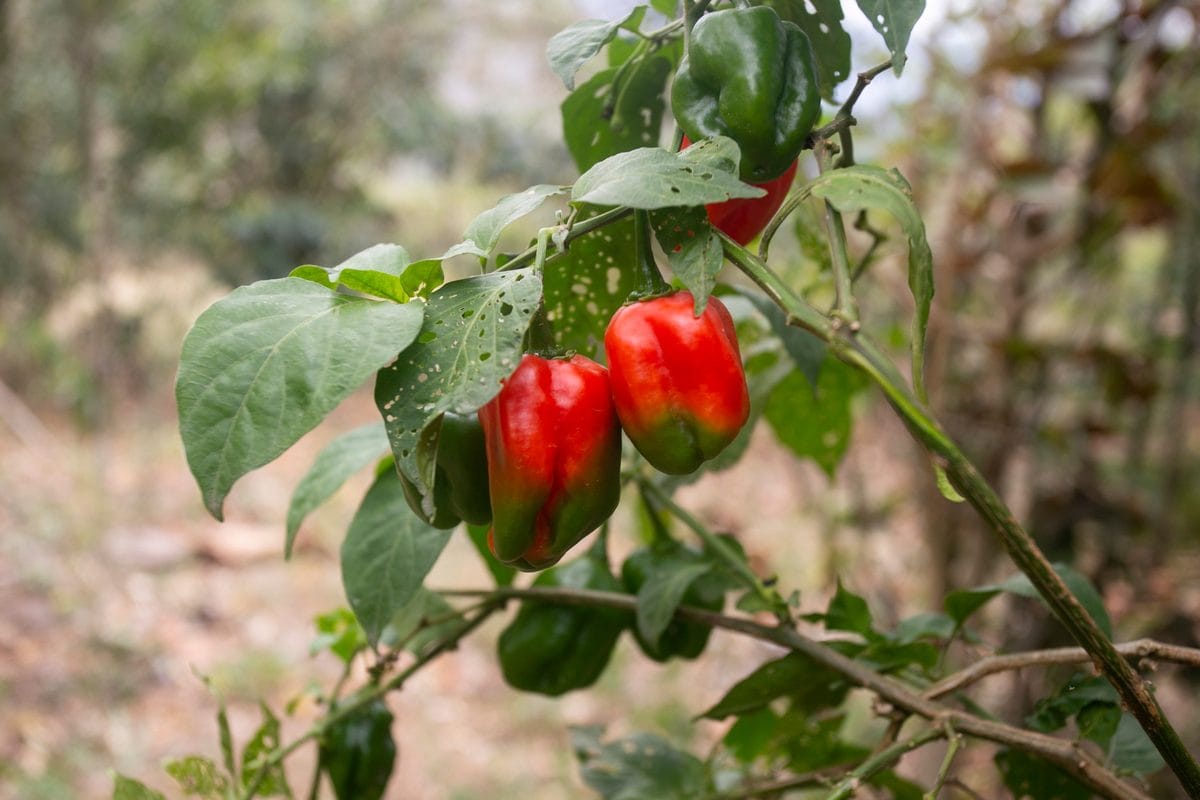
A trancapecho gets its freshness and its fire from two different things. Inside the sandwich is the salsa, a chopped mix of tomato, onion and locoto dressed with vinegar, sometimes with parsley or the Andean herb quilquiña. It cuts through all the fried food and is applied generously.
On the side is llajua, the blended tomato and locoto salsa that sits on every table in Bolivia. Cochabambinos spoon it on with every bite. Locoto is hard to find fresh outside the Andes, so use a jalapeño or serrano, or stir in a spoonful of rocoto paste, made from the same species of chile.
Trancapecho variations
- Trancapecho de pollo: a chicken breast butterflied and pounded into the crumbs the same way.
- With cheese: a slice of fresh white cheese melted on the hot steak.
- With yuca: fried yuca in place of, or alongside, the potatoes.
- Doble: two steaks for the very hungry.
- Without egg or rice: some cooks leave one out to make the sandwich easier to eat. Purists keep both.
- Sliders: cut smaller steaks and use dinner rolls for a party platter.
Tips for the best trancapecho
- Freeze the beef briefly. Twenty minutes in the freezer firms it up so you can slice thin, even steaks before pounding.
- Use plenty of crumbs. If the meat sticks to the board or the mallet, add more breadcrumbs. They keep it from tearing.
- Keep the steak crisp. Drain it on a wire rack, not paper towels, and build the sandwich at the last minute.
- Season every layer. Salt the potatoes as they come out of the oil and the rice as it cooks, or the sandwich tastes flat.
- Drain the salsa. Spoon it in with a slotted spoon so its juices don’t soak the bread.
- Use leftovers. If you made silpancho for dinner, the next day’s lunch is already done.
Where to eat trancapecho
Storing and reheating
A built trancapecho does not keep: the rice and salsa soften the bread within an hour. Store the parts separately instead. Fried steaks and potatoes keep for 2 days in the fridge and re-crisp in a hot skillet or a 400°F (200°C) oven for a few minutes. Rice keeps for 3 days. Fry the eggs and build the sandwiches fresh.
Trancapecho FAQ
What is a trancapecho made of?
A soft roll filled with a thin breaded steak, white rice, fried potatoes, a fried egg and a salsa of tomato, onion and locoto. It is usually served with llajua.
What does trancapecho mean in English?
Roughly “chest-blocker.” Tranca is a bar that blocks a door and pecho is chest, a joke about how heavy the sandwich is.
What is the difference between silpancho and trancapecho?
They have the same ingredients. Silpancho is served on a plate and eaten with a knife and fork; trancapecho puts everything inside a roll so you can eat it by hand.
What bread is used for trancapecho?
A soft, round roll. In Cochabamba that often means pan sarnita, a local roll dotted with cheese. At home, a large kaiser roll or telera is the closest match.
Is trancapecho spicy?
Mildly. The salsa has some heat from locoto, and you control the rest with how much llajua you add.
Can I use ground beef?
Yes. Roll lean ground beef into balls, coat them in breadcrumbs and flatten them between parchment with a rolling pin. A pounded steak is more traditional and holds together better.
Trancapecho Recipe
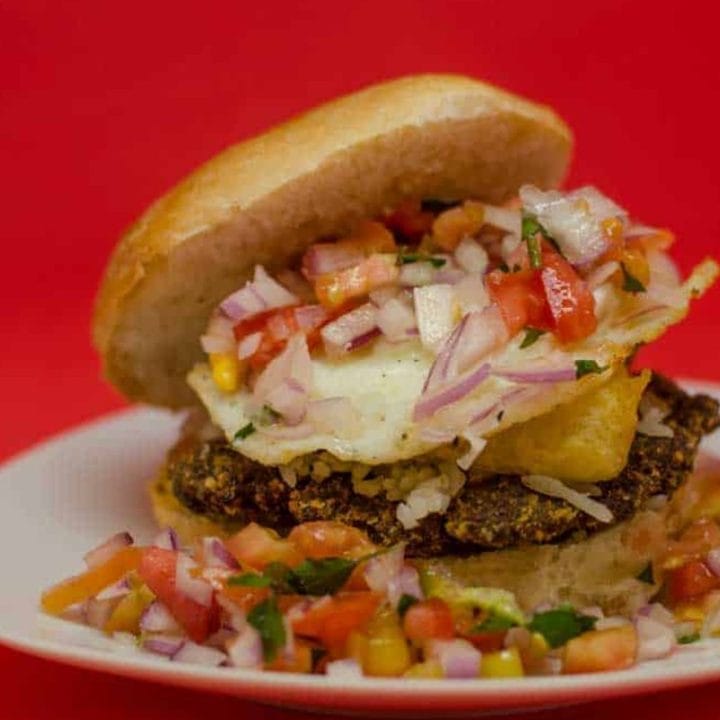
Trancapecho (Bolivian Silpancho Sandwich)
Cochabamba's favorite street sandwich: a crisp, pounded-thin breaded steak, rice, fried potatoes, a fried egg and tomato-locoto salsa piled into a soft roll.
Ingredients
- 4 large soft round sandwich rolls (pan sarnita, kaiser or telera)
- 1 lb (450 g) beef top round or sirloin, in one piece
- 1 teaspoon salt, divided, plus more to taste
- ½ teaspoon black pepper
- ½ teaspoon ground cumin
- 2 garlic cloves, finely grated
- 1½ cups (150 g) fine, dry, unseasoned breadcrumbs, plus more as needed
- ¾ cup (140 g) long-grain white rice
- 1½ cups (355 ml) water
- 3 medium Yukon Gold potatoes (about 1 lb / 450 g)
- 4 large eggs
- Vegetable oil for frying (about 1 cup / 240 ml), divided
- 2 ripe tomatoes, finely diced
- 1 small white or red onion, finely diced
- 1 locoto or jalapeño, seeded and finely diced
- 1 tablespoon white vinegar
- 1 tablespoon chopped parsley or quilquiña (optional)
- Llajua, for serving
Instructions
- Make the salsa. In a bowl, toss the tomatoes, onion, locoto, vinegar, parsley or quilquiña, 1 tablespoon of the oil and a pinch of salt. Set aside while you cook so the onion mellows.
- Cook the rice. Rinse the rice. Heat 1 tablespoon oil in a small saucepan over medium heat, add the rice and stir for 1 to 2 minutes, until the grains turn opaque. Add the water and ½ teaspoon salt, bring to a boil, cover, reduce the heat to low and cook for 18 minutes. Rest, covered, off the heat.
- Boil the potatoes. Put the whole potatoes in a pot of cold salted water, bring to a boil and cook for 12 to 15 minutes, until a knife meets slight resistance in the center. Drain, cool for a few minutes, peel if you like and slice into ¼-inch (6 mm) rounds.
- Season the beef. Cut the beef across the grain into 4 thin steaks (about 4 oz / 115 g each). Season both sides with the remaining salt, the pepper, cumin and garlic.
- Pound the steaks into the crumbs. Spread a thick layer of breadcrumbs on a board, lay a steak on top and cover it with more crumbs. Pound with a meat mallet, working from the center outward and flipping and re-crumbing whenever it sticks, until the steak is about ⅛ inch (3 mm) thick and wider than your roll. There is no egg wash: the crumbs are pounded into the meat. Repeat, stacking the steaks between sheets of parchment.
- Fry the potatoes. Heat ½ inch (1 cm) of oil in a large, heavy skillet over medium-high heat to 350°F (175°C). Fry the potato slices in batches for 3 to 4 minutes per side, until golden. Drain on a rack and salt lightly.
- Fry the steaks. In the same oil, fry the steaks one at a time for 1 to 2 minutes per side, until the crust is deep golden. Drain on the rack.
- Fry the eggs. Pour off all but 2 tablespoons of oil and fry the eggs sunny side up or over easy, keeping the yolks runny.
- Build the trancapecho. Split each roll horizontally, leaving one side attached like a hinge, and warm it for a minute in a dry pan or the oven. Spoon in about ⅓ cup of rice, then add a steak folded to fit, a layer of potato slices, an egg and a big spoonful of salsa. Close the roll, press it gently and wrap the bottom half in parchment or wax paper. Serve right away with llajua.
Notes
Bread: Cochabamba vendors use soft, round local rolls such as pan sarnita. A large kaiser roll, telera or soft sandwich roll works; skip crusty baguettes, which squeeze the filling out.
Leftover silpancho: a trancapecho is the best use for it. Re-crisp the steak and potatoes in a hot pan, then build the sandwich.
Chile swap: no locoto? Use a jalapeño or serrano, or stir a spoonful of rocoto paste into the salsa.
Make ahead: pound the steaks up to 1 day ahead and refrigerate them between parchment. The rice can be cooked a day ahead and reheated. Fry the steaks, potatoes and eggs just before serving.
Ground beef shortcut: roll 4 balls of lean ground beef in breadcrumbs and flatten them with a rolling pin between sheets of parchment. A pounded steak is the classic.
More Bolivian street food
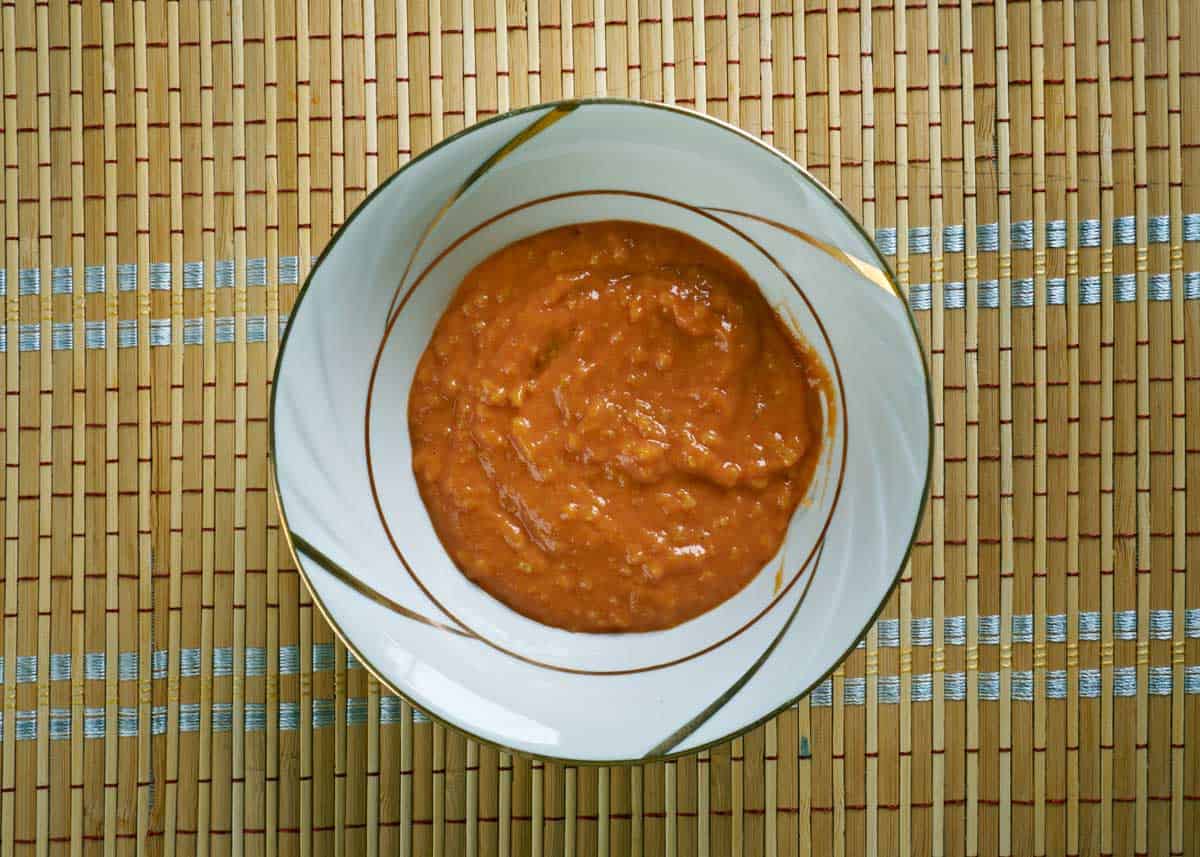
Make a full Bolivian spread with a pot of llajua, start with a bowl of sopa de maní, or try Cochabamba’s other big plate, pique macho. For breakfast, Bolivians reach for salteñas or api con pastel. Browse every recipe on our Bolivian street food page, or read the full guide to Bolivian food.
Sources
- Los Tiempos (Cochabamba): Trancapecho
- ABC Color: El silpancho
- Cocina Boliviana: The trancapecho, a classic at the stadium
- The Sandwich Tribunal: Bolivian Trancapecho
More Bolivian Foods
See all →
Jorge Garcia is the founder of AmigoFoods, where he has spent over 20 years helping readers discover authentic Latin American and Spanish cuisine. Raised in a Cuban-American household, Jorge learned to cook at the hands of his mother and grandmother, carrying forward generations of family recipes. That heritage, backed by his family’s four-generation history in the Latin food industry, inspired him to launch AmigoFoods in 2003. With more than 1,000 published articles on recipes, ingredients, and food culture, Jorge’s mission is simple: make authentic Latin cooking approachable for home cooks everywhere while honoring the traditions behind every dish.