

On this page
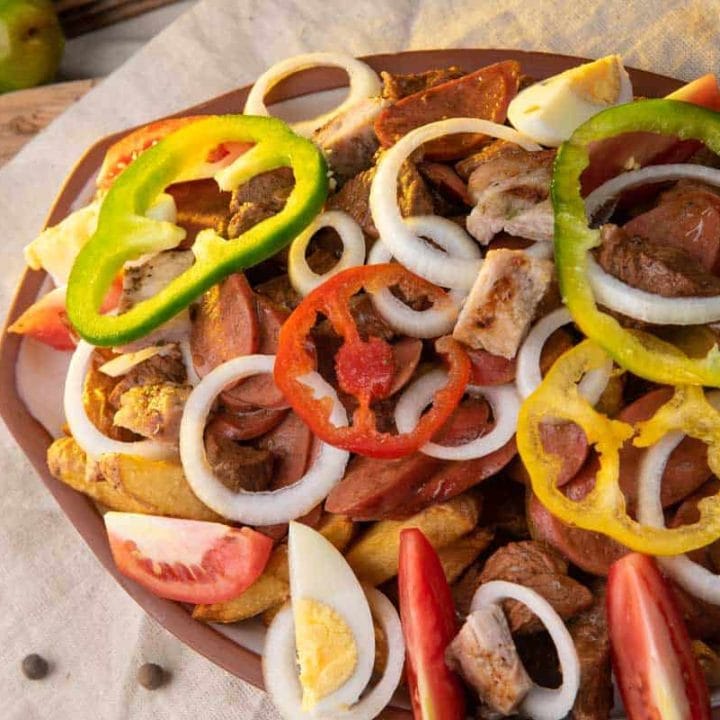
Pique macho is Bolivia’s famous sharing platter: a mountain of thick-cut fries buried under juicy cubes of beef and sliced sausage, then topped with onion, tomato, peppers, fiery locoto chiles and hard-boiled eggs. It was born in Cochabamba in the 1970s, and its name is a dare to finish it.
Pique Macho at a Glance
AmigoFoods may earn a commission from qualifying Amazon purchases made through links on this page.
What is pique macho?
Pique macho, also called pique a lo macho, is one of the most popular dishes in Bolivia. It is a single, enormous plate that everyone at the table digs into with forks, usually with cold beer and good conversation.
The ingredients are humble: beef, sausages, potatoes, a few vegetables and eggs. What makes it special is the jugo, the salty, beefy, beer-spiked pan juices that get poured over the top and soak into the fries. Crisp edges, soft juicy centers, raw crunch from the onion and a kick of chile in every bite.

A pique macho is built in layers, from the bottom up:
Top
- 1. FriesA thick bed of double-fried potatoes.
- 2. MeatSeared beef and sausages, with all their pan juices.
- 3. VegetablesOnion, tomato, bell pepper and locoto, barely wilted.
- 4. EggsHard-boiled eggs, quartered or sliced.
- 5. SaucesMayonnaise, ketchup, mustard and llajua, added at the table.
Bottom of the platter
A smaller serving is simply called a pique. A full pique macho easily feeds two to four people, and the running joke in Bolivia is that you are only truly macho if you can finish one by yourself. It is one of the essential dishes in our guide to Bolivian food.
What does pique macho mean?
Pique comes from the Spanish verb picar, to nibble or pick at. In Bolivia a pique is a plate of bite-size pieces you pick at with a fork, the way you would share a plate of nachos. Macho is the dare: according to the dish’s origin story, the cook told her customers “Piquen, si son machos”, roughly “Dig in, if you’re man enough,” because the plate was so spicy.
Pique a lo macho means “pique, macho-style.” It is pronounced PEE-keh MAH-cho.
Where pique macho comes from
Pique macho comes from Cochabamba, the valley city in central Bolivia that Bolivians call the country’s food capital. It is the same city that gave Bolivia silpancho. Unlike many traditional dishes, pique macho has known creators: Honorato Quiñones Andia and his wife, Evangelina Rojas Vargas.
- 1969The couple, originally from Torotoro in the department of Potosí, marry and start a restaurant business in Cochabamba.
- Mid-1970sAt their restaurant, El Prado, a late-night group of hungry airline workers from Lloyd Aéreo Boliviano begs for food after closing. Evangelina chops up the beef, sausage and potatoes she has left, makes it very spicy and serves it with her famous dare.
- 1978Demand grows so fast that the couple moves to a larger restaurant, Quinta Miraflores, with pique a lo macho on the menu.
- 2004Cochabamba’s restaurant association and tourism authorities honor the couple, recognizing the dish as a cultural icon of the region.
Another popular version of the story says the dish was created for regulars who spent hours playing cacho, a Bolivian dice game, and wanted something to pick at with their beer. Either way, the result was the same: a shareable, spicy plate built to go with drinks.
From Cochabamba, pique macho spread to La Paz and Santa Cruz, and today it is served all over Bolivia and in Bolivian restaurants abroad. Cochabambinos still insist theirs is the best.
Is pique macho spicy?
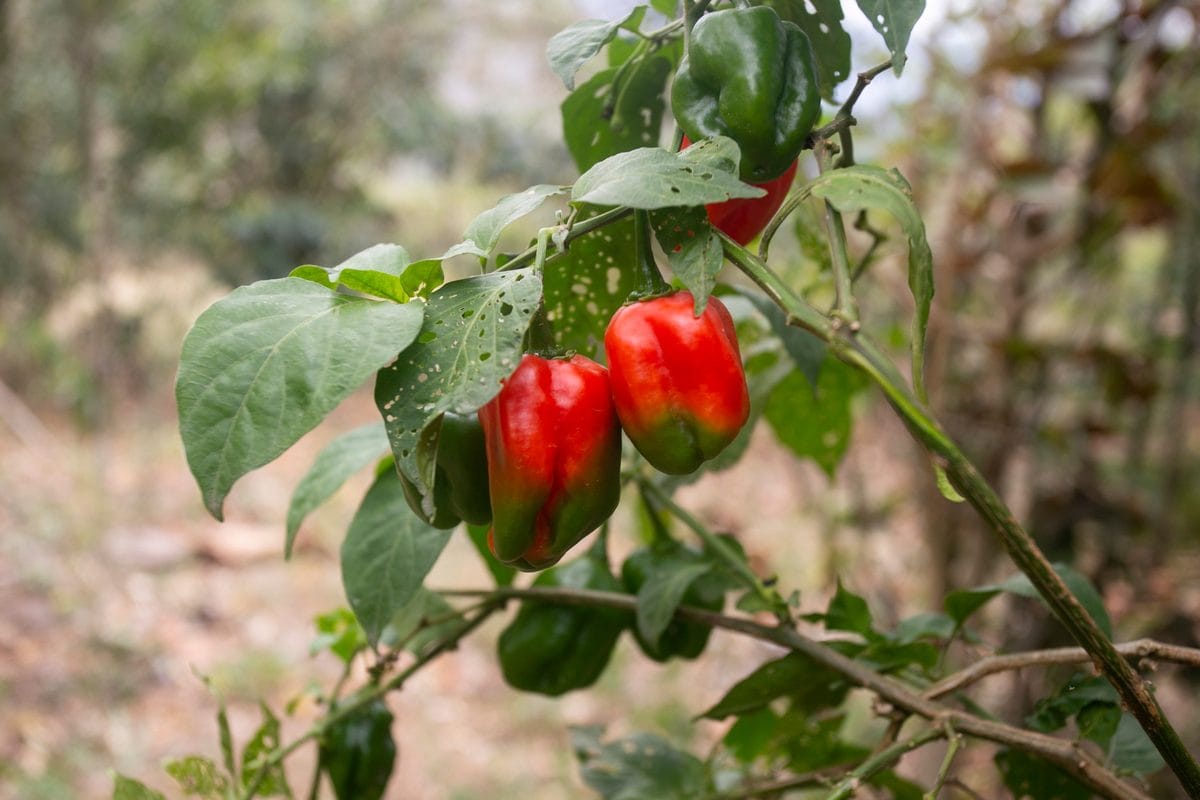
Traditionally, yes. The heat comes from locoto, a fat, juicy Andean chile with black seeds. It is the same species, Capsicum pubescens, that Peruvians call rocoto, and it is several times hotter than a jalapeño.
How hot is locoto?
The good news is that you control the heat. Because the locoto rings go on top, anyone who wants a milder plate can push them aside. For a family-friendly version, remove the seeds and white ribs, or swap the locoto for extra bell pepper and let everyone add llajua, Bolivia’s hot table salsa, to taste.
What does pique macho taste like?
Think of steak fries and a warm steak salad piled onto one plate. The beef is savory and a little smoky from the soy sauce, garlic and cumin marinade. The beer reduces into a rich, salty jus that the bottom layer of fries drinks up. The sausages add a snappy, smoky sweetness, the raw onion and tomato bring crunch and acidity, the eggs soften everything, and the locoto lights it all up.
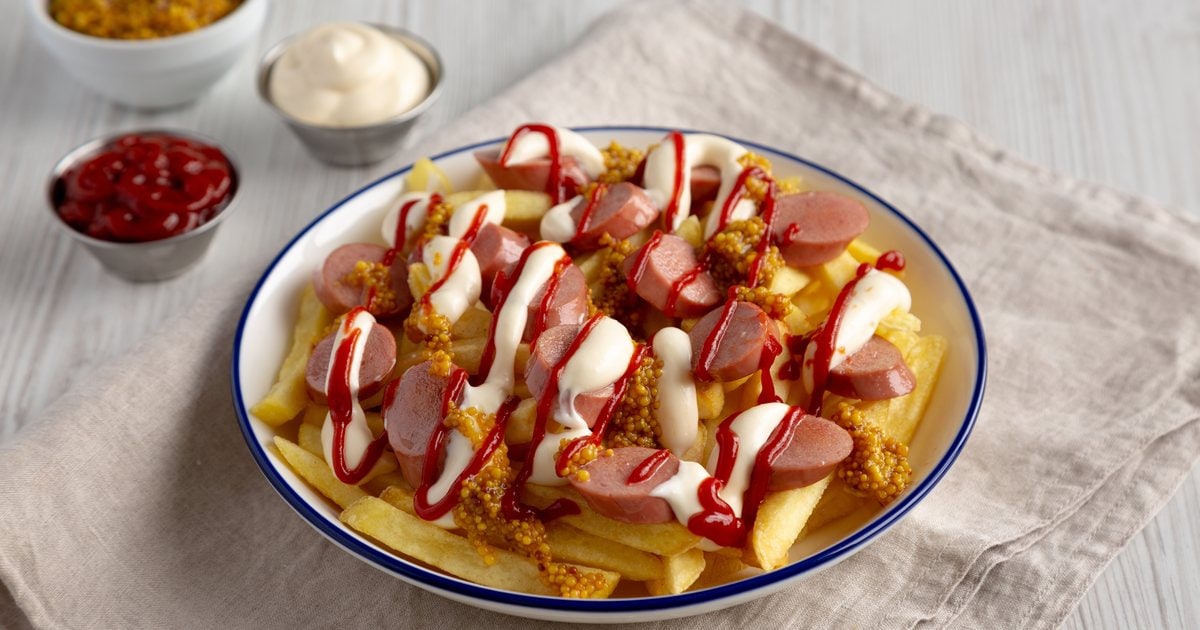
Many people describe it as Bolivia’s answer to Canadian poutine or Peru’s salchipapa, which is fair, but pique macho is heartier and fresher than both.
Pique macho ingredients
- Beef: sirloin or tenderloin (lomo) cooks fast and stays tender. Top round works if you let it marinate. Cut it into ¾-inch cubes so every piece fits on a fork with a fry.
- Sausages: Bolivians use salchichas, hot dog–style sausages. Beef franks or Vienna sausages are perfect; some cooks add sliced chorizo as well.
- Potatoes: russets fry up crisp and fluffy; Yukon Golds stay creamier. Cut them thick. Bolivia grows hundreds of potato varieties, which you can read about in our guide to Bolivian ingredients.
- Marinade: garlic, ground cumin, soy sauce, yellow mustard, salt and black pepper. Soy sauce is a standard seasoning for pique in Bolivian kitchens and gives the jus its deep color.
- Beer: a light lager such as Bolivia’s Paceña. It deglazes the pan and turns into the jugo. Beef broth works if you prefer to skip alcohol.
- Vegetables: red onion, Roma tomatoes and a green bell pepper, cut into big, chunky pieces.
- Locoto: fresh locoto is hard to find outside the Andes. Use one red Fresno and one green jalapeño for a similar look and moderate heat, or stir a spoonful of rocoto paste into the pan juices for the authentic flavor.
- Eggs: one hard-boiled egg for every one or two people.
- Table sauces: mayonnaise, ketchup and mustard, plus a bowl of llajua. Homemade is best, but jarred Bolivian llajua is a good shortcut.
How to make pique macho
The trick is timing: the fries, the meat and the vegetables should all be hot at the same moment. Marinate the beef first, fry the potatoes, then cook the meat while the fries stay warm in the oven. The full recipe with measurements is in the recipe card below.
1. Marinate the beef
Toss the beef cubes with the garlic, soy sauce, mustard, cumin, salt and pepper. Let them sit for 30 minutes at room temperature, or cover and refrigerate overnight. Boil and peel the eggs while you wait.
2. Cut and soak the potatoes
Peel the potatoes and cut them into ½-inch-thick fries. Soak them in cold water for 15 minutes to rinse off surface starch, then drain and dry them very well with a towel. Wet potatoes make the oil spatter and stop the fries from crisping.
3. Fry the potatoes twice
Heat 2 inches of oil in a heavy pot to 320°F (160°C); a clip-on frying thermometer takes the guesswork out. Fry the potatoes in batches for 6 to 7 minutes, until tender but still pale, and drain them on a rack. Then raise the oil to 375°F (190°C) and fry them again for 2 to 3 minutes until deep golden. Salt them and keep them warm in a low oven.
4. Sear the beef and sausages
Heat a little oil in your largest skillet over high heat. A heavy Lodge cast iron skillet is ideal because it stays hot when the meat goes in. Add the beef in a single layer and sear for 3 to 4 minutes, turning, until browned outside. Add the sliced sausages and cook for 2 minutes more, until their edges catch.
5. Make the jugo
Pour in the beer and scrape up every browned bit from the bottom of the pan. Let it bubble for 2 to 3 minutes, until it has reduced by about half into a glossy, savory sauce.
6. Wilt the vegetables
Add the onion and bell pepper to the skillet and toss for 1 to 2 minutes, just until glossy. Add the tomatoes and locoto and toss for 30 seconds more. They should stay crunchy and bright. Some Cochabamba cooks skip this step entirely and pile the vegetables on raw.
7. Build the platter
Spread the fries on a large platter, spoon the meat, sausages, vegetables and all the juices over the top, and finish with the eggs. Serve right away, with the table sauces on the side.
Regional styles and variations
Every Bolivian city, and every family, has its own idea of the perfect pique. These are the versions you are most likely to meet.
- Cochabamba (the original)Beef and sausages in their juices over fries, with onion, tomato, locoto and egg. Generous, spicy and meant for sharing.
- La Paz styleOften served with llajua and a slab of fresh highland cheese, sometimes with chorizo alongside the beef.
- Pique de polloChicken instead of beef, popular in Bolivian restaurants abroad and with milder bell peppers in place of locoto.
- With yuca friesSome cooks swap the potatoes for fried yuca, which gets extra crisp outside and creamy inside.
- Sauced-up street styleZigzags of mayonnaise, ketchup and mustard right over the top instead of on the side.
- VegetarianMushrooms, seitan or tofu in place of the meats, keeping the fries, vegetables and sauces.


Pique macho vs. salchipapa vs. poutine
Pique macho belongs to a worldwide family of loaded fries. Here is how it compares with two famous relatives, Peru’s salchipapa and Canada’s poutine.
| Pique macho | Salchipapa | Poutine | |
|---|---|---|---|
| From | Cochabamba, Bolivia | Peru | Quebec, Canada |
| Meat | Beef cubes and sausage | Sliced hot dogs | None in the classic version |
| Toppings | Onion, tomato, peppers, locoto and boiled egg | Mayonnaise, ketchup, mustard and ají sauces | Cheese curds and brown gravy |
| Heat | Spicy, from the locoto | Mild, with hot sauce on the side | Not spicy |
| How it’s eaten | A shared platter, often with beer | A quick street snack | A snack or side dish |
If you love a big shared platter of meat and fried things, Colombia’s fritanga is another relative worth trying.
What to serve with pique macho
Pique macho is a complete meal, so it needs very little alongside it. What it does need is llajua, the fresh tomato and locoto salsa that sits on every table in Bolivia.

- Cold beer: the classic pairing. Look for Bolivian lagers like Paceña or Huari, or see our guide to Latin American beers. Ice-cold soda is just as common.
- Crusty bread: a roll for mopping up the last of the juices.
- A Bolivian menu: start with a bowl of sopa de maní, or serve pique macho for a crowd alongside a tray of salteñas.
Tips for the best pique macho
- Dry the potatoes well. Water is the enemy of crisp fries and the reason oil spits.
- Don’t crowd the pan. Sear the beef in two batches if your skillet is small. Crowded meat steams and turns gray instead of browning.
- Cut everything big. Chunky onion, tomato and pepper hold their crunch against the hot meat.
- Keep the fries warm, not covered. A 200°F oven on a rack keeps them crisp; a lid or foil makes them soggy.
- Season the jugo. Taste the pan juices before pouring them over the platter. They should be salty and bold, because they season the fries too.
- Serve immediately. Pique macho waits for no one. The longer it sits, the softer the fries get.
Make ahead and leftovers
You can marinate the beef up to 24 hours ahead, boil the eggs a day early, and give the fries their first fry a few hours before dinner. Keep the par-fried potatoes at room temperature on a rack, then do the second fry just before serving.
Leftovers keep in the fridge for up to 3 days. Store the fries separately if you can. Reheat the meat and vegetables in a hot skillet, and crisp the fries in an air fryer at 400°F for 4 to 5 minutes or on a sheet pan in a 425°F oven.
Pique macho FAQ
What is pique macho made of?
Fried potatoes topped with seared beef and sausages in their pan juices, plus onion, tomato, bell pepper, spicy locoto chiles and hard-boiled eggs. Mayonnaise, ketchup, mustard and llajua are served on the side.
Is pique macho spicy?
Yes, traditionally. Locoto chiles are several times hotter than jalapeños. Since they go on top, you can leave them off or seed them for a mild version.
Is pique macho the national dish of Bolivia?
Bolivia has no single official national dish. Pique macho is one of the most popular, along with silpancho and salteñas, and it is a recognized cultural icon of Cochabamba.
How many people does one pique macho serve?
This recipe makes one large platter for 4 people. In Bolivian restaurants, a single pique macho is usually shared by two or more diners.
Can I use frozen fries or an air fryer?
Yes. Frozen steak fries, baked or air-fried according to the package, make a quick weeknight pique macho. Thick fries hold up to the juices better than thin ones.
What can I use instead of locoto?
Fresh or jarred Peruvian rocoto is the same chile. Otherwise, a mix of red Fresno and green jalapeño gives a similar look with milder heat. Use habanero sparingly if you want the full fire.
What is the difference between pique macho and salchipapa?
Salchipapa is a Peruvian street snack of fries and sliced hot dogs with sauces. Pique macho adds seared beef, pan juices, fresh vegetables, locoto and eggs, and it is served as a shared meal.
Pique Macho Recipe
Pique Macho (Bolivian Beef, Sausage and Fries Platter)
Cochabamba’s famous sharing platter: double-fried potatoes piled with soy-and-cumin marinated beef and sausages in a beer pan sauce, topped with onion, tomato, peppers, spicy locoto and hard-boiled eggs.
Ingredients
For the beef
- 1½ pounds (680 g) beef sirloin or tenderloin, cut into ¾-inch cubes
- 3 garlic cloves, minced
- 2 tablespoons soy sauce
- 1 tablespoon yellow mustard
- 1 teaspoon ground cumin
- ½ teaspoon salt
- ½ teaspoon ground black pepper
- 1 tablespoon vegetable oil
- 10 ounces (285 g) beef hot dogs or Vienna sausages, sliced diagonally ½ inch thick
- ¾ cup (180 ml) light lager beer
For the fries
- 2 pounds (900 g) russet or Yukon Gold potatoes
- About 6 cups vegetable oil, for frying
- Salt, to taste
For the topping
- 1 large red onion, cut into thick half-moons
- 1 green bell pepper, cut into strips
- 2 Roma tomatoes, cut into wedges
- 1 to 2 locotos, sliced into rings (or 1 red Fresno and 1 green jalapeño)
- 3 hard-boiled eggs, quartered
To serve
- Mayonnaise, ketchup and yellow mustard
- Llajua (Bolivian hot salsa)
Instructions
Marinate
- Toss the beef cubes with the garlic, soy sauce, mustard, cumin, salt and pepper. Marinate 30 minutes at room temperature, or cover and refrigerate up to 24 hours.
- Meanwhile, hard-boil the eggs (10 minutes in simmering water, then into ice water), peel and quarter them.
Make the fries
- Peel the potatoes and cut them into ½-inch-thick fries. Soak in cold water for 15 minutes, then drain and dry very well with a towel.
- Heat 2 inches of oil in a heavy pot to 320°F (160°C). Fry the potatoes in batches for 6 to 7 minutes, until tender but still pale. Drain on a wire rack.
- Raise the oil to 375°F (190°C). Fry the potatoes again in batches for 2 to 3 minutes, until deep golden and crisp. Salt them and keep warm on a rack in a 200°F oven.
Cook the meat and vegetables
- Heat 1 tablespoon oil in a large skillet over high heat. Add the beef in a single layer (in two batches if needed) and sear 3 to 4 minutes, turning, until browned.
- Add the sausages and cook 2 minutes, until their edges brown.
- Pour in the beer and scrape up the browned bits. Simmer 2 to 3 minutes, until reduced by about half. Taste the juices and add salt if needed.
- Add the onion and bell pepper and toss 1 to 2 minutes, just until glossy. Add the tomatoes and locoto and toss 30 seconds more. Remove from the heat.
Assemble
- Spread the fries on a large platter. Spoon the beef, sausages, vegetables and all the pan juices over the top. Arrange the eggs on top.
- Serve immediately with mayonnaise, ketchup, mustard and llajua on the side.
Notes
No locoto: use 1 red Fresno and 1 green jalapeño, or stir 1 to 2 teaspoons rocoto paste into the pan juices. Remove the seeds and ribs for less heat.
Beer: any light lager works. Use beef broth for an alcohol-free version.
Shortcut fries: bake or air-fry frozen steak fries according to the package; thick fries hold up best under the juices.
Chicken: use 1½ lb boneless chicken thighs, cut into cubes, and cook until no longer pink inside.
Make ahead: marinate the beef up to 24 hours and give the fries their first fry a few hours early. Do the second fry, meat and vegetables just before serving.
Leftovers: refrigerate up to 3 days, fries separately if possible. Reheat the meat in a skillet and crisp the fries in an air fryer at 400°F for 4 to 5 minutes.
More Bolivian dishes
- SilpanchoCochabamba’s breaded steak plate
- TrancapechoSilpancho in a sandwich
- SalteñasJuicy baked empanadas
- MajaditoRice with dried beef and fried egg
- ChairoLa Paz’s hearty chuño soup
- LlajuaThe salsa on every table
For the full picture, see our guide to Bolivian food, browse Bolivian street food recipes, or explore every dish on our Bolivian foods hub.
More Bolivian Foods
See all →
Jorge Garcia is the founder of AmigoFoods, where he has spent over 20 years helping readers discover authentic Latin American and Spanish cuisine. Raised in a Cuban-American household, Jorge learned to cook at the hands of his mother and grandmother, carrying forward generations of family recipes. That heritage, backed by his family’s four-generation history in the Latin food industry, inspired him to launch AmigoFoods in 2003. With more than 1,000 published articles on recipes, ingredients, and food culture, Jorge’s mission is simple: make authentic Latin cooking approachable for home cooks everywhere while honoring the traditions behind every dish.