

Mexican cheese falls into four families: fresh cheeses that crumble or slice (queso fresco, panela, requesón), stretchy melting cheeses (Oaxaca, Chihuahua, asadero), salty aged cheeses you grate over food (cotija, queso añejo), and soft cream cheeses. Most are made from cow’s milk, most are white, and each one does a different job: some melt into quesadillas, some hold their shape on a hot griddle, and some are only ever crumbled on top.
This guide covers the 12 types you will find in Mexican markets and in the Hispanic dairy aisle in the US, what each one tastes like, which ones melt, and which cheese to reach for with tacos, enchiladas, elote and quesadillas.
Mexican Cheese at a Glance
| Cheese | Family | Texture and flavor | Melts? | Best for |
|---|---|---|---|---|
| Queso fresco | Fresh | Soft, moist, mild and milky | Softens | Crumbling over enchiladas, beans, tacos |
| Panela | Fresh | Springy, smooth, lightly salted | No | Grilling, frying, cubes in salads |
| Requesón | Fresh | Soft and grainy, like ricotta | No | Gorditas, tlacoyos, enchiladas, sweets |
| Queso blanco | Fresh | Firm, crumbly, mild | No | Frying, crumbling, eating with fruit |
| Oaxaca | Melting | Stringy, buttery, mild | Yes | Quesadillas, tlayudas, chiles rellenos |
| Chihuahua | Melting | Semi-firm, mild, slightly tangy | Yes | Queso fundido, enchiladas, nachos |
| Asadero | Melting | Soft, smooth, creamy | Yes | Queso fundido, chile con queso |
| Queso quesadilla | Melting | Soft, mild, buttery | Yes | Quesadillas, sincronizadas, dips |
| Mexican manchego | Melting | Semi-firm, mild and buttery | Yes | Molletes, tortas, baked dishes |
| Cotija | Aged | Dry, salty, sharp | No | Elote, esquites, tacos, salads |
| Queso añejo | Aged | Hard, salty, sometimes chile-coated | No | Grating over antojitos and beans |
| Queso crema | Cream | Soft, rich, tangy | Softens | Spreading on tostadas and bread |
AmigoFoods may earn a commission from qualifying Amazon purchases made through links on this page.
Fresh Mexican Cheeses
Fresh cheeses are made and eaten within days or weeks, with little or no aging. They are white, mild and moist, and they are the everyday cheeses of the Mexican kitchen. None of them melts into strings; heat makes them soft and warm, which is exactly why they work on hot griddles.
1. Queso Fresco

- Cow’s milk
- Mild and milky
- Softens, doesn’t melt
- Swap: farmer’s cheese or mild feta
- Look for: Los Altos, V&V Supremo, Cacique Ranchero
Queso fresco (“fresh cheese”) is the cheese most Mexican families keep in the fridge. It is soft, slightly salty and crumbles easily between your fingers. It goes on almost everything: enchiladas, refried beans, chilaquiles, sopes, tostadas and soups.
When it gets hot it softens and warms through but keeps its shape. Read our full guide to queso fresco, including how to make it at home with milk and lime juice.
How it’s made: Most commercial queso fresco is set with rennet and a culture, then the curd is salted, lightly pressed into rounds and sold within days. Homemade versions are often curdled with lime juice or vinegar instead, which gives a firmer, squeakier cheese that is closer to queso blanco. In Mexico, queso fresco is less a single cheese than a family of farm cheeses, with regional versions such as queso ranchero, queso de rancho and queso de aro.
Buy a round that is moist, smells of fresh milk and crumbles cleanly. Once it smells sour or feels slimy, it is past its best.
2. Queso Panela

- Cow’s milk
- Springy and smooth
- Holds its shape when heated
- Swap: halloumi or paneer
- Look for: Cacique
Panela is a fresh cheese drained in a basket, which is why it is also called queso de canasta and often shows a woven pattern on the outside. It is firmer and smoother than queso fresco, with a squeaky bite and a clean, lightly salty taste.
Panela does not melt, so you can sear it on a griddle or comal until it browns and serve it with salsa, or cut it into cubes for salads. See our guide to panela cheese for ways to cook it.
How it’s made: Panela is a rennet-set cheese, often made from skim or low-fat milk, which is why it is leaner and springier than queso fresco. The curd is scooped into basket molds, left to drain and sold fresh, never aged. The whey left behind is what cheesemakers use to make requesón. Panela is especially popular in central Mexico, where it is served in thick slices with salsa or tucked into tortas. Wrap leftovers tightly and eat them within about a week.
3. Requesón

- Made from whey
- Soft and grainy
- Spreads, doesn’t melt
- Swap: whole-milk ricotta
Requesón is made by reheating the whey left over from cheesemaking, the same way Italian ricotta is made. It is soft, spreadable and slightly sweet. Look for it in gorditas, tlacoyos, quesadillas from street stalls and Lenten enchiladas, mixed with epazote or chile.
In sweets it fills empanadas and turnovers. Whole-milk ricotta is the closest substitute.
How it’s made: Cheesemakers heat the leftover whey, sometimes blended with a little milk, until it is almost boiling, then add vinegar or lime so the remaining proteins clump into fine curds. The curds are drained overnight and salted lightly. Requesón is very perishable, so buy it fresh and use it within a few days. For a classic filling for gorditas and tlacoyos, mix it with a pinch of salt, chopped epazote and minced serrano.
4. Queso Blanco

- Cow’s milk
- Firm and crumbly
- Fries without melting
- Swap: farmer’s cheese or paneer
- Look for: V&V Supremo Queso Blanco del Caribe
Queso blanco simply means “white cheese.” In US stores the label usually means a firm, fresh white cheese, often set with acid rather than rennet. It is drier and holds together better than queso fresco, so it fries well and crumbles in neat pieces.
Don’t confuse it with the white queso dip served at Tex-Mex restaurants, which is a melted sauce usually made from white American or Monterey Jack cheese. Across Latin America, fresh white cheeses go by many names; our guide to Latin American cheese covers them country by country.
How it’s made: Queso blanco is one of the simplest cheeses there is. Milk is heated to about 185°F (85°C), then vinegar, lime or lemon juice is stirred in until the curds separate from a clear, yellowish whey. The combination of acid and high heat pulls both the casein and the whey proteins out of the milk, so the curd knits into a cheese that softens but will not melt. Indian paneer works on the same principle. The curds are salted, drained in cloth and pressed into a block, and the cheese is ready to eat the same day.
That structure is why queso blanco is often labeled queso para freír, or frying cheese. Cut it into thick slices, sear it in a hot, lightly oiled pan until golden on both sides and serve it with salsa, beans or fried plantains. Queso fresco, by contrast, is usually set with rennet and a culture, so it is softer and slumps a little when heated. Homemade queso blanco keeps for about a week in the fridge.
Mexican Melting Cheeses
These are the cheeses that turn soft and stretchy when heated. If a recipe calls for “cheese” inside something, such as a quesadilla, a chile relleno or a torta, it almost always means one of these. To see how they compare inside a tortilla, read our ranking of the best cheese for quesadillas.
5. Queso Oaxaca

- Cow’s milk
- Stringy and buttery
- Melts beautifully
- Swap: low-moisture mozzarella
Oaxaca cheese, called quesillo in Oaxaca itself, is made by stretching warm curd into long ribbons and winding them into a ball, the same pasta filata method used for mozzarella. You pull it apart into strings before cooking.
It is the classic cheese for quesadillas, tlayudas, chiles rellenos and empanadas. Our Oaxaca cheese guide explains how it is made and includes a homemade version.
How it’s made: The milk is set with rennet, and the curd is left to sour until it is ready to stretch. Cheesemakers test it by dipping a piece in hot water. The softened curd is then kneaded and pulled into flat ribbons about an inch wide, salted, and wound into the knotted balls you see in Mexican markets. A popular story credits the method to Dominican friars in colonial Oaxaca, though its exact origin is unknown. Elsewhere in southern Mexico the same cheese is called queso de hebra, or string cheese.
Pull it apart by hand rather than grating it, and let it come to room temperature before cooking so it melts evenly.
6. Queso Chihuahua

- Cow’s milk
- Semi-firm, pale yellow
- Melts smoothly
- Swap: Monterey Jack or mild white cheddar
Chihuahua cheese comes from the Mennonite communities that settled in the state of Chihuahua in the 1920s, which is why it is also called queso menonita. It is a semi-firm, pale yellow cheese with a mild, slightly tangy flavor, similar to a young Monterey Jack or a mild cheddar.
It melts smoothly without turning greasy, which makes it the go-to cheese for queso fundido, enchiladas, nachos and baked dishes. For the full rundown, see our guide to Chihuahua cheese (queso menonita).
Where it comes from: In 1922, several thousand Mennonite farmers from Canada began settling around San Antonio de los Arenales, the town now called Cuauhtémoc. They brought their cows and their cheesemaking tradition with them, and the cheese helped the colonies make a living. Today it is made by Mennonite and non-Mennonite dairies all over the state, and in Chihuahua and neighboring states it is still usually called queso menonita.
How it’s made: Warm cow’s milk is set with rennet, and the curd is cut, drained and pressed into wheels or blocks. Most of it is sold young, though some farm dairies age it for three months or more. Traditional raw-milk versions are softer and a little tangier, while the pasteurized cheese sold in supermarkets and exported to the US is milder and more uniform. In Chihuahua and Durango you will find it shredded over Mennonite-style pizza with pickled jalapeños.
In US supermarkets, Chihuahua® is a registered brand name of V&V Supremo, and the cheese sold under it is a quesadilla-style melting cheese. For the Mennonite original, look for queso menonita at Hispanic markets.
7. Queso Asadero

- Cow’s milk
- Soft and creamy
- Melts fast and smooth
- Swap: Monterey Jack or provolone
Asadero (“for roasting”) is a soft melting cheese from northern Mexico, where it is common in Chihuahua, Sonora and Durango. It is often sold in rounds or slices and melts into a smooth, creamy layer rather than long strings.
Use it for queso fundido, chile con queso, burritos and anything topped with melted cheese.
Where it comes from: Asadero is usually traced to Chihuahua around the time of the Mexican Revolution, and it is also made in Durango. Migrants carried the recipe into the American Southwest, which is why it is a border staple in chile con queso, choriqueso and caldo de queso.
How it’s made: Asadero is a stretched-curd cheese, like Oaxaca and mozzarella. Warm cow’s milk is set with rennet, then the curd is kneaded and pulled until it turns elastic, pressed into flat rounds, salted or brined, and sold young, usually within a couple of weeks. In parts of Chihuahua the milk is still curdled with trompillo, the berries of a wild desert nightshade, instead of animal rennet. Raw-milk asadero from Mexico has more tang and varies from maker to maker. The pasteurized asadero sold in US stores is milder and very consistent.
Slice it thin and lay it over hot dishes, or cube it into queso fundido, where it melts smoothly without breaking.
8. Queso Quesadilla
- Cow’s milk
- Soft and buttery
- Melts easily
- Swap: Monterey Jack or asadero
- Look for: La Chona, V&V Supremo
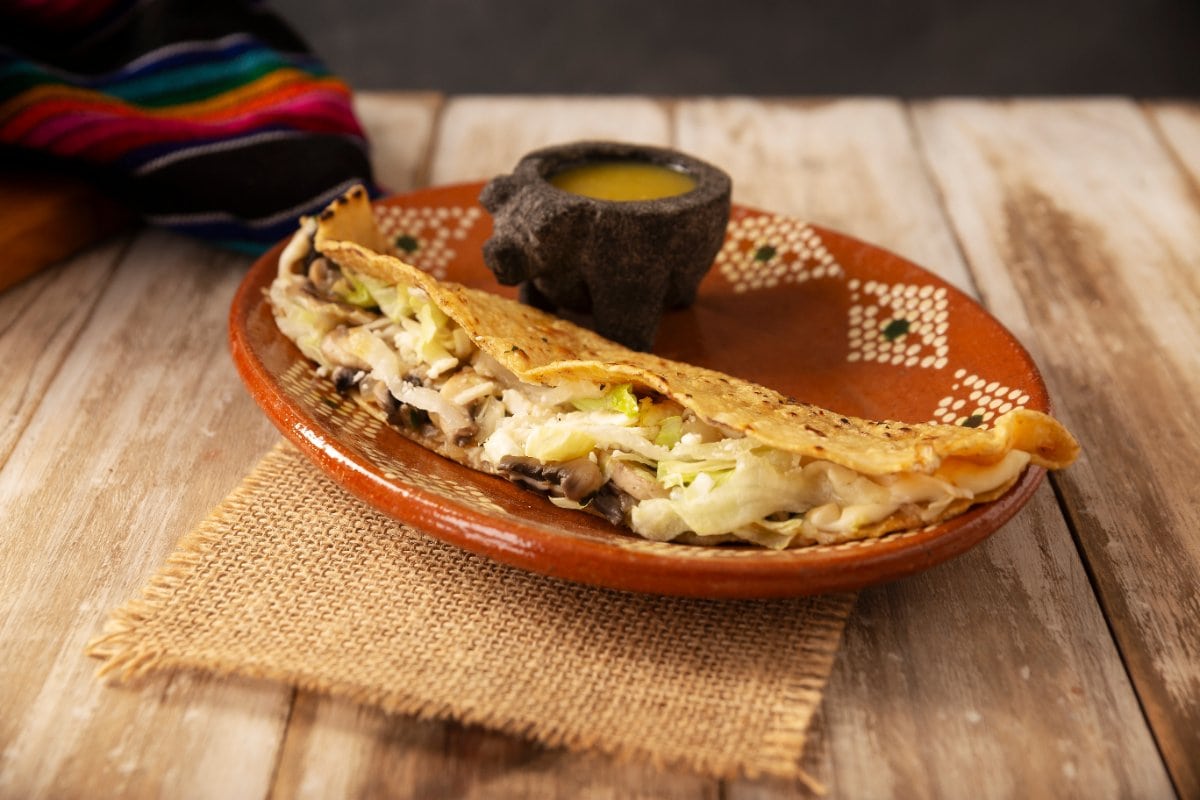
Queso quesadilla is a soft, mild white melting cheese sold under that name in US supermarkets. It is close to asadero and is made to melt quickly and evenly, which is why it shows up in bagged “Mexican blend” cheeses and in many restaurant quesadillas.
Cook quesadillas, sincronizadas and mulitas with it on a well-heated comal. A round cast iron griddle does the same job at home and browns the tortilla before the cheese overcooks.
Despite the name, queso quesadilla is a label you will mostly see in US stores rather than a traditional cheese from a particular region of Mexico. In Mexico, a quesadilla is more likely to be filled with Oaxaca cheese or, in the north, asadero or Chihuahua. It is soft enough to gum up a grater once it warms, so shred it straight from the fridge.
9. Mexican Manchego

- Cow’s milk
- Semi-firm and mild
- Melts well
- Swap: Monterey Jack or young Gouda
Mexican manchego shares a name with Spain’s famous cheese but is a different cheese. Spanish Manchego is made from sheep’s milk and aged; the Mexican version is made from cow’s milk, is usually young, and tastes mild and buttery.
It melts well and slices cleanly, so it is the cheese on molletes, tortas and many baked dishes. An aged version, manchego añejo, can be grated.
It began as Mexican dairies’ version of the Spanish cheese, made by a similar method but with cow’s milk instead of sheep’s milk, and over time it became a cheese of its own: pale, smooth and semi-firm, closer to Monterey Jack than to anything from La Mancha. Check labels in Mexican supermarkets. Cheaper packs sold as imitación queso manchego are made partly with vegetable fat and don’t melt the same way.
Aged and Grating Cheeses
Aged cheeses are drier, saltier and stronger. They do not melt, and they are used like a seasoning, crumbled or grated over food just before serving.
10. Cotija

- Cow’s milk
- Dry, salty, sharp
- Doesn’t melt
- Swap: feta or Parmesan
- Look for: V&V Supremo Sierra, Los Altos, La Chona
Cotija is named for the town of Cotija in Michoacán, in the mountains between Michoacán and Jalisco where it has been made for centuries. It is salty and sharp, and the aged version grates like Parmesan, which is why it is often called the Parmesan of Mexico.
It is the cheese on elote and esquites, and it finishes tacos, enchiladas, beans and salads. Grate a block with a Microplane grater for a fine, snowy finish. Our cotija cheese guide covers young and aged cotija, how to use it, and the best substitutes.
How it’s made: The original, Cotija de montaña, is still made by a small number of ranching families in the Sierra de Jalmich, the mountains on the Jalisco–Michoacán border. They make it in the rainy season from the raw milk of cattle grazing on fresh pasture, salt the curd heavily, press it into large wheels and age them for months. Since 2005 it has been protected by a collective trademark, Queso Cotija Región de Origen, the first granted to a Mexican food. The cotija sold in US stores is a different, industrial cheese: pasteurized, younger and sold either as a crumbly block or finely grated in tubs.
11. Queso Añejo and Queso Enchilado

- Cow’s milk
- Hard and salty
- Grates, doesn’t melt
- Swap: aged cotija or Pecorino Romano
- Look for: V&V Supremo queso enchilado
Queso añejo (“aged cheese”) is fresh cheese that has been aged until it is firm, dry and salty. When the outside is rubbed with chile powder or paprika, it is sold as queso enchilado and has a bright red rind.
Use it the same way you would aged cotija: crumbled over enchiladas, antojitos, beans and soups.
How it’s made: Queso añejo is usually a fresh cheese such as queso fresco that has been aged until most of its moisture is gone, so it crumbles into dry, salty pieces and keeps far longer. Queso enchilado gets its red rind from a coating of ground chile or paprika, which adds color and a little heat. Both are often sold in the same case as cotija, and the three can stand in for one another as finishing cheeses.
Queso Crema and Crema Mexicana
12. Queso Crema

- Cow’s milk
- Soft and spreadable
- Tangy
- Swap: cream cheese loosened with a little crema
Queso crema is a soft, rich fresh cheese. The best known is queso crema de Chiapas, which is noticeably tangy and is spread on tostadas, bread and tamales or crumbled over beans. Outside Chiapas the name is also used for softer, milder cream cheeses.
How it’s made: Queso crema is made much like panela, except that the milk is enriched with extra cream before it is set, which gives a softer, richer, higher-fat cheese. In Chiapas, the square-block version, queso crema de cuadro, has had its own collective trademark since 2013. Spread it on warm tortillas or tostadas, crumble it over black beans, or use it in place of cream cheese in desserts.
Crema Mexicana
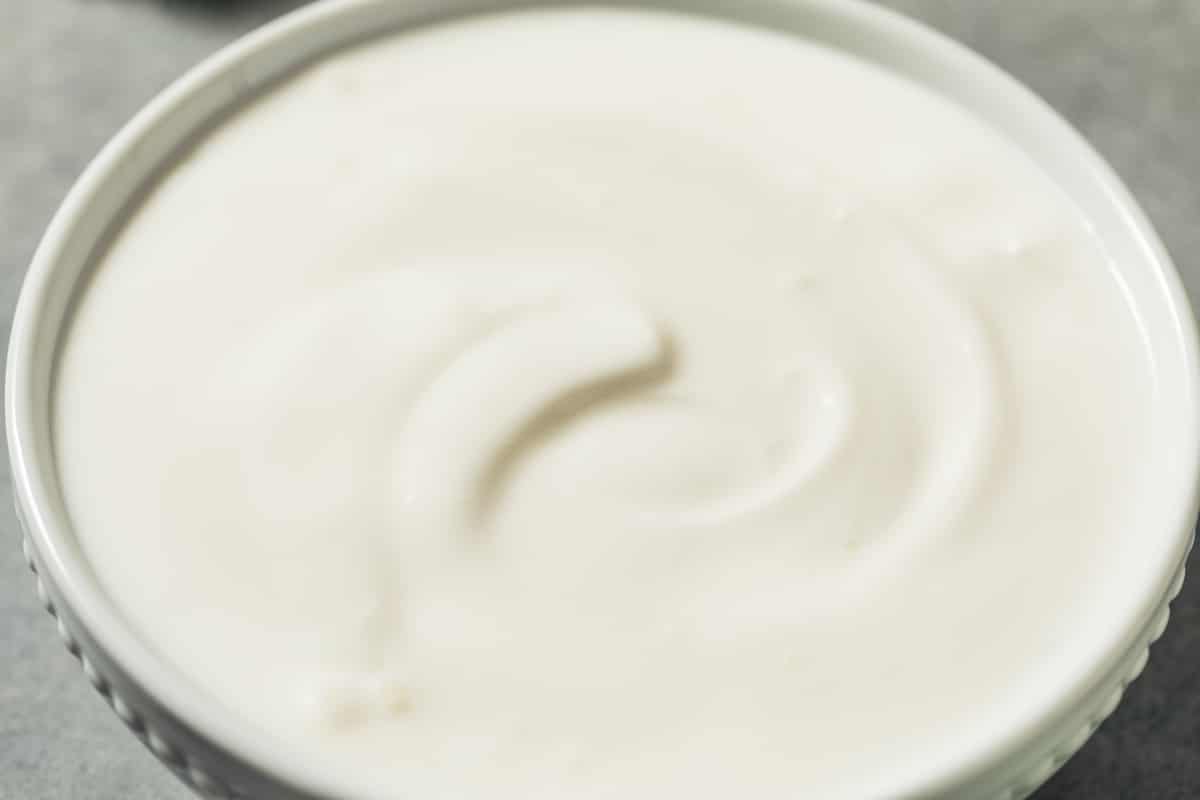
Crema is not a cheese, but it sits next to the cheeses in every Mexican fridge and on almost every plate. It is a cultured cream that is thinner, richer and milder than American sour cream, so it drizzles over tacos, flautas and enchiladas instead of sitting in a lump. See our guide to Mexican crema.
Regional Mexican Cheeses Worth Knowing

Mexico has dozens of local cheeses that rarely leave their home region. A few to look for if you travel:
- Queso de bola de Ocosingo (Chiapas): a soft, rich cheese encased in a hard, waxy shell, sold as a ball.
- Queso de bola (Yucatán): on the Yucatán Peninsula the name usually means imported Edam, which is hollowed out and stuffed for the dish queso relleno.
- Queso de poro (Tabasco): an aged cheese from the Balancán area, named for the small holes (poros) in its paste.
- Queso doble crema (Chiapas): a soft, rich fresh cheese made with extra cream added to the milk. It is firm enough to slice but smooth enough to spread, somewhere between cream cheese and brie.
- Queso de cincho (Morelos and Guerrero): a firm pressed cheese named for the band (cincho) that molds it. The aged version is rubbed with a guajillo chile paste, keeps for months without refrigeration and is grated or crumbled like queso añejo.
- Cotija de montaña: the traditional raw-milk cotija from the Jalisco–Michoacán highlands, aged far longer than the grated cotija sold in US stores.
- Quesillo: the local name for Oaxaca cheese in Oaxaca, often wrapped around tlayudas and memelas.
Which Mexican Cheese Should You Use?
Pick the cheese by what you want it to do: melt, crumble or hold its shape. This is how the cheeses are used in Mexican home cooking.
| Dish | Best cheese | Also works |
|---|---|---|
| Quesadillas | Oaxaca | Chihuahua, asadero, queso quesadilla |
| Street tacos | Usually none | Cotija or queso fresco on some styles |
| Enchiladas | Queso fresco on top | Chihuahua inside, cotija on top |
| Elote and esquites | Cotija | Queso fresco, queso añejo |
| Chilaquiles | Queso fresco | Cotija, panela |
| Queso fundido | Chihuahua or asadero | Oaxaca |
| Chiles rellenos | Oaxaca | Chihuahua, asadero |
| Tlayudas | Quesillo (Oaxaca) | Queso fresco |
| Sopes, tostadas, gorditas | Queso fresco | Cotija, requesón |
| Grilled or seared cheese | Panela | Queso blanco |
| Molletes and tortas | Mexican manchego | Chihuahua, Oaxaca |
| Beans and soups | Queso fresco | Panela, cotija |
Recipes to try them in: enchiladas, chilaquiles, chile relleno, sopes, gorditas, tlacoyos and Sonora’s caldo de queso.
Which Mexican Cheeses Melt?
This is the question that matters most when you shop, because using the wrong one is the most common mistake.
- Melt fully and stretch: Oaxaca, Chihuahua, asadero, queso quesadilla and Mexican manchego.
- Soften but keep their shape: queso fresco, panela and queso blanco. This is useful: you can fry or grill them, and they won’t run off the plate.
- Don’t melt at all: cotija and queso añejo. They are finishing cheeses, added after cooking.
What Is in Mexican Blend Cheese?
The bagged “Mexican blend” or “Mexican style” shredded cheese in US supermarkets is a Tex-Mex product, not something you will find in Mexico. Most blends combine Monterey Jack and cheddar, and some add queso quesadilla and asadero. It melts well on nachos and casseroles, but it tastes nothing like cotija or queso fresco.
What is the white melted cheese at Mexican restaurants? In the US it is usually asadero, queso quesadilla or Monterey Jack inside quesadillas and burritos. The white queso dip is most often made from white American cheese, sometimes blended with Monterey Jack, plus milk and green chiles. Chipotle, for example, lists shredded Monterey Jack as the cheese on its burritos and bowls.
How to Buy and Store Mexican Cheese
- Buy pasteurized, and watch for recalls. Most Mexican-style cheeses sold in US supermarkets are made from pasteurized milk. Soft cheeses made from raw milk carry a higher risk of Listeria, so pregnant women, adults 65 and older and anyone with a weakened immune system should check the label for “pasteurized milk.” Pasteurization is not a guarantee, though: in February 2024 Rizo-López Foods recalled every cheese it made, including queso fresco, cotija and Oaxaca, after a multistate Listeria outbreak that hospitalized 23 people and killed two. Keep soft cheeses cold and check for recall notices if a brand is in the news.
- Know the brands. Cacique, El Mexicano, V&V Supremo, Los Altos and La Chona are widely sold in the US. Hispanic markets often carry fresher local cheese.
- Fresh cheeses spoil fastest. Keep queso fresco, panela and requesón tightly wrapped in the fridge and use them within about a week of opening.
- Melting cheeses last longer. Wrapped well, Oaxaca, Chihuahua and asadero keep for two to three weeks once opened.
- Aged cheeses keep the longest. A block of cotija or añejo lasts for weeks in the fridge. Wrap it in waxed paper or a beeswax food wrap so it can breathe without drying out.
- Freezing: grated cotija and shredded Oaxaca or Chihuahua freeze well for cooking. Fresh cheeses turn crumbly and watery after freezing.
Mexican Cheese FAQ
What is the most popular cheese in Mexico?
Queso fresco and Oaxaca cheese are the two you will find in almost every Mexican market and home kitchen. Queso fresco is the everyday crumbling cheese, and Oaxaca is the everyday melting cheese.
What are the four cheeses in Mexican blend cheese?
Most bagged four-cheese Mexican blends combine Monterey Jack, mild cheddar, queso quesadilla and asadero. Three-cheese blends usually drop one of the Mexican-style cheeses, so check the label if you want the creamier melt that queso quesadilla and asadero give.
Do authentic Mexican tacos have cheese?
Most street tacos, like tacos al pastor and carne asada tacos, are served with onion, cilantro, salsa and lime, not cheese. Cheese does appear in some styles, such as quesatacos, gringas, tacos with a crisp cheese crust (costra) and quesabirria. Shredded yellow cheese on tacos is a Tex-Mex habit.
What cheese is closest to cotija?
Feta is the closest everyday substitute because it is salty and crumbly. Ricotta salata is milder, and Parmesan or Pecorino Romano are good stand-ins for aged cotija. Our guide to the best cotija cheese substitutes covers when to use each.
Is Oaxaca cheese the same as mozzarella?
No, but they are made the same way and behave alike. Oaxaca cheese is saltier, firmer and more buttery, and it pulls into long strings. Low-moisture mozzarella is the best substitute when you can’t find it.
What is the difference between queso fresco and cotija?
Queso fresco is fresh, soft and mild. Cotija is aged, dry and very salty. Both crumble, and neither melts, but cotija is used in smaller amounts as a finishing cheese.
Which Mexican cheese is best for quesadillas?
Oaxaca cheese is the classic choice in central Mexico. Chihuahua and asadero melt more smoothly and are common in northern Mexico and the US.
More Mexican Cheese Guides
Building out your pantry? See our guide to Mexican ingredients, or explore cheeses from the rest of the region in our Latin American cheese guide.
More Mexican Foods
See all →
Jorge Garcia is the founder of AmigoFoods, where he has spent over 20 years helping readers discover authentic Latin American and Spanish cuisine. Raised in a Cuban-American household, Jorge learned to cook at the hands of his mother and grandmother, carrying forward generations of family recipes. That heritage, backed by his family’s four-generation history in the Latin food industry, inspired him to launch AmigoFoods in 2003. With more than 1,000 published articles on recipes, ingredients, and food culture, Jorge’s mission is simple: make authentic Latin cooking approachable for home cooks everywhere while honoring the traditions behind every dish.