

Habichuelas con dulce is the Dominican Republic’s sweet cream of beans: red kidney beans cooked soft, blended smooth and simmered with coconut milk, evaporated milk, sugar, cinnamon, cloves, cubes of sweet potato and raisins. It’s served warm or cold in a bowl with little milk cookies (galletas de leche) on top, and it’s the dessert every Dominican family makes during Lent and Semana Santa.
Habichuelas con Dulce at a Glance
What Is Habichuelas con Dulce?

Translated literally, habichuelas con dulce means “beans with sweet.” In English it usually goes by Dominican sweet beans or sweet cream of beans. Habichuelas is the Dominican (and Puerto Rican) word for beans; most of Latin America says frijoles.
The texture surprises people. It isn’t a pudding and it isn’t chunky like a bean stew. It’s a pourable, velvety cream about as thick as a cream soup, with soft cubes of batata and plump raisins in it. The beans don’t taste “beany” once they’re strained and cooked with coconut and spices. Most first-timers compare it to a spiced coconut custard or the filling of a sweet potato pie in liquid form.
It’s eaten with a spoon from a bowl or cup, topped with galletas de leche, and in some homes with a piece of toasted casabe on the side. It turns up on almost every list of traditional Dominican desserts, and it’s one of the dishes people mean when they talk about Dominican food as something you can’t get anywhere else.
Why Dominicans Make It for Lent and Semana Santa
Habichuelas con dulce is a seasonal dish. Families make it during Cuaresma (Lent), the 40 days before Easter, and above all during Semana Santa (Holy Week). The first pot of the year traditionally goes on the stove on Ash Wednesday, and it comes back on Viernes de Dolores (the Friday before Palm Sunday) and Good Friday.
The custom that defines it is sharing. Each household makes a big pot and sends bowls to neighbors, godparents and relatives, and gets bowls back. The earliest description of the dish in print that researchers have found, in Ramón Emilio Jiménez’s 1927 book Al Amor del Bohío, describes exactly that: tables crowded with bowls of “frijoles con dulce” from different houses on the holy days of Lent, with children calling out whose batch was whose.
That’s still how it works today. Grocery stores in the Dominican Republic stock up on beans, sugar, evaporated milk and batata as Lent approaches, and in Dominican neighborhoods in New York, New Jersey and Florida, bodegas and restaurants sell it by the cup for those weeks only. Other Latin countries have their own Lenten foods, from Mexico’s capirotada bread pudding to Ecuador’s fanesca, but a sweet bean cream is a Dominican signature.
Where Habichuelas con Dulce Comes From
Nobody knows for certain. There’s no written recipe from the colonial period, and the dish doesn’t have an obvious twin in Spain or anywhere else in the Caribbean. Three theories come up most often:
The honest answer is that it’s probably a mix, shaped over generations in Dominican kitchens. What is documented is that by the early 20th century it was already the essential Lenten dish, and it has stayed that way.
Ingredients for Habichuelas con Dulce
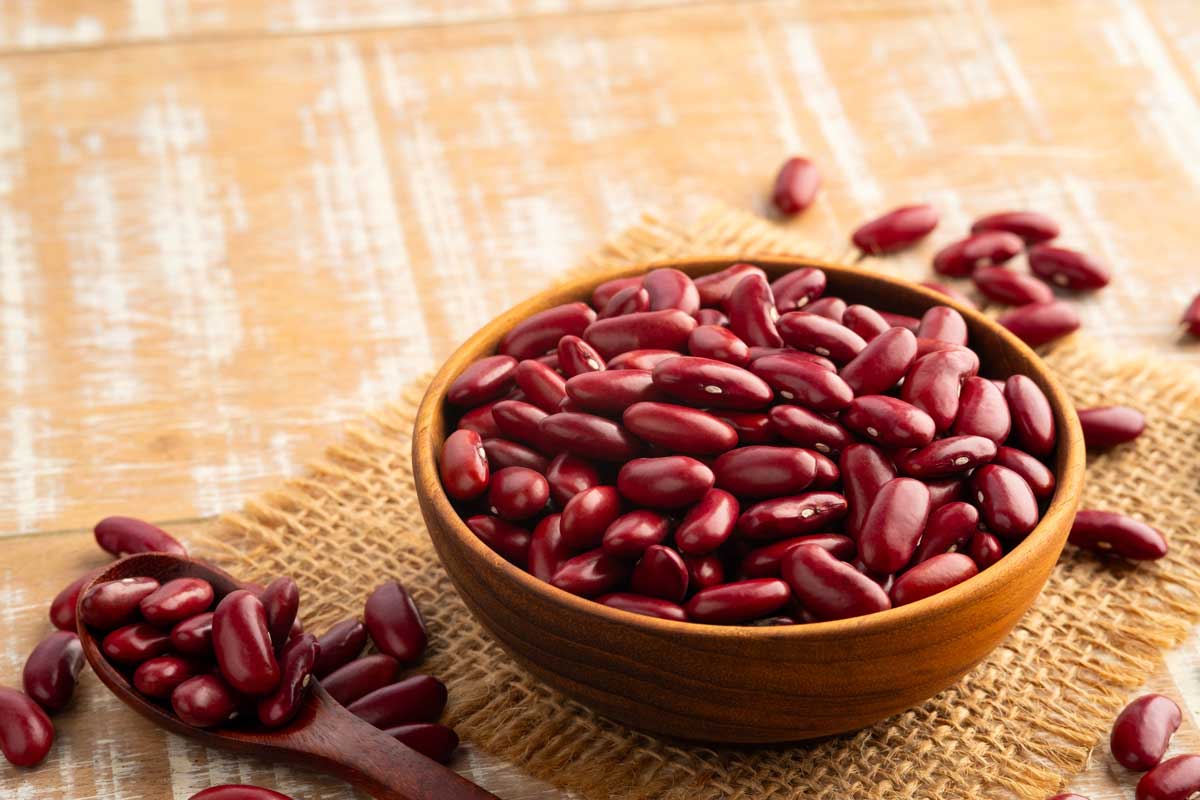
Every Dominican family argues about the details, but the core list barely changes. Exact amounts are in the recipe card below.
Most of these are everyday staples in a Dominican kitchen. Our guide to Dominican pantry ingredients covers what to look for at the colmado.
How to Make Habichuelas con Dulce

The method has two parts: cook the beans until they’re very soft, then turn them into a smooth, spiced cream. Here’s the overview; the full measured recipe is in the card at the bottom.
- Soak the beans. Rinse 1 pound of dried red kidney beans, cover with plenty of water and refrigerate overnight, 8 to 12 hours. Drain and discard the soaking water.
- Cook until very soft. Cover with fresh water, boil hard for at least 30 minutes, then simmer until the beans crush easily, about 1 hour 10 minutes total. Keep them covered with liquid and save the cooking water.
- Blend and strain. Blend the beans with 4 cups of their cooking liquid until completely smooth, then push the puree through a fine-mesh sieve. Straining removes the skins and gives the silky texture.
- Simmer with milk and spices. Return the puree to the pot with the coconut milk, evaporated milk, sugar, salt, cinnamon sticks, cloves, nutmeg and batata cubes. Simmer gently, scraping the bottom often, until the batata is tender, 20 to 25 minutes.
- Finish. Add the raisins for the last 10 minutes. Turn off the heat, stir in the vanilla and butter, and fish out the cinnamon and cloves. Taste and add sugar a spoonful at a time.
- Serve or chill. Serve warm, or cool it and refrigerate at least 4 hours to serve cold. Add the galletas de leche at the table so they stay crisp.
Tips for the Best Habichuelas con Dulce
- Cook the beans longer than you think. They should fall apart when pressed. Undercooked beans leave a grainy cream no blender can fix.
- Don’t skip the sieve. Blending alone leaves bits of skin. Pressing the puree through a strainer is what makes it velvety, and many cooks find the strained version easier to digest.
- Blend hot liquids carefully. Let the beans cool for 10 minutes, fill the blender halfway and vent the lid. An immersion blender lets you puree right in the pot before straining.
- Keep the heat low once the milk goes in. Scrape the bottom with a wooden spoon every few minutes. Bean puree scorches easily, and a burnt layer flavors the whole pot.
- Judge thickness cold, not hot. It should look thinner than you want when it comes off the stove. It thickens a lot in the fridge; loosen it with a splash of milk or water before serving.
- Sweeten at the end. Cold food tastes less sweet, so if you plan to serve it chilled, taste it after it cools and stir in a little more sugar then if needed.
Variations Across the Dominican Republic

| Version | What changes |
|---|---|
| Habas con dulce | Made with fava or butter beans instead of kidney beans, often with grated fresh ginger. Popular in the southwest. |
| Habichuelas blancas con dulce | White or navy beans give a pale, milder cream. |
| Guandules con dulce | Pigeon peas cooked the same way, a tradition in some eastern towns with cocolo (English-speaking Caribbean) heritage. |
| Sin batata | Plenty of families leave out the sweet potato or the raisins, and the dessert is just as traditional. |
| Dairy-free | Replace the evaporated milk with more coconut milk or a plant milk, skip the butter, and serve with dairy-free cookies. |
| Less sugar | Cook it unsweetened and stir in your sweetener of choice once it’s off the heat, adding it gradually to taste. |
| Frozen | Pour chilled habichuelas con dulce into ice-pop molds for a Lent-season paleta. |
If you like the idea of a creamy, spiced, spoonable dessert, compare it with other Latin classics in our guide to Latin American custards and puddings, including Dominican-style majarete and arroz con leche.
How to Serve Habichuelas con Dulce
Hot or cold? Both are correct. Many families eat the first bowl warm straight from the pot and the rest cold from the fridge over the following days. Cold is the more common way to serve it to guests.
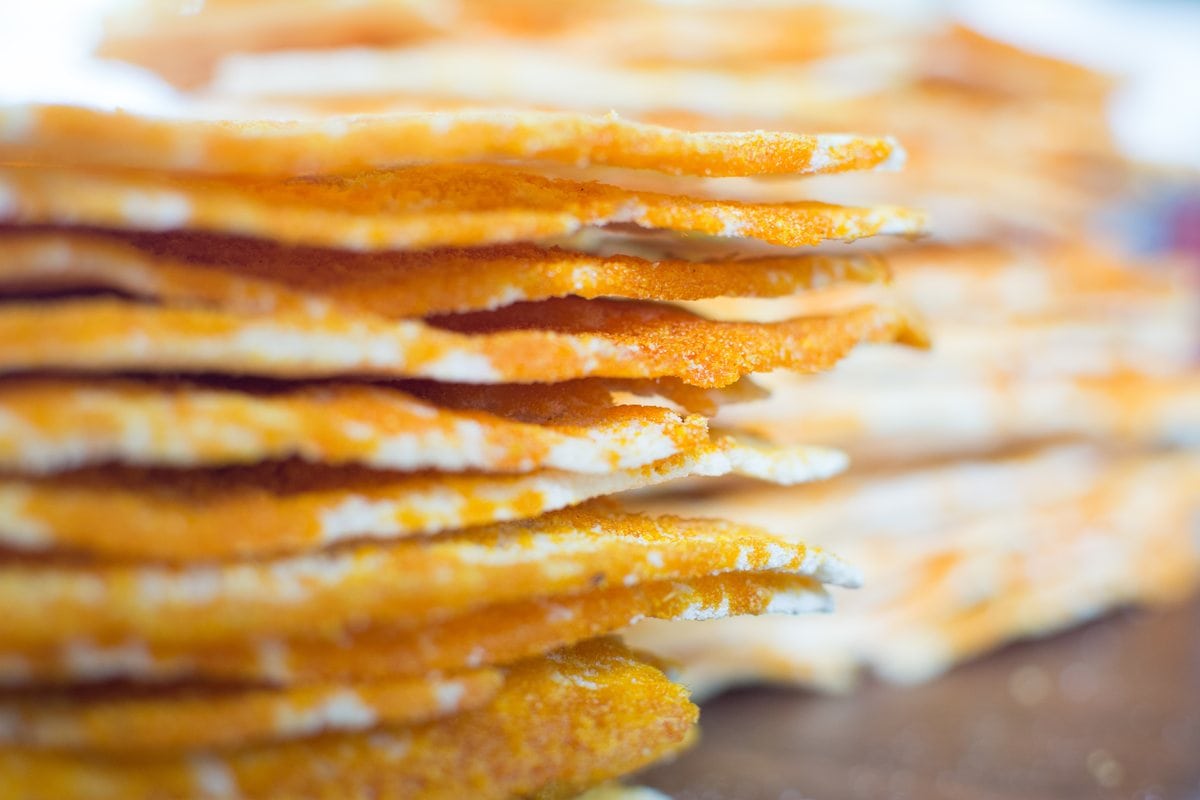
Galletas de leche are non-negotiable for most Dominicans. Drop a few on top of each bowl right before it’s eaten. They soften slowly at the edges while the centers stay crisp.
Casabe is the regional extra. Spread a thin round of cassava bread with butter and toast it in the oven until golden, then break it into pieces for dipping. Its salty crunch balances the sweet cream.
Serve it in small cups or bowls, a cup or less per person. It’s rich, and in Lent it’s usually one of several bowls people get from neighbors that day.
How to Store, Freeze and Reheat It
- Refrigerator: cool it within 2 hours of cooking, divide into shallow covered containers and refrigerate for up to 3 days. Because it’s made with milk, it can start to sour after that. If it smells tangy or bubbles, throw it out.
- Freezer: freeze in airtight containers, leaving room for expansion, for up to 2 months. Thaw overnight in the refrigerator and stir well, since it can separate a little.
- Reheating: warm it in a saucepan over low heat, stirring constantly and adding milk or water until it’s pourable again. Add the cookies after reheating, never before storing.
Habichuelas con Dulce en Español: Cómo Hacerlas
Ingredientes para habichuelas con dulce dominicanas (12 porciones): 1 libra de habichuelas rojas secas (o 3 latas), 1 lata de leche de coco, 2 latas de leche evaporada, 1 libra de batata en cubitos, 1 taza de azúcar, 3 palitos de canela, 6 clavos dulces, una pizca de nuez moscada, ½ cucharadita de sal, ½ taza de pasas, 1 cucharadita de vainilla, 1 cucharada de mantequilla y galletas de leche para servir.
Cómo hacer habichuelas con dulce: remoja las habichuelas toda la noche y hiérvelas en agua nueva hasta que estén bien blandas. Lícualas con 4 tazas del agua en que hirvieron y cuélalas. Cocina el puré a fuego bajo con la leche de coco, la leche evaporada, el azúcar, la sal, las especias y la batata, moviendo seguido, hasta que la batata esté blanda (20 a 25 minutos). Agrega las pasas, cocina 10 minutos más y apaga el fuego. Añade la vainilla y la mantequilla, retira la canela y los clavos, y sirve caliente o bien fría con galletitas de leche.
Habichuelas con Dulce FAQ
What is habichuelas con dulce in English?
It’s usually called Dominican sweet beans or sweet cream of beans. The literal translation is “beans with sweet.” It’s a creamy dessert of blended red beans, coconut milk, evaporated milk, sugar and spices.
Is habichuelas con dulce served hot or cold?
Either. Most Dominicans prefer it cold, after several hours in the fridge, but it’s also eaten warm the day it’s made. It thickens as it chills.
Can I make habichuelas con dulce with canned beans?
Yes. Drain and rinse three 15.5-ounce cans of red kidney beans, blend them with 4 cups of water and strain. That skips the overnight soak and the bean cooking, so the dessert is ready in about 55 minutes.
Why is it eaten during Lent?
Because it’s meatless, made from inexpensive pantry staples, and easy to cook in big batches to share. Over generations it became the dish Dominican families prepare and exchange with neighbors during Cuaresma and Holy Week, especially on Good Friday.
Why do you strain habichuelas con dulce?
Straining removes the bean skins and any unblended bits. It’s what gives the dessert its smooth, silky texture, and many people find it easier on the stomach.
Why did my habichuelas con dulce get so thick?
The starch in the beans and sweet potato sets as it cools. That’s normal. Stir in a little milk or water until it’s pourable again.
Is it the same as Puerto Rican habichuelas?
No. In Puerto Rico and the Dominican Republic, everyday habichuelas are savory stewed beans eaten with rice, like the beans in la bandera dominicana. Habichuelas con dulce is a separate, sweet Dominican dessert.
Where can I buy habichuelas con dulce?
During Lent, Dominican bakeries, bodegas and restaurants in the Dominican Republic and in Dominican neighborhoods in the U.S. sell it by the cup or quart. Outside the season it’s hard to find, which is why most people make their own.
For more of the island’s sweets, browse our Dominican dessert recipes or start at the Dominican food hub.
Habichuelas con Dulce (Dominican Sweet Beans)
Habichuelas con dulce is the Dominican sweet cream of beans made every Lent: red kidney beans blended smooth and simmered with coconut milk, evaporated milk, batata, cinnamon, cloves and raisins, served warm or cold with milk cookies on top.
Ingredients
- 1 pound dried red kidney beans (habichuelas rojas), or three 15.5-ounce cans, drained and rinsed
- 8 cups water for cooking the beans, plus more for soaking
- 1 can (13.5 ounces) coconut milk
- 2 cans (12 ounces each) evaporated milk
- 1 pound batata or sweet potato, peeled and cut into 1/2-inch cubes (about 2 1/2 cups)
- 1 cup granulated sugar, plus more to taste
- 1/2 teaspoon salt
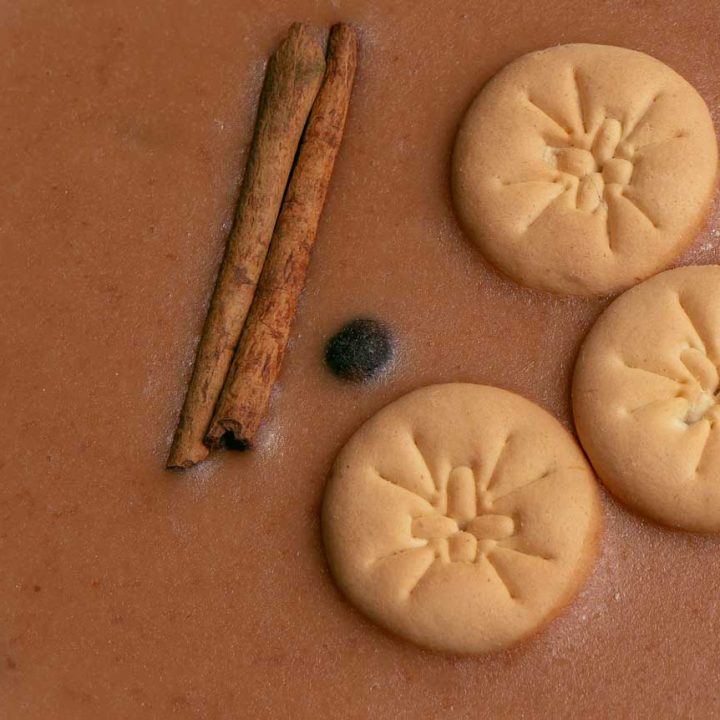
- 3 cinnamon sticks
- 6 whole cloves
- 1/4 teaspoon freshly grated nutmeg
- 1/2 cup raisins
- 1 teaspoon vanilla extract
- 1 tablespoon butter
- Galletas de leche (milk cookies), for serving
- Casabe, toasted with butter, for serving (optional)
Instructions
- Rinse the dried beans, cover with plenty of water and soak in the refrigerator for 8 to 12 hours. Drain and discard the soaking water. (Using canned beans: skip to step 3.)
- Put the beans in a large heavy pot with 8 cups of fresh water. Bring to a boil and boil hard for at least 30 minutes, then lower the heat and simmer until the beans are very soft and crush easily, about 1 hour 10 minutes total. Add water as needed to keep them covered.
- Let the beans cool for 10 minutes. Blend them in batches with 4 cups of the cooking liquid (top up with water if needed) until completely smooth, filling the blender no more than halfway and venting the lid. Pour the puree through a fine-mesh sieve back into the clean pot, pressing the solids; discard the skins.
- Add the coconut milk, evaporated milk, sugar, salt, cinnamon sticks, cloves, nutmeg and batata. Bring to a gentle simmer over medium-low heat and cook, scraping the bottom of the pot often, until the batata is tender, 20 to 25 minutes.
- Add the raisins and simmer 10 minutes more. Remove from the heat and stir in the vanilla and butter. Remove the cinnamon sticks and cloves. Taste and add more sugar, 1 tablespoon at a time, if needed. It should be pourable, like a cream soup; it thickens as it cools.
- Serve warm, or cool, transfer to shallow containers and refrigerate at least 4 hours to serve cold. Loosen with a splash of milk or water if it gets too thick. Top each bowl with galletas de leche just before serving, with toasted buttered casabe on the side if you like.
Notes
Canned beans: use three 15.5-ounce cans of red kidney beans, drained and rinsed, blended with 4 cups of water. Skip steps 1 and 2; the recipe then takes about 55 minutes.
Bean safety: dried red kidney beans must be soaked and boiled hard for at least 30 minutes before they are safe to eat. Do not cook dried kidney beans from raw in a slow cooker.
Sweetness: cold desserts taste less sweet. If serving chilled, taste again once cold. You can replace some of the sugar with sweetened condensed milk.
Dairy-free: replace the evaporated milk with more coconut milk or a plant milk, skip the butter and use dairy-free cookies.
Storage: refrigerate in covered shallow containers for up to 3 days, or freeze up to 2 months and thaw in the refrigerator. Reheat gently over low heat, stirring and adding liquid as needed.
More Dominican Foods
See all →
Jorge Garcia is the founder of AmigoFoods, where he has spent over 20 years helping readers discover authentic Latin American and Spanish cuisine. Raised in a Cuban-American household, Jorge learned to cook at the hands of his mother and grandmother, carrying forward generations of family recipes. That heritage, backed by his family’s four-generation history in the Latin food industry, inspired him to launch AmigoFoods in 2003. With more than 1,000 published articles on recipes, ingredients, and food culture, Jorge’s mission is simple: make authentic Latin cooking approachable for home cooks everywhere while honoring the traditions behind every dish.