
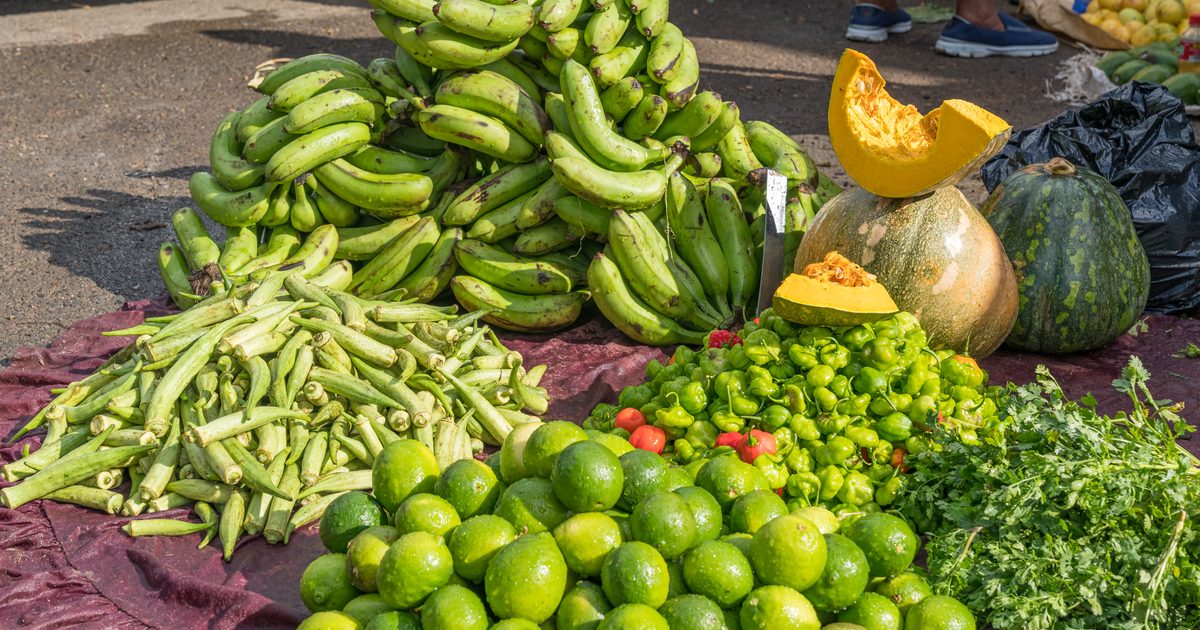
Dominican food isn’t built on heat or on long spice lists. It’s built on a handful of things used every single day: rice and red beans at lunch, green plantains at breakfast, and a green, garlicky sazón that goes into the pot before almost anything else.
Most of it comes from the colmado, the corner store that will sell you a single onion, a slice of salami or a cold Presidente. None of it is expensive. Learn these sixteen and you can cook la bandera, a proper sancocho and a breakfast of mangú that would pass inspection in Santiago.
Here is the Dominican pantry, group by group, and what each thing is doing.
Dominican Ingredients at a Glance
| Ingredient | What it is | Where it shows up |
|---|---|---|
| Sazón | Blended garlic, peppers, herbs and something sour | Seasoning meat, the start of every guiso |
| Orégano dominicano | Strong dried oregano | Beans, stews, marinades, sancocho |
| Ají cubanela & ají gustoso | Two mild peppers | Sazón, guisos, rice |
| Naranja agria & limón | Sour orange and lime | Marinades, fish, salads, drinks |
| Arroz | Long-grain white rice | Lunch every day, with concón at the bottom |
| Habichuelas | Red kidney beans, mostly | Habichuelas guisadas, habichuelas con dulce |
| Guandules | Pigeon peas | Moro de guandules, Christmas |
| Plátanos | Green and ripe plantains | Mangú, tostones, maduros |
| Yuca & casabe | Cassava and cassava bread | Boiled víveres, casabe, catibías |
| Auyama | West Indian pumpkin | Beans, sancocho, crema de auyama |
| Salami dominicano | Cooked, smoked sausage | Fried for breakfast, los tres golpes |
| Queso de freír | Frying cheese that won’t melt | Queso frito, breakfast |
| Bacalao & arenque | Salt cod and smoked herring | Guisados with víveres, Semana Santa |
| Coco | Coconut and coconut milk | Moros, fish in Samaná, sweets |
| Cacao | Organic cacao beans | Hot chocolate, export |
| Café | Mountain-grown coffee | A greca on the stove, all day |
The Sazón: Green, Garlicky and Sour
1. Sazón Dominicano
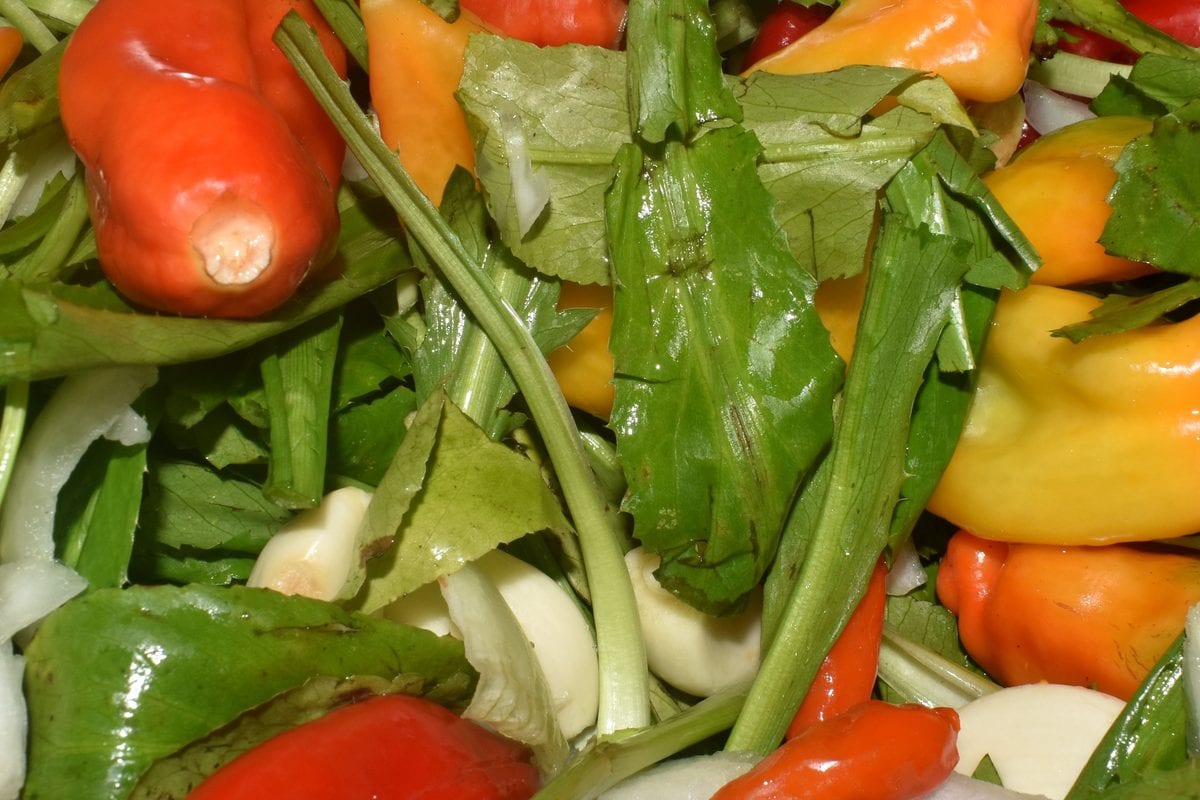
In a Dominican kitchen, sazón usually means something homemade, not a packet. Garlic, onion, ají cubanela, ají gustoso, cilantro or culantro and dried oregano go into the blender with salt and a splash of vinegar or sour orange. The paste lives in a jar in the fridge. Don’t confuse it with the orange sazón packets sold in the U.S.; our adobo vs. sazón guide explains the difference.
It does two jobs. Meat gets rubbed with it hours before cooking, which is what Dominicans mean by sazonar la carne. And a spoonful goes into the hot oil at the start of almost every guiso: beans, stewed chicken, carne guisada.
It’s a close cousin of Puerto Rican sofrito. The Dominican version usually leans harder on oregano and on something sour. Packets and bouillon cubes (sopita) are in every colmado too, and plenty of cooks use both.
2. Orégano Dominicano
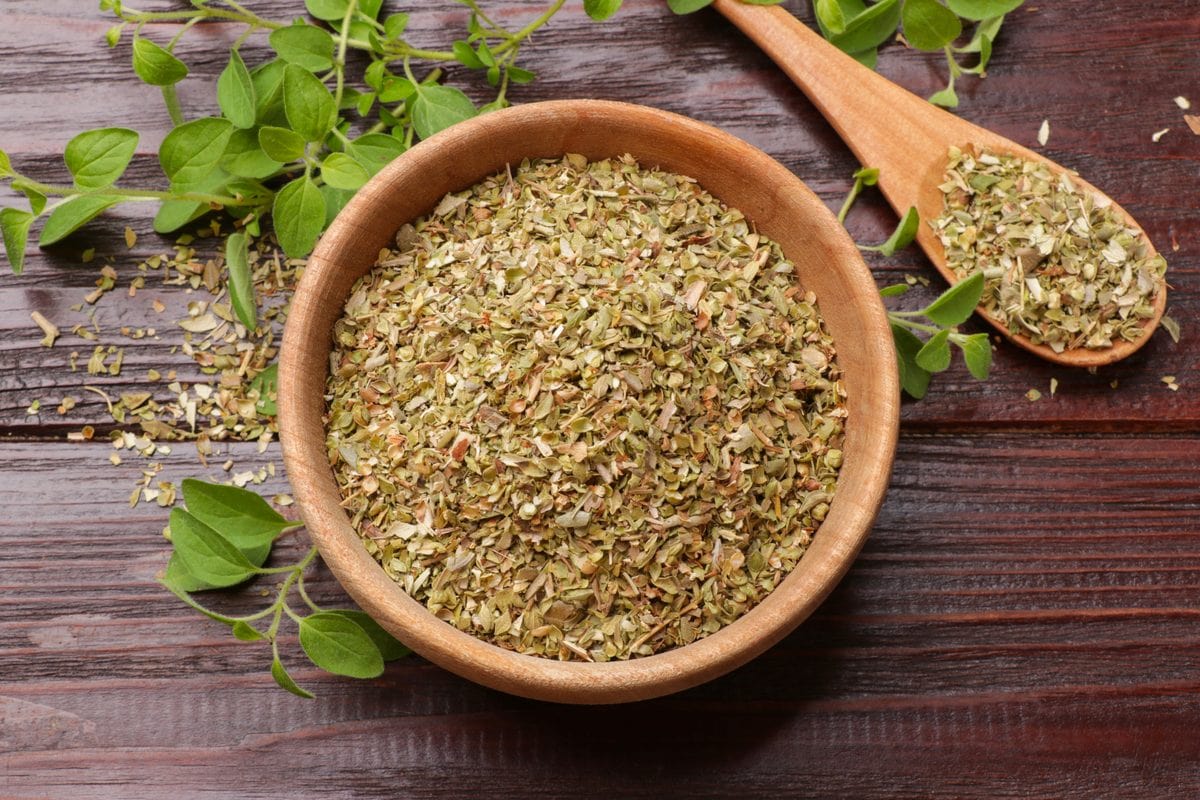
If one dried herb defines Dominican food, it’s oregano. The local kind, sold as orégano dominicano, is stronger and more pungent than the Mediterranean oregano on most American spice racks.
Cooks crush it between their palms right over the pot. It goes into red beans, sancocho, stewed meats, salami guisado and nearly every marinade.
If you can’t find it, Mexican oregano is the closer substitute. Greek oregano works, but use a little more.
3. Ají Cubanela and Ají Gustoso
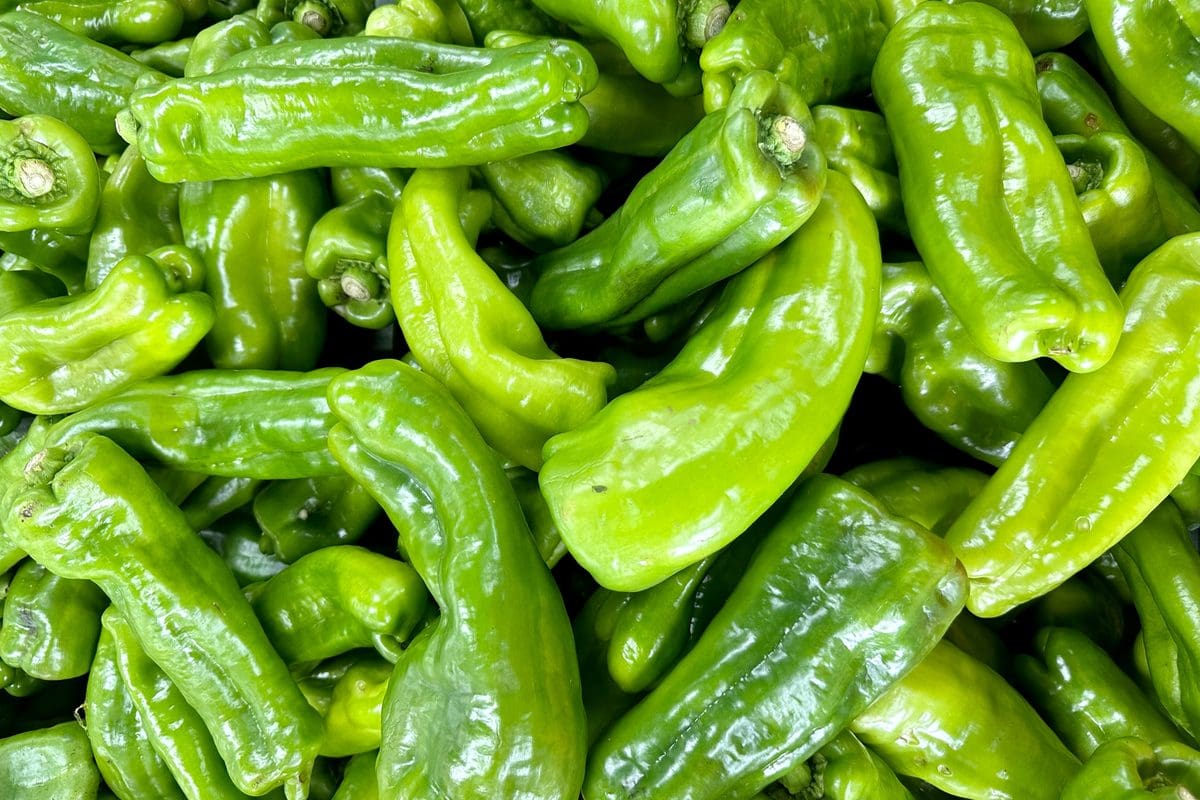
Two peppers carry Dominican cooking, and neither is hot.
Ají cubanela is the long, light-green frying pepper with thin walls and a mild, slightly sweet flavor. It gets diced into sazón, stews and rice.
Ají gustoso is smaller and shaped like a little lantern. It’s the same species as the habanero, Capsicum chinense, and it smells like one, but it has almost no heat. That aroma is the point. Outside the Caribbean it’s usually sold as ají dulce.
Heat, when Dominicans want it, comes on the side from a bottle of hot sauce, not from the pot.
4. Naranja Agria and Limón
Sour orange (naranja agria) is the marinade. Pork shoulder for Christmas, chicken for the week and chicharrón all get a long soak in it with garlic and oregano.
Limes (limón in the Dominican Republic means a lime) are for finishing. They get squeezed over fried fish, avocado and salad, and into the juice and drinks that come with lunch.
No sour orange? Mix two parts orange juice with one part lime juice. It’s close enough for a marinade.
Rice and Beans: The Everyday Plate
5. Arroz

Long-grain white rice is eaten at lunch almost every day, and much of it is grown at home in the rice fields of the Cibao. It’s cooked in a heavy caldero with oil and salt until the grains are separate and dry.
What’s left stuck to the bottom of the pot is the concón: a golden, crunchy crust that people fight over. A good concón is a sign of a good cook. Nobody throws it away.
Rice with red beans and stewed meat is la bandera, the national lunch. Rice cooked together with beans or peas is a moro. Rice cooked with meat, the Dominican descendant of paella, is a locrio.
6. Habichuelas
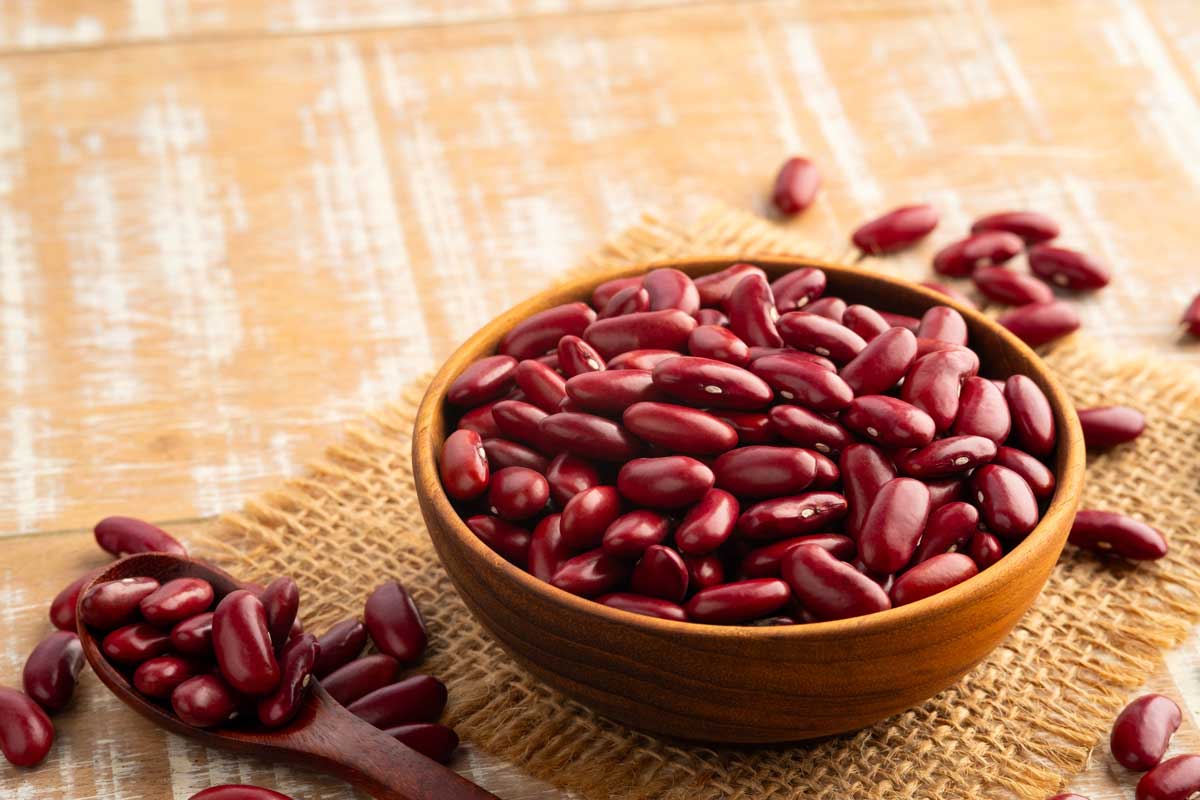
Dominicans call beans habichuelas, and when they don’t say which kind, they mean red kidney beans. Pinto, black and white beans all turn up, but red is the everyday one.
Habichuelas guisadas start with sazón in hot oil, then tomato paste, oregano and cubes of auyama. The squash breaks down and thickens the broth. The pot goes over white rice.
The same beans also make a dessert. Habichuelas con dulce simmers them with coconut milk, evaporated milk, sweet potato and warm spices. Families make it during Lent and share it at Easter.
7. Guandules

Pigeon peas are the December bean. When the fresh green ones come into season, every Christmas table gets a pot of moro de guandules, often cooked with coconut milk.
Canned and frozen guandules work fine the rest of the year. They also turn up stewed on their own, and in Dominican soups and stews. More ideas are in our Dominican Christmas food guide.
The Víveres
Dominicans have one word for the starchy plantains and roots that sit next to the rice: víveres. Boiled víveres with onions and a fried egg or salami is breakfast, lunch or dinner, depending on the day.
8. Plátanos

No ingredient is more Dominican than the plantain. Green ones are boiled and mashed with butter or oil and some of the cooking water into mangú, topped with red onions softened in vinegar.
Served with fried salami, fried cheese and fried eggs, that plate is mangú con los tres golpes, the classic Dominican breakfast.
Green plantains also become tostones. Ripe, black-skinned ones are fried sweet as maduros. Our guide to tostones vs. maduros explains why the ripeness changes everything.
9. Yuca and Casabe

Yuca is boiled soft and served with onions as one of the víveres, fried, or grated into dough for catibías, the Dominican yuca turnovers.
Its oldest use is casabe, a flat, crisp bread the Taíno made long before Columbus arrived. Grated bitter yuca is pressed dry and baked into large rounds on a griddle. Monción, in Santiago Rodríguez province, is known as the country’s casabe capital.
Casabe keeps for weeks. Dominicans eat it with sancocho, with avocado or brushed with garlic butter and toasted.
10. Auyama
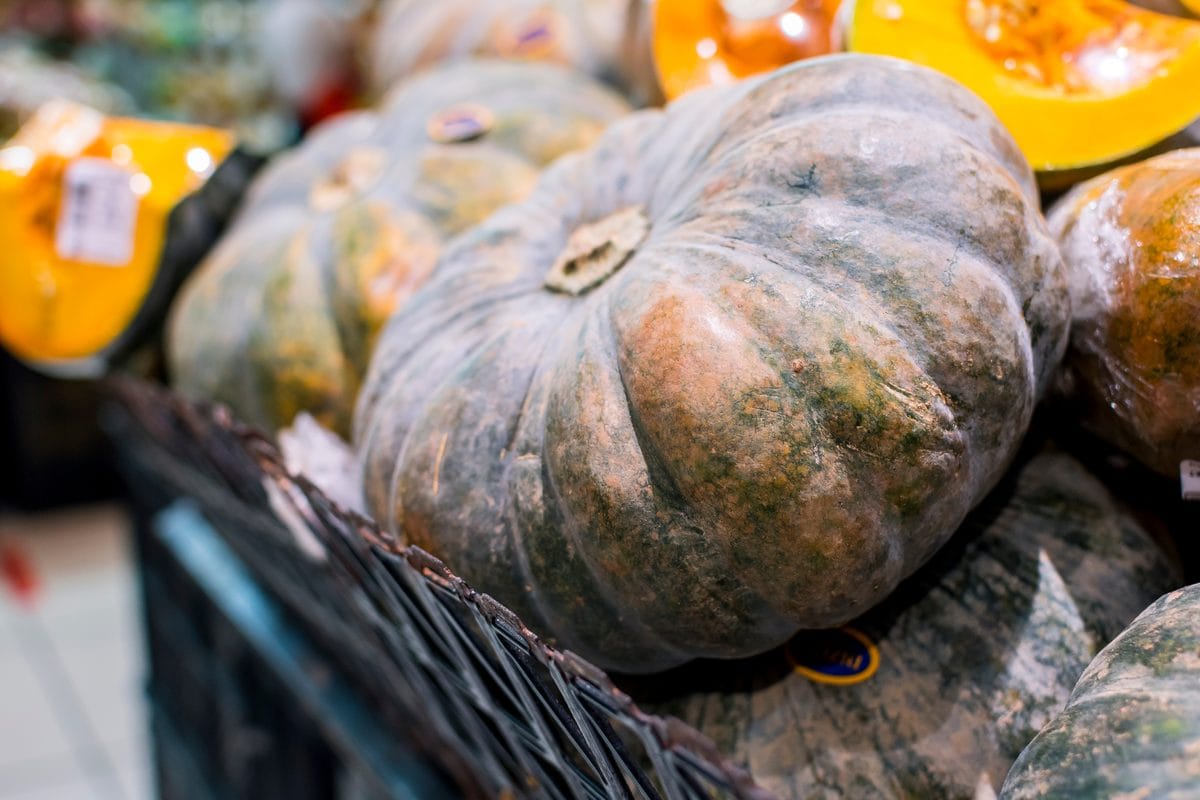
Auyama is the West Indian pumpkin: green, mottled skin and dense, bright orange flesh. It’s sold by the wedge at the market.
You’ll rarely see it as the star, but it’s everywhere. It thickens habichuelas guisadas, dissolves into sancocho and becomes crema de auyama, a smooth pumpkin soup. Butternut squash is the easiest substitute.
For the other roots in the mix, from yautía to batata, see our guide to Latin American roots and tubers.
From the Colmado
11. Salami Dominicano

Forget Italian salami. Dominican salami is a cooked, smoked sausage made from pork and beef, sold in thick logs. Induveca is the brand you’ll see most often.
It’s technically ready to eat, but almost nobody eats it cold. It gets sliced thick and fried until the edges curl and blister. That’s one of the three “hits” in los tres golpes.
It also gets stewed in tomato sauce as salami guisado, and chopped into rice and spaghetti. Dominicans also call it salchichón; our salchichón guide compares it with the Spanish cured kind and has a recipe for frying it.
12. Queso de Freír

Queso de freír, “frying cheese,” is a firm, salty white cheese made to go into a hot pan. It softens and browns on the outside, but it doesn’t melt into a puddle.
Fried golden, it’s queso frito, the second hit in los tres golpes and a regular with mangú. Latin groceries sell it under the same name. Halloumi is the closest stand-in.
13. Bacalao and Arenque
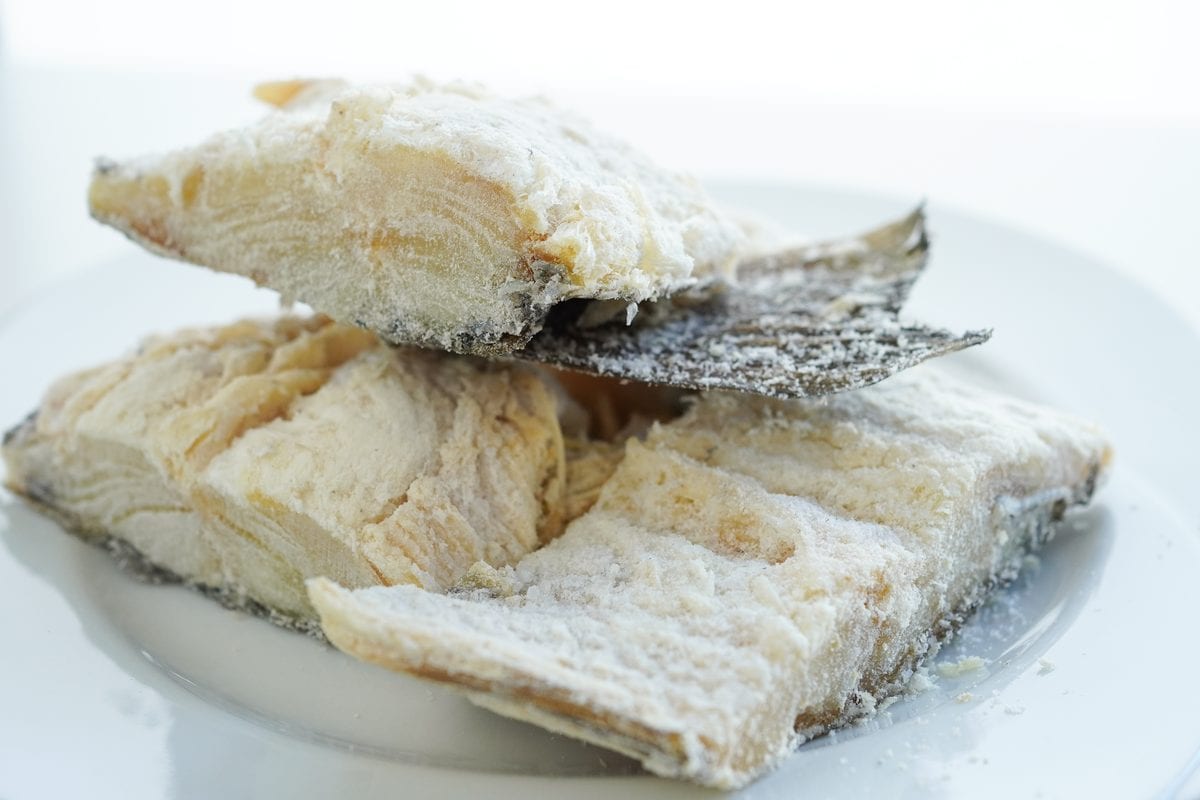
Two preserved fish have fed the island for centuries: salt cod (bacalao) and smoked herring (arenque). Both keep without refrigeration, and both need soaking in several changes of water to pull out the salt.
Bacalao guisado, stewed with tomato, peppers and onion, is a Semana Santa staple and a common breakfast with boiled víveres. Arenque gets the same treatment, or it’s scrambled with eggs, or cooked into rice as locrio de arenque.
Keep the fish refrigerated while it soaks.
Sweet, Warm and Tropical
14. Coco

Coconut is the flavor of the coast, above all on the Samaná peninsula, where fish is simmered in coconut sauce as pescado con coco. Across the country, coconut milk goes into moros, into guandules at Christmas and into habichuelas con dulce.
It’s also the base for a long list of Dominican desserts, from coconut sweets to arroz con coco. And on a hot day, fresh agua de coco is sold straight from the shell.
15. Cacao
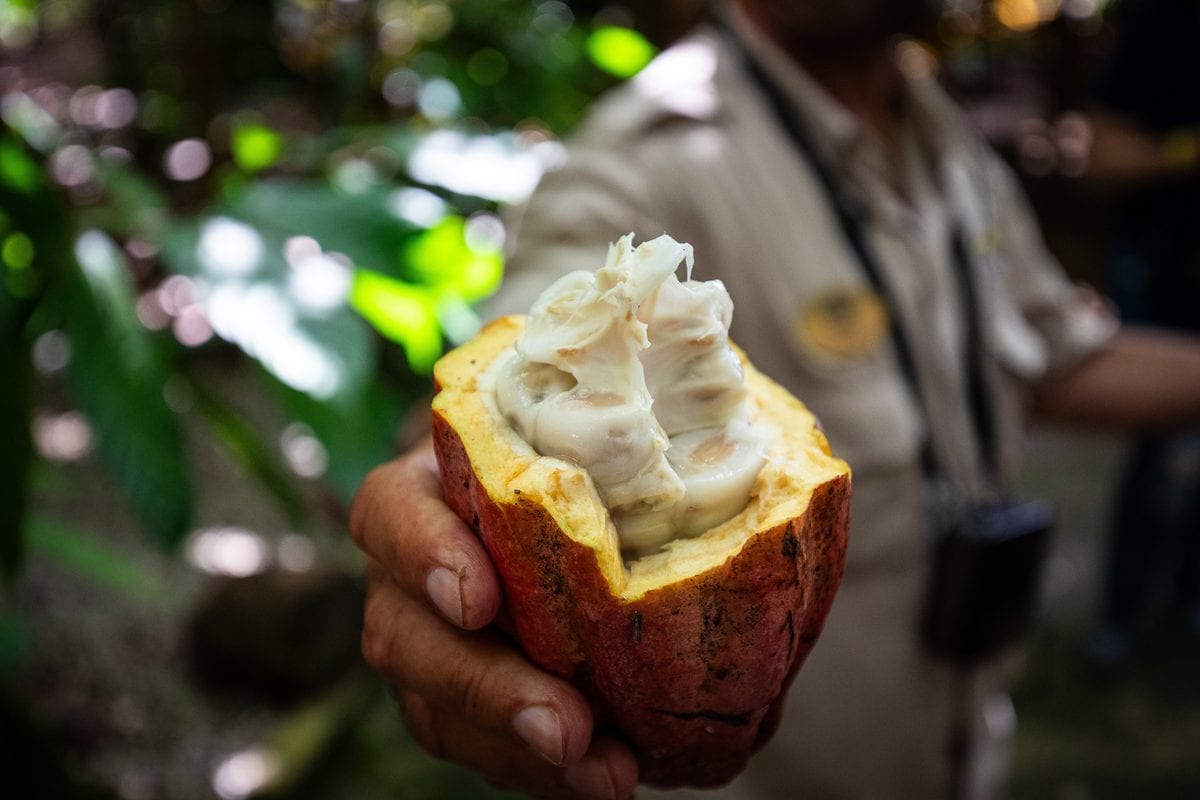
The Dominican Republic is the world’s largest exporter of certified organic cacao. It’s the main livelihood for about 40,000 small farming families, and Duarte province, around San Francisco de Macorís, calls itself the country’s cacao capital.
At home, cacao is a drink. Bars of pure chocolate are melted into milk with cinnamon and a pinch of salt for chocolate caliente, served at breakfast or on a rainy night with bread or casabe.
16. Café

Coffee grows in the Dominican mountains, from Jarabacoa and the Cibao highlands to Barahona in the southwest. At home it’s brewed in a greca, the stovetop moka pot, then sweetened well and served in small cups throughout the day.
Café Santo Domingo is the brand in most Dominican kitchens. Our guide to making Dominican coffee covers the method, and Dominican drinks covers everything else in the glass.
Where to Buy Dominican Ingredients
In a Latin grocery, most of this list is easy: plantains, yuca, auyama, cubanela peppers, red beans, guandules and queso de freír. Dominican salami and dried oregano usually sit in their own section.
Online, start with orégano dominicano, Induveca salami and Café Santo Domingo. You can also browse our Dominican pantry picks on Amazon.
Fresh ají gustoso is the hardest item to find outside the Caribbean. Look for it as ají dulce, or use a mix of cubanela and a little red bell pepper.
Frequently Asked Questions
What is the most important ingredient in Dominican cooking?
Sazón, the homemade blend of garlic, peppers, herbs, oregano and something sour. It seasons the meat and starts the beans, and most savory Dominican dishes begin with it.
Is Dominican food spicy?
Usually not. The peppers in the pot, cubanela and ají gustoso, are mild. Hot sauce is served on the side for anyone who wants it.
What can I use instead of Dominican oregano?
Mexican oregano is the closest match. Mediterranean oregano works too, but it’s milder, so use a little more.
What is concón?
The crisp, golden layer of rice that forms on the bottom of the caldero. It’s scraped off and eaten on its own, and many Dominicans think it’s the best part of the pot.
What are víveres?
The Dominican name for starchy boiled sides: green plantains, yuca, yautía, batata and similar roots. They’re usually served with onions and salami, eggs or bacalao.
Is Dominican salami the same as Italian salami?
No. Dominican salami is a cooked, smoked sausage of pork and beef, and it’s almost always fried before eating. Italian salami is dry-cured and eaten sliced cold.
What Else Is Always There
A few more things live in every Dominican kitchen. There’s tomato paste for the guisos, white vinegar for the onions on the mangú, and avocado on the side of almost every lunch. Mamajuana sits on the counter and a Presidente is in the fridge.
Once your pantry is stocked, cook your way through our 42 Dominican dishes, the Dominican side dishes and Dominican breakfast foods. You can also browse the Dominican ingredients hub or everything we’ve written about Dominican food. To compare pantries, see our guides to Puerto Rican ingredients and Cuban ingredients, or explore ingredients by country.
More Dominican Foods
See all →
Jorge Garcia is the founder of AmigoFoods, where he has spent over 20 years helping readers discover authentic Latin American and Spanish cuisine. Raised in a Cuban-American household, Jorge learned to cook at the hands of his mother and grandmother, carrying forward generations of family recipes. That heritage, backed by his family’s four-generation history in the Latin food industry, inspired him to launch AmigoFoods in 2003. With more than 1,000 published articles on recipes, ingredients, and food culture, Jorge’s mission is simple: make authentic Latin cooking approachable for home cooks everywhere while honoring the traditions behind every dish.