
Auyama is the Dominican name for the West Indian pumpkin, or calabaza: a big winter squash with a green, often mottled rind and bright orange flesh. It is sold in wedges at Latin and Caribbean markets, and in the Dominican Republic it goes into beans, mashes and the smooth, comforting soup called crema de auyama. Below is what auyama is and what it is called in other countries, how to choose, store and cut it, what to use instead, how Dominicans cook it, and a full crema de auyama recipe that serves 6 in about 40 minutes.
Crema de Auyama at a Glance
The short version: Cook a chopped onion and 2 garlic cloves in 2 tablespoons butter until translucent. Add 2 pounds cubed auyama, salt and pepper, then 4 cups broth. Cover and simmer about 20 minutes, until fork-tender. Let it cool a few minutes, blend with 1 cup evaporated milk until very smooth, then reheat gently without boiling and serve with parsley or cilantro.
AmigoFoods may earn a commission from qualifying Amazon purchases made through links on this page.
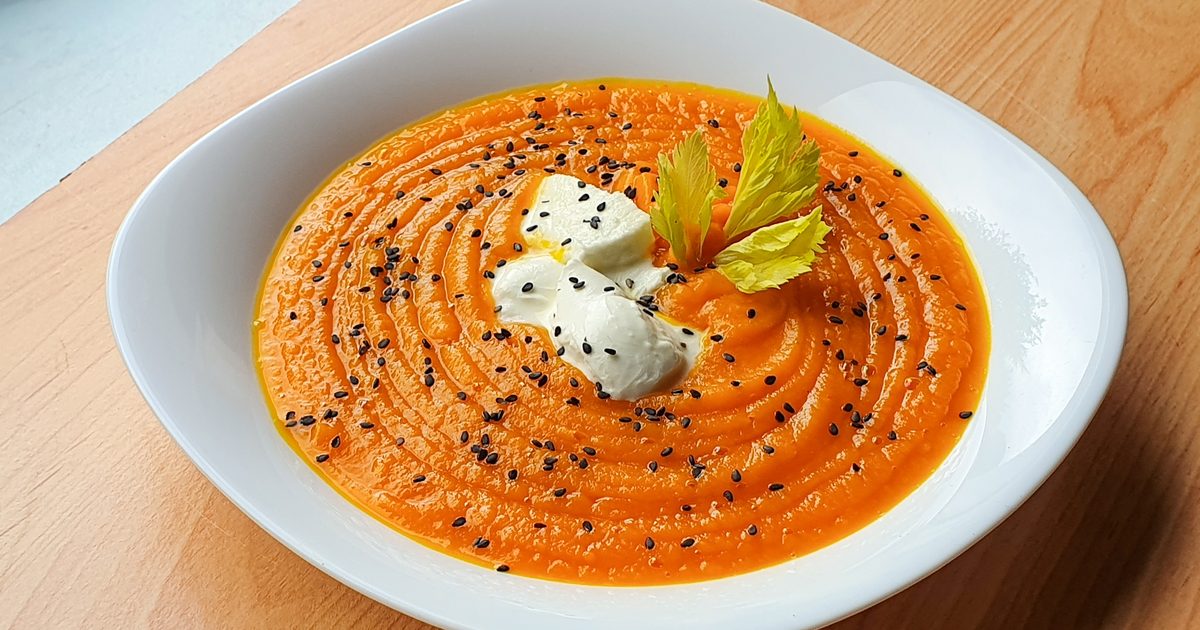
What is auyama?
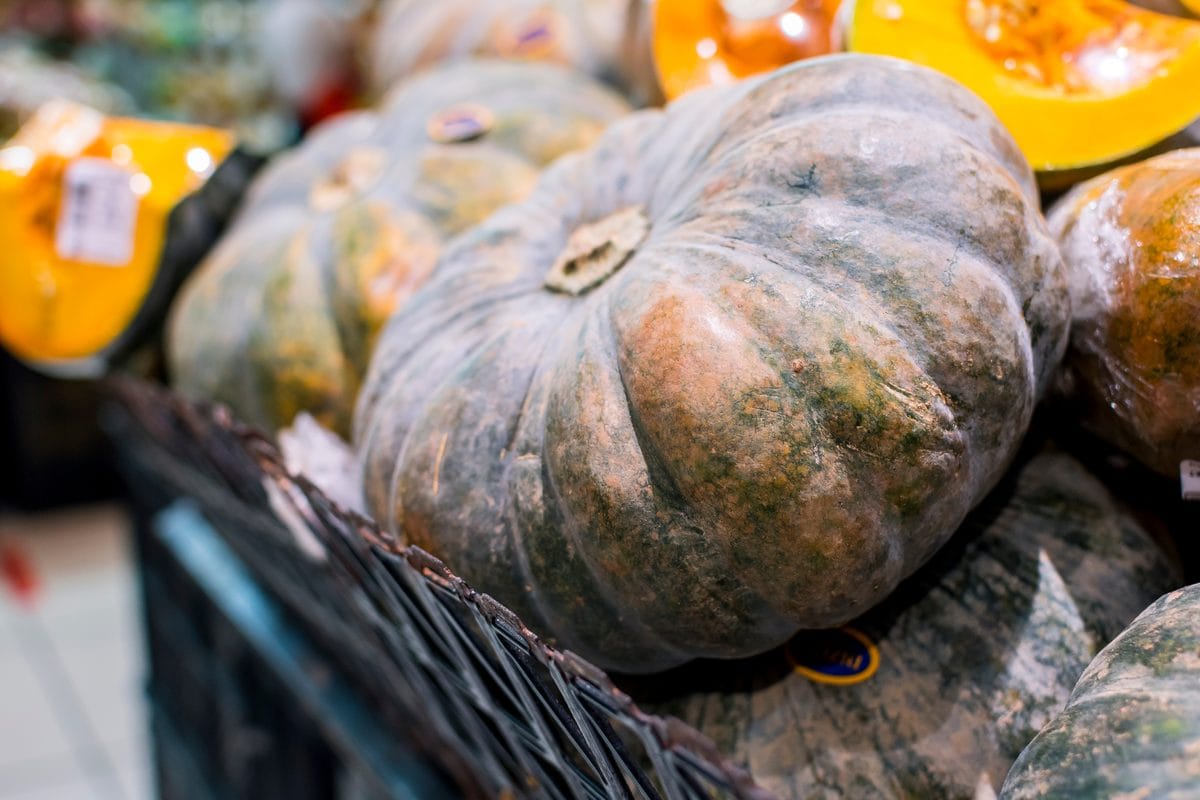
Auyama is a tropical winter squash, the same vegetable sold in the United States as calabaza or West Indian pumpkin. It is usually classed as Cucurbita moschata, the species butternut squash belongs to. The rind is hard and green, tan or mottled, and the flesh inside is bright orange to yellow. Whole squash are large, from about 5 to 50 pounds, so Latin markets usually sell auyama cut into wedges or chunks.
The name is used loosely. Dominican Cooking notes that several types of pumpkin and squash are sold as auyama in the Dominican Republic, including kabocha (Cucurbita maxima), and the Dominican newspaper Hoy lists auyama as C. maxima. In practice, any dense, orange-fleshed winter squash at a Latin market labeled auyama or calabaza will work in the recipes below. For the rest of the Dominican pantry, see our guide to Dominican ingredients.
Auyama, calabaza, ayote, zapallo: one squash, many names
The same squash has a different name almost everywhere it is grown. If a recipe calls for any of these, it means the same kind of squash.
| Name | Where it is used |
|---|---|
| Auyama (also ahuyama) | Dominican Republic, Venezuela, Colombia |
| Calabaza | Puerto Rico, Cuba and US supermarkets |
| Ayote | Central America |
| Zapallo | Panama and much of South America |
| West Indian pumpkin | The usual English name |
You will see the zapallo name in our Peruvian locro de zapallo, and the calabaza name in Mexican calabaza en tacha and dulce de calabaza.
What does auyama taste like?
Auyama tastes sweet and mild, close to butternut squash, which is why the two swap so easily. Cooked, the flesh turns soft and creamy, so it blends into a smooth soup and mashes well. It is also a good source of vitamin A, from its beta-carotene, and of vitamin C.
How to choose auyama
- Whole: pick one that feels heavy for its size, with a hard rind and no cracks, bruises or soft spots. The stem should be attached and dry.
- Cut wedges: look for bright, deep orange flesh with no soft or dark spots.
How to store auyama
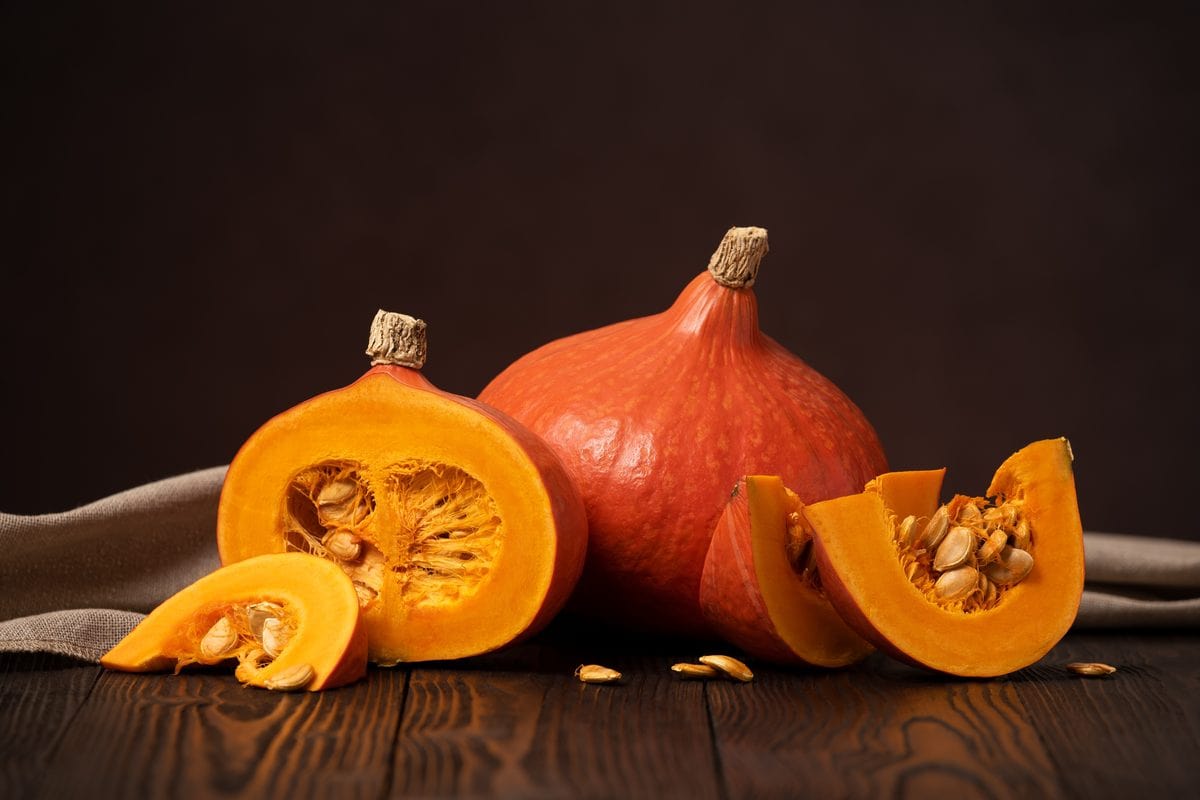
A whole, uncut auyama keeps from about 6 weeks to 3 months in a cool, dry place; the cooler the spot (around 50 to 59°F), the longer it lasts. Once it is cut, wrap the piece tightly or put it in a closed container, refrigerate it and use it within about a week.
How to cut and peel auyama
The rind is hard, so use your largest, sharpest knife.
- Cut the wedge or squash into manageable pieces.
- Scoop out the seeds and the stringy fibers with a spoon.
- Cut away the rind.
- Cut the flesh into small, even pieces.

Auyama substitutes
If you can’t find auyama, use kabocha or butternut squash. Both have sweet, orange flesh, and Dominican Cooking recommends kabocha as its auyama substitute.
How Dominicans cook auyama
- Crema de auyama: the creamy pumpkin soup in the recipe below. For more, see our Dominican soups and stews.
- Mazamorra (puré de auyama): boiled auyama mashed and topped with sautéed onions.
- Habichuelas guisadas: some cooks add a handful of auyama cubes to their stewed beans. The beans are part of la bandera, the Dominican lunch plate.
For more ideas, browse our list of Dominican food dishes.
How to make crema de auyama
The method is simple: soften onion and garlic, simmer the auyama in broth until tender, blend it with evaporated milk and warm it through. You need these ingredients:
- Auyama: 2 pounds, weighed after peeling and seeding. Kabocha or butternut work too.
- Aromatics: 1 large onion and 2 garlic cloves, cooked in 2 tablespoons butter or olive oil.
- Broth: 4 cups vegetable or chicken broth. Low-sodium broth lets you salt it to taste at the end.
- Evaporated milk: 1 cup, which most of the Dominican recipes we checked use. It makes the soup creamy.
- Seasoning: salt and black pepper, plus chopped parsley or cilantro to serve.

- RICH AND CREAMY Nestlé Carnation Evaporated Milk is the cooking milk with added vitamin D. This can...
- VERSATILE USES Use our Carnation milk in a variety of recipes. From mashed potatoes to flan, pies...

1. Sauté the aromatics
Melt 2 tablespoons butter (or heat olive oil) in a large pot over medium heat. Add 1 large chopped onion and 2 minced garlic cloves and cook, stirring, until the onion is translucent.
2. Simmer the auyama
Add 2 pounds peeled, seeded auyama cut into small, even pieces, 1 teaspoon salt and black pepper to taste, and stir. Pour in 4 cups broth. Bring to a boil, then cover, lower the heat and simmer about 20 minutes, until the auyama is fork-tender.

- Quality Enameled Dutch Oven: The Lodge Essential Enamel Cast Iron Dutch Oven gives you all the...
- Simmer in Style: This colorful enamel pot comes in a variety of colors to add a pop of interest to...
3. Cool and blend
Take the pot off the heat and let the soup cool for a few minutes. Blend it with 1 cup evaporated milk until very smooth. Use a countertop blender or an immersion blender right in the pot.
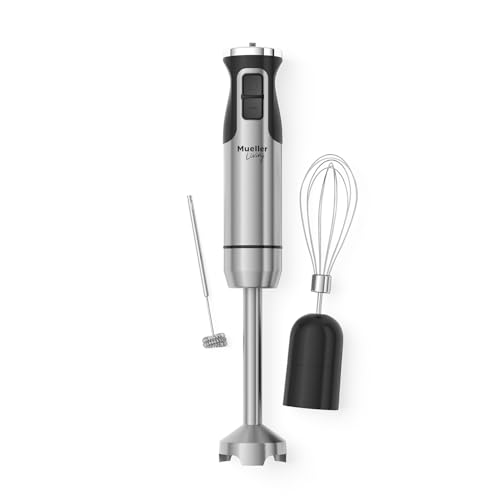
- No More Lumpy Chunks – Mix, blend, whisk, and froth quickly with our slim yet powerful immersion...
- 3 Easy Attachments – Stick blender with: (1) Stainless Steel Blending Shaft to blend shakes, soup...
4. Reheat gently
Return the soup to the pot over medium-low heat and warm it, stirring often, for about 5 minutes. Don’t let it boil once the milk is in. Taste and adjust the salt.
5. Serve
Ladle into bowls and serve hot, garnished with chopped parsley or cilantro.
Tip: If the soup is thicker than you like, thin it with a little warm broth.
How to store, freeze and reheat crema de auyama
- Fridge: cool it and refrigerate within 2 hours in a covered container. Use it within 3 to 4 days.
- Freezer: freeze it in airtight containers for 1 to 2 months.
- Reheat: warm it over low heat, stirring, and add a splash of broth or milk if it has thickened. Heat it until it is steaming hot, 165°F.
Toppings and variations
- Toppings: a spoonful of sour cream (Dominican Cooking), toasted pumpkin seeds (Keesha’s Kitchen), or croutons or cubes of fried cheese (Kelvin’s Kitchen).
- Dairy-free: cook the onion in olive oil and use coconut milk, or simply more broth, instead of the evaporated milk.
- Richer: serve it with a swirl of cream on top.
For other squash dishes, try Chilean charquicán, Argentine carbonada criolla, or our pumpkin empanadas.
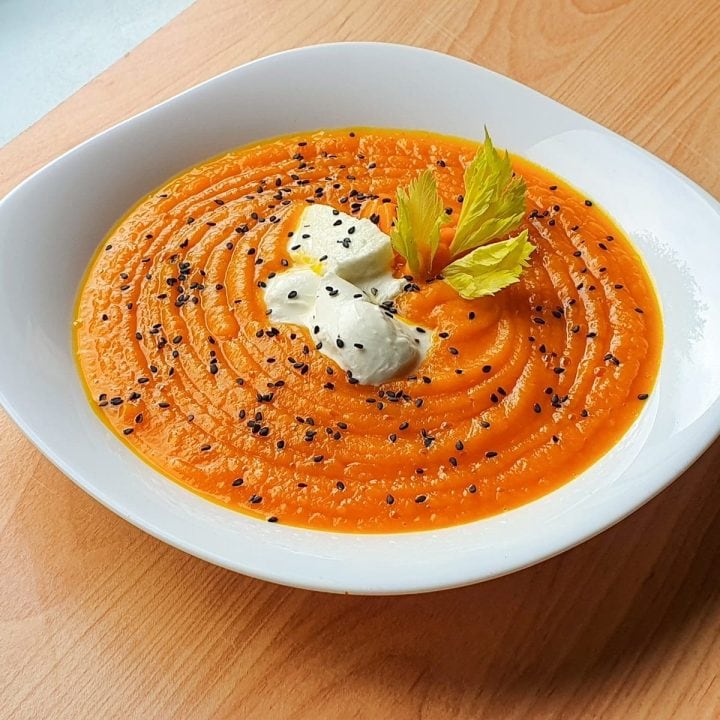
Crema de Auyama (Dominican Pumpkin Soup)
Crema de auyama, the Dominican cream of pumpkin soup: auyama (West Indian pumpkin) simmered in broth with onion and garlic, then blended with evaporated milk until silky. Ready in about 40 minutes. Serves 6.
Ingredients
- 2 tablespoons butter or olive oil
- 1 large onion, chopped
- 2 garlic cloves, minced
- 2 pounds auyama (West Indian pumpkin), peeled, seeded and cut into small, even pieces (kabocha or butternut squash also work)
- 1 teaspoon salt, plus more to taste
- Black pepper, to taste
- 4 cups vegetable or chicken broth, preferably low-sodium
- 1 cup evaporated milk
- Chopped parsley or cilantro, to serve
Instructions
- Melt 2 tablespoons butter (or heat olive oil) in a large pot over medium heat. Add 1 large chopped onion and 2 minced garlic cloves and cook, stirring, until the onion is translucent.
Add 2 pounds peeled, seeded auyama cut into small, even pieces, 1 teaspoon salt and black pepper to taste, and stir. Pour in 4 cups broth. Bring to a boil, then cover, lower the heat and simmer about 20 minutes, until the auyama is fork-tender.
Take the pot off the heat and let the soup cool for a few minutes. Blend it with 1 cup evaporated milk until very smooth. Use a countertop blender or an immersion blender right in the pot.
Return the soup to the pot over medium-low heat and warm it, stirring often, for about 5 minutes. Don't let it boil once the milk is in. Taste and adjust the salt.
Ladle into bowls and serve hot, garnished with chopped parsley or cilantro.
Notes
Too thick: thin it with a little warm broth.
Dairy-free: use olive oil and replace the evaporated milk with coconut milk or more broth.
No auyama: use kabocha or butternut squash.
Refrigerate within 2 hours and use within 3 to 4 days. Freeze in airtight containers for 1 to 2 months.
Reheat over low heat, stirring, with a splash of broth or milk if it has thickened, until steaming hot (165°F).
Nutrition Information:
Serving Size: about 1 cup (1/6 of recipe)Amount Per Serving: Calories: 178Total Fat: 7gSaturated Fat: 4gTrans Fat: 0gUnsaturated Fat: 2gCholesterol: 22mgSodium: 944mgCarbohydrates: 26gFiber: 3.5gSugar: 9.5gProtein: 5g
Nutrition information is an estimate and will vary with the brands and amounts used.
Auyama FAQ
What is auyama in English?
Auyama is calabaza, also called West Indian pumpkin: a tropical winter squash with a green rind and orange flesh. Kabocha or butternut squash is a good stand-in.
Is auyama the same as butternut squash?
They are close relatives, usually the same species, Cucurbita moschata, and they taste similar. Auyama is much bigger and has a green, often mottled rind. Butternut works well in its place.
What is auyama called in other countries?
Calabaza in Puerto Rico and Cuba, ayote in Central America and zapallo in Panama and much of South America. In Venezuela and Colombia it is also auyama or ahuyama.
Do you peel auyama before cooking?
For crema de auyama, yes: scoop out the seeds and fibers and cut away the hard rind before cubing the flesh.
How long does auyama last?
Whole, from about 6 weeks to 3 months in a cool, dry place. Cut, wrapped and refrigerated, about a week.
Can I make crema de auyama without milk?
Yes. Use olive oil instead of butter and replace the evaporated milk with coconut milk or more broth.
Can you freeze crema de auyama?
Yes. It keeps 1 to 2 months in airtight containers in the freezer. Reheat it slowly, stirring, and thin it with a little broth if needed.
More Dominican and squash recipes
For more Dominican cooking, make sancocho de siete carnes, locrio de pollo or moro de guandules, and finish with habichuelas con dulce or something from our list of Dominican desserts. For more squash, see calabacitas.
Shopping list: Carnation evaporated milk, 12-oz cans, Mueller immersion blender, Lodge 6-quart enameled Dutch oven.
Sources
- Dominican Cooking: Crema de Auyama
- Cocina Dominicana: Crema de auyama
- Recetas Dominicanas: Crema de auyama
- Kelvin’s Kitchen: Crema de Auyama Dominicana
- Keesha’s Kitchen: Dominican Crema de Auyama
- Cocinando Hoy: Crema de auyama
- Recetas Gratis: Crema de auyama casera
- My Colombian Recipes: Crema de Ahuyama o Calabaza
- Enri Lemoine (Venezuela): Crema de auyama o sopa de calabaza
- Hoy (Dominican Republic): Auyama, tan saludable como versátil
- Dominican Cooking: Mazamorra (Puré de Auyama)
- Duarte101: Mazamorra de auyama
- Dominican Cooking: Habichuelas Guisadas
- Mi Cocina Dominicana: Habichuelas guisadas
- UF/IFAS: Harvest and Handling of Calabaza (Tropical Pumpkin)
- Wikipedia: Calabaza
- Food Reference: Calabaza Squash, West Indian Pumpkin
- Eat Healthy 365: Buy Calabaza in the Grocery Store
- UMass Amherst: Produce Spotlight on Winter Squash
- Dominican Cooking: Auyama, How to Cook and Complete Guide
- Ohio State University Extension: Selecting, Storing and Serving Pumpkins and Winter Squash
- USDA FSIS: Leftovers and Food Safety
- USDA FoodData Central (nutrition estimate)
More Dominican Foods
See all →
Jorge Garcia is the founder of AmigoFoods, where he has spent over 20 years helping readers discover authentic Latin American and Spanish cuisine. Raised in a Cuban-American household, Jorge learned to cook at the hands of his mother and grandmother, carrying forward generations of family recipes. That heritage, backed by his family’s four-generation history in the Latin food industry, inspired him to launch AmigoFoods in 2003. With more than 1,000 published articles on recipes, ingredients, and food culture, Jorge’s mission is simple: make authentic Latin cooking approachable for home cooks everywhere while honoring the traditions behind every dish.