
On this page
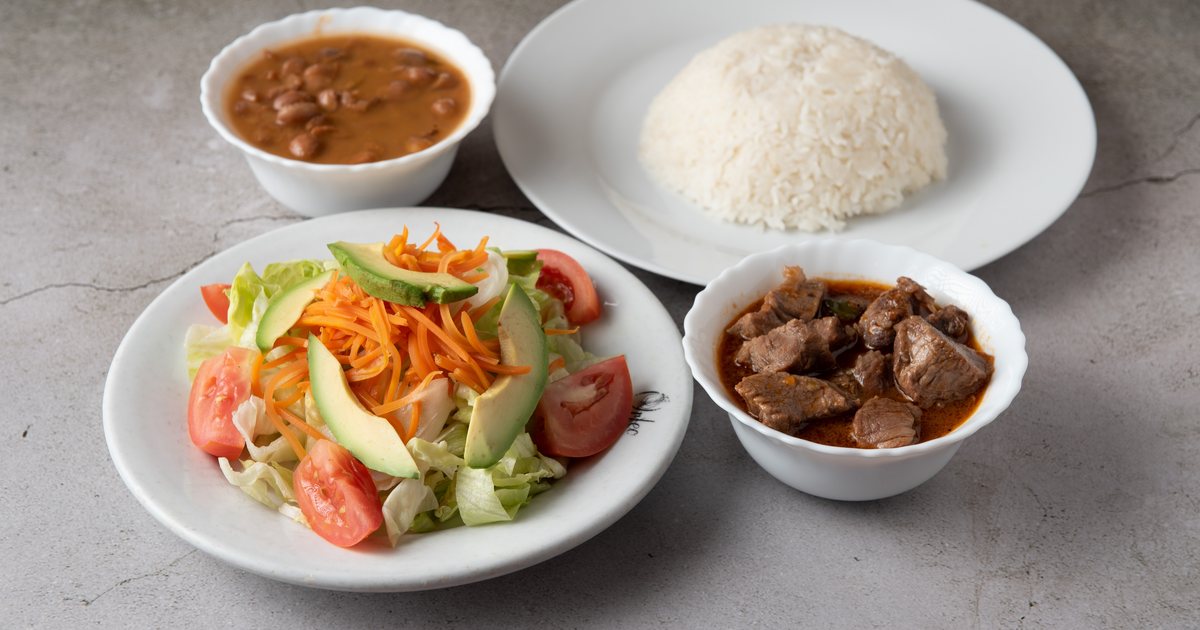
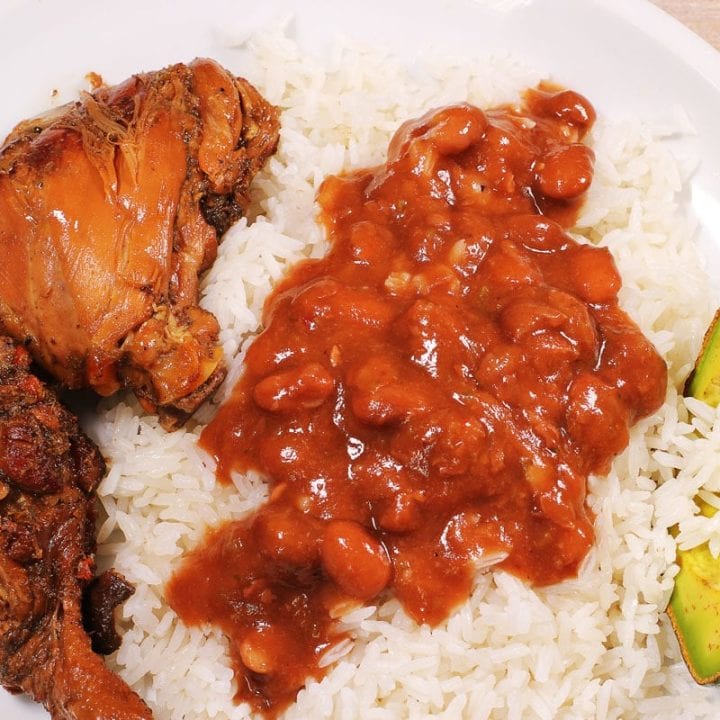
La bandera dominicana is the national dish of the Dominican Republic: white rice, red beans stewed with squash, and stewed chicken or beef, served with a simple green salad and often avocado. Its name means “the flag,” because the plate echoes the red, white and blue of the Dominican flag. Dominicans eat it at lunch, the main meal of the day, and this version brings the components together in one practical plan.
La Bandera Dominicana at a Glance
AmigoFoods may earn a commission from qualifying Amazon purchases made through links on this page.
What is la bandera dominicana?
La bandera is not a single recipe but a plate of three everyday dishes served together: arroz blanco (white rice), habichuelas guisadas (stewed beans) and carne guisada (stewed meat, most often chicken). A green salad sits on the side, and avocado, fried plantains or the crispy rice from the bottom of the pot often join it.
In the Dominican Republic this is simply la comida, the big midday meal that families sit down to between about noon and 2 p.m. Home cooks make it most days of the week, and cheap lunch counters called comedores serve it as the plato del día. In Spanish you will also hear it called la bandera dominicana comida or plato la bandera, to tell it apart from the flag itself. It is the first dish in our guide to Dominican food.
Why is it called la bandera?
The Dominican flag, designed by Juan Pablo Duarte and first raised at independence in 1844, is divided by a white cross into two blue and two red rectangles. The plate borrows those colors: the beans are the red, the rice is the white, and the meat, with a little poetic license, stands in for the blue. The rice usually sits in the center of the plate, like the cross.
Liberty
Blood of the heroes
Faith, the white cross
The name says something about how Dominicans see this meal. It is eaten so often, by so many families, that it became as much a national symbol as the flag. You can read more about how African, Taíno and Spanish cooking shaped it in our history of Dominican food, and see how it compares with other countries’ signature plates in our list of Latin American national dishes.
The four parts of la bandera
Ingredients for la bandera dominicana
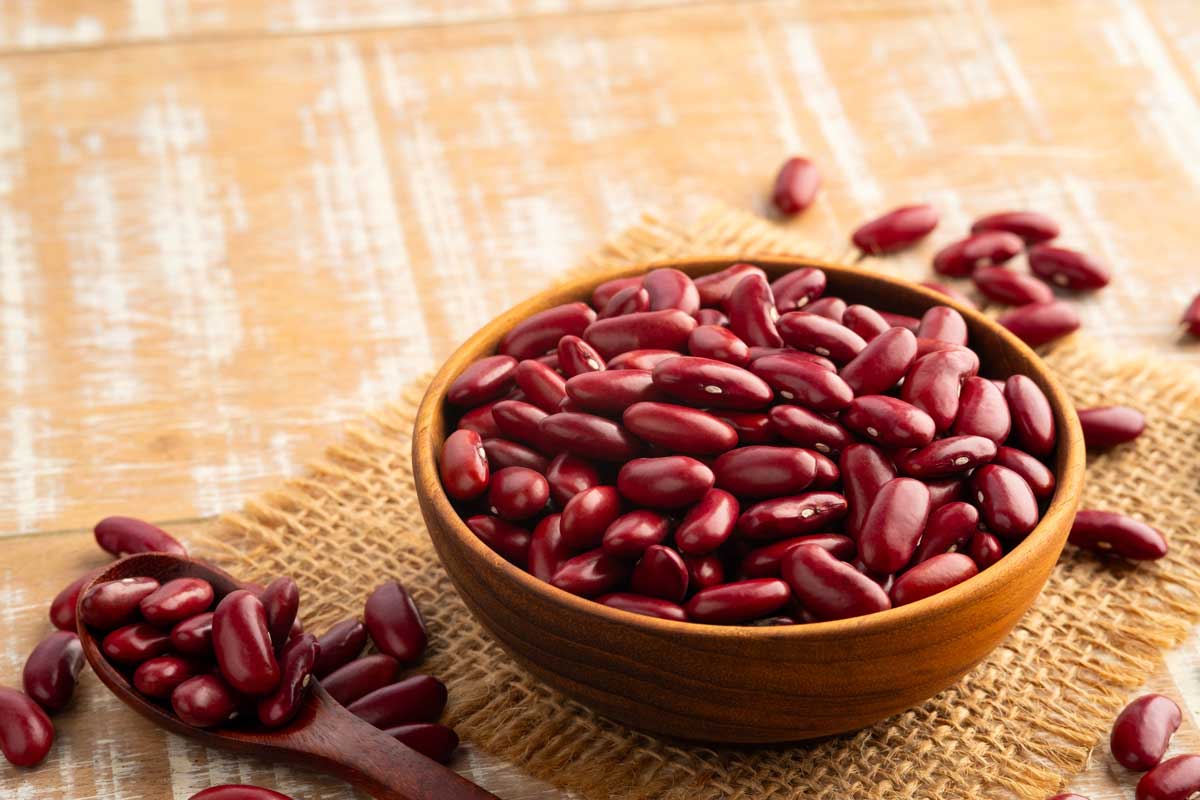
- Beans: red kidney beans are the most common, with pinto and cranberry beans close behind. Canned beans with their liquid, like Goya red kidney beans, make this a weeknight meal. For dried beans, follow the boiling instructions in the recipe notes and allow extra time.
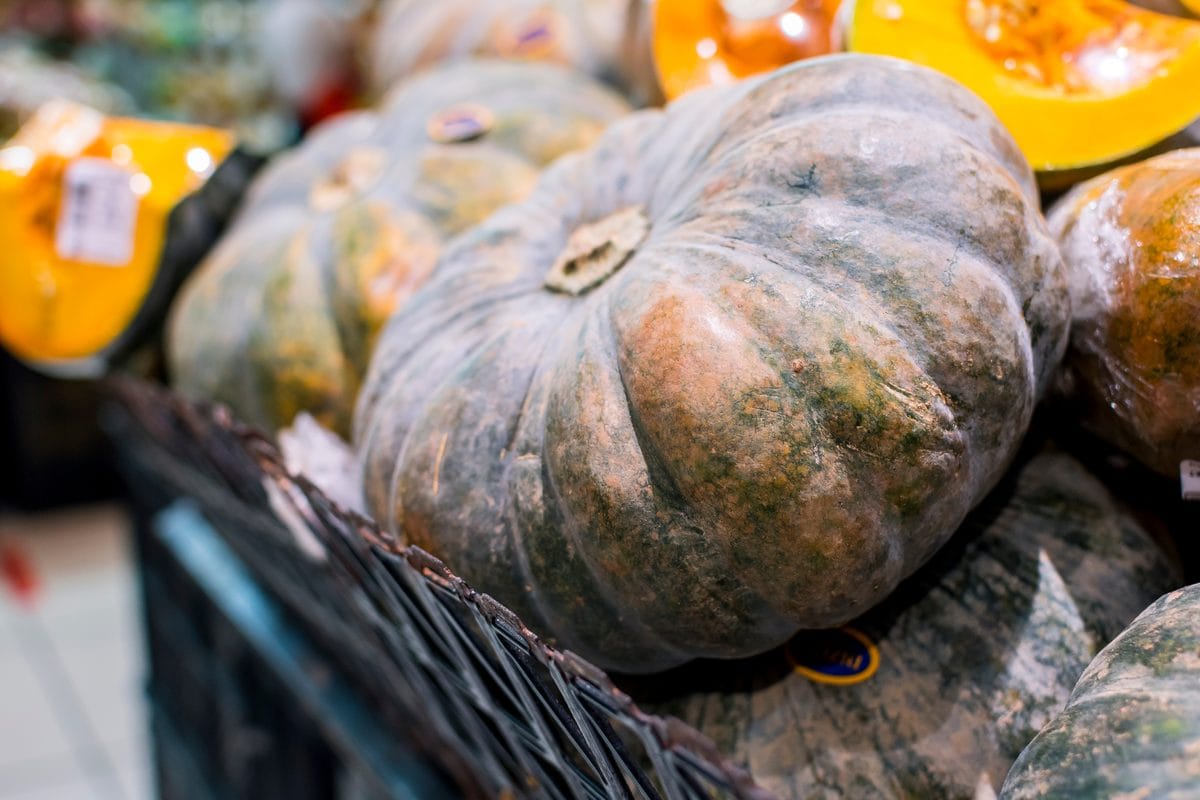
- Auyama: West Indian pumpkin. It falls apart into the beans and gives them their body. Kabocha or butternut squash is the best substitute.
- Sazón: the seasoning packet that gives Dominican beans their orange color. Most cooks use Goya Sazón with culantro and achiote; see adobo vs. sazón for the difference.
- Chicken: bone-in thighs and drumsticks cut into small pieces. Dark meat stays juicy through the long braise.
- Aromatics: garlic, onion, cubanela peppers, cilantro and dried oregano. Dominican oregano is stronger than the Mediterranean kind, so use a little less if you have it.
- Rice: long-grain white rice. Rinse it until the water runs clear so the grains stay separate.
- A little sugar: melted in the oil before the chicken goes in. It gives pollo guisado its deep brown color without making it sweet.
Find the rest of the pantry, including Dominican oregano, sazón and caldero-ready rice, on our Dominican foods list on Amazon.
How to make la bandera dominicana
The trick is timing. Three pots go at once, and the order matters because the beans need the longest simmer and the rice needs to be the last thing to finish. Here is the game plan the recipe card follows:
- Season the chicken with lime, garlic, oregano and salt, and refrigerate. Or marinate it for 30 minutes in the refrigerator.
- Start the beans. Soften the sofrito, add tomato paste and sazón, then the beans, squash and water. Let them simmer.
- Caramelize the sugar and brown the chicken in a Dutch oven, then add the onion, peppers, tomatoes and water and cover.
- Start the rice. Boil until the water drops below the surface of the rice, then cover and turn the heat to low.
- Make the concón and finish the beans. Drizzle oil around the rice pot and leave it alone. Mash some beans and squash to thicken the pot.
- Dress the salad, slice the avocado and plate.

The beans: habichuelas guisadas
Dominican beans are saucy, not dry. Cook them long enough for the squash to break down, then mash a few beans against the side of the pot. The starch thickens the liquid into a sauce that soaks into the rice. If they get too thick, add water; if too thin, simmer uncovered.
The meat: pollo guisado
The browned-sugar step is what makes it Dominican. Let the sugar melt to a dark amber, then add the chicken and turn it until every piece is coated. The caramel turns the sauce mahogany and adds depth, not sweetness. Braise covered, adding water a splash at a time, so you end with chicken in a thick, spoonable sauce.
The rice: arroz blanco with concón
Boil the rice uncovered in salted, oiled water until the water drops below the surface, then cover and steam on low. Do not lift the lid. For the concón, drizzle a little oil around the edge at the end and leave the pot on low until you hear a gentle crackle. A heavy cast-aluminum pot like this IMUSA caldero is what Dominican kitchens use, because it browns the bottom evenly without burning it.
How to serve and plate la bandera
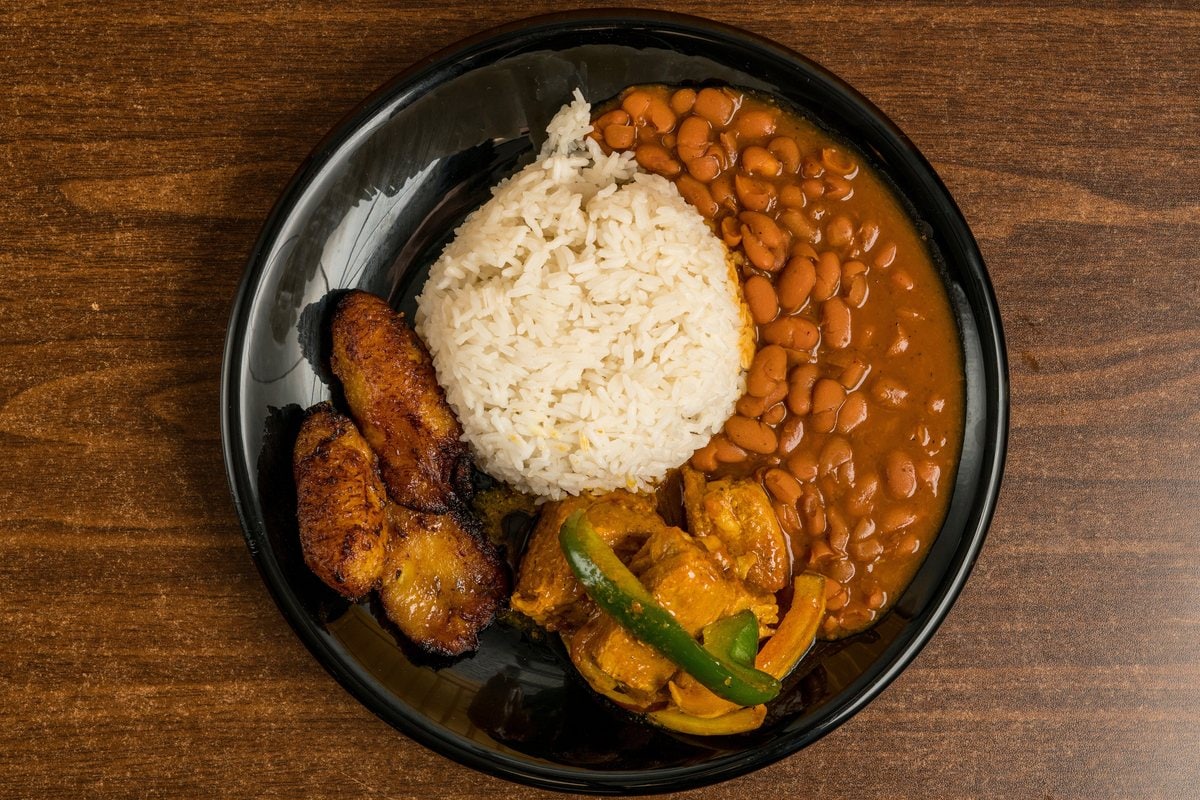
Mound the rice in the middle of the plate. Spoon the beans beside it or right over the top, the way most Dominicans eat it, and add the meat with plenty of sauce. Salad, avocado and a piece of concón go on the side. Popular extras:

To drink, Dominicans reach for fresh juice, a glass of iced water, or morir soñando on hot days. Finish with a small cup of Dominican coffee and something sweet from our list of Dominican desserts.
La bandera variations
The rule is rice, beans and a stew, but what goes into each changes with the day and the budget:
| Swap | How Dominicans do it |
|---|---|
| Beef | Res guisada: chuck braised 1½ to 2 hours with the same sugar-browning method. |
| Pork or goat | Cerdo guisado or chivo guisado. Goat is a specialty of the northwest, around Montecristi. |
| Fish | Pescado guisado, often in coconut sauce on the coast around Samaná. |
| Other beans | Black beans, white beans, or guandules (pigeon peas) in place of red. |
| Rice and beans together | Swap the plain rice and beans for moro, rice cooked with the beans in one pot. |
| One-pot cousin | Cook the chicken and rice together and it becomes locrio de pollo. |
| Meatless | Fried eggs or stewed cabbage take the meat’s place; everything else is already vegetarian if you skip the bouillon. |
La bandera vs. other Latin plates
Rice, beans and meat are the backbone of lunch across Latin America. Here is how la bandera compares with its closest cousins:
| Dish | Country | On the plate |
|---|---|---|
| La bandera | Dominican Republic | White rice, stewed red beans, stewed meat, salad |
| Pabellón criollo | Venezuela | Rice, black beans, shredded beef and fried plantains; pabellón also means “flag” |
| Casado | Costa Rica | Rice and beans served separately with a protein, plantains and salad |
| Bandeja paisa | Colombia | Rice and beans with ground beef, chicharrón, chorizo, egg, arepa and avocado |
| Gallo pinto | Costa Rica and Nicaragua | Rice and beans fried together, usually for breakfast |
Tips for the best bandera
- Season the meat the night before. It is the single biggest flavor gain and it cuts your cooking day short.
- Watch the sugar. Dark amber is right. If it burns or smells bitter, remove the pot from the heat, let it cool safely, clean it and start again.
- Keep the beans loose. They thicken as they sit. Stir in a splash of water before serving.
- Don’t stir the rice once it is covered. Stirring breaks the grains and ruins the concón.
- Dress the salad at the last minute so the lettuce stays crisp next to the hot food.
La bandera dominicana FAQ
What is la bandera dominicana made of?
White rice, stewed red beans and stewed meat, usually chicken or beef, with a green salad on the side. Avocado and fried plantains are common extras.
Why is it called la bandera?
La bandera means “the flag.” The red beans, white rice and meat are said to match the red, white and blue of the Dominican flag.
Is la bandera the national dish of the Dominican Republic?
Yes. It is not set by law, but la bandera is widely considered the Dominican national dish because it is eaten at lunch in homes and comedores across the country almost every day. Sancocho and mangú are the other contenders.
When do Dominicans eat la bandera?
At lunch, the main meal of the day in the Dominican Republic, usually between noon and 2 p.m. Breakfast is lighter, often mangú con los tres golpes, and dinner is smaller.
What beans are used in la bandera?
Red kidney beans are the classic choice. Pinto and cranberry beans are also common, and some cooks use black beans, white beans or pigeon peas.
What is concón?
Concón is the crispy, golden layer of rice that forms on the bottom of the pot. It is scraped out and served on the side, and many Dominicans think it is the best part.
Can I make la bandera ahead of time?
Yes. The beans and the chicken both keep well for 4 days and taste better the next day. Refrigerate promptly in shallow containers within 2 hours. Cook the rice fresh if you can, or reheat it covered with a little water to 165°F (74°C).
Recipe check: The chicken and beans were compared with Clara Gonzalez’s pollo guisado and habichuelas guisadas. Family variations in peppers, tomato and squash are normal; this version uses canned beans and retains its own quantities. This was a source-based editorial check, not kitchen testing.
La Bandera Dominicana Recipe
La Bandera Dominicana (Rice, Beans and Stewed Chicken)
La bandera dominicana, the Dominican Republic’s national lunch: white rice with a crispy concón, red beans stewed with auyama, pollo guisado braised in caramelized sugar and tomato, and a simple green salad with avocado.
Ingredients
Pollo guisado (stewed chicken)
- 3 pounds bone-in chicken thighs and drumsticks, cut into small pieces
- Juice of 1 lime
- 1½ teaspoons salt
- 4 garlic cloves, mashed
- 1 teaspoon dried oregano
- ¼ teaspoon black pepper
- 2 tablespoons chopped cilantro, divided
- 2 tablespoons vegetable oil
- 1 tablespoon sugar
- 1 medium red onion, sliced
- 1 cubanela pepper (or green bell pepper), sliced
- ½ red bell pepper, sliced
- 2 plum tomatoes, chopped
- 2 tablespoons tomato paste
- ¼ cup pitted green olives (optional)
- 1½ cups water, divided
Habichuelas guisadas (stewed beans)
- 2 tablespoons vegetable oil
- ½ medium onion, diced
- ½ cubanela pepper, diced
- ½ red bell pepper, diced
- 3 garlic cloves, mashed
- 2 tablespoons tomato paste
- 1 packet (1 teaspoon) sazón with culantro and achiote
- 2 (15.5-ounce) cans red kidney or pinto beans, with their liquid
- 1 cup peeled auyama (kabocha squash), in ½-inch cubes
- 1 cup water
- ½ teaspoon dried oregano
- 1 chicken bouillon cube (optional)
- 2 tablespoons chopped cilantro
- Salt to taste
Arroz blanco (white rice)
- 3 cups long-grain white rice, rinsed until the water runs clear
- 4½ cups water
- 2 teaspoons salt
- 3 tablespoons vegetable oil, divided
Ensalada verde and to serve
- ½ head iceberg lettuce, shredded
- 2 tomatoes, sliced
- 1 cucumber, sliced
- ½ small red onion, thinly sliced
- 2 tablespoons olive oil
- 1 tablespoon white vinegar
- ¼ teaspoon salt
- 1 ripe avocado, sliced, to serve
Instructions
- Season the chicken. Pat the chicken dry without rinsing it. Toss with the lime juice, salt, garlic, oregano, pepper and 1 tablespoon cilantro. Cover and refrigerate for 30 minutes or up to overnight.
- Start the beans. Heat the oil in a medium pot over medium heat. Cook the onion, peppers and garlic until soft, 3 to 4 minutes. Stir in the tomato paste and sazón for 1 minute. Add the beans with their liquid, the auyama, water, oregano and bouillon cube (if using). Bring to a boil, then simmer partly covered for 30 to 35 minutes, until the squash is falling apart.
- Caramelize the sugar. Lift the chicken from the seasoning and let excess liquid drip off; reserve the juices for the braise. Heat the oil in a caldero or Dutch oven over medium heat. Add the sugar and swirl the pot until it turns dark amber, about 1–2 minutes, watching closely.
- Brown the chicken. Immediately add the chicken (stand back; it spatters) and turn the pieces to coat them in the caramel. Brown on all sides, 8 to 10 minutes.
- Braise. Add the onion, peppers and tomatoes and cook for 3 minutes. Stir in the tomato paste, olives and 1 cup of the water, plus the reserved seasoning juices. Cover and simmer over medium-low for 30 to 35 minutes, stirring now and then and adding the remaining water a splash at a time, until the chicken is tender and reaches 165°F (74°C) in the thickest part, away from bone. Uncover for the last 5 minutes to thicken the sauce, then stir in the remaining cilantro.
- Cook the rice. While the chicken and beans simmer, bring the water, salt and 2 tablespoons of the oil to a boil in a 4- to 5-quart caldero or heavy pot. Add the rinsed rice and boil uncovered, stirring occasionally, until the water drops just below the surface of the rice, 8 to 10 minutes. Stir once, cover tightly, reduce the heat to low and cook 15 minutes.
- Make the concón. Drizzle the remaining 1 tablespoon oil around the edge of the pot, cover and leave on low for 10 minutes more without stirring, until you hear a light crackle. Fluff the rice, then scrape the crust off the bottom to serve on the side.
- Finish the beans. Mash a few beans and pieces of squash against the side of the pot to thicken the sauce and simmer 5 minutes more. Season with salt and stir in the cilantro. They should be saucy, like a thick soup.
- Dress the salad. Just before serving, toss the lettuce, tomatoes, cucumber and onion with the oil, vinegar and salt.
- Plate la bandera. Mound the rice in the center of each plate, spoon the beans beside it (or over it), add the chicken with its sauce, and finish with salad and a few slices of avocado.
Notes
- Dried beans: The stated total uses canned beans. For a dried-bean substitute, soak beans overnight in the refrigerator, drain, and cover with fresh water. For red kidney beans, boil vigorously for at least 30 minutes before reducing to a simmer; continue until completely tender. Do not cook raw kidney beans only in a slow cooker. Measure about 3 cups cooked beans plus 1 cup cooking liquid to replace the two cans; still add the recipe’s 1 cup water. Soaking and cooking from dry add extra time.
- Beef instead of chicken: Use 2½ pounds beef chuck in 1½-inch cubes and braise 1½ to 2 hours, adding water as needed, until fork-tender.
- No sazón: Use ½ teaspoon ground annatto (achiote) plus an extra pinch of salt.
- Careful with the sugar: If it burns or smells acrid, remove the pot from the heat, let it cool safely, clean it and start again. Do not wipe a pot containing very hot oil.
- Storage: Refrigerate the rice, beans and chicken promptly in separate shallow containers within 2 hours. Keep for up to 4 days and reheat to 165°F (74°C), adding water as needed.
More Dominican food to try
Browse every dish on our Dominican main dishes page, warm up with something from our Dominican soups and stews, or start the day with our Dominican breakfast foods. All 42 dishes are in our guide to Dominican food.
More Dominican Foods
See all →
Jorge Garcia is the founder of AmigoFoods, where he has spent over 20 years helping readers discover authentic Latin American and Spanish cuisine. Raised in a Cuban-American household, Jorge learned to cook at the hands of his mother and grandmother, carrying forward generations of family recipes. That heritage, backed by his family’s four-generation history in the Latin food industry, inspired him to launch AmigoFoods in 2003. With more than 1,000 published articles on recipes, ingredients, and food culture, Jorge’s mission is simple: make authentic Latin cooking approachable for home cooks everywhere while honoring the traditions behind every dish.