

Updated
Dominican food is Caribbean home cooking built on rice, beans, plantains and well-seasoned stewed meat. Its roots are Taíno, Spanish and West African, with later layers from Lebanese, Syrian and Chinese immigrants. The flavor comes from garlic, oregano, cilantro, sweet peppers and sour orange rather than chili heat.
The national dish is la bandera: white rice, red beans and stewed meat, eaten at midday. Breakfast is mangú with fried salami, cheese and eggs, and sancocho is the stew for celebrations. This guide covers 42 traditional Dominican dishes, from everyday plates to street food, sweets, drinks and the Christmas table, plus how and where Dominicans eat them.
AmigoFoods may earn a commission from qualifying Amazon purchases made through links on this page.
Just want the recipes? Browse our Dominican main dishes hub, or stock up first with the 16 Dominican pantry staples.
From breakfast mangú to the Christmas table
42 Dominican dishes at a glance
Pick a category, then tap any dish to jump straight to it.
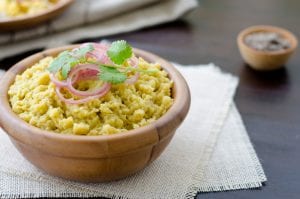 01MangúMashed green plantains topped with vinegar onionsBreakfast
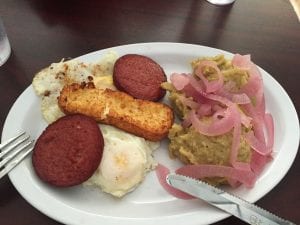 02Los Tres GolpesFried salami, cheese and eggs with mangúBreakfast
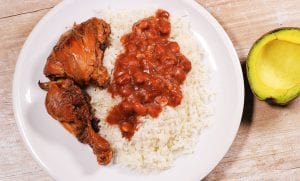 03La BanderaRice, red beans and stewed meat, the national lunchLunch
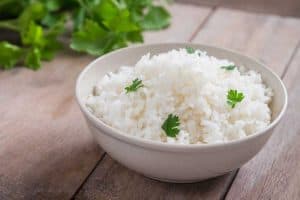 04Arroz BlancoFluffy rice with a prized crispy crust, concónSide
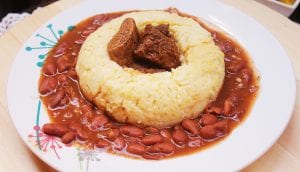 05ChenchénCracked corn pilaf from the southwestSide
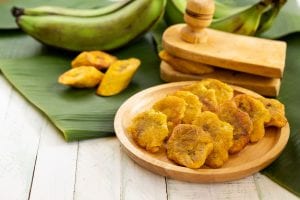 06TostonesSmashed green plantains, fried twiceSide
 07YaniquequesCrackly fried dough sold on the beachStreet food
 08CatibíasCassava-dough empanadas from fritura standsStreet food
 09MofongoPlantains pounded with garlic and pork cracklingsMain
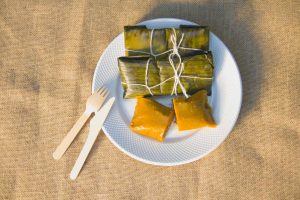 10Pasteles en HojaPlantain and root-vegetable pockets boiled in leavesHoliday
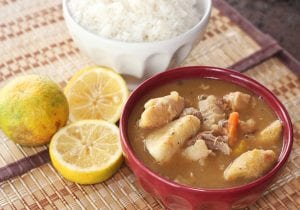 11SancochoCelebration stew of meats and root vegetablesStew
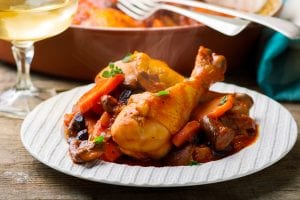 12Pollo GuisadoChicken browned in caramel and braisedMain
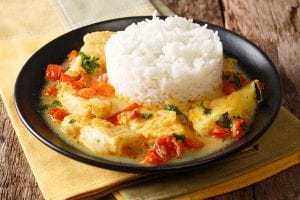 13Pescado con CocoFish simmered in coconut sauce, Samaná styleSeafood
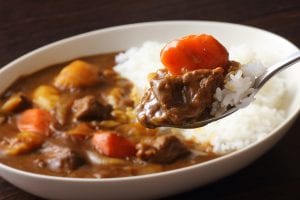 14Chivo GuisadoSpicy goat stew from the northwestStew
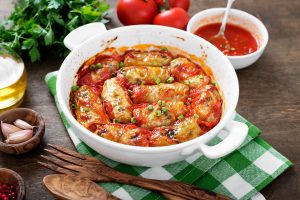 15Niños EnvueltosCabbage rolls of beef and rice in tomato sauceMain
 16ChicharrónCrackling pork belly sold by the poundStreet food
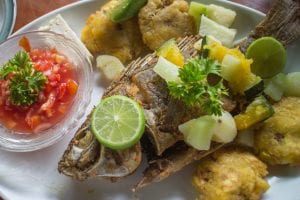 17Pescado FritoWhole fried fish with tostones at the beachSeafood
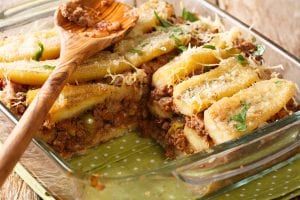 18PastelónRipe plantain and beef casseroleMain
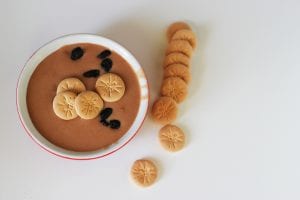 19Habichuelas con DulceSweet cream of beans for LentSweet
 20Arepa DominicanaSweet cornmeal and coconut cakeSweet
 21FlanBaked caramel custardSweet
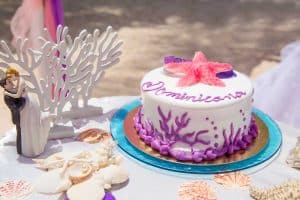 22Bizcocho DominicanoFluffy party cake with pineapple and meringueSweet
 23Pudín de PanSpiced bread pudding with caramelSweet
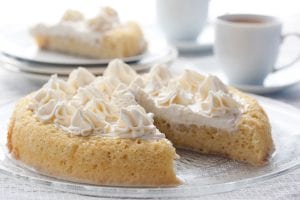 24Tres LechesSponge cake soaked in three milksSweet
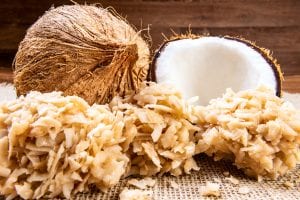 25CocadasChewy coconut sweetsSweet
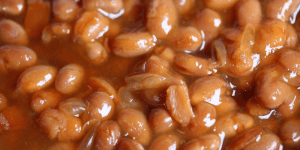 26Habichuelas GuisadasStewed red beans for riceSide
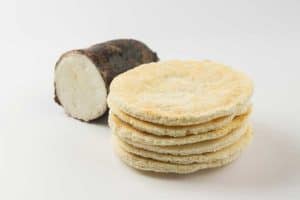 27CasabeCrisp Taíno cassava flatbreadBread
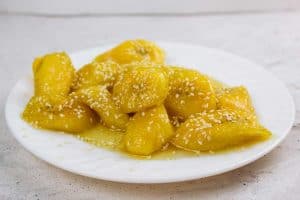 28Plátanos MadurosCaramelized fried ripe plantainsSide
 29Pica PolloCrispy fried chicken with tostonesStreet food
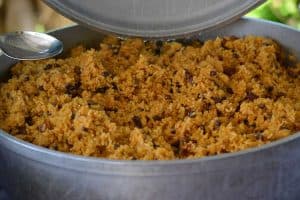 30Moro de GuandulesRice with pigeon peas, often with coconutSide
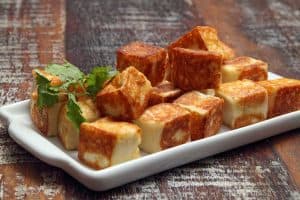 31Queso FritoGolden slices of frying cheeseBreakfast
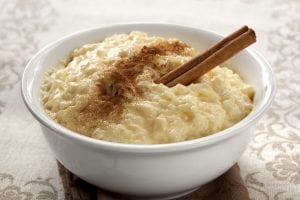 32Arroz con LecheRice pudding with cinnamon and clovesSweet
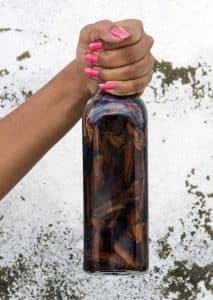 33MamajuanaRum, wine and honey steeped with barkDrink
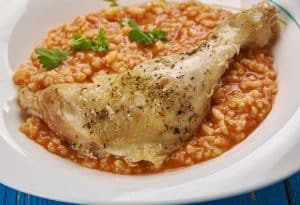 34Locrio de PolloOne-pot chicken and rice, Dominican paellaMain
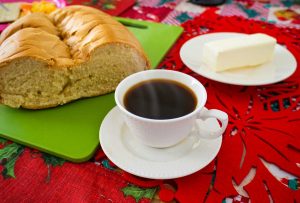 35TeleraFlat holiday loaf for the Nochebuena tableHoliday
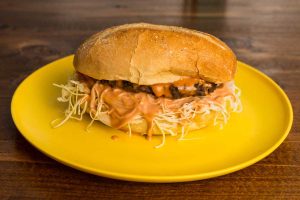 36ChimiLate-night burger with cabbage and pink sauceStreet food
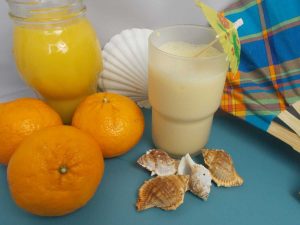 37Morir SoñandoOrange juice and milk shaken over iceDrink
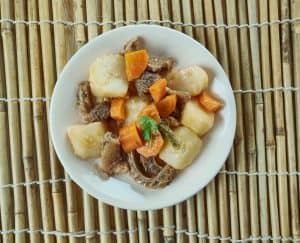 38MondongoTripe stewed with tomato and peppersStew
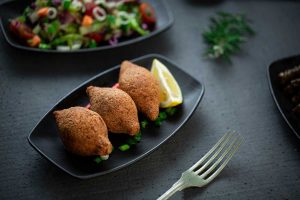 39KipeFried bulgur and beef croquettesStreet food
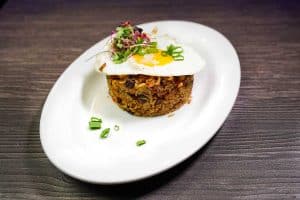 40ChofánChinese-Dominican fried riceMain
 41MajareteFresh corn pudding with cinnamonSweet
 42Moro de HabichuelasRice cooked with beans in one potSide
1. Mangú (Mashed Plantains)

Mangú is the Dominican breakfast. Green plantains are boiled until soft, then mashed with butter or oil and a splash of their cooking water until smooth and fluffy. A tangle of red onions softened in vinegar goes on top.
It is filling, cheap and mild, which is why it shows up at breakfast in almost every Dominican home and at dinner more often than you might expect. A popular story traces the name to mangusi, a word for mashed vegetables in the Congo region, a reminder of how much African cooking shaped the island.
Most people eat it with fried salami, fried cheese and eggs, a plate called mangú con los tres golpes. A wooden pilón (mortar) or a potato masher both work for mashing at home.
2. Los Tres Golpes (The Three Hits)

Los tres golpes (“the three hits”) are the three fried sides that turn mangú into a full breakfast: Dominican salami, queso de freír (frying cheese) and fried eggs. Together they make the most famous Dominican breakfast plate.
Dominican salami is not the dry Italian kind. It is a soft, cooked pork-and-beef sausage that is sliced thick and fried until the edges crisp. Induveca salami is the brand most families buy. The cheese is a firm, salty white cheese that browns instead of melting, the same one used for queso frito.
Avocado slices and a cup of Dominican coffee are the usual partners. Read our full guide to mangú con los tres golpes for the history and recipe.
3. La Bandera Dominicana (The Dominican Flag)

La bandera is the Dominican Republic’s national dish and the everyday lunch: white rice, red beans (habichuelas guisadas) and stewed meat, usually chicken or beef. A simple salad of lettuce, tomato and cabbage, a few slices of avocado and fried plantains often complete the plate.
The name means “the flag,” a nod to the colors on the plate. Lunch, not dinner, is the main meal in the Dominican Republic, and la bandera is what most families eat at midday several times a week. Small restaurants called comedores serve it as the plato del día.
Ask for some concón, the crispy rice from the bottom of the pot, and wash it down with a cold Presidente beer or a fresh juice.
4. Arroz Blanco (White Rice)

Dominicans eat rice almost every day, and cooks are judged by it. Arroz blanco is long-grain rice cooked with oil and salt until each grain is separate and tender, then left over low heat so the bottom forms a golden crust.
That crust is concón, and many Dominicans think it is the best part. It should be crunchy and toasty, never burnt, and it is scraped out and shared at the table. Getting good concón depends on a heavy aluminum pot called a caldero; an IMUSA caldero is the pot most Dominican kitchens in the US use.
White rice is the base of la bandera and sits next to almost every stew on this list.
5. Chenchén (Cracked Corn Pilaf)

Chenchén is cracked dried corn cooked into a soft pilaf, the way rice is cooked elsewhere in the country. It is a specialty of the southwest, especially San Juan de la Maguana and Azua.
Cooks toast the corn in a little oil, then simmer it in water, sometimes with coconut milk, until tender with a texture between polenta and risotto. The classic pairing is chivo guisado, the region’s goat stew, and many people say the two are not complete without each other.
6. Tostones (Twice-Fried Plantains)

Tostones, called fritos verdes or simply fritos in the Dominican Republic, are slices of green plantain fried once, flattened, and fried again until crisp. They are served with fried fish, pica pollo, salami and stews, and as a snack with a garlic dip.
Cut the plantain into thick rounds, fry until soft, flatten each piece to about ¼ inch, then fry again in hot oil. A wooden tostonera presses them evenly. Our tips for crispy tostones explain how to keep them crunchy.
They are a staple of Dominican picaderas, the snack platters served at parties. See how they differ from sweet plantains in our tostones vs. maduros guide.
7. Yaniqueques (Crispy Dominican Fritters)

Yaniqueques are thin, crackly discs of fried wheat dough, sold by vendors on the beaches of Boca Chica and Juan Dolio. They are salty, light and best eaten warm.
The most common explanation for the name is “Johnny cake,” brought to the eastern Dominican Republic by English-speaking Caribbean workers known as cocolos. Unlike the cornmeal Johnny cakes of other islands, yaniqueques are made with flour, baking powder and water, rolled thin and fried until they puff and blister.
8. Catibías (Cassava Empanadas)

Catibías are small empanadas made with a dough of ground cassava (yuca) instead of wheat. They are filled with seasoned ground beef, chicken or cheese, fried until golden, and sold from fritura stands alongside kipes and pastelitos.
Cassava has been eaten on the island since the Taíno, the Indigenous people who lived there before the Spanish arrived, and the cassava dough makes the crust slightly chewy and very crisp. You will find catibías, kipes and pica pollo at the same stands in our guide to Dominican street food.
9. Mofongo (Flavored Mashed Plantains)

Mofongo is made from fried green plantains pounded in a wooden pilón with garlic and crispy pork cracklings. The mash is pressed into a dome and served with broth, shrimp in sauce, or stewed meat.
Mofongo is famous in Puerto Rico, but Dominicans have their own long tradition of it, and it is on the menu of many Dominican restaurants in the US. It comes from the same West and Central African mashed-starch cooking that gave the island mangú.
Eat it hot. Mofongo firms up as it cools, so it is always mashed to order.
10. Pasteles en Hoja (Plantain and Beef Pockets)

Pasteles en hoja are the Dominican cousin of tamales. A dough of grated green plantain, green bananas and root vegetables such as yautía is spread on plantain leaves, filled with seasoned beef or chicken, folded into packets and boiled.
Making them takes most of a day, so families make dozens at once in December and freeze them. They are part of the Christmas table with pernil and moro de guandules, and you will find them in our guide to Dominican Christmas food.
11. Sancocho (7-Meat Stew)

Sancocho is the Dominican Republic’s celebration stew, cooked in a huge pot for birthdays, rainy days and Sunday gatherings. Root vegetables such as ñame, yautía, yuca and green plantain simmer with meat until the broth turns thick and golden. A piece of auyama (Caribbean pumpkin) melts into the pot and thickens it.
The grand version is sancocho de siete carnes, made with seven meats, often beef, pork, chicken, goat, smoked pork ribs, longaniza sausage and ham. Everyday sancocho uses just one or two.
It is always served with white rice and avocado on the side. For more stews and soups, see our list of Dominican soups and stews.
12. Pollo Guisado (Braised Dominican Chicken)

Pollo guisado is the stewed chicken that goes with la bandera. The chicken is seasoned with garlic, oregano, lime and sazón, then browned in oil with a spoonful of sugar that is first cooked until dark. That caramel gives the stew its deep color.
Onions, peppers, tomato paste, cilantro and green olives go in next, and the chicken braises until tender in its own sauce. Our guide to adobo vs. sazón explains the seasonings Dominican cooks reach for. The same method works with beef (res guisada) and pork.
13. Pescado con Coco (Fish in Coconut Sauce)

Pescado con coco comes from Samaná, a peninsula in the northeast where coconut palms cover the hills. Fish such as red snapper or grouper is seared, then simmered in a sauce of fresh coconut milk, onion, peppers, garlic, tomato and herbs.
The sauce is light and fragrant rather than heavy. It is served with white rice to soak it up and tostones on the side. Samaná’s cooking, shaped by African American settlers who arrived in the 1820s, is the most coconut-rich in the country.
14. Chivo Guisado Picante (Spicy Goat Meat Stew)

Goat is a favorite meat in the northwest. In Montecristi, goats graze on wild oregano, and locals say it seasons the meat before it reaches the pot. The result, sold as chivo liniero, is one of the most prized foods in the country (Acento).
Chivo guisado picante is goat marinated in lime, garlic, oregano and hot peppers, then stewed with tomato, onions and peppers until falling apart. It is one of the few Dominican dishes with real heat. Serve it with white rice or chenchén.
15. Niños Envueltos (Rice and Beef Wrapped in Cabbage)
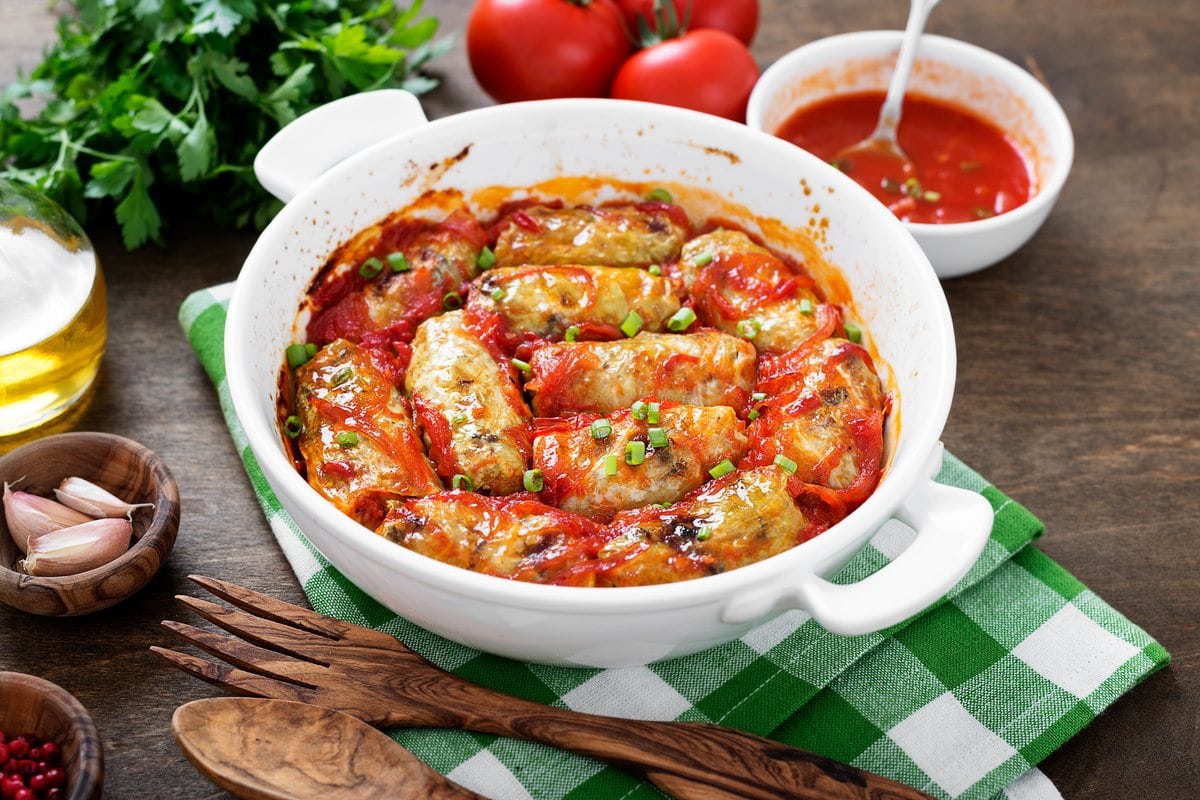
Niños envueltos (“wrapped children”) are cabbage leaves rolled around seasoned ground beef and rice, then simmered in tomato sauce until tender. They take time to roll, so they are a weekend or special-occasion dish.
They came with Lebanese and Syrian immigrants who settled in the Dominican Republic in the late 1800s and early 1900s, the same community that introduced the kipe. The original stuffed grape leaves became stuffed cabbage, which was easier to find on the island.
16. Chicharrón de Cerdo (Dominican Pork Crackling)

Dominican chicharrón is pork belly with the skin on, cut into chunks and fried in its own fat until the skin puffs and crackles. It is sold by the pound and eaten with lime, casabe or fried yuca.
The most famous comes from Villa Mella, just north of Santo Domingo, where roadside stands fry it all day. Chicken gets the same treatment in chicharrón de pollo, bite-size pieces of fried chicken that are just as popular.
17. Pescado Frito (Fried Fish a la Dominicana)

At Boca Chica and other beaches near Santo Domingo, the classic lunch is a whole fried fish. Snapper, grouper or parrotfish is scored, rubbed with lime, garlic, oregano and salt, and fried until the skin is crisp and the meat pulls away from the bone.
It comes with tostones, a small salad and lime wedges, and is best eaten at a table in the sand. At home, a whole fish about 1½ pounds fits most skillets.
18. Pastelón de Plátano Maduro (Ripe Plantain Casserole)

Pastelón is a casserole of very ripe plantains, boiled and mashed with butter, layered with savory ground beef (picadillo) and cheese, then baked until golden. The plantains are sweet, the beef is salty and the cheese ties it together.
Dominicans usually mash the plantains, which gives a soft, almost cake-like layer. Puerto Rico makes its own version with fried plantain strips; see how they compare in our Puerto Rican pastelón recipe.
19. Habichuelas con Dulce (Cream of Sweet Beans)

Habichuelas con dulce sounds surprising, but it is one of the most loved Dominican desserts. Red beans are cooked, blended smooth and simmered with coconut milk, evaporated milk, sugar, sweet potato, raisins, cinnamon and cloves.
It is the dessert of Lent and Holy Week, when families make big pots to share with neighbors. It is served warm or cold, topped with small crunchy milk cookies. If you only try one unusual dish on this list, make it this one.
20. Dominican Arepa (Cornmeal and Coconut Cake)

The Dominican arepa is nothing like the Venezuelan or Colombian arepa. It is a sweet, dense cake of cornmeal, coconut milk, sugar, butter and cinnamon.
It was traditionally baked in a caldero with coals placed on the lid as well as underneath (“fuego arriba y fuego abajo”), which gives it a dark crust on both sides. Today most people bake it in the oven. A slice with coffee is a classic afternoon snack.
21. Flan (Dominican Crème Caramel)

Flan came to the island with the Spanish and became a fixture of birthday and Sunday tables. Dominican flan is usually made with evaporated and condensed milk, which makes it rich and firm, and is baked in a water bath under a layer of caramel.
Coconut flan (flan de coco) and cheese flan are popular variations. It is turned out of the mold so the caramel runs down the sides.
22. Bizcocho Dominicano (Dominican Cake)

No Dominican birthday, baptism or wedding is complete without bizcocho dominicano. It is a very light, buttery cake, usually filled with pineapple jam (or guava or dulce de leche) and covered in suspiro, a glossy meringue frosting.
It is famous for its fluffy texture, which comes from creaming butter and sugar for a long time and adding egg yolks one by one. Bakeries in Dominican neighborhoods in New York sell it by the pound. See how it compares with other cakes in our guide to Latin American cakes and pastries.
23. Pudin de Pan (Dominican Spiced Bread Pudding)

Dominican bread pudding is a thrifty dessert made from day-old bread soaked in milk, eggs and sugar, spiced with cinnamon, nutmeg, ginger and cloves, often studded with raisins, and baked with a caramel layer.
It is denser and spicier than many bread puddings, and it slices cleanly when cold. Spice-heavy desserts like this one reflect the many influences described in our Dominican food history. Compare it with other Latin American custards and puddings.
24. Tres Leches Cake (Dominican Three Milk Cake)

Tres leches is a sponge cake soaked in three milks: evaporated milk, condensed milk and cream. It is served cold, and the cake stays light even though it is full of liquid.
Dominican bakeries often top it with meringue rather than whipped cream, the same suspiro used on bizcocho dominicano.
25. Cocadas (Flourless Coconut Cupcakes)

Cocadas are small coconut sweets made with freshly grated coconut, sugar and egg, baked or cooked until golden at the edges and chewy inside, much like macaroons.
They are sold in paper cups at bakeries and by street vendors and are naturally gluten-free. Coconut also stars in many of the Dominican desserts in our full list.
26. Habichuelas Guisadas

Habichuelas guisadas are stewed red beans, the other half of la bandera. The beans simmer with sofrito, tomato paste, sazón, cilantro and a few cubes of auyama, which melts into the pot and makes the sauce thick and creamy.
They are spooned over white rice almost every day. Pinto, black or white beans are cooked the same way. They appear in our list of Dominican side dishes and the Dominican pantry staples that flavor them.
27. Casabe (Cassava Bread)

Casabe is a thin, crisp flatbread made from bitter cassava that is grated, pressed and baked on a griddle. The Taíno made it long before the Spanish arrived, which makes it one of the oldest foods on the island.
The province of Santiago Rodríguez, especially the town of Monción, is famous for it. Casabe is eaten with sancocho, chicharrón and stews, or brushed with garlic butter and toasted as a snack.
28. Plátanos Maduros (Fried Sweet Plantains)

Sweet plantains are fried green plantains’ opposite. Plantains are left until the skin is almost black, then sliced on the diagonal and fried until caramelized. Dominicans call them maduros or tajaditas, and they are a common side for la bandera.
Our plátanos maduros recipe shows how ripe the plantain should be and how to fry them without burning.
29. Pica Pollo

Pica pollo is Dominican fried chicken. Pieces are marinated in lime, garlic and oregano, coated in seasoned flour and fried until very crisp. It is sold at picapollerías, many of them run by Chinese-Dominican families, which is why the menu often includes chofán too.
Order it with fritos verdes (tostones) and ketchup-mayo, a pink mix of ketchup and mayonnaise. It is one of the cheapest and most popular meals in the country and in Dominican neighborhoods in the US.
30. Moro de Guandules (Rice with Pigeon Peas)

Moro de guandules is rice cooked with pigeon peas, sofrito and seasonings in one pot. In the Dominican Republic many cooks add coconut milk, especially in Samaná and at Christmas, when it is the rice served with pernil.
“Moro” is the Dominican name for any rice cooked with legumes. Puerto Rico’s version is called arroz con gandules; see our arroz con gandules recipe to compare.
31. Queso Frito (Fried Cheese)

Queso frito is thick slices of queso de freír, a firm, salty white cheese, fried until golden. It holds its shape in the pan because it has a high melting point.
It is one of the three hits in los tres golpes and also shows up on picadera platters and next to mangú at dinner.
32. Arroz con Leche (Rice Pudding)

Dominican arroz con leche is rice simmered slowly in milk with cinnamon sticks, cloves and a strip of lime or orange peel, then sweetened and finished with evaporated milk and sometimes raisins.
It is creamy and fragrant and can be eaten warm or cold, with ground cinnamon on top. Many families make it on rainy afternoons.
33. Mamajuana (Herb-and-Bark Infused Rum)

Mamajuana is the Dominican Republic’s signature drink. A bottle is packed with dried tree barks, roots and herbs, then filled with rum, red wine and honey and left to steep. The flavor is sweet, woody and spiced, a bit like port.
It is sipped as a shot at gatherings and is famous for folk claims about its health benefits. The same bottle of bark can be refilled many times. Find it with other Dominican drinks in our guide.
34. Locrio de Pollo

Locrio is the Dominican version of paella: rice cooked in one pot with the meat that flavors it. Locrio de pollo starts with seasoned chicken browned in a caldero, then onions, peppers, garlic, tomato and annatto (bija) for color, then the rice and water.
Locrio de salami and locrio de arenque (smoked herring) are cheaper everyday versions. Like all Dominican rice dishes, locrio is cooked until it forms concón at the bottom of the pot. Here is our full locrio de pollo recipe.
35. Telera (Christmas Bread)
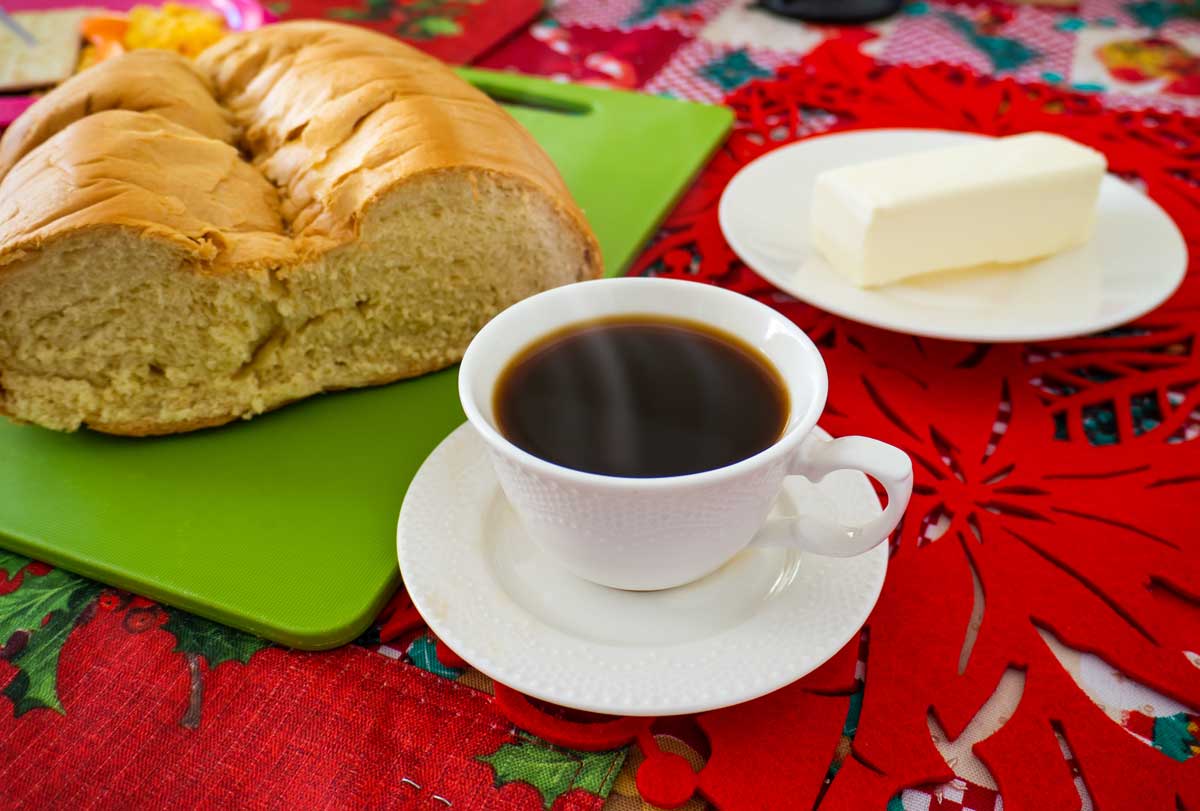
Telera is a large, flat loaf made from flour, egg, lard and salt, and it is a fixture of the Dominican Christmas Eve dinner. No Nochebuena table is considered complete without one, and bakeries that make a good telera can sell out on December 24 (Diario Libre).
It is torn and shared at the table alongside pernil, moro de guandules and salads. Find the rest of the menu in our guide to Dominican Christmas food.
36. Chimi (Dominican Burger)

The chimi, short for chimichurri, is the Dominican late-night burger. A seasoned beef patty (or shredded pork) is tucked into a soft pan de agua roll with shredded cabbage, onion, tomato and a creamy pink sauce of ketchup and mayonnaise.
Despite the name it has nothing to do with Argentine chimichurri. Chimis are sold from food trucks and carts called chimichurrerías that stay open into the early morning, in Santo Domingo, Santiago and Dominican neighborhoods in New York. A good one is messy and dripping with sauce.
37. Morir Soñando

Morir soñando (“to die dreaming”) is a cold drink of orange juice, evaporated milk, sugar and lots of ice. The trick is to stir the juice into the very cold milk slowly, so it turns creamy instead of curdling.
It tastes like a creamsicle and is sold at juice stands and served at breakfast. Find the method and other favorites in our guide to Dominican drinks.
38. Mondongo (Tripe Stew)

Dominican mondongo is beef tripe cleaned with lime and sour orange, simmered until tender, then stewed with tomato, peppers, onion, garlic and cilantro. It is thick and saucy, more stew than soup, and eaten with white rice and avocado.
Many people swear by it as a weekend lunch or a cure after a long night. It is one of a dozen dishes in our list of Dominican soups and stews.
39. Kipe (Bulgur and Beef Croquettes)
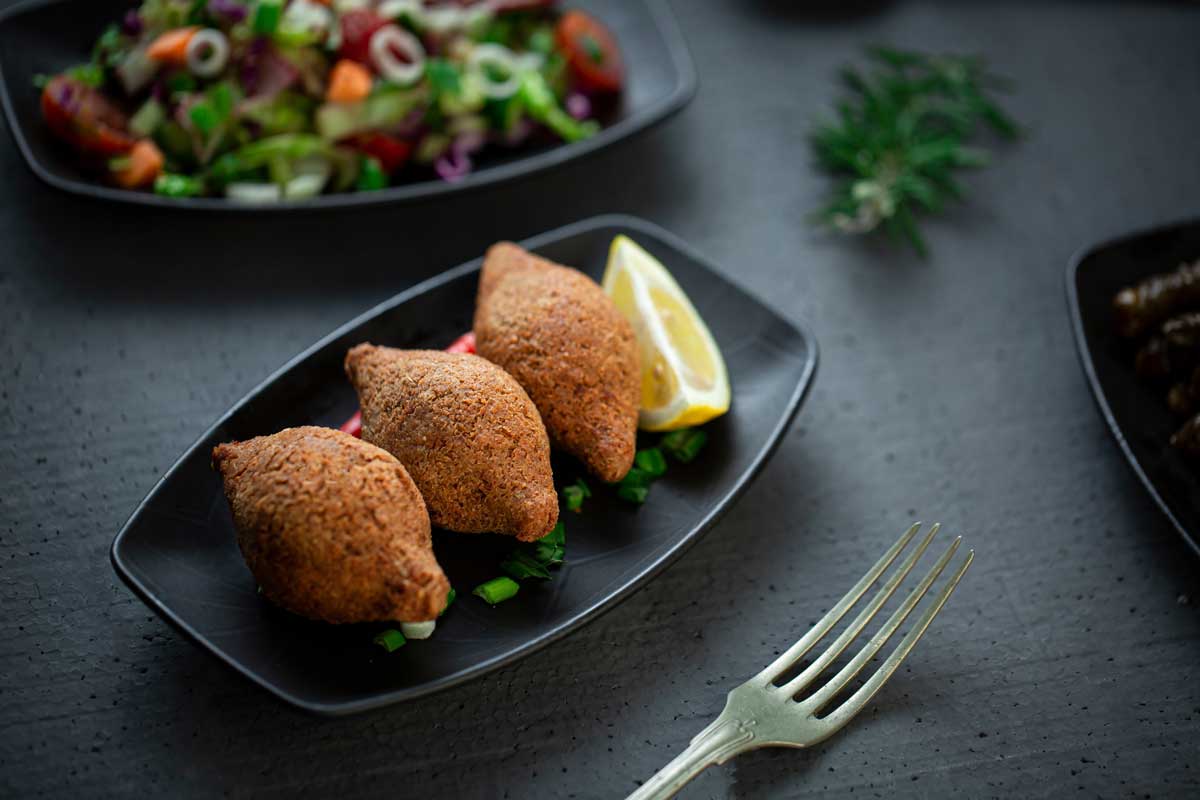
Kipes (also spelled quipes) are football-shaped croquettes of bulgur wheat and ground beef, fried until crunchy. They are the Dominican version of Middle Eastern kibbeh, brought by Lebanese and Syrian immigrants.
Kipes are sold at almost every fritura stand and bakery, and they are a must on picadera platters. Some are stuffed with cheese. Squeeze lime over them and add a dash of hot sauce.
40. Chofán (Dominican Fried Rice)

Chofán is fried rice, Dominican style. It came with Chinese immigrants and is now sold at picapollerías and Chinese-Dominican restaurants everywhere.
Leftover rice is stir-fried with soy sauce, egg, diced ham or chicken, peppers, onions and celery, sometimes with corn and peas. It is often ordered with pica pollo, and many families make it at home to use up rice.
41. Majarete (Corn Pudding)

Majarete is a silky pudding made from fresh corn blended with milk, then strained and cooked with sugar, cinnamon and vanilla until it sets. Coconut milk is common in Dominican versions.
It is poured into a dish, chilled and dusted with ground cinnamon. It is a summer dessert, made when fresh corn is cheap.
42. Moro de Habichuelas (Rice and Beans)
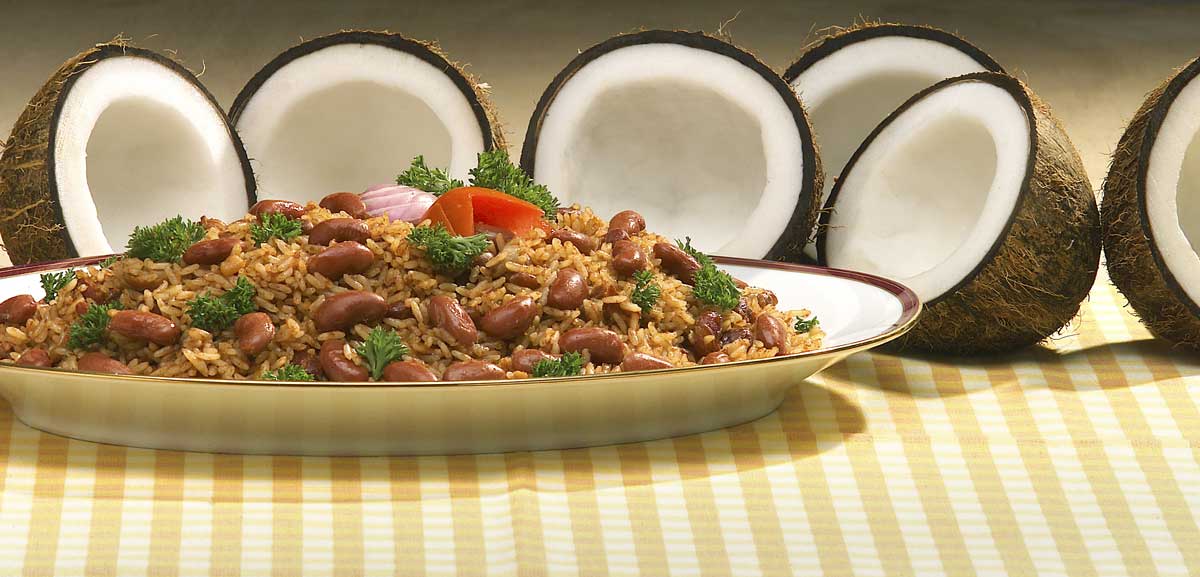
Moro de habichuelas is rice cooked together with beans in one pot, usually red or black beans. The beans and their cooking liquid flavor and color the rice, along with sofrito, oregano and sometimes coconut milk.
It is an alternative to serving rice and beans separately, and it is common at Sunday lunches and parties. Moro de habichuelas negras with black beans is especially popular. It appears with other rice dishes in our list of Dominican side dishes.
How to eat like a Dominican
Knowing when and where Dominicans eat makes the dishes above easier to find, whether you are visiting Santo Domingo or a Dominican neighborhood in New York.
Meal times
- Desayuno (breakfast): mangú with los tres golpes, or bread with cheese or eggs, and strong coffee. A glass of morir soñando or fresh juice is common.
- La comida (lunch): the main meal, usually between noon and 2 p.m. Rice, beans and meat, with salad and fried plantains.
- La cena (dinner): lighter and later. Mangú, a sandwich, a chimi or leftovers from lunch.
Comedores, colmados and frituras
A comedor is a small, family-run lunch spot with a hot counter and a set plato del día. It is the cheapest way to eat la bandera, sancocho or a stew. The colmado is the corner store found on almost every block. It sells salami, cheese, bread and cold Presidente beer, and it is often the neighborhood meeting place. Frituras are street stands that fry kipes, catibías, pastelitos, yaniqueques and chicharrón to order.
Words you will see on the menu
| On the menu | What it means |
|---|---|
| Plato del día | The set lunch of the day, usually rice, beans, meat and salad |
| La bandera | White rice, red beans and stewed meat |
| Moro | Rice cooked together with beans or pigeon peas |
| Locrio | One-pot rice cooked with meat, Dominican paella |
| Concón | The crispy rice from the bottom of the pot |
| Fritos verdes / maduros | Fried green plantains (tostones) / fried sweet plantains |
| Guisado | Stewed, as in pollo guisado or res guisada |
| Picadera | A platter of fried snacks for sharing |
| Yaroa | Late-night street dish from Santiago: fries or plantains layered with meat, cheese and sauce |
What to drink
Coffee is a daily ritual, served small, strong and sweet. Café Santo Domingo is the brand most Dominican homes keep. Fresh juices such as chinola (passion fruit), lime and tamarind are sold everywhere, Presidente is the national beer, and Brugal and Barceló rums are the base of most drinks. Our guide to Dominican drinks covers them all.
Dominican food FAQ
What is the national dish of the Dominican Republic?
La bandera, a plate of white rice, red beans and stewed meat, usually chicken or beef, served with salad and fried plantains. Sancocho is the dish for celebrations, and mangú is the national breakfast.
What is the most popular food in the Dominican Republic?
Rice and beans with meat, eaten at lunch nearly every day, followed by mangú, tostones, pica pollo and sancocho. On the street, the chimi burger, kipes and yaniqueques are the best-known snacks.
What do Dominicans eat for breakfast?
Mangú (mashed green plantains) with los tres golpes: fried Dominican salami, fried cheese and fried eggs. Coffee, bread with butter and cheese, and morir soñando are also common.
Is Dominican food spicy?
Not usually. Dominican cooking is seasoned with garlic, oregano, cilantro, sweet peppers and sour orange, and hot sauce is served on the side. Chivo picante, a goat stew from the northwest, is one of the few dishes that is spicy by design.
What is the difference between Dominican and Puerto Rican food?
The two cuisines share many dishes, including tostones, mofongo, sancocho, pasteles and rice with pigeon peas. Names and details differ: Dominicans say moro de guandules where Puerto Ricans say arroz con gandules, and mangú is a Dominican breakfast with no exact Puerto Rican equivalent. Puerto Rican cooking leans on sofrito with culantro (recao), while Dominican cooks rely more on oregano and their own sazón.
What is typical Dominican street food?
Chimis, pica pollo, yaniqueques, kipes, catibías and other empanadas, chicharrón, and yaroa in Santiago. Our guide to Dominican street food lists the best stands and snacks.
Start cooking Dominican food at home
The easiest place to start is la bandera, which teaches you the three building blocks of Dominican cooking: rice with concón, stewed beans and a guisado. From there, try mangú for breakfast and sancocho on a cold day. Our collection of Dominican recipes has step-by-step versions of most dishes on this list, and the Dominican ingredients guide explains what to buy. Many of those ingredients are on our Dominican foods list on Amazon.
For a deeper look at where these dishes came from, read our history of Dominican food, and save room for dessert with the best Dominican desserts.
Sources and further reading
- Wikipedia: Dominican Republic cuisine
- Wikipedia: Taíno
- Wikipedia: Ethnic Chinese in the Dominican Republic
- Wikipedia: Arab Dominicans
- Wikipedia: Samaná Americans
- Acento: El orégano llevó al chivo liniero a la cúspide de la gastronomía dominicana
- Acento: El casabe, tradición, sabor y patrimonio cultural
- Acento: Villa Mella, entre congos y el crujir del chicharrón
- Diario Libre: Un pedazo de telera es más que un trozo de pan
- Journal of Agriculture, Food Systems, and Community Development: Decolonising the Caribbean diet
More Dominican Foods
See all →
Jorge Garcia is the founder of AmigoFoods, where he has spent over 20 years helping readers discover authentic Latin American and Spanish cuisine. Raised in a Cuban-American household, Jorge learned to cook at the hands of his mother and grandmother, carrying forward generations of family recipes. That heritage, backed by his family’s four-generation history in the Latin food industry, inspired him to launch AmigoFoods in 2003. With more than 1,000 published articles on recipes, ingredients, and food culture, Jorge’s mission is simple: make authentic Latin cooking approachable for home cooks everywhere while honoring the traditions behind every dish.