
Christmas in Nicaragua starts with the Virgin Mary. Before anyone thinks about Nochebuena, the country celebrates La Purísima, nine days of prayers and songs that end with La Gritería on December 7, when people go from altar to altar and come home with bags of traditional sweets.
Two weeks later comes Nochebuena, with nacatamales, stuffed hen and relleno navideño. Below are the 10 foods and drinks that make a Nicaraguan Christmas, from the Purísima sweets to the Christmas Eve table.
Just want the recipes? Our Nicaraguan holiday dishes page collects them in one place.
Nicaraguan Christmas Foods at a Glance
| Dish | What it is | When |
|---|---|---|
| Gofio | Bars of toasted corn (pinol) cooked with dark cane sugar and spices | La Gritería, Dec 7 |
| Cajetas | Fudge-like sweets of milk, coconut or fruit | La Gritería and all December |
| Leche de Burra | Milk and sugar fudge, cut into squares | La Gritería and all December |
| Ayote en Miel | Squash simmered in cane-sugar syrup | La Gritería |
| Sugarcane and Sweet Limes | Pieces of sugarcane, limones dulces and oranges | La Gritería |
| Chicha de Maíz | Sweet, pink corn drink served cold | La Gritería and fiestas |
| Nacatamales | Big banana-leaf tamales of masa, pork, rice, potato and mint | Nochebuena and weekends |
| Gallina Rellena | Hen or turkey stuffed with pork, vegetables, olives and raisins | Christmas Eve dinner |
| Relleno Navideño | Sweet-and-savory stew of pork, chicken, bread, raisins and olives | Christmas Eve, eaten with bread |
| Rompope | Egg and milk punch, usually with rum | La Purísima, Christmas and New Year |
La Purísima and La Gritería
La Purísima honors the Immaculate Conception of Mary, Nicaragua’s patron saint. The novena, or nine days of prayer, starts on November 28. Families build altars to the Virgin at home, decorate them with flowers and lights, and invite neighbors to pray and sing.
It peaks on December 7 with La Gritería, “the shouting.” From 6 p.m., crowds walk from altar to altar shouting “¿Quién causa tanta alegría?” (“Who causes so much joy?”), and the hosts answer, “¡La Concepción de María!” Then they sing to the Virgin, and the household hands out the gorra, a gift of sweets, fruit and small handmade toys. December 8, the Feast of the Immaculate Conception, is a national holiday.
The same night in Colombia is Día de las Velitas, when families light candles and paper lanterns on their sidewalks for the same feast.
The novena traces back to Franciscan friars in León in the 18th century. The shout itself is credited to Monsignor Gordiano Carranza, who first called it out at the church of San Felipe in León on December 7, 1857. León is still the most famous place to see it.
1. Gofio
Gofio is the emblem of the Purísima sweets. It is made of pinol, toasted ground corn, cooked with dark cane sugar (dulce de rapadura) and flavored with ginger, anise and cinnamon. The thick paste is pressed, cut into small bars and wrapped.
Markets sell gofio by the dozen in late November, but many families still make their own as part of their devotion or to keep a promise to the Virgin. The same toasted corn goes into the national drink, pinolillo.
2. Cajetas

Cajetas are Nicaragua’s fudge-like sweets. Cajeta de leche is milk, sugar and cinnamon cooked down until thick and creamy. Cajeta de coco adds grated coconut, and other versions use green papaya, peanuts or guava, often tinted in bright colors.
They are sold year-round in markets, but December is when they matter most. Find them and other sweets in our guide to Nicaraguan desserts.
3. Leche de Burra
Despite the name, “donkey’s milk,” leche de burra is made from cow’s milk. Milk, sugar, butter and vanilla are cooked until thick, poured onto a table to set for a few minutes, then cut into squares and wrapped. It is a soft, sweet milk fudge, and one of the classics in the gorra bag.
4. Ayote en Miel

Ayote en miel is chunks of ayote, a Central American squash, simmered slowly with brown sugar, cinnamon and cloves until the flesh turns soft and amber. It is one of the sweets eaten mostly at this time of year, along with nancites, small yellow fruits preserved in syrup.
Other sweets in the gorra include coyolitos, bollos de coco and the bright red huevo chimbo.
5. Sugarcane, Sweet Limes and Oranges
The oldest part of the gorra is fruit. Limones dulces (sweet limes), oranges and bananas are handed out at the altars, and in the west of the country pieces of sugarcane too. Some people push small paper flags into the limes and oranges to make them more festive.
Since the 1980s the gorra has often included everyday items too, such as matches, pencils, T-shirts, toys, or a bag of rice or beans, but the fruit and the sweets are still what people remember.
6. Chicha de Maíz

Chicha de maíz is a sweet, cold corn drink, often colored pink and flavored with vanilla or cinnamon. It is served at fiestas all year, and it is one of the drinks altar hosts offer during La Gritería, along with compuesto, a fruit punch with a shot of rum, and cacao with milk. For a cold corn drink from Panama, see our guide to chicheme.
7. Nacatamales

The nacatamal is Nicaragua’s most famous dish: a big parcel of corn masa enriched with lard and sour orange, filled with achiote-marinated pork, rice, potato, tomato, onion, sweet pepper and a sprig of mint, wrapped in banana leaves and boiled for hours.
Most of the year they are a weekend food, eaten on Saturday night or Sunday morning with bread and black coffee. At Christmas, families make them in bigger batches for Nochebuena and to share. You’ll need masa for tamales, lard and sour orange if you make them at home.
8. Gallina Rellena
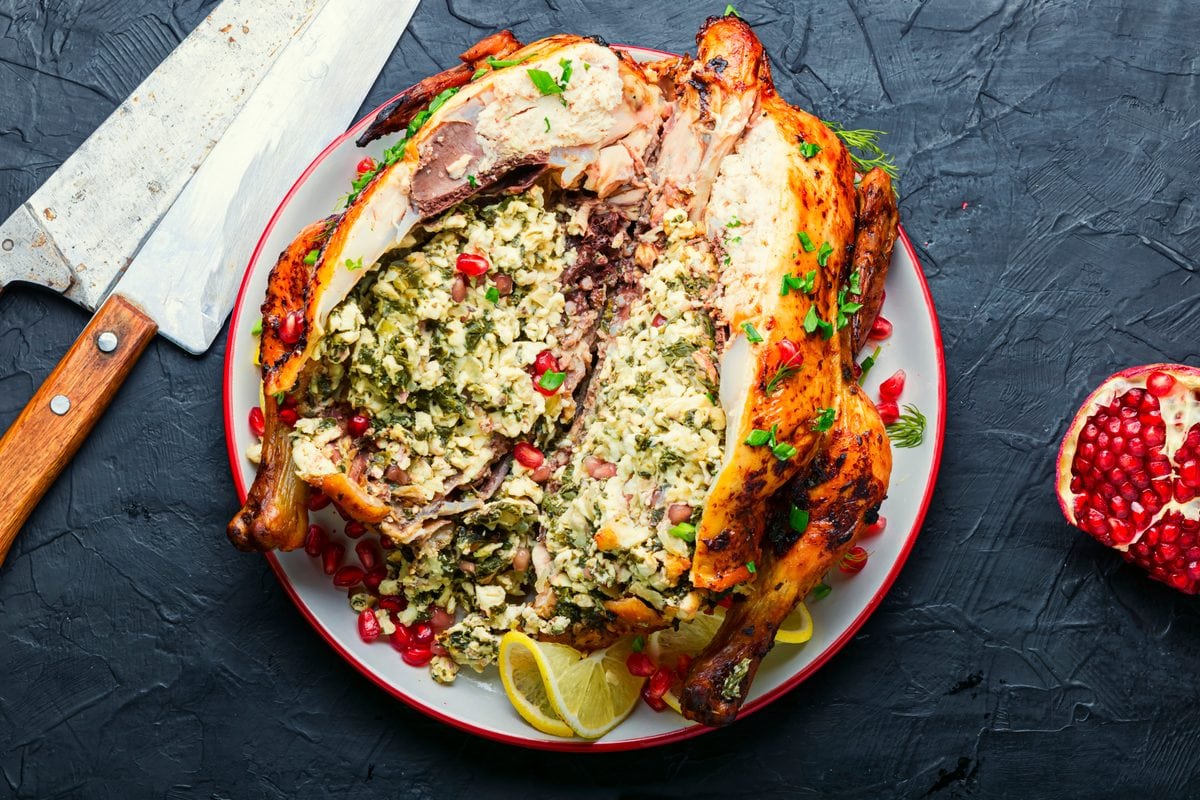
Gallina rellena, stuffed hen, is the classic Christmas Eve main course. The hen is marinated with garlic, onion, oregano, bay leaf and sour orange, then stuffed with a mix of pork, rice, carrot, chayote, celery, olives and raisins. It is sewn shut and roasted until golden.
Some families roast a chompipe, a turkey, with the same stuffing instead. Either way, it is carved at the table and served with rice and salad.
9. Relleno Navideño
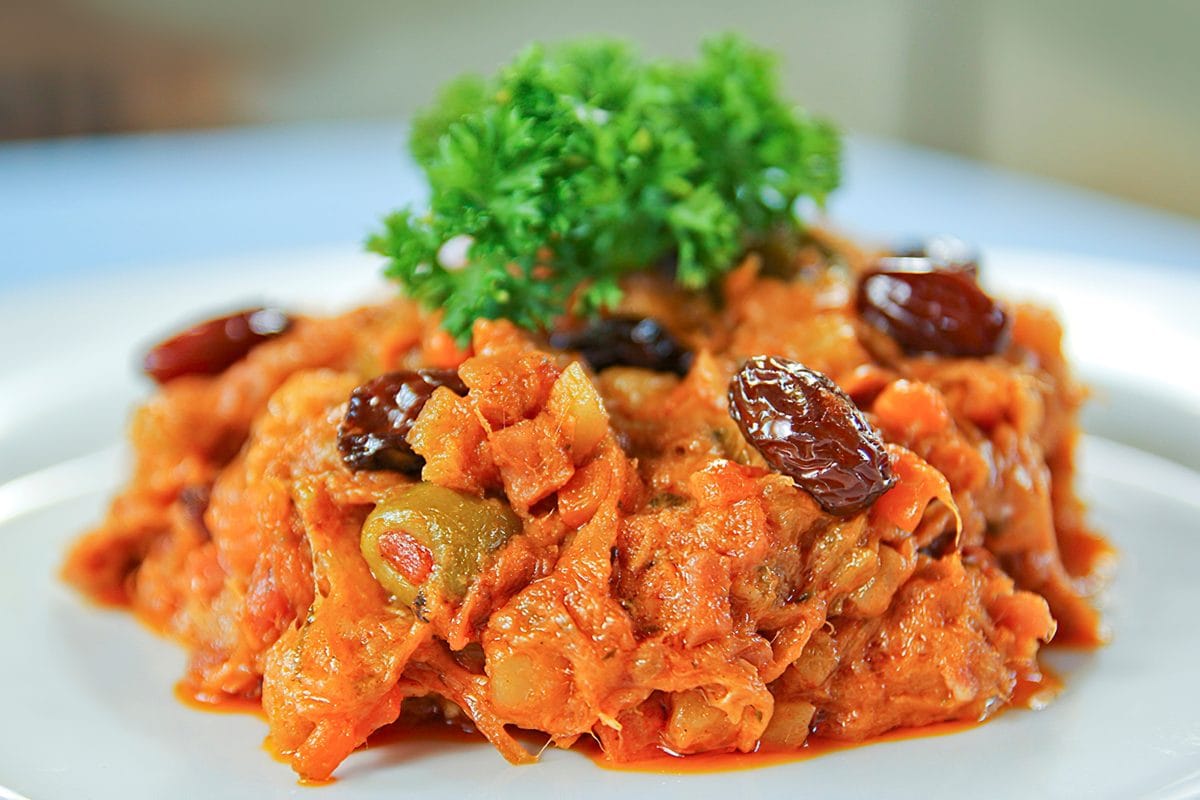
In Nicaragua the relleno navideño, “Christmas filling,” is a dish in its own right. Pork and chicken are boiled, chopped or ground, and cooked with sautéed onion, sweet pepper and garlic, bread soaked in milk, ketchup-style tomato sauce, mustard and Worcestershire sauce. Raisins, olives and capers go in at the end.
The result is a thick, brown, sweet-and-savory stew. Some cooks finish it in the oven, and some use it to stuff the hen or turkey. It is usually served with bread, and a spoonful goes on every plate. If you want to try it, you’ll need green olives, capers and raisins.
10. Rompope

Rompope is a thick punch of eggs, milk, sugar and vanilla, usually spiked with rum or aguardiente. Nicaraguans drink it at La Purísima, Christmas and New Year. It shares its roots with Mexican rompope and Honduran rompopo.
How Nicaragua Celebrates Nochebuena
After La Purísima the season keeps going. Homes put up a nativity scene and lights, and on December 24 families gather for dinner, go to the midnight Mass, and set off fireworks at midnight, when everyone hugs and wishes each other a merry Christmas. Christmas Day is for visits, leftovers and more nacatamales.
Nicaraguan Christmas Food FAQ
What do Nicaraguans eat on Christmas Eve?
Gallina rellena or a stuffed turkey, relleno navideño with bread, and nacatamales, with rompope to drink.
What is La Purísima?
A nine-day celebration of the Immaculate Conception of Mary, from November 28 to December 8. It peaks on December 7 with La Gritería.
What is the gorra?
The gift that altar hosts hand out during La Gritería: traditional sweets such as gofio, cajetas and leche de burra, plus sugarcane, sweet limes, oranges and small handmade toys.
What is gofio made of?
Toasted ground corn (pinol), dark cane sugar, ginger, anise and cinnamon.
More Nicaraguan Food
Explore the rest of the country’s kitchen in our guide to Nicaraguan food and our Nicaraguan ingredients guide, or browse everything on the Nicaraguan food hub. To see how the rest of the region celebrates, visit our Nochebuena and Latin Christmas food guide.
AmigoFoods may earn a commission from qualifying Amazon purchases made through links on this page.
More Nicaraguan Foods
See all →
Jorge Garcia is the founder of AmigoFoods, where he has spent over 20 years helping readers discover authentic Latin American and Spanish cuisine. Raised in a Cuban-American household, Jorge learned to cook at the hands of his mother and grandmother, carrying forward generations of family recipes. That heritage, backed by his family’s four-generation history in the Latin food industry, inspired him to launch AmigoFoods in 2003. With more than 1,000 published articles on recipes, ingredients, and food culture, Jorge’s mission is simple: make authentic Latin cooking approachable for home cooks everywhere while honoring the traditions behind every dish.