
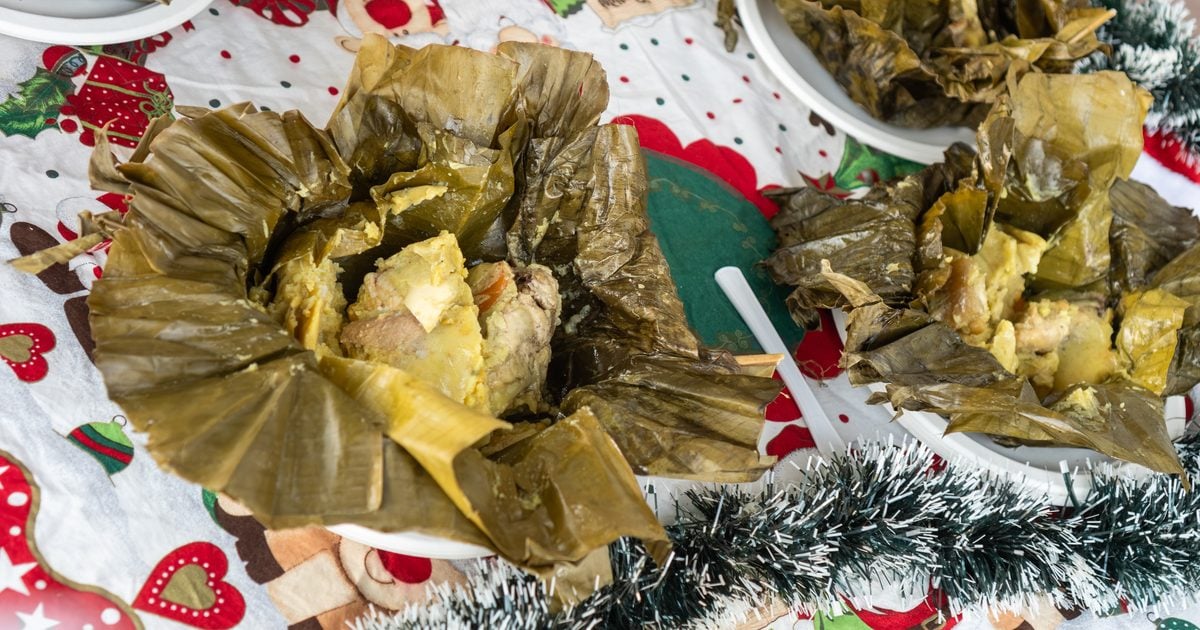
Nicaraguan cooking is corn country food with a lot of cheese. Red beans and rice, fresh cheese, plantains and corn masa show up at nearly every meal, from a morning plate of gallo pinto to a late-night fritanga.
Corn also goes into the glass. Nicaraguans are nicknamed pinoleros after pinol, the toasted corn flour behind their national drink.
Here are the twelve ingredients behind a plate of gallo pinto, a nacatamal and a jícara of pinolillo, and what each one is doing.
Nicaraguan Ingredients at a Glance
| Ingredient | What it is | Where it shows up |
|---|---|---|
| Frijoles rojos | Small red beans | Gallo pinto, fried beans, soups |
| Arroz | White rice | Gallo pinto, nacatamales, arroz con leche |
| Maíz | Corn and masa | Tortillas, nacatamales, indio viejo, rosquillas |
| Pinol & cacao | Toasted corn flour and cacao | Pinolillo, pinol, tiste |
| Queso & crema | Fresh and frying cheeses, thick cream | Queso frito, quesillo, breakfast |
| Plátano | Green and ripe plantain | Tajadas, maduros, leaves for wrapping |
| Yuca | Cassava root | Vigorón, vaho, soups |
| Chicharrón | Crisp fried pork skin | Vigorón, fritanga |
| Repollo | Cabbage | Salad for vigorón and fritanga |
| Naranja agria | Sour orange | Indio viejo, carne asada, nacatamales |
| Achiote | Annatto seed | Nacatamales, sopa de queso |
| Coco | Coconut and coconut milk | Rondón, pan de coco |
Beans, Rice and Corn
1. Frijoles Rojos

Small red beans are the foundation of Nicaraguan food. They’re boiled with garlic and onion, and the cooking liquid is saved, because it gives gallo pinto its color.
Beans are also fried into a thick paste for breakfast, cooked in soup and served on the side of almost every lunch plate.
2. Arroz
Rice is cooked with onion and a little oil until the grains are separate, then fried the next day with red beans and onion to make gallo pinto. Nicaraguans eat it at breakfast, lunch and dinner.
Rice also goes into nacatamales and arroz a la valenciana, and it’s cooked with milk and cinnamon for arroz con leche.
3. Maíz
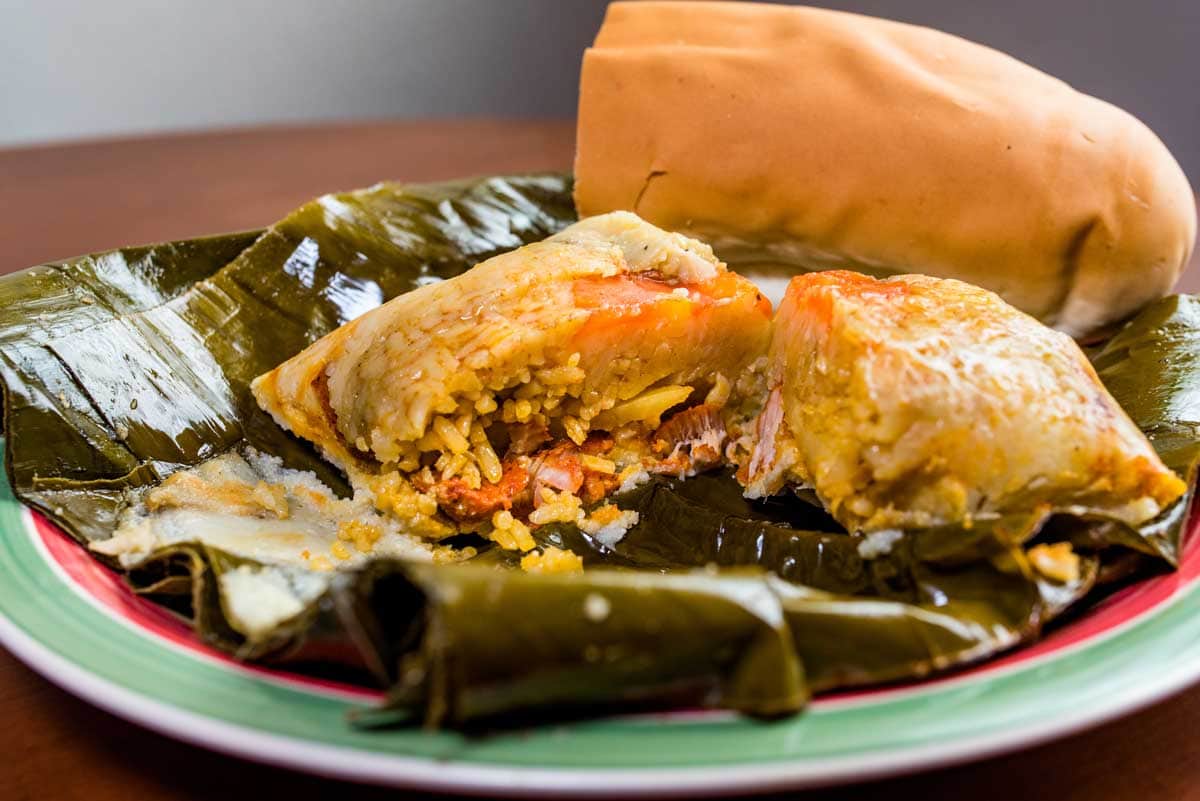
Corn masa becomes tortillas, nacatamales and indio viejo, a thick stew of beef and masa flavored with mint and sour orange. It’s also the base of many drinks, from atol to chicha.
In Somoto, corn and cheese are baked into rosquillas, hard, ring-shaped biscuits eaten with coffee.
4. Pinol and Cacao

Pinol is corn that’s toasted until brown, then ground into flour. Mixed with ground cacao and cinnamon, it becomes pinolillo, a frothy chocolate-corn drink served in a jícara, a gourd cup. Mixed with water and sugar, it’s the simpler pinol.
Cacao has been grown in Nicaragua since before the Spanish. It’s also the base of tiste and of chocolate for hot drinks.
Dairy
5. Queso and Crema
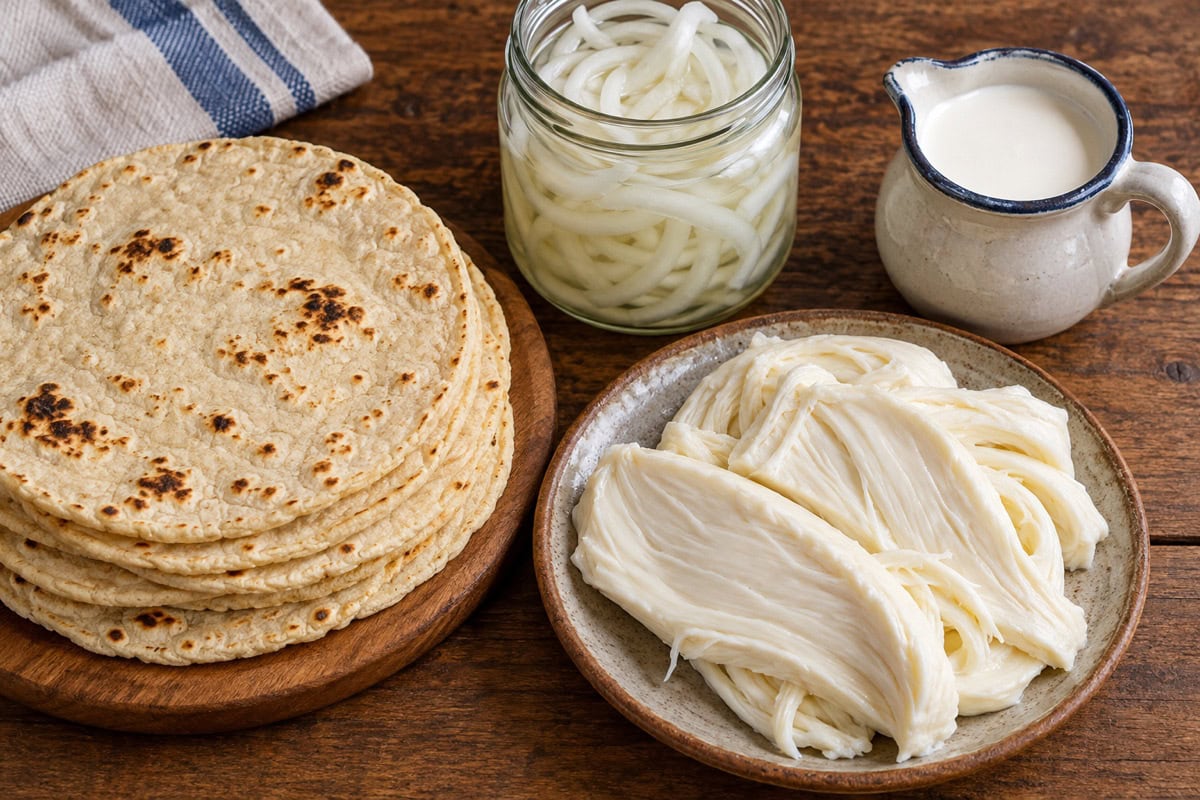
Nicaraguan cheese is fresh and salty. Quesillo is soft and stringy, cuajada is a mild fresh curd, and queso seco is firm and salty enough to fry. Fried slices of queso frito come with most breakfasts.
A quesillo, the street snack, is a tortilla wrapped around soft cheese and pickled onion, drowned in crema. Nicaraguan crema is thick, rich and a little sour.
Plantains and Cassava
6. Plátano
Green plantains are sliced thin and fried into crisp tajadas, the base of many street plates. Ripe plantains, maduros, are fried until caramelized and served with gallo pinto.
Plantain leaves are just as important. They wrap nacatamales and vigorón.
7. Yuca

Boiled cassava is the base of vigorón, the classic dish of Granada. It’s topped with chicharrón and a cabbage salad and served on a plantain leaf.
Cassava is also cooked into vaho, beef steamed with plantains and cassava in leaves, and into soups. For more, see our guide to yuca and cassava.
Meat and Seasonings
8. Chicharrón
Crisp fried pork skin, sometimes with a little meat still on it, is the crunch in vigorón. It’s also sold by the bag, and it’s served at fritangas, the street grills that set up every evening.
Fritangas also fry pork, chicken, cheese and plantains, and grill carne asada. See our guide to fritanga.
9. Repollo
Shredded cabbage with tomato, vinegar, salt and chile makes the simple salad served with vigorón, fritanga and grilled meat. It’s crisp, sour and refreshing, and it cuts through the fried food.
Cabbage also goes into soups like sopa de res.
10. Naranja Agria
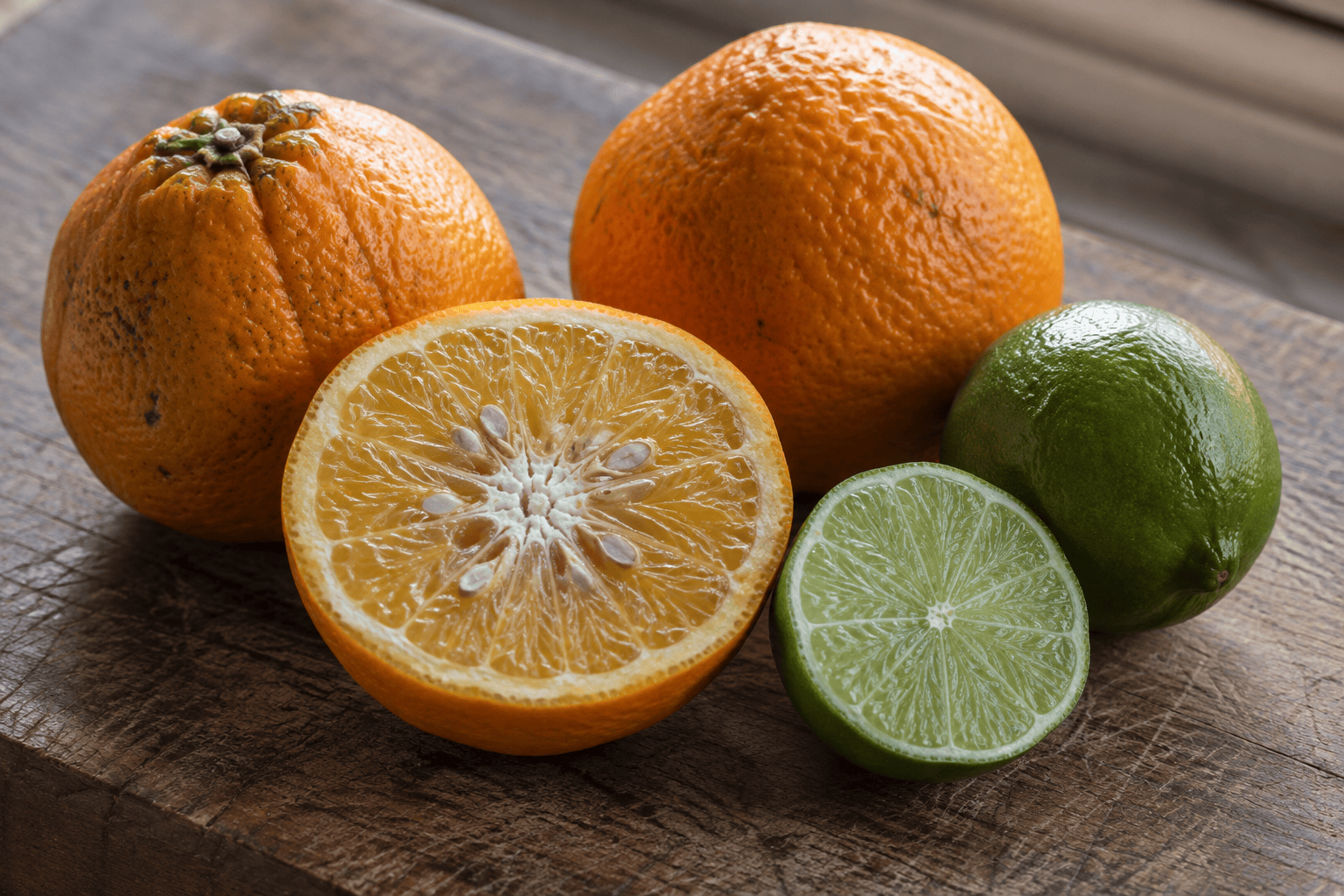
Sour orange is too sour to eat, but it’s essential in Nicaraguan cooking. Its juice flavors indio viejo, marinates carne asada and pork, and seasons the masa and meat for nacatamales.
Outside Latin America, mix orange juice with lime juice, or buy bottled sour orange juice.
11. Achiote

Achiote, or annatto, gives Nicaraguan food its warm red-orange color. It tints the masa and meat of nacatamales, rice dishes and stews.
It also colors the broth of sopa de queso, a Lenten soup of cheese and masa dumplings.
The Caribbean Coast
12. Coco
On Nicaragua’s Caribbean coast, coconut is everything. Coconut milk cooks rice and beans, and it’s the base of rondón, a rich stew of fish or seafood with cassava, plantains and breadfruit.
Grated coconut is baked into pan de coco, a soft coconut bread, and into coconut candies. See our guide to Nicaraguan desserts.
Where to Buy Nicaraguan Ingredients
Most of this list is easy to find. Latin groceries carry red beans, rice, masa harina, plantains, cassava, Central American cheeses and crema, and achiote.
Online, look for pinolillo, Nicaraguan red beans, sour orange juice and Nicaraguan coffee.
Nicaraguan cheeses are the hardest to find outside Central American groceries. Use queso fresco and a salty frying cheese in their place.
Frequently Asked Questions
What is the most important ingredient in Nicaraguan food?
Red beans. With rice, they make gallo pinto, which is eaten at almost every meal.
What is pinol?
Toasted, ground corn. Mixed with cacao, it makes pinolillo, the national drink.
Why are Nicaraguans called pinoleros?
Because of pinol and pinolillo, the corn drinks Nicaraguans are known for.
Is Nicaraguan food spicy?
Not usually. The heat comes from chile in vinegar or hot sauce at the table.
What is the difference between Nicaraguan and Costa Rican gallo pinto?
Nicaraguan gallo pinto uses small red beans. Costa Rican gallo pinto uses black beans.
What Else Is Always There
A few more things live in a Nicaraguan kitchen. There’s onion, garlic, bell pepper, tomato, mint for indio viejo, eggs, and coffee grown in the northern highlands of Jinotega and Matagalpa.
Once your pantry is stocked, cook your way through our guide to traditional Nicaraguan food, see what’s served on Nicaraguan holidays or browse everything we’ve written about Nicaraguan food. To compare pantries, see our guides to Honduran ingredients and Costa Rican ingredients, or explore ingredients by country.
More Ingredients
See all →
Jorge Garcia is the founder of AmigoFoods, where he has spent over 20 years helping readers discover authentic Latin American and Spanish cuisine. Raised in a Cuban-American household, Jorge learned to cook at the hands of his mother and grandmother, carrying forward generations of family recipes. That heritage, backed by his family’s four-generation history in the Latin food industry, inspired him to launch AmigoFoods in 2003. With more than 1,000 published articles on recipes, ingredients, and food culture, Jorge’s mission is simple: make authentic Latin cooking approachable for home cooks everywhere while honoring the traditions behind every dish.