
Costa Rican cooking is simple, fresh and rarely spicy. Black beans and rice are the backbone, and a bottle of Salsa Lizano on the table does the seasoning.
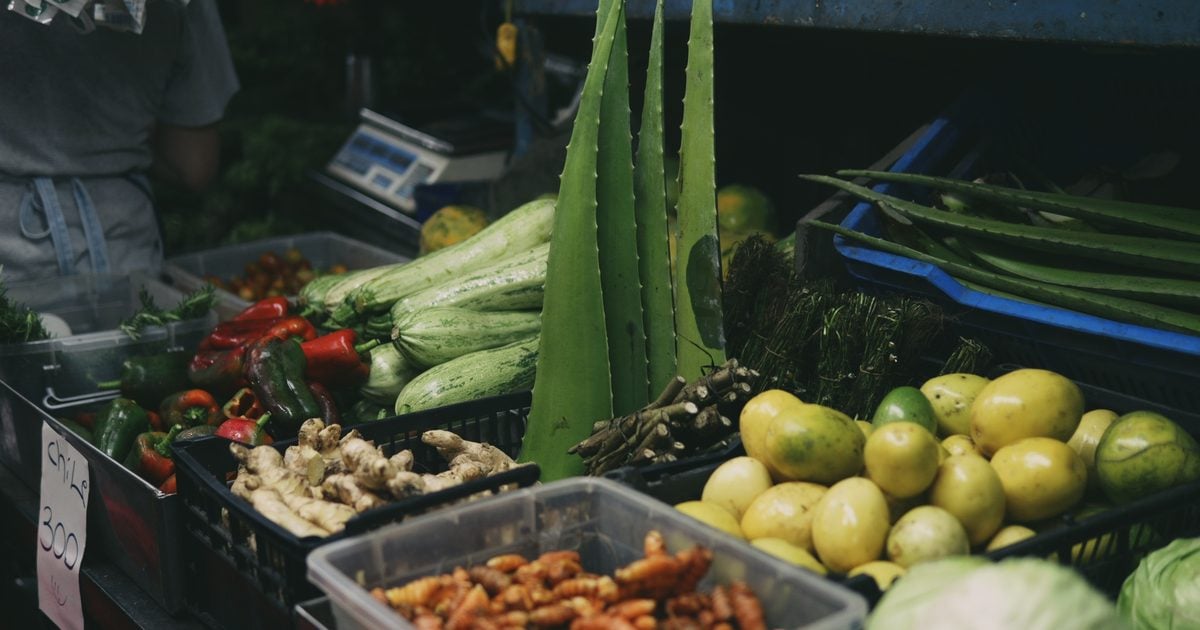
The flavor comes from sweet peppers, onion and herbs, from fresh cream and from the tropical produce sold at every weekend feria, the farmers’ markets held in almost every town.
Here are the twelve ingredients behind a plate of gallo pinto, a casado and a cup of coffee from a cloth chorreador, and what each one is doing.
Costa Rican Ingredients at a Glance
| Ingredient | What it is | Where it shows up |
|---|---|---|
| Frijoles negros | Black beans and their broth | Gallo pinto, sopa negra, chifrijo |
| Arroz | White rice | Gallo pinto, casado, arroz con pollo |
| Salsa Lizano | Sweet, tangy vegetable sauce | Gallo pinto, eggs, picadillos |
| Chile dulce, cebolla & culantro | Sweet pepper, onion and cilantro | The base of beans, rice and soups |
| Natilla | Thick soured cream | Breakfast, chorreadas |
| Plátano | Ripe and green plantain | Casado, patacones |
| Yuca | Cassava root | Olla de carne, enyucados |
| Pejibaye | Peach palm fruit | Boiled with mayonnaise, soup |
| Chayote | Mild green squash | Picadillo, olla de carne |
| Maíz | Corn and fresh corn | Tortillas, chorreadas, Christmas tamales |
| Tapa de dulce | Cane sugar cone | Agua dulce, coffee, desserts |
| Café | Arabica coffee | Brewed in a chorreador |
Beans and Rice
1. Frijoles Negros

Costa Rica cooks with black beans. They’re boiled with onion, sweet pepper and culantro, and the dark broth is as important as the beans.
That broth becomes sopa negra, black bean soup with a hard-boiled egg. Whole beans go into gallo pinto, and the bar snack chifrijo layers them with rice, chicharrón and pico de gallo.
2. Arroz

Rice is eaten twice a day or more. It’s fried with black beans, onion and sweet pepper for gallo pinto at breakfast, and it’s the center of the casado at lunch.
Rice is also cooked with chicken and vegetables in arroz con pollo, the dish served at almost every birthday and party.
The Seasonings
3. Salsa Lizano

Salsa Lizano is a thin, brown, slightly sweet vegetable sauce with a hint of cumin. The Lizano family started making it in 1920, and today it’s on nearly every Costa Rican table.
It goes into gallo pinto, over eggs, into picadillos and tamales and onto just about everything else. Costa Ricans abroad pack it in their suitcases.
4. Chile Dulce, Cebolla and Culantro
Almost every savory Costa Rican dish starts with the same three things: chile dulce, a small, sweet red pepper, onion and culantro.
In Costa Rica, culantro means cilantro. The long, saw-edged herb that Puerto Ricans call culantro is known here as culantro coyote, and both are used in beans and soups.
5. Natilla
In most of Latin America, natilla is a custard. In Costa Rica it’s thick, lightly soured cream, a lot like sour cream.
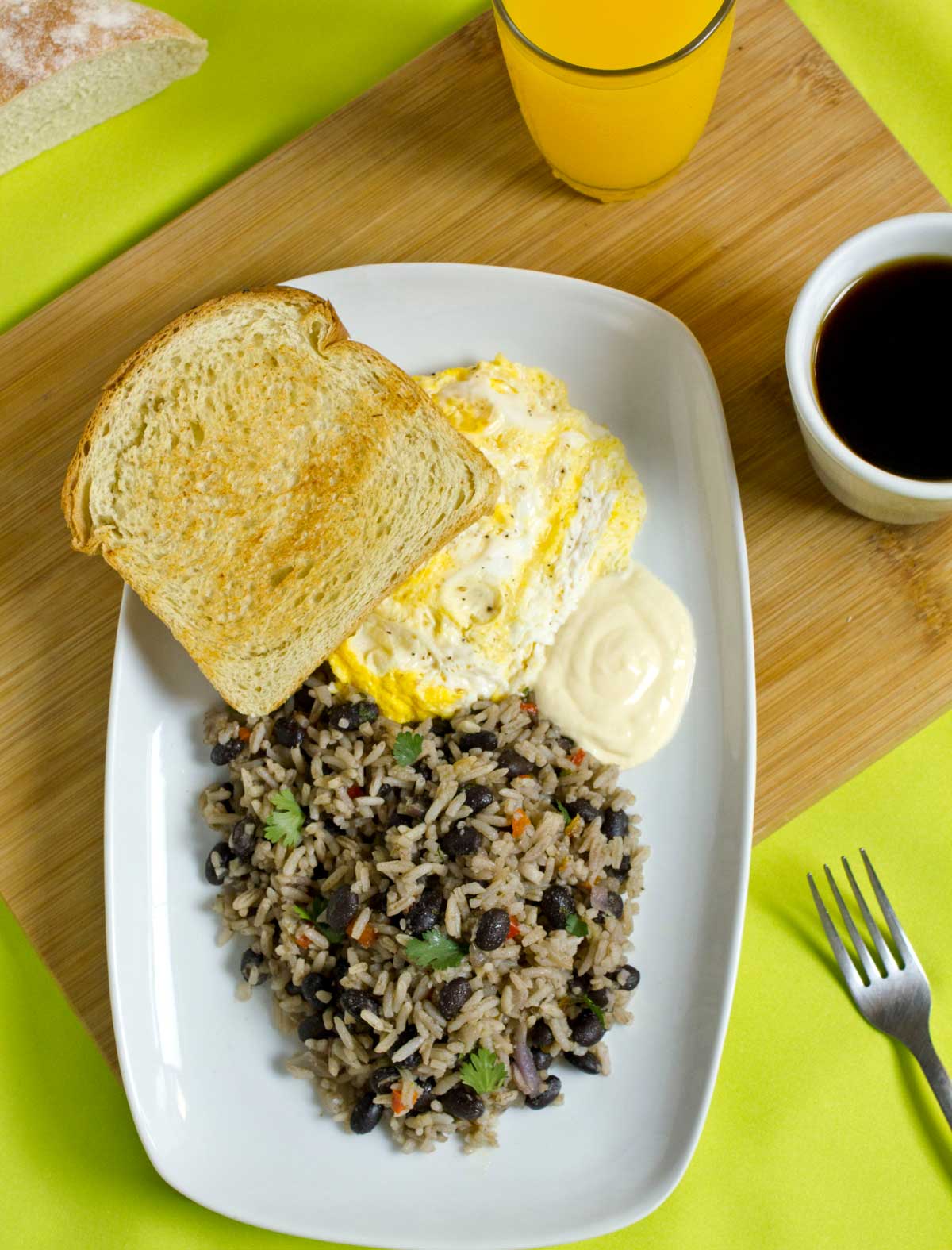
A spoonful goes next to gallo pinto and eggs at breakfast, on top of chorreadas and on baked potatoes. Sour cream is the closest substitute.
Roots, Fruits and Vegetables
6. Plátano
Ripe plantains, fried sweet and soft, are a standard part of the casado. Green plantains are fried twice into patacones, especially on the Caribbean coast.
Ripe plantains are also baked with cheese and cooked in syrup for dessert.
7. Yuca
Cassava is boiled for soups like olla de carne, the big beef stew with cassava, plantain, corn, chayote and other vegetables. It’s also fried and served with chicharrón.
Grated cassava goes into enyucados, fritters stuffed with meat or cheese.
8. Pejibaye

Pejibaye is the fruit of the peach palm. It’s orange or red, the size of an apricot, and it has to be boiled for hours in salted water before it can be eaten. The flesh is starchy and nutty, like a cross between a chestnut and a sweet potato.
Costa Ricans eat it with a spoonful of mayonnaise, and it’s also blended into soup. Colombians know the same fruit as chontaduro.
9. Chayote
Chayote, the pale green squash, is cooked into picadillo de chayote, a finely chopped hash of vegetables and meat eaten with tortillas. It’s also a standard vegetable in olla de carne.
Costa Rican cooks make picadillos from almost any vegetable, including green papaya, potato, green beans and arracache, a root that tastes like celery and carrot.
Corn and Sweets
10. Maíz

Corn tortillas are eaten with picadillos and gallo pinto, and thick, hand-patted tortillas palmeadas are a countryside classic. Fresh corn is ground into chorreadas, sweet corn pancakes served with natilla.
At Christmas, families spend a whole day making tamales of corn masa, pork, rice and vegetables, wrapped in plantain leaves. See our guide to Costa Rican Christmas foods.
11. Tapa de Dulce
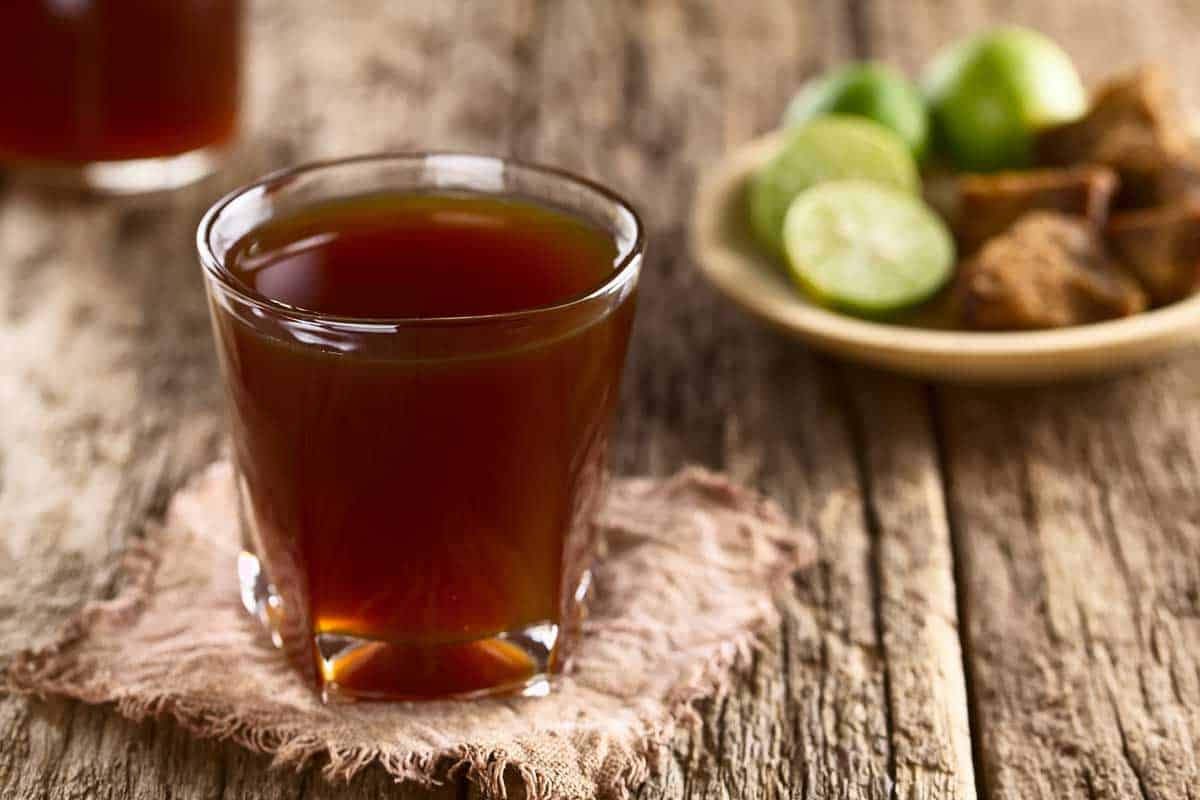
Tapa de dulce is unrefined cane sugar, sold in hard brown cones. Dissolved in hot water or milk, it becomes agua dulce, the drink farmers have started their day with for generations.
It also sweetens coffee and desserts like cajeta and arroz con leche. It’s the same product as panela. For more sweets, see our guide to Costa Rican desserts.
Coffee
12. Café
Coffee paid for much of modern Costa Rica, and the country takes quality seriously. For about three decades, Costa Rica banned the planting of robusta, so only arabica could be grown. The rule was dropped in 2018.
At home, coffee is brewed in a chorreador, a cloth filter hung on a wooden stand. See our guides to Costa Rican drinks and Latin American coffees.
Where to Buy Costa Rican Ingredients
Most of this list is easy to find. Latin groceries carry black beans, rice, plantains, cassava, chayote, sweet peppers, cilantro and panela.
Online, look for Salsa Lizano, Costa Rican coffee, a chorreador coffee stand and canned pejibaye.
Fresh pejibaye is the hardest thing on this list to find outside Latin America. Look for it canned or frozen at Latin groceries.
Frequently Asked Questions
What is the most important ingredient in Costa Rican food?
Black beans and rice, eaten together in gallo pinto and casado almost every day.
What is Salsa Lizano?
A thin, brown, slightly sweet vegetable sauce with cumin, made in Costa Rica since 1920 and used on almost everything.
Is Costa Rican food spicy?
No. Costa Rican food is mild. Chile sauces are served on the side.
What is natilla in Costa Rica?
A thick, slightly sour cream, similar to sour cream, not the custard of the same name.
What is pejibaye?
The fruit of the peach palm. It’s boiled for hours, then eaten with mayonnaise or made into soup.
What Else Is Always There
A few more things live in a Costa Rican kitchen. There’s garlic, tomato, eggs, fresh cheese like queso Turrialba, tropical fruit for frescos, and coconut on the Caribbean coast.
Once your pantry is stocked, cook your way through our guide to traditional Costa Rican food, see what’s served on Costa Rican holidays or browse everything we’ve written about Costa Rican food. To compare pantries, see our guides to Nicaraguan ingredients and Panamanian ingredients, or explore ingredients by country.
More Costa Rican Foods
See all →
Jorge Garcia is the founder of AmigoFoods, where he has spent over 20 years helping readers discover authentic Latin American and Spanish cuisine. Raised in a Cuban-American household, Jorge learned to cook at the hands of his mother and grandmother, carrying forward generations of family recipes. That heritage, backed by his family’s four-generation history in the Latin food industry, inspired him to launch AmigoFoods in 2003. With more than 1,000 published articles on recipes, ingredients, and food culture, Jorge’s mission is simple: make authentic Latin cooking approachable for home cooks everywhere while honoring the traditions behind every dish.