
On this page ⌄
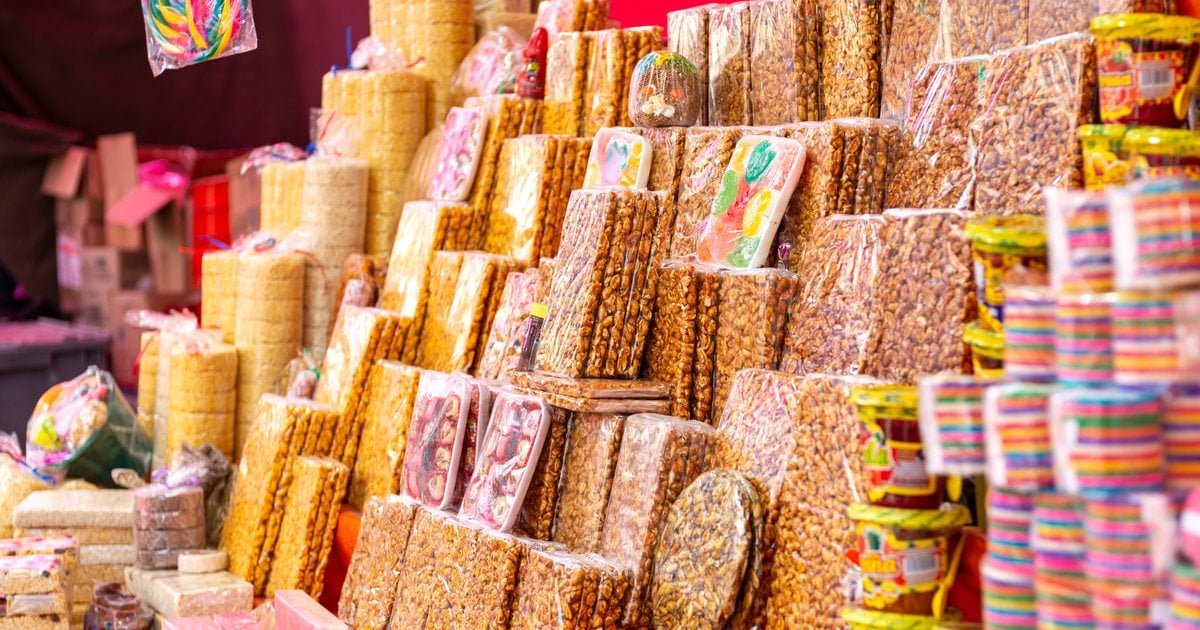
Mexican candy (dulces mexicanos) comes in two very different families. One is the factory candy kids buy at the corner store: tamarind, chili, salt and lime, sweet and sour and spicy all at once, in brands like Pulparindo, Lucas and Vero. The other is the dulces típicos, the traditional sweets sold at market stalls: peanut mazapán, amaranth alegrías, milk fudge, fruit pastes and coconut bars, many of them recipes that go back to colonial convents.
Below are 30 Mexican candies worth knowing, grouped the way you find them in a dulcería: the spicy tamarind candies first, then chili powders and chamoy, lollipops, chocolate and marshmallow, peanut and seed candies, milk candies, and the fruit, coconut and sugar sweets. For each one you get what it is, how spicy it is, and where to find it in the US.
Mexican Candy at a Glance
| Candy | What it is | Heat |
|---|---|---|
| Pulparindo | Tamarind pulp bar with sugar, salt and chili | Medium |
| Tamarindo enchilado | Tamarind balls rolled in sugar and chili | Medium |
| Pelón Pelo Rico | Tamarind paste squeezed out in strands | Mild |
| Rellerindos | Hard candy filled with tamarind | Medium |
| Banderillas | Tamarind paste on a long flat stick | Medium |
| Lucas Baby | Chili-salt-lime powder in a mini jar | Hot |
| Lucas Gusano | Squeeze-bottle chili and tamarind sauce | Medium |
| Skwinkles | Chili-coated candy ropes | Medium |
| Gomitas enchiladas | Gummies coated in chili and lime | Medium |
| Chamoy pickle kit | Pickle in chamoy with candy toppings | Medium |
| Vero Mango | Mango lollipop dusted with chili | Medium |
| Rockaleta | Chili lollipop with a gum center | Medium |
| Paleta Payaso | Chocolate-covered marshmallow clown pop | None |
| Duvalín | Two-flavor cream eaten with a tiny spoon | None |
| Bubulubu | Marshmallow and strawberry jelly in chocolate | None |
| Carlos V | Milk chocolate bar | None |
| Kranky | Chocolate-covered corn flakes | None |
| Mazapán | Pressed peanut and sugar disc | None |
| Palanqueta | Peanut or pepita brittle bar | None |
| Alegría | Puffed amaranth bound with honey | None |
| Jamoncillo de pepita | Pumpkin-seed paste bars | None |
| Glorias | Goat-milk caramel with pecans | None |
| Jamoncillo de leche | Soft milk fudge | None |
| Obleas | Thin wafers sandwiched with cajeta | None |
| La Vaquita | Chewy milk caramels | None |
| Ate | Sliceable fruit paste | None |
| Rollos de guayaba | Guava paste rolled in sugar | None |
| Cocadas | Coconut candy bars and drops | None |
| Camote de Puebla | Sweet potato paste in paper wrappers | None |
| Calaveras de azúcar | Decorated sugar skulls | None |
Spicy Tamarind Candies
Tamarind is the heart of Mexican candy. Its pulp is naturally sour and a little fruity, and Mexican candy makers balance it with sugar, salt and powdered chili so every bite is sweet, sour, salty and hot at once.
1Pulparindo
De la RosaTamarind barMedium heat
Pulparindo is the most famous tamarind candy in Mexico and the one most people in the US picture first: a flat, sticky bar of tamarind pulp mixed with sugar, salt and chili, sold in a little paper-and-plastic sleeve. You peel it back and bite. It is made by Dulces de la Rosa, the same Guadalajara company behind mazapán, at its factory in Jalisco.
Beyond the original, look for the extra-hot version if you like real heat, plus mango and watermelon versions that still carry chili.
Try it: a Pulparindo mixed-flavor pack covers the tamarind, extra-hot, mango and watermelon bars. As an Amazon Associate, AmigoFoods earns from qualifying purchases.
2Tamarindo Enchilado (Bolitas de Tamarindo)
Market stapleHomemade styleMedium heat
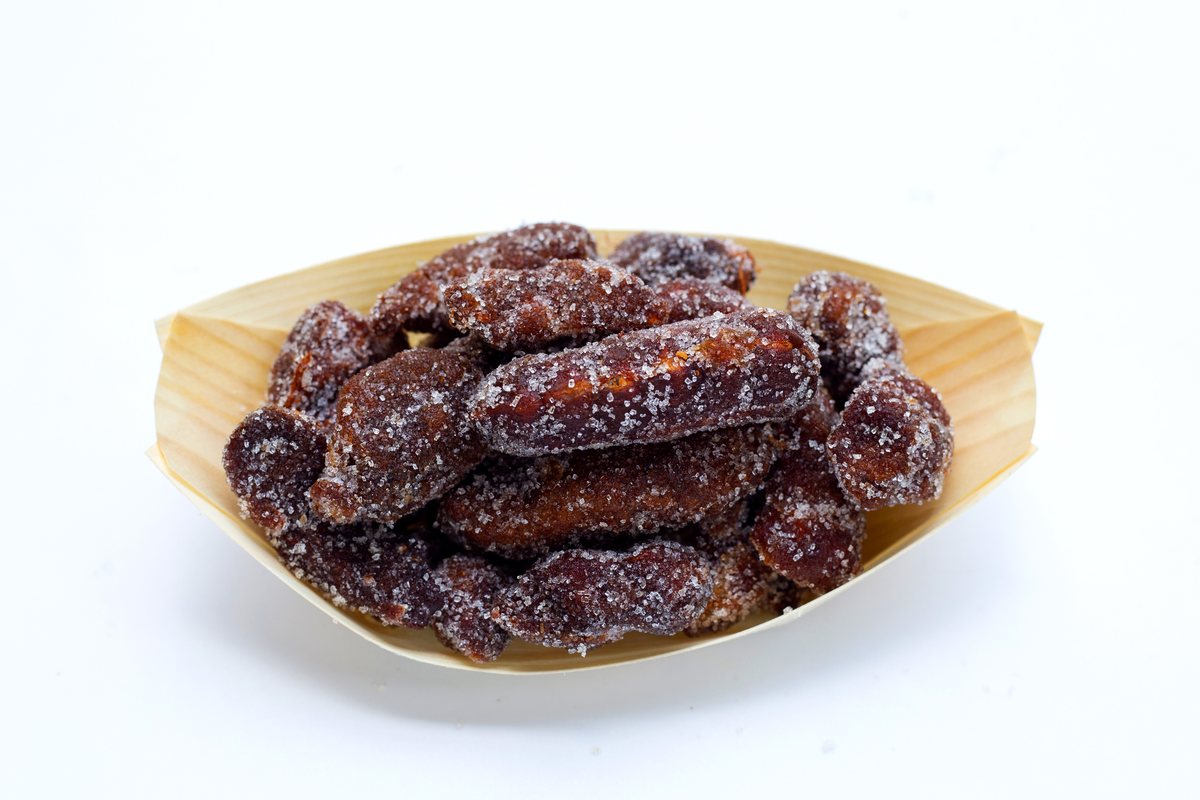
Before there were wrapped bars, there were tamarind balls. Market vendors still mash tamarind pulp with sugar, roll it into balls or logs and coat them in sugar and ground chili. They are softer and fruitier than Pulparindo, and you will often find the seeds still inside, so eat with care.
The same sweet-sour pulp is what goes into agua de tamarindo, the tamarind drink sold at every taquería.
3Pelón Pelo Rico
Squeeze tubeTamarind pasteMild heat
Pelón Pelo Rico is half candy, half toy. It is a tube of soft tamarind paste with a perforated cap: you push the bottom and the paste comes out the top in thin strands, like hair. That is the joke in the name, which roughly means “bald guy, nice hair.” The flavor is milder and sweeter than most tamarind candy, which makes it a good first try.
It was created by Grupo Lorena of Jalisco, which the Hershey Company bought in 2004.
4Rellerindos
VeroFilled hard candyMedium heat
The name joins relleno (filled) and tamarindo. Rellerindos are Vero’s tamarind-filled hard candies coated in chili: you work through the spicy outside and hit the sour tamarind inside. They come in small wrapped pieces, usually by the bag, and they are a classic piñata filler.
5Banderillas
Tamarind on a stickMedium heat
A banderilla is tamarind paste spread along a long, flat wooden stick and rolled in chili and sugar. Kids lick it down the length of the stick. The name is the same word used for the decorated darts in bullfighting, which the long sticks resemble. A smaller cousin is the cucharita, a plastic spoon topped with a dab of chili tamarind.
Chili Powders, Chamoy and Gummies
The second big group of spicy candy is built on chili powder and chamoy, the sweet, salty, sour fruit sauce Mexicans put on everything from fruit cups to beer. If you have ever had Tajín on mango, you already know the flavor.
6Lucas Baby
LucasChili powderHot
Lucas Baby is a tiny plastic jar of salty chili powder flavored with lime, mango or tamarind. You lick it off your finger, sprinkle it on fruit or chips, or dip a lollipop in it. It is pure seasoning with a little sugar, so it is the saltiest, hottest thing on this list.
7Lucas Gusano
LucasSqueeze sauceMedium heat
The Gusano (worm) is a squeeze bottle of thick chili and tamarind sauce. It comes out in a long line, which is where the name comes from. People squirt it straight into their mouths, onto fruit and over gummies. Lucas also makes the Muecas lollipop and Pelucas, a chamoy sauce in a bottle with a “hair” top.
Try it: a Lucas variety box mixes the powders, Gusano and Pelucas so you can taste them side by side.
8Skwinkles
Chili candy ropesMedium heat
Skwinkles are thin, chewy fruit-flavored candy ropes rolled in chili powder. The Salsagheti version comes with a packet of chili sauce for dipping, and both are a standard topping on the chamoy pickles below.
9Gomitas Enchiladas
Chili-coated gummiesMedium heat
Any dulcería in Mexico or the US sells bulk gummy rings, bears and worms tossed in chili, lime and salt, often with a squirt of chamoy. They are easy to make at home too: toss gummy rings in a little chamoy, then roll them in Tajín.
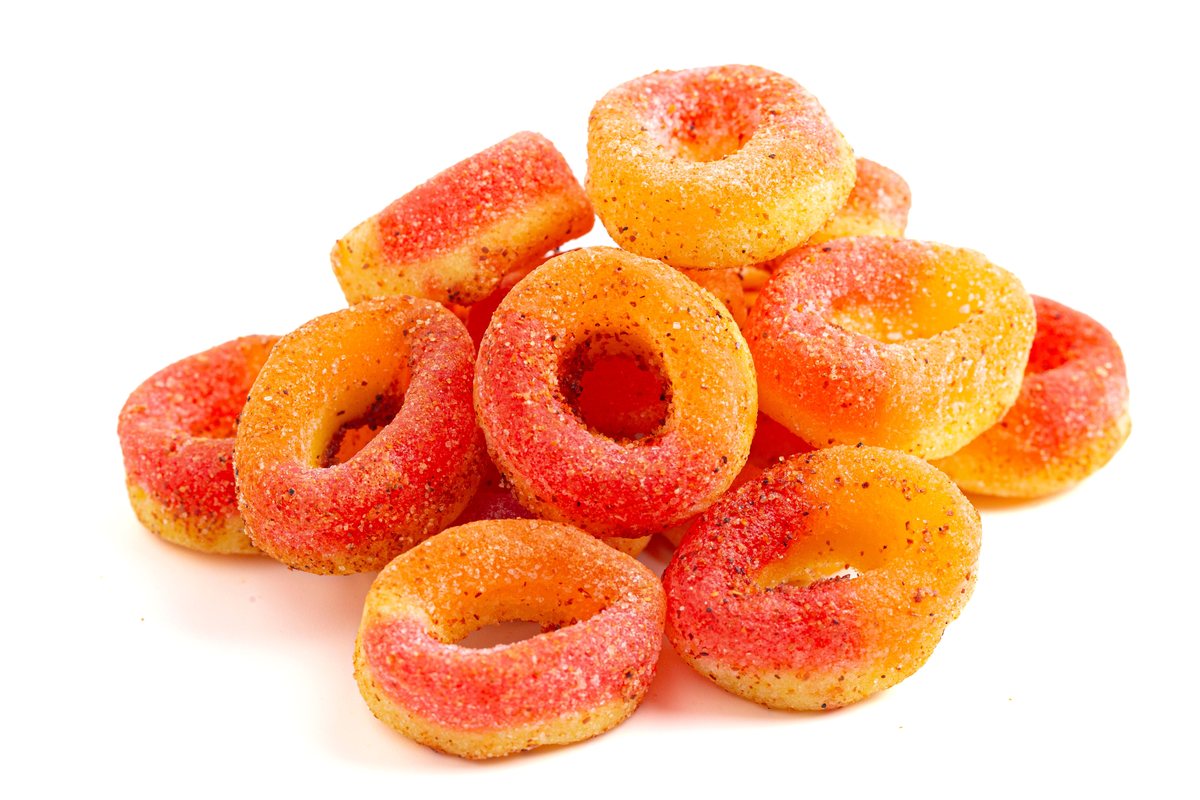
The same treatment is applied to dried fruit. Mango enchilado is dried mango coated in chili and chamoy, and a bag of chili chamoy mango slices is a good place to start if you like your candy chewy. For the sauce itself, see our guide to chamoy.
10Chamoy Pickle Kit
ViralTex-MexMedium heat
This is the Mexican candy that went viral on TikTok. It starts with a big dill pickle soaked in chamoy, like Alamo Candy’s Big Tex from San Antonio. You wrap it in a Fruit Roll-Up, coat it in chili powder and pile on gummies, Lucas Gusano and Salsagheti. It sounds strange, but sour pickle and sweet-spicy chamoy work for the same reason chamoy works on fruit.
Try it: this chamoy pickle kit includes the Big Tex pickle, a Fruit Roll-Up, Lucas Gusano and Salsagheti.
Lollipops (Paletas)
Mexican lollipops are rarely just sugar. Most are coated in chili, filled with gum or covered in chocolate.
11Vero Mango
VeroChili lollipopMedium heat
Vero Mango is the classic chili lollipop: a flat, mango-shaped hard candy dusted all over with chili powder. The fruit flavor hits first, then the heat builds. Vero makes a whole family of them, including the Elote, a corn-shaped chili lollipop.
Try it: Vero Mango chili lollipops come 40 to a bag, the way they are sold for piñatas. For a newer twist, there are also bottle-shaped Jarritos lollipops in sweet or spicy versions.
12Rockaleta
Gum centerMedium heat
A Rockaleta is a round lollipop coated in chili with chewing gum in the middle, so the candy lasts twice as long. It is one of the most common lollipops at Mexican corner stores.
13Paleta Payaso
RicolinoMarshmallowNo heat
The Paleta Payaso (clown lollipop) is a marshmallow on a stick, covered in chocolate and decorated with gummies that make a clown face. Every face is a little different, which is part of the fun. It is made by Ricolino, the candy company founded in 1970 by Roberto and Lorenzo Servitje of Grupo Bimbo.
Chocolate and Marshmallow Candies
If you do not want any chili at all, these are the safe bets. Most come from Ricolino, which Grupo Bimbo sold to Mondelēz in 2022.
14Duvalín
RicolinoTwo-flavor creamNo heat
Duvalín is a small plastic tray holding two stripes of soft, sweet cream, such as hazelnut and vanilla or strawberry and vanilla, with a tiny spoon to scoop it out. The texture sits somewhere between frosting and fudge. Ask any Mexican adult about it and you will get a story about childhood.
15Bubulubu
RicolinoMarshmallow barNo heat
Bubulubu is a soft marshmallow bar with a layer of strawberry jelly, all coated in chocolate. It is light and squishy, more marshmallow than chocolate.
16Carlos V
Milk chocolateNo heat
Carlos V (Carlos Quinto) is Mexico’s best-known milk chocolate bar, thin and very sweet. It started with the Mexican company La Azteca, the same maker behind Abuelita, and today it is owned by Nestlé. If you want Mexican chocolate for drinking, that is a different product: see our Mexican hot chocolate guide.
17Kranky
RicolinoChocolate corn flakesNo heat
Kranky is simply corn flakes coated in chocolate, sold in small bags. It is crunchy, not too sweet and easy to finish in one sitting.
Peanut and Seed Candies
Peanuts, pumpkin seeds and amaranth are the backbone of the dulces típicos. These are the candies you find stacked in pyramids at market stalls and outside churches.
18Mazapán de la Rosa
De la RosaPeanut candyNo heat
Mazapán de la Rosa is the most famous Mexican candy of all: a round disc of finely ground peanuts and sugar, pressed so lightly that it crumbles if you open it the wrong way. Jesús Michel González and Elvira Velasco Rolón founded Dulces de la Rosa in Guadalajara in 1942. Their peanut candy was first sold as “Conitas,” but customers called it mazapán de la Rosa after the rose on the logo, and the name stuck. In 2018 the company set a Guinness record for the world’s largest mazapán.
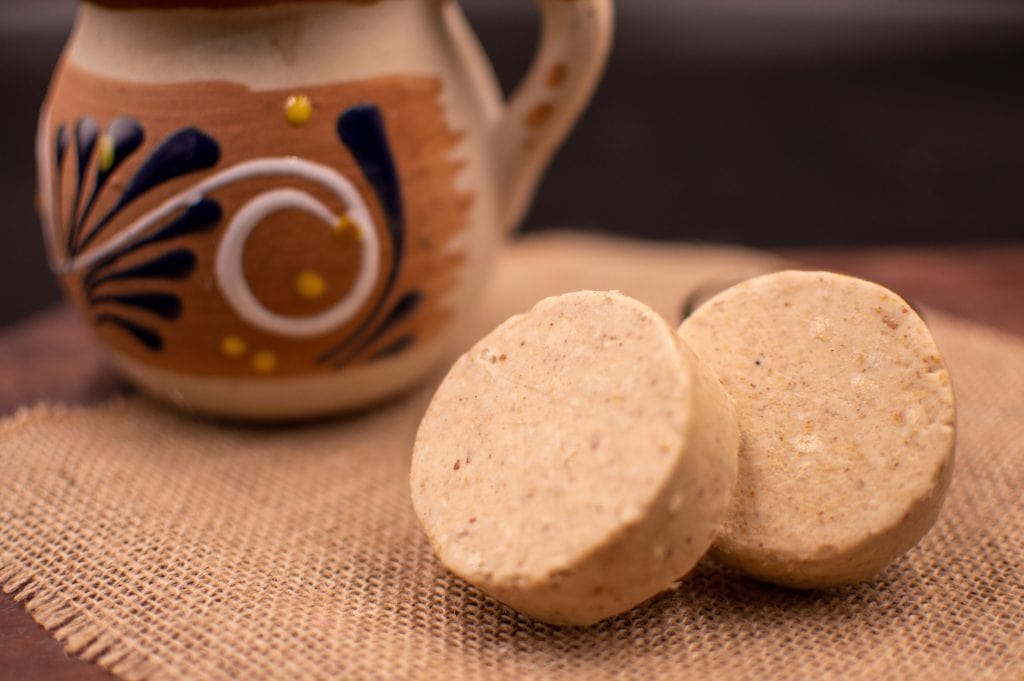
It is not the same as marzipan: European marzipan is made with almonds. You can make the Mexican version at home with our Mexican mazapán recipe, or compare it with the almond Spanish mazapán.
Buy it: Mazapán de la Rosa is sold in boxes of 30, including a chocolate-covered version.
19Palanqueta
Brittle barNo heat
Palanqueta is Mexican brittle: whole peanuts, pumpkin seeds or mixed nuts bound in caramelized sugar or piloncillo and cut into bars. It is crunchy, toasty and much less sweet than most American brittle. The town of Guadalupe in Nuevo León is known for producing it in large amounts. Candied peanuts, called cacahuates garapiñados, are its loose cousin, sold warm in paper cones.
20Alegría
AmaranthPre-Hispanic rootsNo heat
Alegría, which means “joy,” is puffed amaranth seed bound with honey or piloncillo and pressed into bars or rounds, often topped with peanuts, raisins or pepitas. Amaranth was a sacred grain for the Aztecs, which makes alegría one of the few Mexican candies with roots before the Spanish arrived. It is light, crisp and gently sweet.

For Day of the Dead, the same mixture is pressed into skulls. See our guide to Día de los Muertos foods.
21Jamoncillo de Pepita
Pumpkin seedNo heat
This is a smooth paste of ground pepitas and sugar, usually shaped into striped bars of pink and white. It tastes nutty and rich, a little like marzipan made with pumpkin seeds.
Milk Candies (Dulces de Leche)
Milk slowly cooked with sugar until it turns thick and golden is the base for a whole shelf of Mexican candy, especially in the north, where goat milk is common.
22Glorias
Linares, Nuevo LeónGoat milkNo heat
Glorias are soft balls of leche quemada (cooked goat milk caramel) rolled with pecans and wrapped in red cellophane. They were created in the 1930s in Linares, Nuevo León, by Natalia Medina Núñez, who sold blocks of milk candy with her neighbor Melesio Pérez. Today Linares has around 15 companies making milk candy, and glorias are sold in airports all over Mexico.
If you have never had Mexican candy, start here. Glorias taste like rich, nutty dulce de leche, with no chili and no surprises.
Try it: a 30-piece bag of Las Sevillanas glorias is the easiest way to find them outside Mexico.
23Jamoncillo de Leche
Milk fudgeNo heat
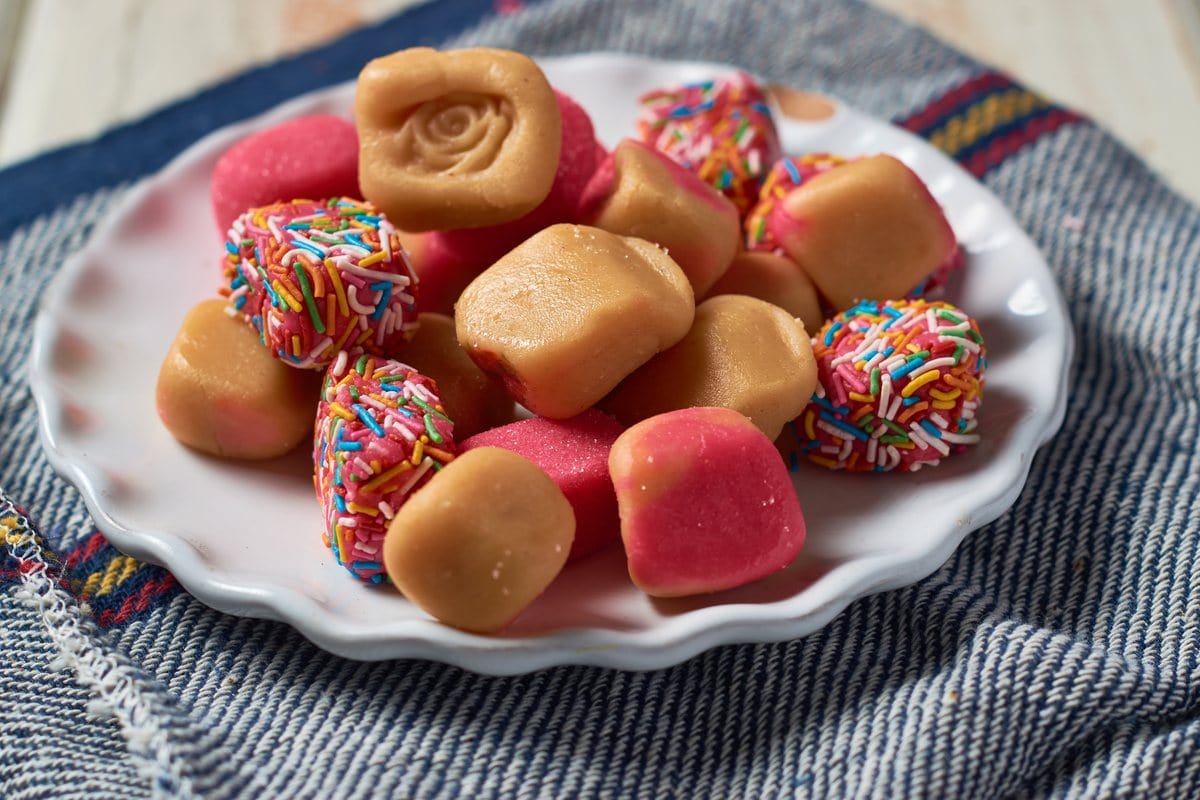
Jamoncillo is Mexico’s milk fudge: milk and sugar cooked until it can be shaped, then pressed into bars, flowers or little figures. Some are plain, some are tinted pink or topped with sprinkles, and some are studded with pecans or walnuts. The texture is firm but melts quickly.
24Obleas con Cajeta
WafersNo heat
Obleas are paper-thin, colorful wafers, and the Mexican way to eat them is with a layer of cajeta (goat-milk caramel) between two of them. Street vendors sell them stacked, and some also come with pepitas pressed into the wafer. Colombia has its own, larger version: see our Colombian obleas.
25La Vaquita Chiclosos
Canel’sMilk caramelNo heat
Chiclosos are chewy milk caramels, and La Vaquita (“the little cow”) from Canel’s is the brand most people know, with a cow on the wrapper. They are soft, buttery and stick to your teeth in the best way.
Try it: Canel’s La Vaquita milk caramels.
Fruit, Coconut and Sugar Candies
The oldest Mexican sweets are fruit cooked down with sugar, a technique the Spanish brought and Mexican convents perfected.
26Ate
Morelia, MichoacánFruit pasteNo heat
Ate is a firm fruit paste you slice like cheese. It is made from quince, guava, mango, peach or sweet potato, and Morelia in Michoacán is famous for it. The tradition is traced to Franciscan friars in colonial times. Eat it with a slice of fresh cheese, the same way Spain eats membrillo.
27Rollos de Guayaba
GuavaNo heat
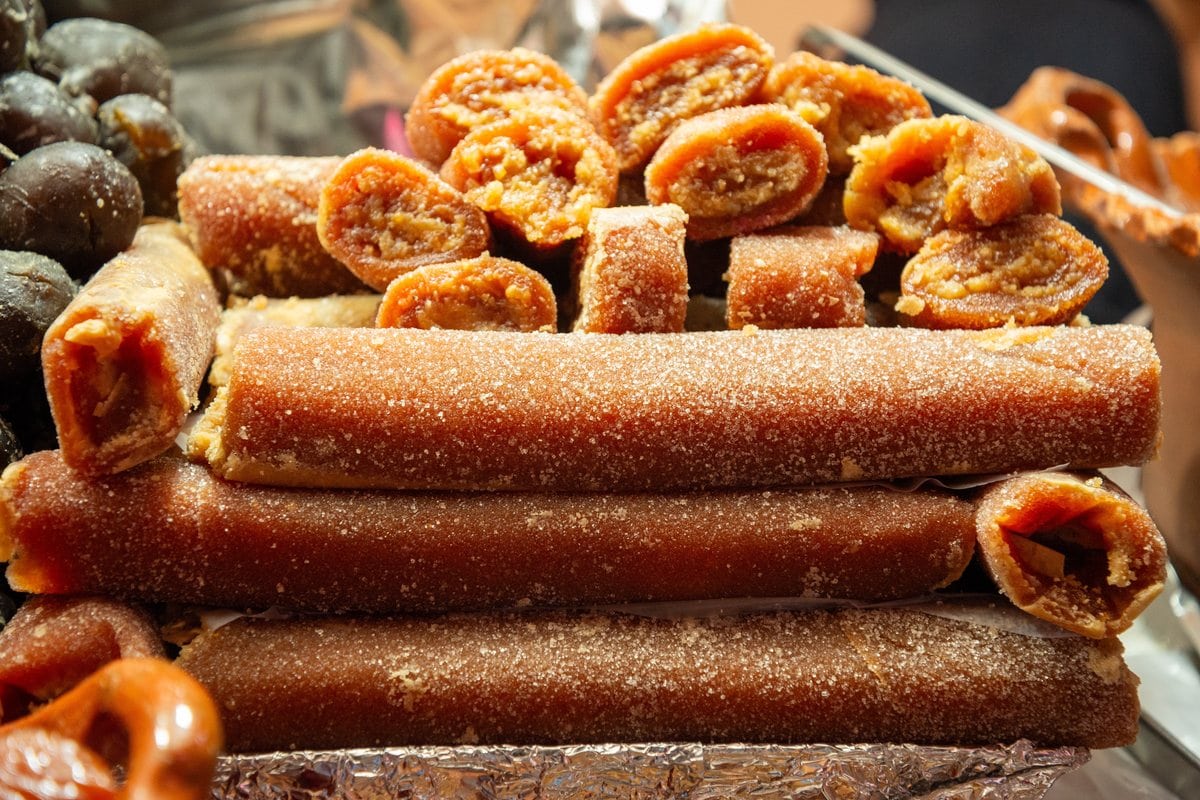
These are logs of guava paste rolled in sugar, sometimes filled with cajeta. Cut into rounds, they look like little spirals. They are a December favorite, the same season guava goes into ponche navideño.
28Cocadas
CoconutNo heat
Cocadas are coconut candies, and Mexico makes them every way: soft white drops, toasted golden bars and tricolor bars dyed green, white and red like the flag, sold especially around Independence Day in September.

For a recipe you can make in a skillet, see our cocadas guide.
29Camote de Puebla
PueblaSweet potatoNo heat
Camotes are long bars of sweet potato paste flavored with fruit like pineapple, lemon or strawberry, each wrapped in waxed paper. They are the signature sweet of Puebla’s old candy street, and the recipe is credited to the nuns of the Santa Clara convent. Learn more about the vegetable in our guide to Mexican sweet potatoes.
30Calaveras de Azúcar
Día de MuertosPure sugarNo heat
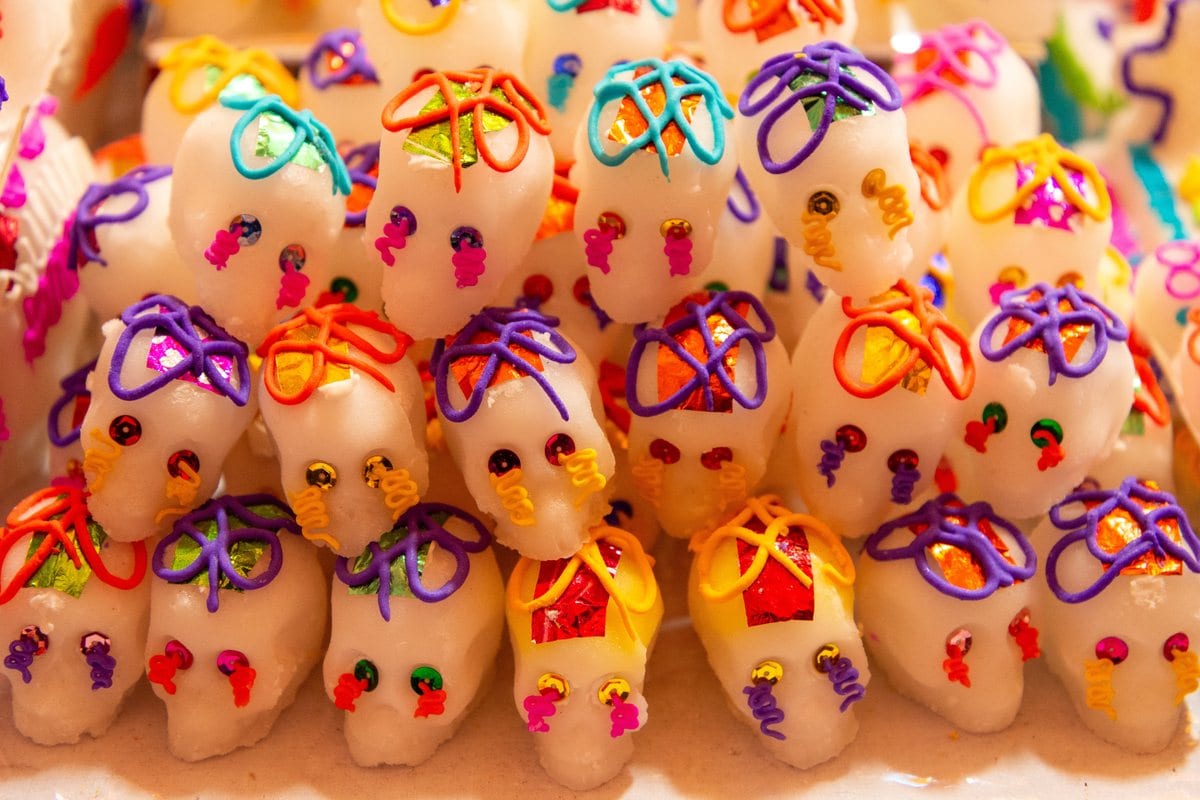
Sugar skulls are molded from sugar, decorated with colored icing and foil, and placed on ofrendas for Day of the Dead, often with a name written across the forehead. They are edible, but most are made for display rather than eating.
Read the full story, with how to make them, in our sugar skulls guide. For more traditional sweets, try the dulce de tejocote made for the holidays, or our full list of Mexican desserts.
Is Mexican Candy Safe? A Note on Lead
In 2004 the FDA warned that some candy imported from Mexico could contain lead, especially candies with a lot of chili powder and those made with tamarind. The chili powder could become contaminated during manufacturing, and tamarind could pick up lead if it was stored in poorly glazed ceramic pots.
The industry has improved a lot since then. After a 2006 legal agreement with the major importers, including Mars and Hershey, the share of chili and tamarind candies with hazardous lead levels fell from 45% to 3%.
Lead in imported candy has not disappeared completely, though, and children and pregnant women are the most at risk. Buy established brands from stores you trust, check the California Department of Public Health’s list of candy advisories if you are unsure about a product, and treat chili candy as a treat, not a daily snack.
Where to Buy Mexican Candy in the US
Mexican candy is easier to find now than ever. Your best options, from most to least selection:
- Mexican supermarkets and dulcerías. Stores that cater to Mexican shoppers carry the full range, from Pulparindo to bulk gomitas enchiladas. Dulcerías (candy and piñata shops) sell candy by weight.
- Big grocery chains. In Texas, California and the Southwest, the Hispanic aisle at a regular supermarket usually has De la Rosa, Vero and Lucas.
- Online. Mixed variety boxes are the easiest way to try a lot at once. A Lucas mix covers the chili powders, and a Mexican candy variety pack usually includes Pulparindo, mazapán and Vero lollipops.

Candy matters most in December. At the posadas before Christmas, kids get aguinaldos, little bags of candy and fruit, and smash piñatas full of it. See our guide to Mexican Christmas food for the rest of the table. If you like candy from across Latin America, read our guides to Puerto Rican candy and Ecuadorian candy.
Frequently Asked Questions
What is the most popular Mexican candy?
Mazapán de la Rosa and Pulparindo, both made by Dulces de la Rosa in Jalisco, are the two most popular Mexican candies. Vero Mango lollipops, Duvalín, Paleta Payaso and Lucas chili powders are close behind.
What is a traditional Mexican candy?
Traditional Mexican candies, called dulces típicos, are made from simple local ingredients: peanut mazapán, palanquetas, amaranth alegrías, milk candies like glorias and jamoncillo, fruit pastes like ate, coconut cocadas, camotes from Puebla and sugar skulls.
What are some popular Mexican candy names?
Some of the best-known names are Pulparindo, Mazapán de la Rosa, Pelón Pelo Rico, Rellerindos, Vero Mango, Rockaleta, Lucas, Skwinkles, Duvalín, Bubulubu, Paleta Payaso, Carlos V, Kranky, Glorias and La Vaquita.
What is the viral Mexican candy?
The chamoy pickle kit went viral on TikTok: a dill pickle soaked in chamoy, wrapped in a Fruit Roll-Up and topped with chili powder, Lucas Gusano and Skwinkles Salsagheti.
Why is Mexican candy spicy?
Mexicans have long eaten fruit with chili, salt and lime, and Mexican candy follows the same idea. The chili and salt balance the sugar and make sour flavors like tamarind and mango taste brighter, so the candy is sweet, sour, salty and spicy at the same time.
Does Mexican candy have lead?
Some chili and tamarind candies imported from Mexico have tested high for lead in the past, and the FDA warned about them in 2004. The problem has dropped sharply since then, but it has not disappeared. See the safety note above for how to buy with confidence.
What is a Mexican candy shot?
A Mexican candy shot is a cocktail, not a candy. It is named for its flavor: tequila shaken with watermelon schnapps and a dash of hot sauce, served in a glass rimmed with chamoy and Tajín. It tastes like a chili watermelon lollipop.
Where can I buy authentic Mexican candy?
Mexican supermarkets, dulcerías and the Hispanic aisle of large grocery chains carry the main brands, and you can order variety packs online. Look for De la Rosa, Vero, Lucas, Ricolino and Las Sevillanas on the label.
Is Mexican mazapán the same as marzipan?
No. European marzipan is made from almonds and sugar and can be molded. Mexican mazapán is made from peanuts and sugar and is pressed into crumbly discs.
More Mexican Foods
See all →
Jorge Garcia is the founder of AmigoFoods, where he has spent over 20 years helping readers discover authentic Latin American and Spanish cuisine. Raised in a Cuban-American household, Jorge learned to cook at the hands of his mother and grandmother, carrying forward generations of family recipes. That heritage, backed by his family’s four-generation history in the Latin food industry, inspired him to launch AmigoFoods in 2003. With more than 1,000 published articles on recipes, ingredients, and food culture, Jorge’s mission is simple: make authentic Latin cooking approachable for home cooks everywhere while honoring the traditions behind every dish.