

Salsa Lizano, also called Lizano sauce, is a smooth, light-brown Costa Rican condiment with a savory, tangy and slightly sweet flavor. Use it while cooking rice and beans, stir it into dips and marinades, or add a small drizzle at the table.
If you have a bottle and are wondering what to make, start with gallo pinto, eggs or a simple black bean dip. Below are 20 ways to use it, followed by how it compares with Worcestershire and A1, a homemade substitute and buying tips.

For the pantry behind this dish, see our guide to the 12 essential Costa Rican ingredients.
What Is Salsa Lizano?
Lizano sauce and Salsa Lizano are two names for the same condiment. Despite the word “salsa,” it is a pourable seasoning sauce rather than a chunky tomato salsa. It can be added to a recipe or used as a finishing sauce.
It is closely associated with Costa Rican cooking, particularly rice and beans, tamales and meat dishes. Unilever Food Solutions lists Lizano Salsa Regular among its products.
What Does Salsa Lizano Taste Like?
Expect a balance of sweetness, tang, salt and warm spice. It is often compared with Worcestershire sauce, although the two have different flavors and ingredients. Regular Salsa Lizano is generally used for seasoning rather than intense chili heat; start with a little and adjust to your taste.
Salsa Lizano Ingredients

The manufacturer’s ingredient list for the 3.7-liter Salsa Regular includes water, sugar, iodized salt, vegetable concentrate, molasses, spices containing mustard and celery, modified corn starch, acetic acid, hot chili, hydrolyzed vegetable protein and sodium benzoate.
Check your own bottle for its current ingredients, dietary information and storage directions: formulations and labeling can differ by market and package. The commercial ingredient list is not a recipe for making an exact copy at home.
20 Ways to Use Salsa Lizano
These ideas cover traditional dishes, dips, marinades and everyday toppings. The serving suggestions are flexible starting points, not a claim that every variation is a traditional Costa Rican recipe. Because Lizano adds salt, taste before adding other salty seasonings.
Traditional Dishes to Use Salsa Lizano
20. Gallo Pinto

Gallo pinto is the classic place to start: cooked rice and beans sautéed with vegetables and Salsa Lizano. Stir the sauce into the pan as you combine the cooked ingredients so the seasoning spreads through the dish. Serve with eggs for a Costa Rican breakfast.
Follow your gallo pinto recipe for quantities, then taste before adding more salt. Lizano supplies salt as well as sweetness and spice. It is also the finishing touch in chifrijo, Costa Rica’s bar bowl of beans and crispy chicharrón.
19. Tamales

Salsa Lizano can season a tamale filling or be served alongside the finished tamales. Costa Rican tamales commonly use banana-leaf wrappers and are associated with Christmas celebrations.
Try a small drizzle over a warm tamale before adding more. Keep the bottle at the table so each person can season their own serving.
18. Olla de Carne

Serve Salsa Lizano at the table with olla de carne, a Costa Rican beef-and-vegetable soup. A little sauce can add tang and savory depth to the broth.
Season an individual bowl first, particularly if the pot is already salted. This lets you adjust the flavor without overpowering the vegetables and beef.
17. Arroz con Pollo

Salsa Lizano also works in arroz con pollo. Stir it through the cooked chicken, rice and vegetables as they come together, following the recipe you are using.
If the dish also contains broth, soy sauce or another salty seasoning, taste before adding extra salt. Start with a modest amount of Lizano and build the flavor gradually.
Salsa Lizano Dips
16. Chips and Dip

For a creamy dip, stir a little Salsa Lizano into sour cream, plain yogurt or mayonnaise. Serve with tortilla chips, vegetable sticks or plantain chips.
As a starting point, try 1 teaspoon in ¼ cup of your chosen base, then taste and adjust. You can also serve a small dish of Lizano on its own for dipping.
15. Salsa
Stir a small splash into tomato salsa for extra savory flavor. It can also complement the sweetness of mango salsa.
Add it gradually: Lizano changes the saltiness and acidity as well as the flavor. Taste before adding more lime juice or salt.
14. Guacamole

Give guacamole a Lizano twist by mixing a little sauce into the mashed avocado, onion and lime. This is an optional variation rather than a requirement for traditional guacamole.
Begin with a small splash, stir thoroughly and taste. Serve with chips or use it as a spread in tacos and sandwiches.
13. Black Bean Dip
Blend cooked black beans with a little broth, sautéed onion and Salsa Lizano for a savory dip. Adjust the broth until the texture is as thick or smooth as you like.
Serve warm with tortilla or plantain chips. For extra heat, add chopped jalapeño separately so you can control the spice level.
12. Charcuterie Boards
Add a small bowl of Salsa Lizano or a creamy Lizano dip to a board of meats, cheeses and vegetables. Its tang gives guests another way to season individual bites.
Plantain chips, avocado slices and grilled vegetables make useful accompaniments. Keep the sauce in a separate bowl so it does not soak into crisp foods.
Salsa Lizano for Meat Marinades and More
11. Pulled Pork
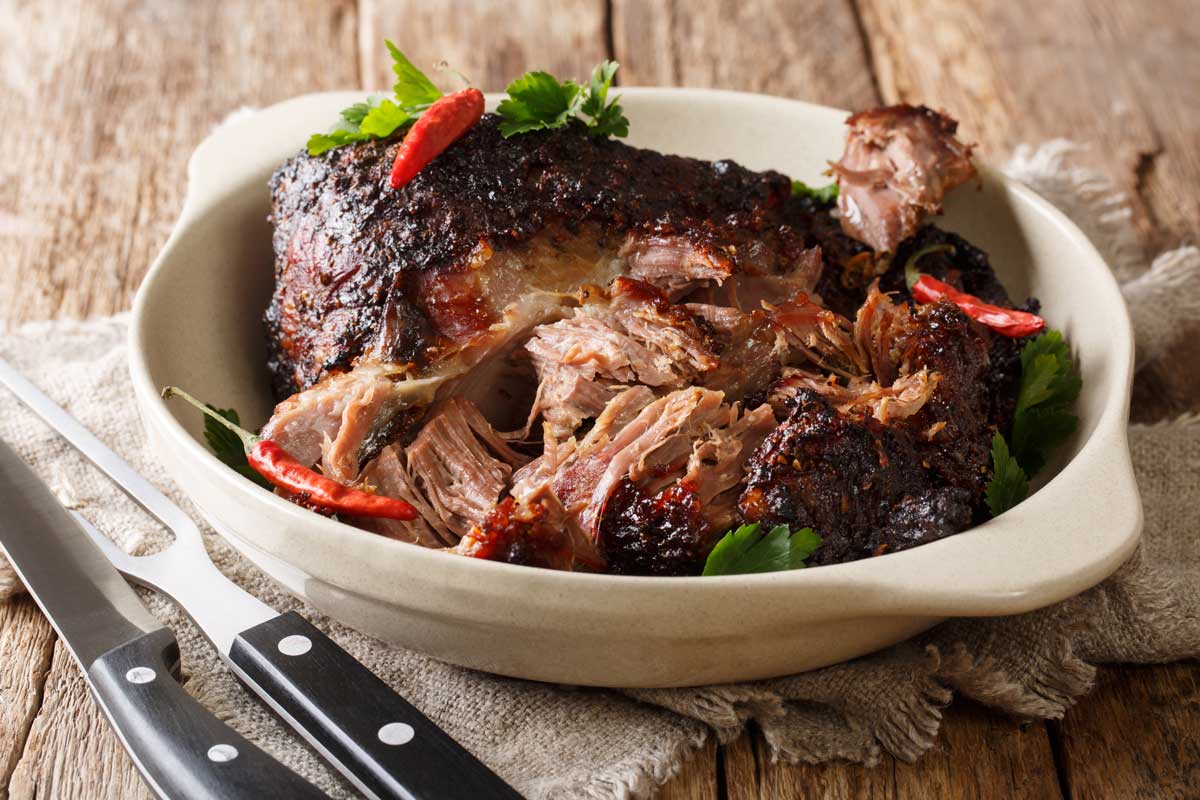
Use Salsa Lizano to season pork shoulder along with onion, garlic and your preferred spices. Follow a trusted slow-cooker or oven recipe for the cooking method.
Once the pork is cooked and shredded, stir in a little more sauce if needed. Serve in sandwiches, rice bowls or as a filling for tamales.
10. Burgers

Salsa Lizano works as a burger topping or mixed into mayonnaise for a tangy spread. It pairs with beef burgers and vegetable patties alike.
Try the creamy-dip starting ratio above, then spread it on the bun. Adding the sauce at serving time makes it easy to control how much each burger gets.
9. Chicken
Add Salsa Lizano to your usual chicken marinade, or brush a little onto cooked chicken before serving. For a sweeter barbecue-style finish, combine it with a little ketchup.
It also works in chicken salad: mix it into the dressing before combining with the cooked chicken. Keep a separate, clean portion of sauce for serving if you are using a marinade with raw meat.
8. Seafood

A little Salsa Lizano and lime juice can season cooked fish or shrimp. Serve with rice and beans for a simple meal.
Use a light hand with delicate seafood. Drizzling the sauce over a cooked portion lets you taste the balance before seasoning the rest.
7. Tempeh or Tofu
Stir Salsa Lizano into a tofu or tempeh stir-fry, or use it as part of a marinade. Firm tofu is convenient for cubes that will be pan-fried.
Add the sauce near the end of cooking and toss to coat. For a vegan meal, check the label on the sauce and any other seasonings you use.
Salsa Lizano Topping and Mix-in Uses
6. Bloody Marys
Use a few drops of Salsa Lizano as an alternative savory seasoning in a Bloody Mary or alcohol-free tomato drink. Stir it into the tomato juice and taste before adding more.
Add hot sauce separately if you want extra heat. Lizano’s seasoning will change the drink’s flavor, so it is an adaptation rather than an exact Worcestershire replacement.
5. Tacos

Drizzle Salsa Lizano over cooked taco fillings, or mix it with sour cream for a quick topping. It works with beans, vegetables and meat.
Add a little first, especially when the filling is already well seasoned. Finish with your usual cilantro, onion or lime.
4. Eggs

Try a few drops on fried or scrambled eggs. Serve them with gallo pinto, avocado or toast for an easy breakfast.
Adding the sauce at the table preserves the option of a plain serving and makes it easy to find the amount you enjoy.
3. Stir Fry
Toss a small amount of Salsa Lizano through cooked vegetables and rice or noodles. Peppers, onions and tofu are easy starting ingredients.
If you also use soy sauce, reduce it at first and taste the finished dish before adding more. Both sauces contribute salt.
2. Soups and Salads
Stir a little Lizano into a bowl of vegetable soup or beef stew for extra seasoning. Add it to the individual serving first rather than the whole pot.
For salads, whisk a small amount into a vinaigrette and taste before adding salt or more vinegar. Toss lightly so the dressing complements the vegetables.
1. Breakfast Burritos

Fill a warm tortilla with scrambled eggs, black beans, cheese and any other cooked fillings you enjoy. Drizzle a little Salsa Lizano over the filling before rolling.
Cooked potatoes or avocado also work well. Toast the rolled burrito in a skillet if you prefer a crisp exterior.
Salsa Lizano vs. Worcestershire Sauce vs. A1
Salsa Lizano, Worcestershire sauce and A1 all come in dark bottles and all add savory depth, but they taste different and do different jobs. Lizano is a thin, mildly tangy and slightly sweet vegetable-and-spice sauce made for seasoning rice and beans. Worcestershire is sharper and saltier, with umami from fermented anchovies. A1 is a thick, fruity, tomato-based steak sauce.
| Salsa Lizano | Worcestershire Sauce | A1 Sauce | |
|---|---|---|---|
| Origin | Alajuela, Costa Rica (1920) | Worcester, England (Lea & Perrins, 1830s) | England (1820s); today a Kraft Heinz brand in North America |
| Key ingredients | Water, sugar, salt, vegetable concentrate, molasses, spices, acetic acid | Vinegar, molasses, anchovies, tamarind, onion, garlic, cloves | Tomato purée, raisin paste, vinegar, crushed orange purée, spices |
| Flavor | Savory, mildly tangy, slightly sweet, warm spice | Sharp, salty, strongly umami | Tart, fruity, tomato-forward |
| Texture | Thin and pourable | Very thin | Thick, like ketchup |
| Fish or meat? | None listed on the label | Usually anchovies (vegetarian versions exist) | None in the standard recipe |
| Best for | Gallo pinto, rice, beans, eggs, tamales, marinades | Beef marinades, stews, Caesar dressing, Bloody Marys | Steak, burgers, meatloaf |
Salsa Lizano vs. Worcestershire Sauce
These two are the most often confused, and Worcestershire is the usual stand-in. Both can add tang and savory depth, but many Worcestershire sauces include anchovies, while Salsa Lizano’s listed ingredients are vegetable concentrate, molasses and spices.
- Acidity: Worcestershire is much more vinegary. Lizano contains acetic acid too, but its tang is gentle and balanced by sugar.
- Salt and umami: Worcestershire is saltier and more intense, so a little goes a long way.
- Spice: Worcestershire leans on tamarind, cloves and garlic. Lizano tastes of warm spice, mustard and cooked vegetables.
Salsa Lizano vs. A1 Sauce
A1 was created in the 1820s by Henderson William Brand, a chef to King George IV, as a sauce for meat and game. It sits much further from Lizano than Worcestershire does.
- Texture: A1 is thick enough to coat a steak. Lizano is thin, so it soaks evenly into rice and beans.
- Flavor base: A1 is built on tomato, raisin and orange, which gives it a fruity tartness. Lizano has no tomato or fruit base.
What Can You Substitute for Salsa Lizano?
Worcestershire sauce is a practical substitute when Salsa Lizano is unavailable, especially in gallo pinto and meat marinades. Costa Rican recipe publisher Pura Vida Moms recommends it in both its gallo pinto recipe and carne asada marinade.
It will give you a different result rather than an exact copy of Lizano’s flavor. Because it is sharper and saltier, add less than the recipe’s full amount at first, mix well and taste before adding more. For raw-meat marinades, taste the sauce mixture before it touches the meat.
Straight A1 is a poor stand-in. It is thick and tomato-heavy, so it darkens gallo pinto and adds a fruity tartness that Lizano doesn’t have.
Quick Homemade Salsa Lizano Substitute
This won’t taste exactly like the bottled sauce, but it gets closer than Worcestershire alone by softening its sharpness and adding sweetness and warm spice. It makes about 1/4 cup.
- 2 tablespoons Worcestershire sauce (vegetarian if needed)
- 2 tablespoons water
- 1 teaspoon brown sugar (or 1/2 teaspoon molasses)
- 1/4 teaspoon ground cumin
- 1/8 teaspoon ground turmeric
- 1/8 teaspoon mustard powder
- A pinch each of garlic powder and onion powder
Whisk everything together and let it sit for 10 minutes so the spices hydrate. Taste and adjust: add a little more water if it’s too sharp, or a pinch more sugar if it’s too salty. Use it wherever a recipe calls for Salsa Lizano, starting with slightly less than the full amount.
For a vegetarian or vegan version, use a Worcestershire sauce labeled for that diet and check its ingredients. You can find vegan Worcestershire sauce on Amazon. If the Lizano flavor is central to the dish, the original bottled sauce is still the closest match.
Where to Buy Salsa Lizano
Look for Salsa Lizano at Latin American grocery stores or online. Local availability and bottle sizes vary, so check the product listing before ordering.
You can check Salsa Lizano options on Amazon. Follow the storage instructions and best-before information printed on the bottle you receive.

Salsa Lizano FAQs
Is Salsa Lizano the same as Worcestershire sauce?
No. They look similar, but Lizano is milder, sweeter and less salty, and it contains no anchovies. See the comparison above for the full breakdown.
Is Salsa Lizano vegan?
The ingredient list for regular Salsa Lizano includes no meat, fish, dairy or eggs. Formulas can vary by market, so strict vegans should check the label on their bottle.
Is Salsa Lizano gluten-free?
It is not labeled gluten-free. The label lists hydrolyzed vegetable protein without naming its source, so anyone with celiac disease should check with the manufacturer or choose a certified gluten-free sauce.
Does Salsa Lizano need to be refrigerated after opening?
Follow the storage directions on your bottle. Many Costa Rican homes keep it on the table, but refrigerating it after opening is the safer choice and helps it keep its flavor longer.
Start with Rice, Beans or Eggs
You do not need an elaborate recipe to use Salsa Lizano. Try it in gallo pinto, add a few drops to eggs, or stir a little into a bean dip. Once you know how much you like, experiment with the other uses above.
For more meal ideas, explore our guide to traditional Costa Rican foods.
More Costa Rican Foods
See all →
Jorge Garcia is the founder of AmigoFoods, where he has spent over 20 years helping readers discover authentic Latin American and Spanish cuisine. Raised in a Cuban-American household, Jorge learned to cook at the hands of his mother and grandmother, carrying forward generations of family recipes. That heritage, backed by his family’s four-generation history in the Latin food industry, inspired him to launch AmigoFoods in 2003. With more than 1,000 published articles on recipes, ingredients, and food culture, Jorge’s mission is simple: make authentic Latin cooking approachable for home cooks everywhere while honoring the traditions behind every dish.