

Updated
Costa Rican food is simple, fresh and comforting. Rice and black beans are on the table at almost every meal, along with corn tortillas, sweet plantains, fresh cheese and tropical fruit. Dishes are well seasoned but rarely spicy, and the bottle of Salsa Lizano on every table does a lot of the work.
Gallo pinto is the national dish and the casado is the everyday lunch. Olla de carne, chifrijo and tamales are the favorites, and on the Caribbean coast, rice and beans cooked in coconut milk tells a different story. This guide covers 36 traditional Costa Rican dishes, how the food changes from region to region, and how to eat like a Tico, from the soda to the bar.
AmigoFoods may earn a commission from qualifying Amazon purchases made through links on this page.
Just want the recipes? Browse our Costa Rican main dishes and desserts, or start with the ingredients of the Costa Rican kitchen.
From the Central Valley to the Caribbean
36 Costa Rican dishes at a glance
Pick a category, then tap any dish to jump straight to it.
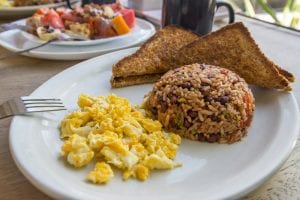 01Gallo PintoRice and black beans, the national breakfastBreakfast
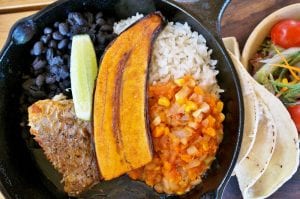 02CasadoRice, beans, salad, plantain and a mainMain
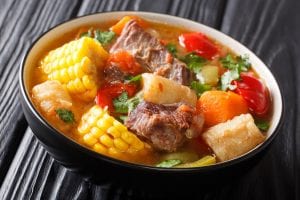 03Olla de CarneSunday beef and vegetable soupSoup
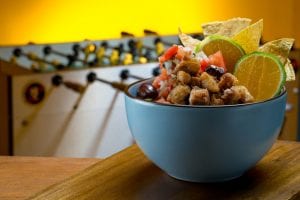 04ChifrijoRice, beans and fried pork in a bowlSnack
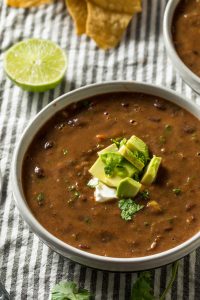 05Sopa NegraBlack bean soup with a boiled eggSoup
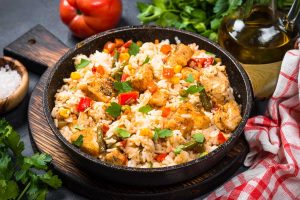 06Arroz con PolloParty rice with chicken and vegetablesMain
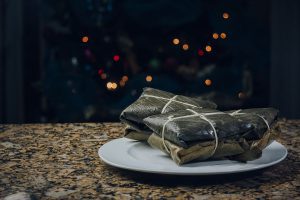 07TamalesChristmas tamales in banana leavesMain
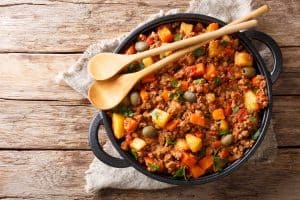 08PicadilloFinely chopped vegetable hashSide
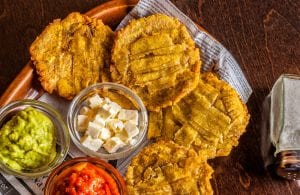 09PataconesTwice-fried green plantainsSide
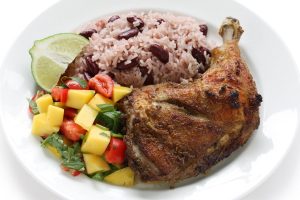 10Rice and BeansCaribbean rice cooked in coconut milkCaribbean
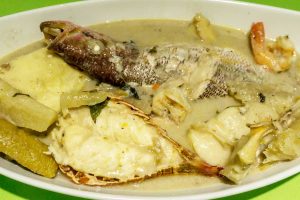 11RondónCaribbean seafood stew in coconut milkCaribbean
 12PatíSpicy Caribbean beef turnoverCaribbean
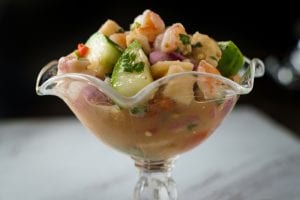 13CevicheSea bass cured in lime, with crackersSeafood
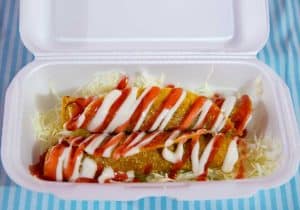 14Tacos TicosFried rolled tacos under cabbageSnack
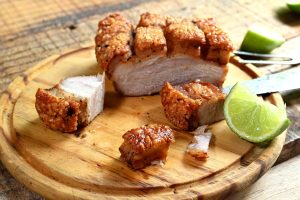 15ChicharronesCrispy fried pork with yuca and limeSnack
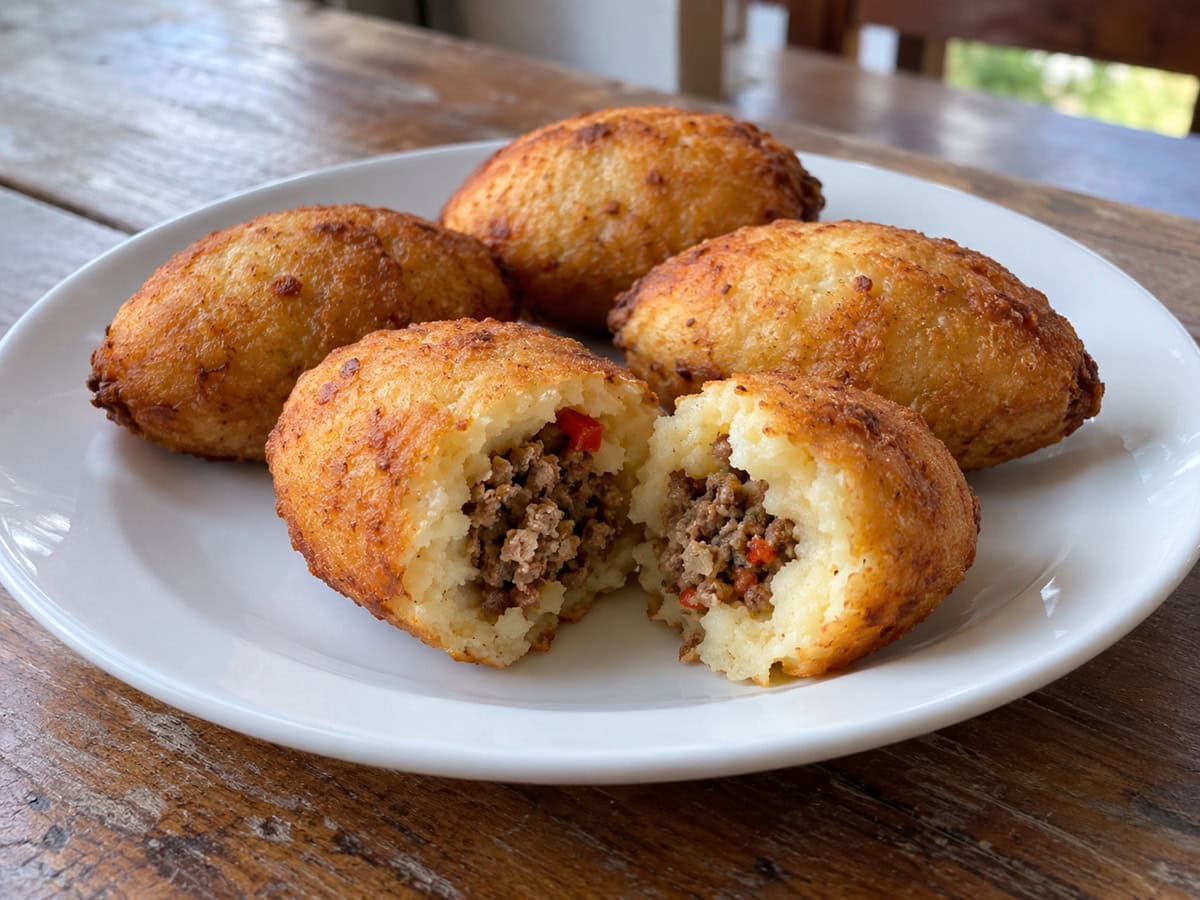 16EnyucadosFried cassava balls stuffed with meat or cheeseSnack
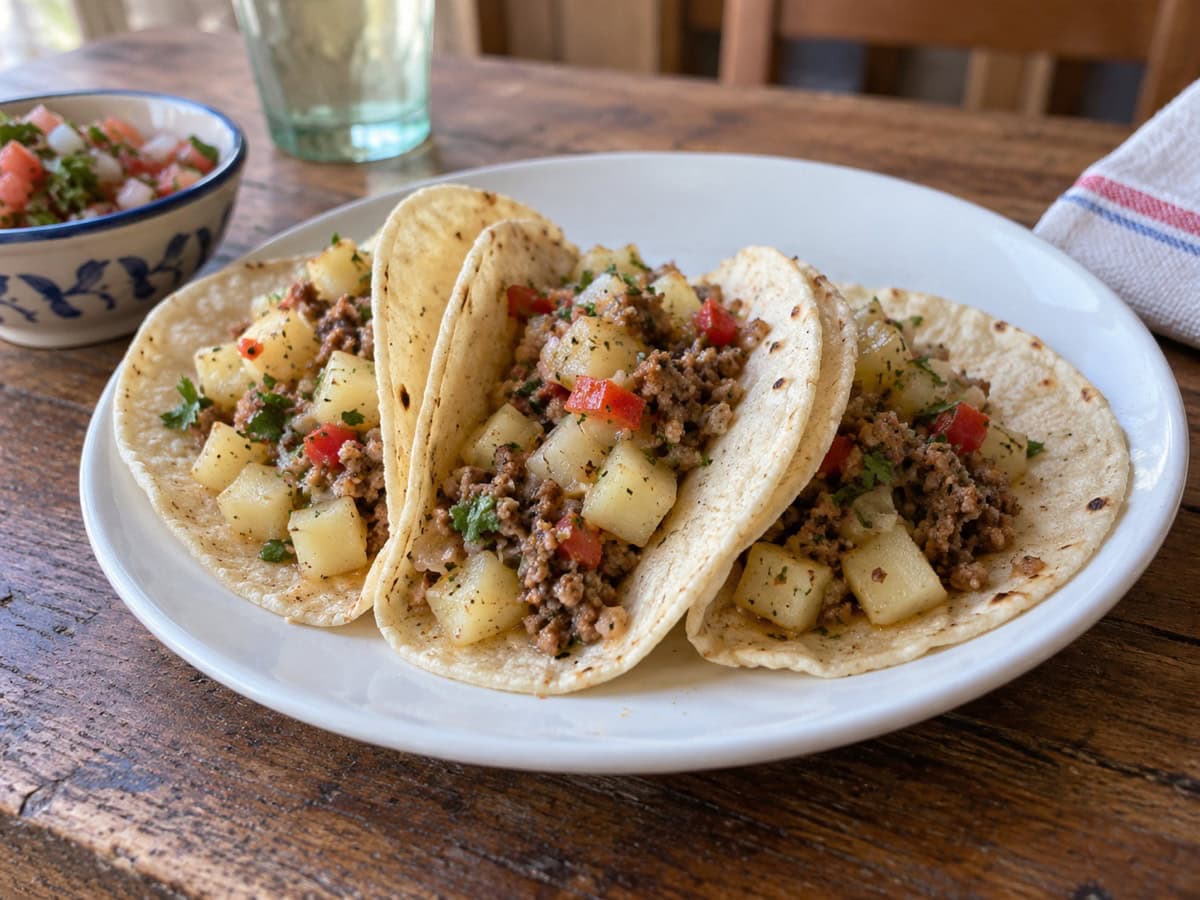 17GallosSoft tortillas folded around picadilloSnack
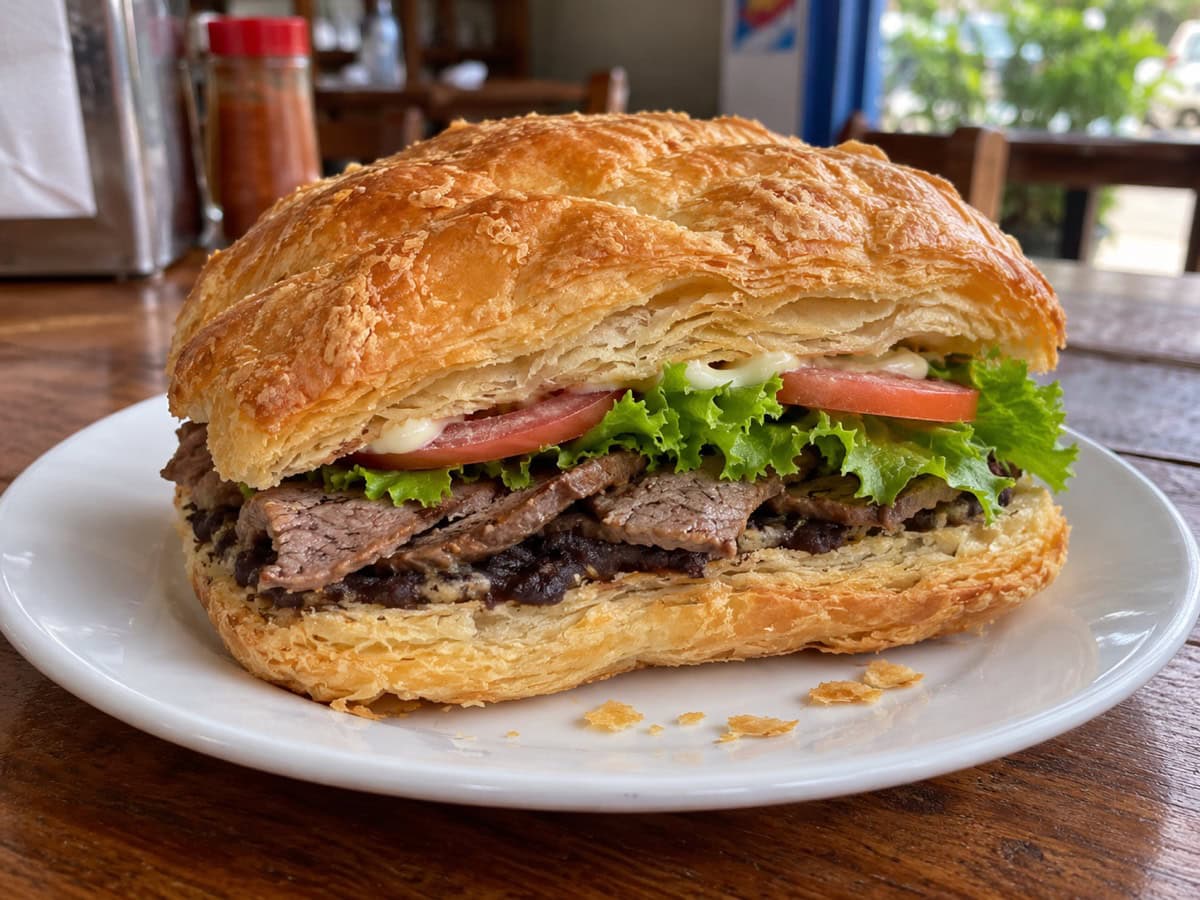 18ArregladosFlaky pastry sandwiches with meat and vegetablesSnack
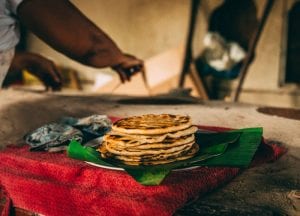 19ChorreadasSweet fresh-corn pancakes with natillaBreakfast
 20PozolPork and hominy corn soupSoup
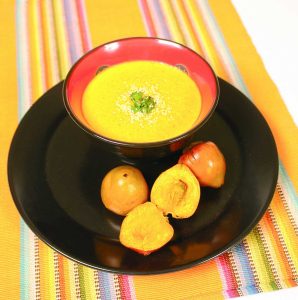 21Sopa de PejibayeCreamy peach palm fruit soupSoup
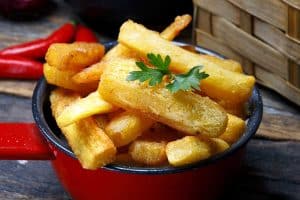 22Yuca FritaFried cassava sticksSide
 23Pan BonSpiced Caribbean sweet breadCaribbean
 24Empanadas de ChiverreSweet Easter pastries with squash jamSweet
 25Arroz con LecheCreamy cinnamon rice puddingSweet
 26Tres LechesSponge cake soaked in three milksSweet
 27FlanCaramel custard, often with coconutSweet
 28Torta ChilenaThin pastry layers with dulce de lecheSweet
 29CajetaMilk fudge squaresSweet
 30CocadasChewy coconut candiesSweet
 31ChurchillPuntarenas shaved ice sundaeSweet
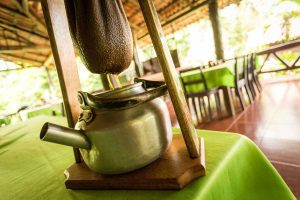 32Café ChorreadoCoffee brewed through a cloth sockDrink
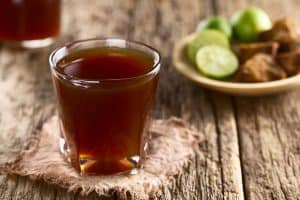 33Agua DulceHot cane sugar drinkDrink
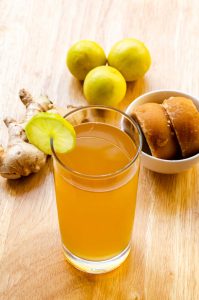 34Agua de SapoCaribbean ginger and lime drinkDrink
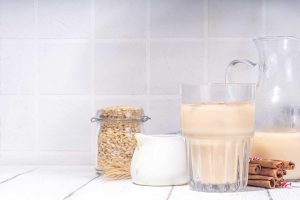 35ResbaladeraCold rice and milk drink from GuanacasteDrink
 36Guaro SourSugarcane liquor with limeDrink
What is Costa Rican food?

Costa Rican food grew out of a small, rural country of coffee and cattle farms. Its base is Indigenous corn, beans and root vegetables, combined with the rice, beef, pork and dairy that came with the Spanish. The result is home cooking built around a few staples, eaten every day: comida típica.
The big exception is the Caribbean coast. Afro-Caribbean families, many from Jamaica, arrived in Limón from the late 1800s to build the railroad and work the banana plantations, and they brought coconut milk, thyme, hot peppers and English names like rice and beans, rondón and pan bon. Our guide to Costa Rican ingredients goes deeper.
Costa Rican food by region
Costa Rica is small, but its food still changes from one side of the country to the other.
| Region | What defines it | Dishes to try |
|---|---|---|
| Central Valley (San José) | Coffee-farm home cooking: rice and beans, soups and vegetable picadillos | Gallo Pinto, Casado, Olla de Carne, Picadillo, Chicharrones |
| Guanacaste (northwest) | Cattle ranches and corn cooking: tortillas, rosquillas and corn sweets | Chorreadas, Pozol, Resbaladera |
| Caribbean coast (Limón) | Afro-Caribbean cooking with coconut milk, thyme and Panamanian chili | Rice and Beans, Rondón, Patí, Pan Bon, Agua de Sapo |
| Pacific coast (Puntarenas) | Fish and seafood, beach stands and the famous Churchill | Ceviche, Churchill |
36 traditional Costa Rican dishes to try
The list starts with what Costa Ricans eat every day, then moves through snacks, Caribbean dishes, sweets and drinks.
1. Gallo Pinto

Gallo pinto (“spotted rooster”) is Costa Rica’s national dish: day-old white rice fried with black beans and a splash of their cooking liquid, onion, sweet pepper and cilantro, seasoned with a few dashes of Salsa Lizano. The beans tint the rice and leave it speckled, which is where the name comes from.
It is breakfast for most Ticos, served with fried or scrambled eggs, natilla (Costa Rican sour cream), fried sweet plantains, fresh cheese and corn tortillas. Nicaragua also claims gallo pinto, and makes it with red beans; the friendly rivalry is a national pastime on both sides of the border.
2. Casado

The casado is the everyday lunch plate of Costa Rica: white rice, black beans, a cabbage and tomato salad, fried sweet plantains and a main of chicken, beef, a pork chop or fish, often with a spoonful of picadillo and a tortilla on the side.
Casado means “married man”, and the popular explanation is that it was the kind of complete, home-style plate a married man could expect. It is the set lunch at every soda, the small family-run diners found in every town, and usually the best-value meal on the menu.
3. Olla de Carne

Olla de carne is Costa Rica’s Sunday beef soup: beef shank or short ribs simmered until tender with chunks of corn on the cob, chayote, yuca, potato, carrot, green plantain and Costa Rican root vegetables like ñampí and tiquisque.
The clear, rich broth is served first, with the meat and vegetables on a plate and white rice on the side. It is the dish families make for a big weekend lunch, and many say it tastes even better the next day.
4. Chifrijo

Chifrijo is the great Costa Rican bar snack, and its name combines its two key ingredients: chicharrón and frijoles. A bowl is layered with white rice, stewed beans, crispy chunks of fried pork, pico de gallo and avocado, with tortilla chips for scooping.
It was created in a bar in Tibás, just north of San José, and spread to bars across the country as a boca, the small plate that comes with a drink.
5. Sopa Negra

Sopa negra is a simple, comforting black bean soup: beans cooked with onion, sweet pepper, garlic and cilantro until the broth turns dark and silky.
Each bowl is finished with a halved hard-boiled egg, and many people add a spoonful of natilla or chopped onion and cilantro on top. It is cheap, filling and on the menu at most sodas.
6. Arroz con Pollo
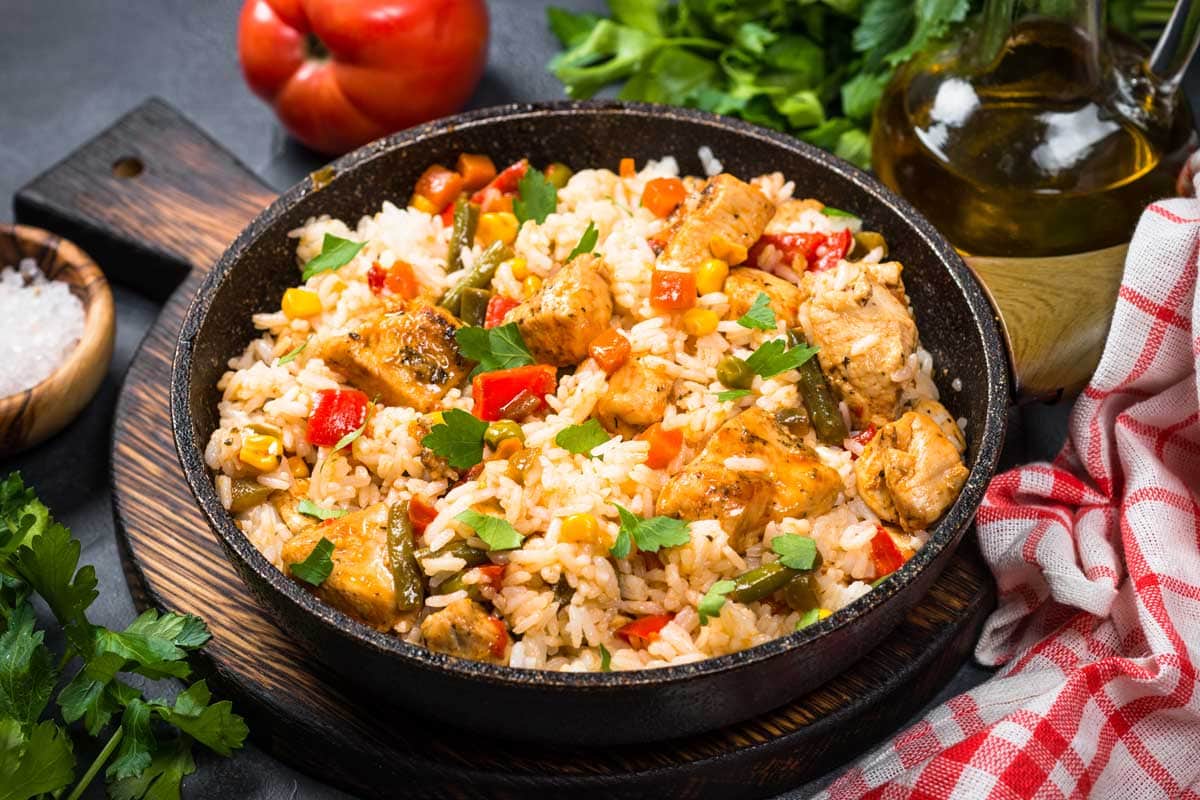
Costa Rican arroz con pollo is rice cooked with shredded chicken, carrots, peas, corn and sweet pepper, colored orange-yellow with achiote (annatto) and seasoned with Salsa Lizano.
It is the dish of birthday parties, school events and big family celebrations, served with potato chips and a beet-tinted ensalada rusa (potato salad) on the side.
7. Tamales

Costa Rican tamales are a Christmas tradition. Corn masa is spread on banana leaves and filled with pork or chicken, rice, potato, sweet pepper and carrot, sometimes with a chickpea, olive or raisin, then wrapped, tied and boiled.
They are tied together in pairs called a piña, and families gather in December for the tamaleada, an all-day tamal-making session. See more in our guide to Costa Rican Christmas foods.
8. Picadillo
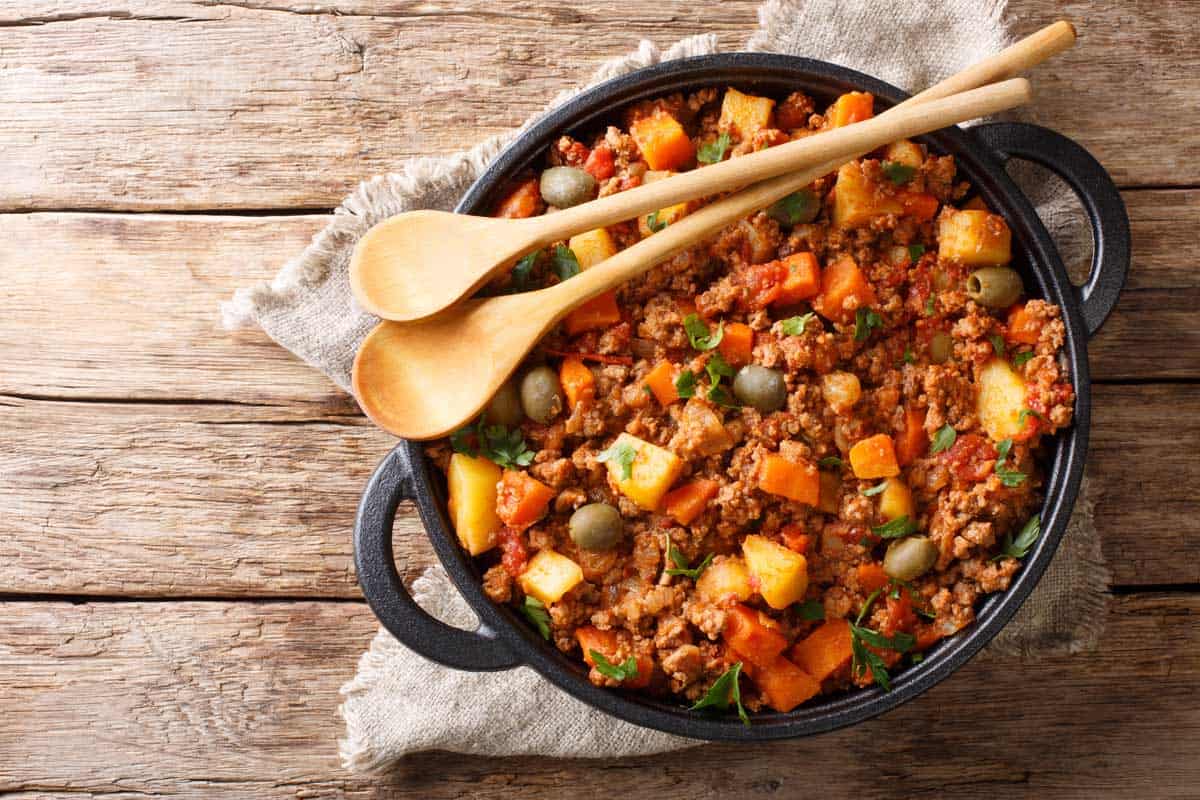
Picadillo in Costa Rica is not the ground beef dish of other countries. It is a finely chopped vegetable hash, often made with potato, chayote, arracache (a starchy root), green papaya or green beans, cooked with onion, garlic and a little ground beef or chorizo.
It is eaten on corn tortillas, as part of a casado, or folded into a gallo. Picadillo de arracache is a classic of the Central Valley.
9. Patacones

Patacones are slices of green plantain fried, smashed flat and fried again until crisp. They are especially loved on the Caribbean coast.
They are served as a side or a snack with black bean dip, pico de gallo, guacamole or a squeeze of lime. Ripe plantains are fried sweet instead; see our guide to plátanos maduros.
10. Rice and Beans
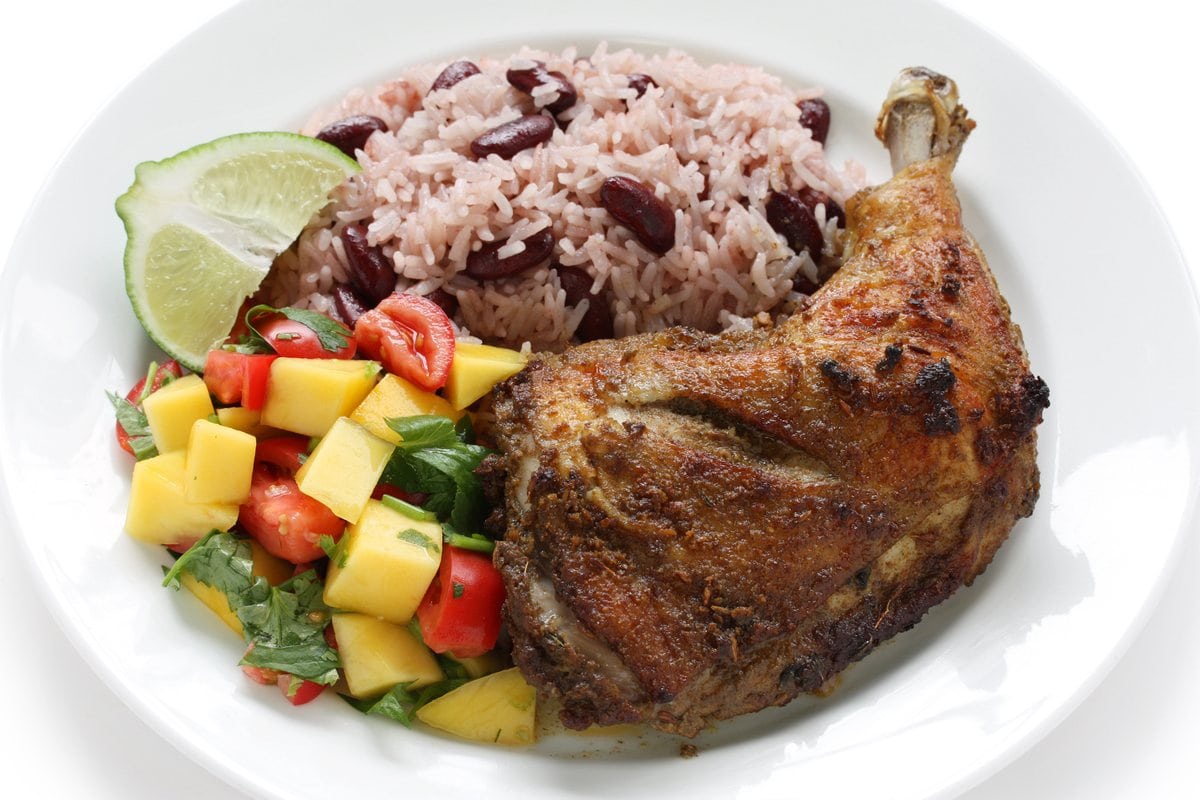
On the Caribbean coast, in Limón province, the rice is different. Rice and beans (said in English) is rice cooked in coconut milk with red beans, thyme, garlic and a whole Panamanian chili for aroma, so it comes out rich, fragrant and slightly sweet.
It comes from the Afro-Caribbean families, many of Jamaican descent, who settled the coast from the late 1800s. It is the traditional Sunday lunch, served with stewed Caribbean chicken, fried plantains and a cabbage salad.
11. Rondón

Rondón is the signature stew of the Caribbean coast: fish or seafood simmered in coconut milk with plantain, yuca, breadfruit or root vegetables, thyme and Panamanian chili.
The name comes from the English “run down”, the way the stew cooks down until thick. Every cook makes it with whatever the day brings, which is part of its charm.
12. Patí

The patí is a Caribbean turnover with a flaky wheat crust, filled with ground beef spiced with thyme, onion and Panamanian chili. It is a cousin of the Jamaican patty, and it can be quite hot.
It is sold warm from bakeries and street vendors in Limón and Puerto Viejo, and increasingly in San José too.
13. Ceviche

Costa Rican ceviche is usually made with corvina (sea bass) or another firm white fish, cubed and cured in lime juice with finely chopped onion, sweet pepper and cilantro.
It is served cold with soda crackers, often with a few dashes of Salsa Lizano or ketchup. Look for it at beach stands, in San José’s Central Market and as a boca in bars.
14. Tacos Ticos

Tacos ticos are nothing like Mexican tacos. Corn tortillas are rolled tightly around shredded beef or chicken and deep-fried until crunchy, more like taquitos.
They are buried under a pile of shredded cabbage and drizzled with ketchup, mayonnaise and sometimes mustard. They are a cheap, filling street snack sold at sodas and stands.
15. Chicharrones
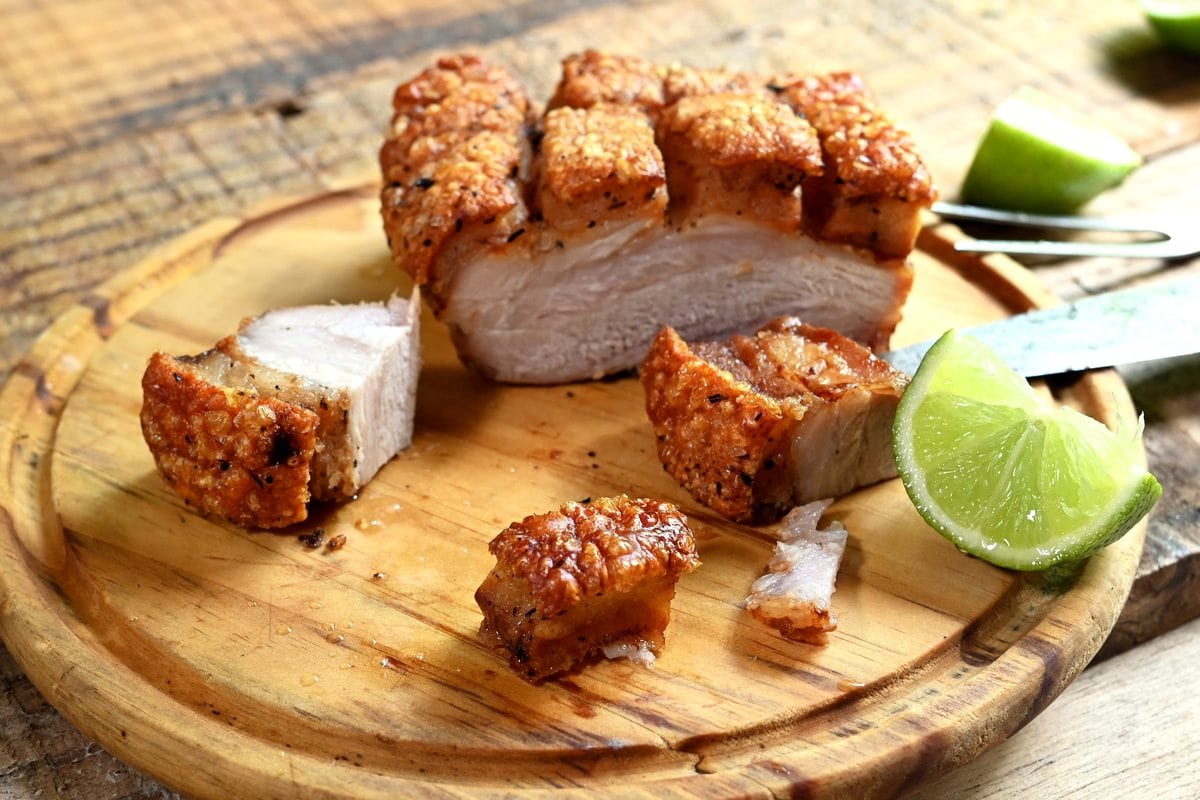
Costa Rican chicharrones are not just pork skin. They are meaty chunks of pork belly or ribs fried slowly in their own fat until golden and crisp outside and juicy inside.
They are eaten with boiled or fried yuca, lime and pico de gallo, as a boca or a weekend lunch. The town of Puriscal, west of San José, is famous for them.
16. Enyucados
Enyucados are balls of mashed yuca (cassava) stuffed with seasoned ground beef or cheese, then deep-fried until golden.
They are a classic snack at sodas, bakeries and roadside stands, eaten warm with a coffee.
17. Gallos
A gallo is a soft corn tortilla folded around a hot filling, the Costa Rican version of a quick taco. Popular fillings are picadillo, beans, scrambled egg, shredded meat, cheese or chicharrón.
Gallos are served at family gatherings and fiestas, where a pot of picadillo and a stack of fresh tortillas feed a crowd.
18. Arreglados
An arreglado is a filled sandwich; the classic market-style version uses a flaky hojaldre (puff-pastry) roll, split and filled with cooked beef, mashed beans, lettuce, tomato and mayonnaise. Fillings vary, and some versions include cheese.
It is the go-to coffee-break snack in Costa Rican bakeries and cafeterias, paired with a cafecito or a fresco (fruit drink).
19. Chorreadas

Chorreadas are sweet pancakes made from fresh corn ground with a little sugar, milk and egg, cooked on a griddle until golden.
They are eaten for breakfast or with afternoon coffee, topped with natilla. See what else Ticos eat in the morning in our Costa Rican breakfast guide.
20. Pozol

Pozol is a hearty soup of pork and hominy corn (maíz pozolero), simmered for hours with vegetables, garlic, onion and cilantro until the kernels burst open and soften.
It is a dish for cool evenings and celebrations, especially in Guanacaste and the countryside.
21. Sopa de Pejibaye

Pejibaye is the fruit of the peach palm, a starchy, nutty orange fruit sold boiled and salted at roadside stands, usually with a dab of mayonnaise.
Blended with broth, onion, garlic and cream, it becomes sopa de pejibaye, a velvety orange soup that tastes a little like squash and chestnut.
22. Yuca Frita

Yuca frita is cassava boiled until tender, then fried until crisp outside and fluffy inside.
It is the classic side for chicharrones and fried fish, and is often served with a squeeze of lime or pico de gallo.
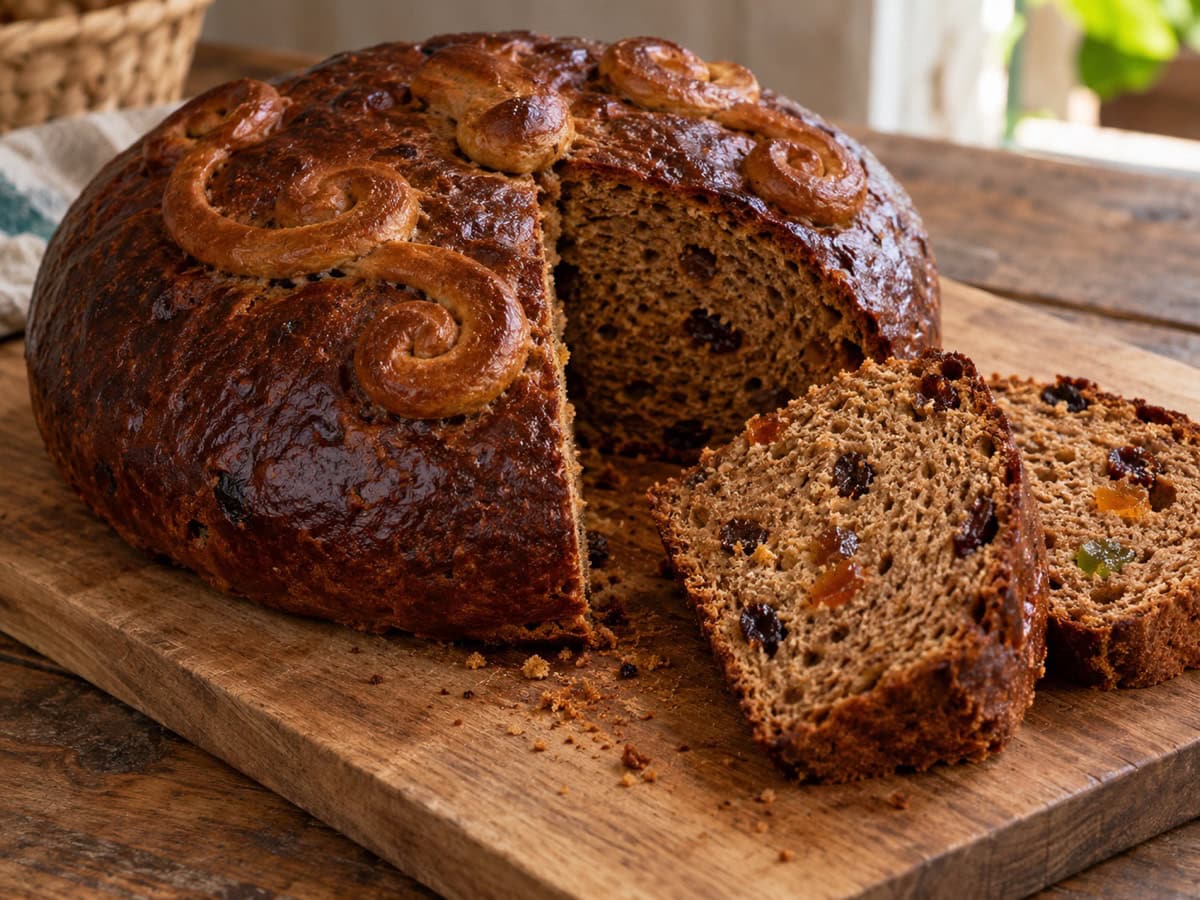
23. Pan Bon
Pan bon is the dark, sweet spiced bread of the Caribbean coast, made with brown sugar syrup, cinnamon, nutmeg and dried fruit, often with small cubes of cheese baked in.
Its name comes from the English “bun”. Afro-Caribbean families bake it especially at Easter and Christmas, and it is sold in bakeries across Limón.
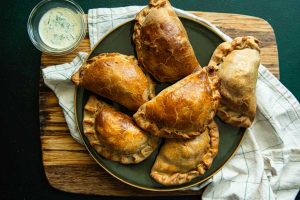
24. Empanadas de Chiverre
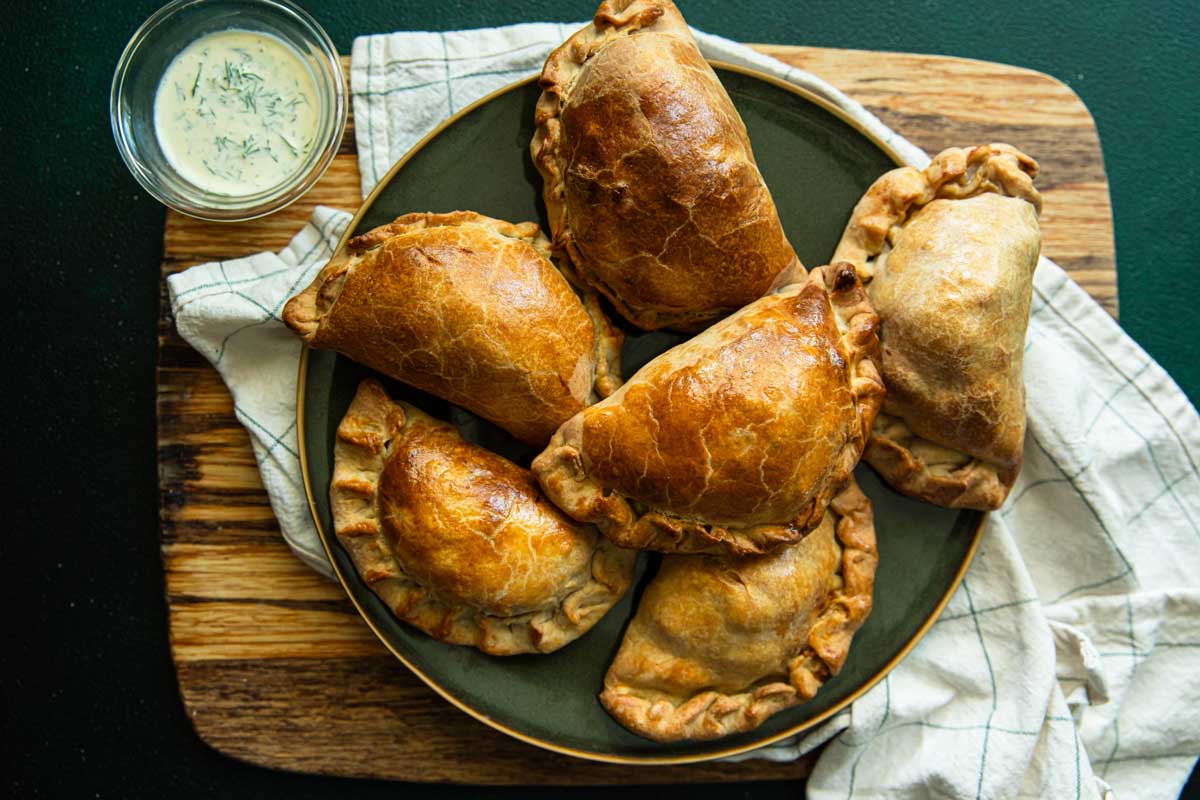
Empanadas de chiverre are small sweet pastries filled with chiverre jam, made from a fig-leaf gourd cooked with tapa de dulce (unrefined cane sugar) until it turns into golden threads.
They are a Holy Week (Semana Santa) tradition, when families preserve chiverre and bake the empanadas in batches.
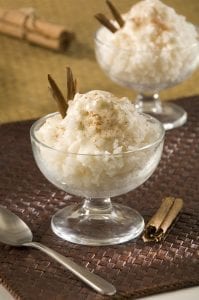
25. Arroz con Leche

Costa Rican arroz con leche is rice slowly cooked in milk with cinnamon sticks and cloves, then sweetened with sugar or condensed milk until thick and creamy.
It is eaten warm or cold, as a dessert or an afternoon snack, and often finished with a dusting of cinnamon.
26. Tres Leches

Tres leches is a light sponge cake soaked in a mix of three milks (evaporated milk, sweetened condensed milk and cream) and topped with meringue or whipped cream.
It is a favorite at birthdays and celebrations across Costa Rica. Find more in our list of Costa Rican desserts.
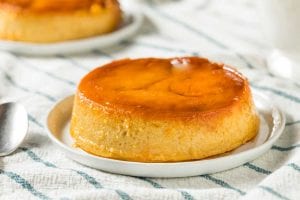
27. Flan

Flan is a baked custard of eggs, milk and sugar set over a layer of caramel. In Costa Rica, the most popular version is flan de coco, made with coconut milk and grated coconut.
It is served chilled at family lunches and in sodas, often by the slice.
28. Torta Chilena
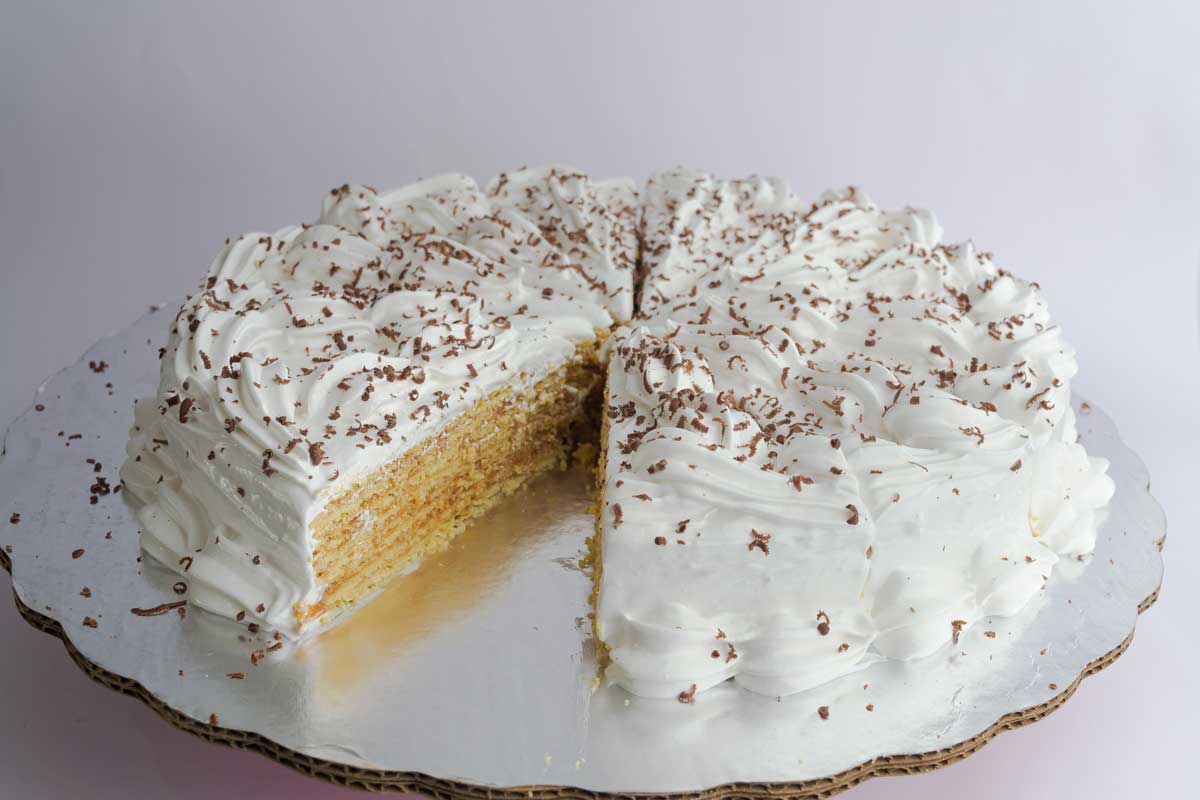
Despite the name, torta chilena is a Costa Rican cake: many paper-thin layers of crisp pastry stacked with dulce de leche in between.
It is adapted from the Chilean mil hojas and is a classic birthday cake, cut into tall, layered slices.
29. Cajeta

Costa Rican cajeta is a firm milk fudge: milk and sugar cooked down slowly until thick, then cut into squares. Variations add coconut, peanuts or orange peel.
It is sold wrapped at markets, bakeries and roadside stands, and is a favorite homemade gift.
30. Cocadas

Cocadas are chewy coconut candies made with grated fresh coconut and sugar or tapa de dulce, often spiced with ginger on the Caribbean coast.
They are sold by street vendors and at bus stops, especially in Limón and Puerto Viejo.
31. Churchill

The Churchill is the famous dessert of Puntarenas, on the Pacific coast: a tall cup of shaved ice soaked in red kola syrup and topped with sweetened condensed milk, powdered milk and a scoop of ice cream, sometimes with fruit.
According to local lore, it is named after a Puntarenas regular who looked like the British wartime prime minister. Eat it on the Paseo de los Turistas, by the sea.
32. Café Chorreado
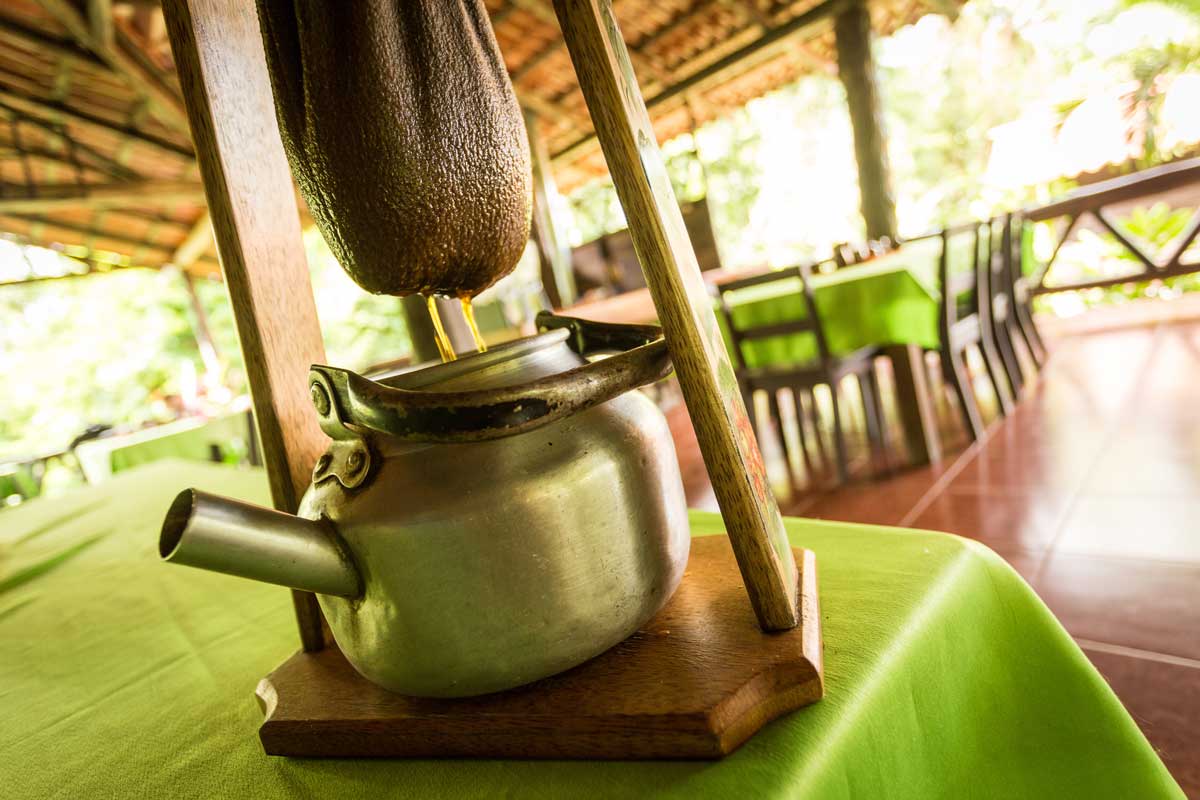
Costa Rica is coffee country, and the traditional way to make it is café chorreado: ground coffee in a cloth bag hung on a wooden stand called a chorreador, with hot water poured slowly through it.
The result is clean and smooth. Coffee drove Costa Rica’s economy in the 1800s and still grows on the slopes of the Central Valley. Read more in our guide to Costa Rican drinks.
33. Agua Dulce
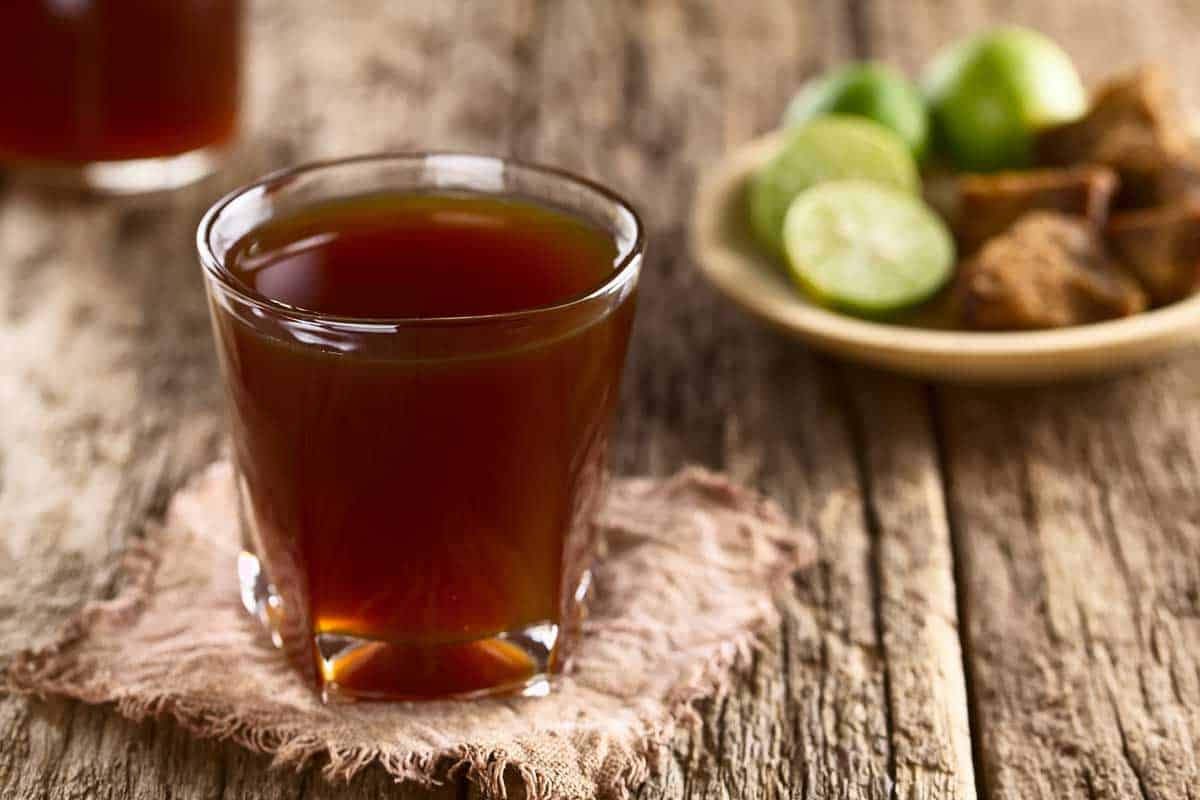
Agua dulce (“sweet water”) is a hot drink made by dissolving tapa de dulce, a block of unrefined cane sugar similar to panela, in hot water or milk.
It is a farm and breakfast drink, cheap and warming, and it is often given to children instead of coffee.
34. Agua de Sapo

Agua de sapo (“toad water”) is a refreshing Caribbean drink of fresh ginger, tapa de dulce and lime juice, served cold over ice.
Nobody is quite sure where the funny name came from, but the drink is a staple in Limón on hot days.
35. Resbaladera

Resbaladera is a cold drink from Guanacaste made by blending cooked rice (and sometimes barley) with milk, sugar, cinnamon and vanilla.
It is creamy and refreshing, and it is especially popular at Guanacaste fiestas and fairs.
36. Guaro Sour

Guaro is Costa Rica’s national spirit, a clear, light sugarcane liquor. The best-known brand, Cacique, is made by the country’s national liquor factory.
The guaro sour mixes guaro with lime juice and sugar over ice. For a shot, Ticos order a chiliguaro: guaro with tomato juice, hot sauce and lime.
How to eat like a Tico
A few habits make Costa Rican food easier to enjoy, whether you are in San José or at a Costa Rican restaurant in the US.
Meal times
- Desayuno (breakfast): gallo pinto with eggs, natilla, plantains and tortillas, with coffee. See our Costa Rican breakfast guide.
- Almuerzo (lunch): the main meal, usually from noon to 2 p.m.; most people order a casado.
- Café (afternoon coffee): around 3 or 4 p.m., coffee with a snack like an arreglado, a chorreada or a slice of cake.
- Cena (dinner): lighter, often gallo pinto again, a soup or leftovers.
Where to eat what
The soda is the heart of Costa Rican eating: a small, family-run diner serving casados, gallo pinto, soups and fresh fruit drinks at low prices. Bars serve bocas, small plates such as chifrijo, ceviche or chicharrones that come with a drink. The weekend feria del agricultor (farmers market) is the place for tropical fruit, fresh cheese and pejibaye, and bakeries sell arreglados, empanadas and cakes all day.
On the table: Salsa Lizano, natilla and chilero
Almost every table has a bottle of Salsa Lizano, a thin, tangy-sweet brown sauce made with vegetables, cumin and a little mustard. It goes on gallo pinto, eggs, rice, beans and ceviche, and you can buy it on Amazon. Natilla is a mild, thin sour cream served with breakfast and tortillas, and chilero is a jar of vinegar-pickled hot peppers and vegetables for anyone who wants heat.

Words you will see on the menu
| On the menu | What it means |
|---|---|
| Casado | Set lunch plate: rice, beans, salad, plantain and a main |
| Plato del día | Dish of the day, usually the cheapest lunch |
| Soda | Small, inexpensive family restaurant |
| Boca | Small plate served with drinks at a bar |
| Natilla | Costa Rican sour cream |
| Maduro | Fried ripe (sweet) plantain |
| Fresco / natural | Fresh fruit drink, made with water (en agua) or milk (en leche) |
| Tapa de dulce | Block of unrefined cane sugar |
| Pura vida | “Pure life”: hello, thanks, all good |
What to drink
Ask for a fresco natural: blended fresh fruit like mango, blackberry, guanábana, pineapple or cas (a sour guava) with water or milk. Coffee is served all day, often with milk and sugar. With food at a bar, people drink a cold local lager or a guaro sour. Our guide to Costa Rican drinks covers the rest.
Costa Rican food FAQ
What is traditional Costa Rican food?
Gallo pinto, the casado, olla de carne, chifrijo, tamales, sopa negra and picadillo are among the most traditional dishes. They are built on rice, black beans, corn, plantains and root vegetables, and seasoned with Salsa Lizano, cilantro and sweet peppers rather than hot chilies.
What is Costa Rica’s national dish?
Gallo pinto, rice and black beans fried together with onion, sweet pepper, cilantro and Salsa Lizano, usually eaten for breakfast with eggs. The casado is the national lunch, and olla de carne is often called the national soup.
Is Costa Rican food spicy?
No. Most Costa Rican food is mild. Heat comes on the side, from chilero (pickled hot peppers) or hot sauce. The Caribbean coast is the exception, where Panamanian chili is used in rice and beans, rondón and patí.
What do Costa Ricans eat for breakfast?
Gallo pinto with eggs, natilla, fried plantains, fresh cheese and corn tortillas, with a cup of coffee. Chorreadas and arreglados are popular too.
What is a soda in Costa Rica?
A soda is a small, family-run restaurant serving home-style Costa Rican food, like casados, gallo pinto and soups, at low prices. It is the best place to try everyday comida típica.
Is Costa Rican food the same as Mexican food?
No. Both use corn tortillas and beans, but Costa Rican food is much milder and relies on rice, black beans, plantains and Salsa Lizano. Dishes like gallo pinto, casado and olla de carne have no real Mexican equivalent, and tacos ticos are fried rolled tacos, not soft tacos.
Start cooking Costa Rican food at home
Start with gallo pinto: cook a pot of black beans, make extra rice, and fry them together the next morning with a splash of Salsa Lizano. From there, a casado or a pot of olla de carne is an easy next step. Our collection of Costa Rican recipes has step-by-step versions of many dishes on this list, and our Costa Rican holiday dishes cover tamales and Christmas sweets.
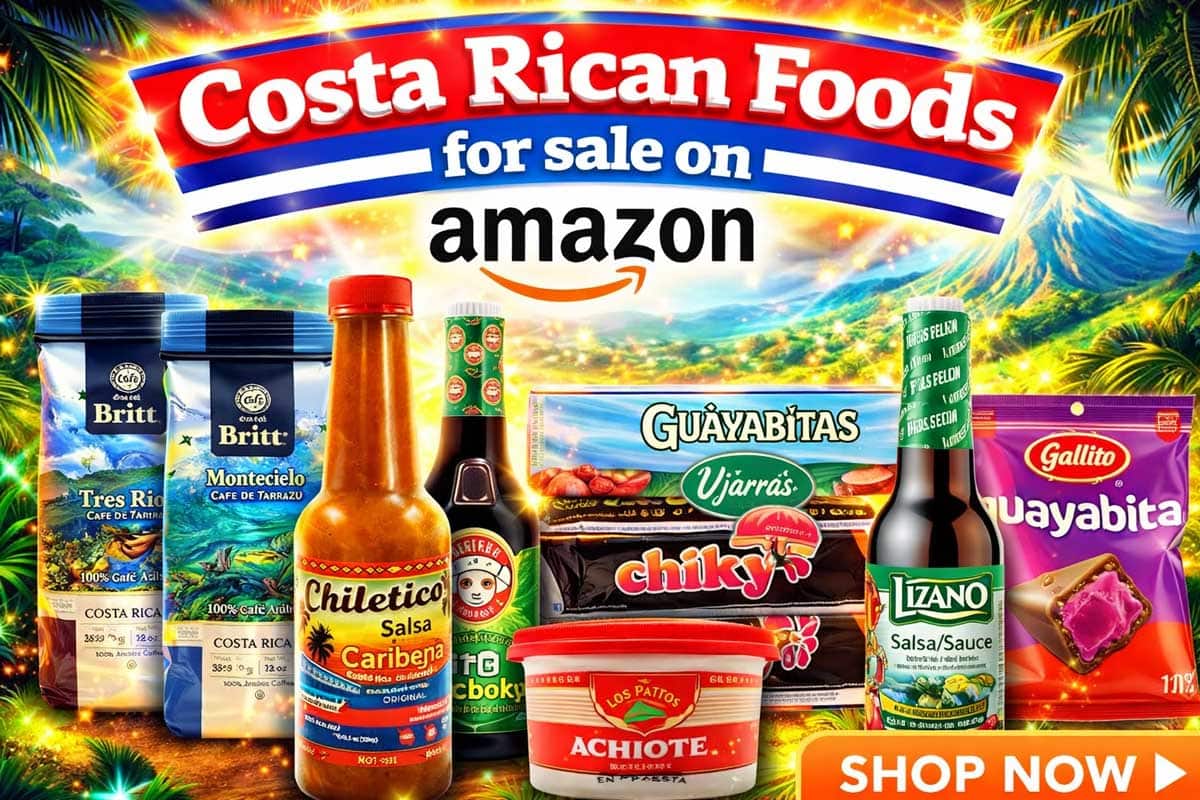
Many pantry staples, from Salsa Lizano to Costa Rican coffee, are on our Costa Rican foods list on Amazon.
Sources and further reading
- Wikipedia: Costa Rican cuisine
- Wikipedia: Gallo pinto
- Wikipedia: Casado
- Wikipedia: Salsa Lizano
- Wikipedia: Afro-Costa Ricans
More Costa Rican Foods
See all →
Jorge Garcia is the founder of AmigoFoods, where he has spent over 20 years helping readers discover authentic Latin American and Spanish cuisine. Raised in a Cuban-American household, Jorge learned to cook at the hands of his mother and grandmother, carrying forward generations of family recipes. That heritage, backed by his family’s four-generation history in the Latin food industry, inspired him to launch AmigoFoods in 2003. With more than 1,000 published articles on recipes, ingredients, and food culture, Jorge’s mission is simple: make authentic Latin cooking approachable for home cooks everywhere while honoring the traditions behind every dish.