
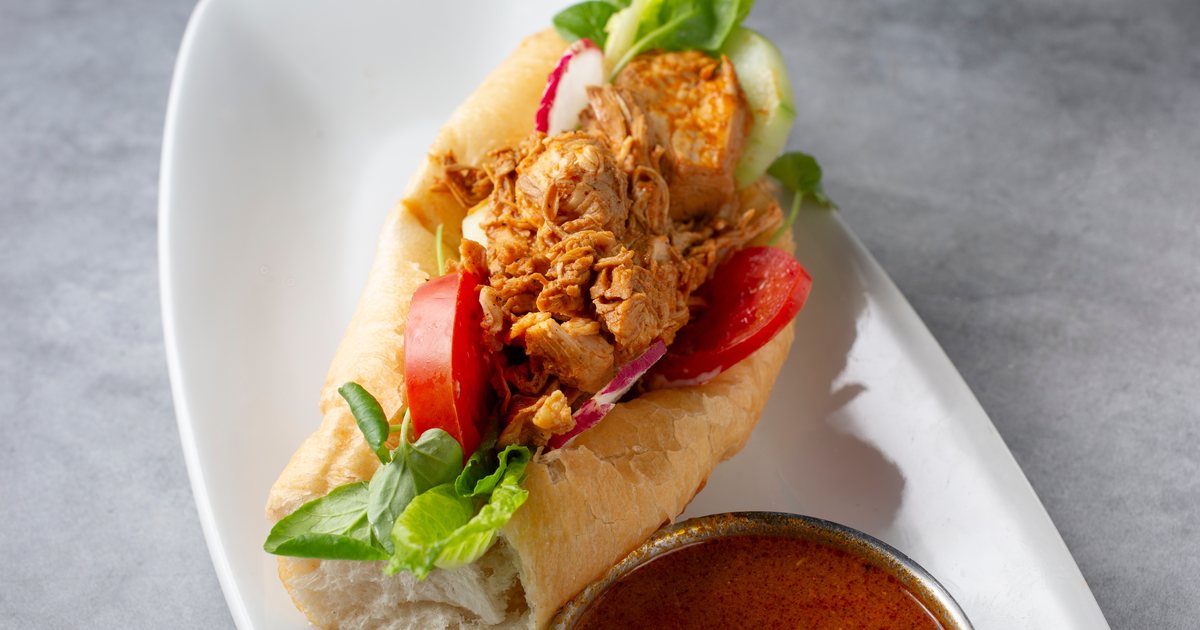
In El Salvador, Christmas Eve ends with a sandwich. After the fireworks at midnight, families sit down to panes con chumpe: crusty rolls stuffed with turkey that has been roasted in a spiced tomato sauce, piled with watercress, radish and cucumber, and drenched in more of that sauce. Around it go tamales de gallina, a roast hen, apple salad and plenty of cold drinks.
Here are 10 foods and drinks that make a Salvadoran Christmas, and how families put them together on Nochebuena.
Just want the recipes? Our Salvadoran holiday dishes page collects them in one place.
Salvadoran Christmas Foods at a Glance
| Dish | What it is | When |
|---|---|---|
| Pan con chumpe | Turkey in spiced tomato sauce on a crusty roll | Midnight, Dec 24 |
| Pan con pollo | The same sandwich made with chicken | Nochebuena and parties |
| Chumpe al horno | Whole turkey roasted in recado | Christmas Eve dinner |
| Gallina en salsa | Hen braised in a wine and tomato sauce | Christmas Eve dinner |
| Tamales de gallina | Corn tamales filled with hen, potato and olives | Christmas, New Year and Día de Reyes |
| Pierna de cerdo | Roast pork leg | Christmas Eve and New Year’s |
| Ensalada de manzana | Creamy apple, celery and raisin salad | With the main course |
| Curtido | Pickled cabbage slaw | With the sandwiches |
| Horchata and fresh fruit drinks | Cold drinks for a warm night | All night |
| Chocolates and seasonal fruit | Apples, grapes and sweets on the table | All December |
How El Salvador Celebrates Christmas
Christmas in El Salvador is loud, warm and full of music. From late November, families put up the nacimiento, the nativity scene, and cumbia plays at every gathering. On Nochebuena, December 24, most Salvadorans stay home with family. Many wear new clothes for the night, a custom called el estreno.
The night builds toward midnight, when the whole country sets off cohetes, fireworks, and neighbors spill into the street to hug. Then the food comes out. Christmas Day is for rest, leftovers and, for many, a trip to the beach.
1. Pan con Chumpe
Pan con chumpe (also called pan con pavo) is the signature Salvadoran Christmas dish. Chumpe is the local word for turkey. The bird is marinated and roasted, then pulled from the bone and returned to its recado, a spiced tomato sauce thickened with ground toasted seeds such as pumpkin seeds and sesame, often with chiles, cinnamon and other spices.
The meat and sauce go into a split pan francés roll with watercress, lettuce, radish, cucumber and sometimes beet, pickled vegetables or a sliced boiled egg. More sauce is poured over the top, so it is eaten with plenty of napkins. It is served after the midnight fireworks, and leftovers carry through Christmas Day.
2. Pan con Pollo

The chicken version, pan con pollo, uses the same sauce and toppings with a whole chicken or a hen instead of turkey. It is cheaper and quicker, so it is the most common choice at Christmas: in recent surveys, chicken came out ahead of turkey as the most popular Christmas Eve meat in Salvadoran homes. It is also the sandwich of birthdays, baptisms and church events all year.
3. Chumpe al Horno
Some families skip the sandwich and serve the chumpe al horno, roast turkey, whole as the centerpiece. A festive version is stuffed with ground beef and pork, bacon, ham, green apples and prunes, roasted slowly and served with a sauce made from the pan juices and white wine. The leftover meat then goes into panes con chumpe.
4. Gallina en Salsa
A gallina, hen, braised in sauce is the other classic main course. Families often use gallina india, a free-range hen with firmer meat and more flavor than a supermarket chicken. It is prepared days ahead in a sauce of tomato, onion and chile with white wine, mustard, Worcestershire sauce, bay leaves, thyme and ground sesame and peanut, then served with rice and salad.
5. Tamales de Gallina
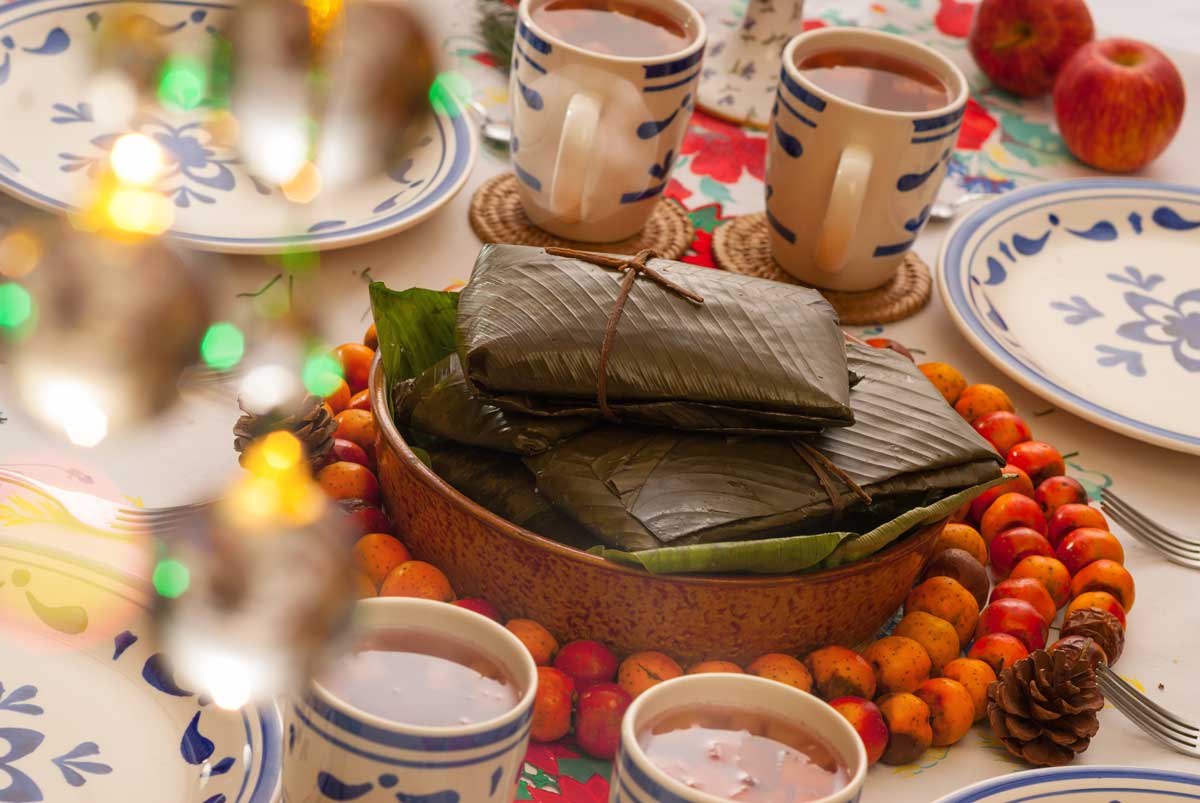
Salvadoran tamales de gallina are soft corn tamales filled with hen, potato, olives and capers, seasoned with a red sauce colored with achiote and spiced with sesame, cinnamon and cloves. They are wrapped in plantain or corn leaves and steamed. They are made in big batches for Christmas, New Year’s and Día de Reyes on January 6. Read more about the family in our guide to tamales.
6. Pierna de Cerdo
A roast pierna de cerdo, pork leg, rounds out the meats for larger families. It is marinated with garlic, orange and spices, roasted for hours and sliced for the table or for sandwiches the next day. Beef loin and other roasts show up too, but turkey, chicken and hen remain the heart of the Salvadoran Christmas.
7. Ensalada de Manzana

Ensalada de manzana, apple salad, is the Christmas side. Diced red apples, celery and raisins are folded into mayonnaise, sometimes lightened with yogurt or cream, and topped with walnuts. It is sweet and cool, a good contrast to the spiced sauce on the turkey.
8. Curtido
Curtido, the tangy slaw of cabbage, carrot and onion pickled in vinegar with oregano, is best known as the partner of pupusas. At Christmas, a bowl sits next to the sandwiches, and many cooks tuck some into the rolls for crunch. Read about it and other staples in our Salvadoran ingredients guide.
9. Horchata and Fresh Fruit Drinks

December nights in El Salvador are warm, so the drinks are mostly cold. Soft drinks are on almost every table, followed by refrescos made from fresh fruit and horchata, which in El Salvador is made from ground morro seeds, rice and spices. Adults toast with beer, wine or rum. Warm drinks like ponche appear at some gatherings, but they are less central than in Guatemala.
10. Chocolates and Seasonal Fruit
Bowls of red apples, grapes and strawberries go on the table in December, along with boxes of chocolates. Families also buy sweets from local markets. For a traditional Salvadoran dessert, try nuégados, fried dough in cane syrup, or browse our guide to Salvadoran desserts.
Salvadoran Christmas Food FAQ
What is pan con chumpe?
A Salvadoran Christmas sandwich of turkey roasted in a spiced tomato sauce, served on a crusty roll with watercress, radish, cucumber and more sauce.
What do Salvadorans eat on Christmas Eve?
Panes con chumpe or panes con pollo after the midnight fireworks, along with roast turkey, gallina en salsa, tamales and apple salad.
Why do Salvadorans eat tamales at Christmas?
Tamales take a lot of work and feed a crowd, so families make big batches for the holidays and share them. Tamales de gallina are made for Christmas, New Year’s and Día de Reyes.
What does chumpe mean?
Chumpe (or chompipe) is the word for turkey in El Salvador and parts of Central America.
More Salvadoran Food
Discover the rest of the country’s kitchen in our guide to Salvadoran food, or browse everything on the Salvadoran food hub. Many Salvadoran pantry staples, from horchata mix to loroco, are on Amazon. To compare Christmas tables across the region, visit our Nochebuena and Latin Christmas food guide.
More Salvadoran Foods
See all →
Jorge Garcia is the founder of AmigoFoods, where he has spent over 20 years helping readers discover authentic Latin American and Spanish cuisine. Raised in a Cuban-American household, Jorge learned to cook at the hands of his mother and grandmother, carrying forward generations of family recipes. That heritage, backed by his family’s four-generation history in the Latin food industry, inspired him to launch AmigoFoods in 2003. With more than 1,000 published articles on recipes, ingredients, and food culture, Jorge’s mission is simple: make authentic Latin cooking approachable for home cooks everywhere while honoring the traditions behind every dish.