

Carne guisada is a slow-simmered beef stew with a savory tomato sauce, peppers and warming spices. This adaptable version serves four to six with rice or tortillas, with optional potatoes and carrots for a heartier pot.
Carne Guisada at a Glance
What Is Carne Guisada?
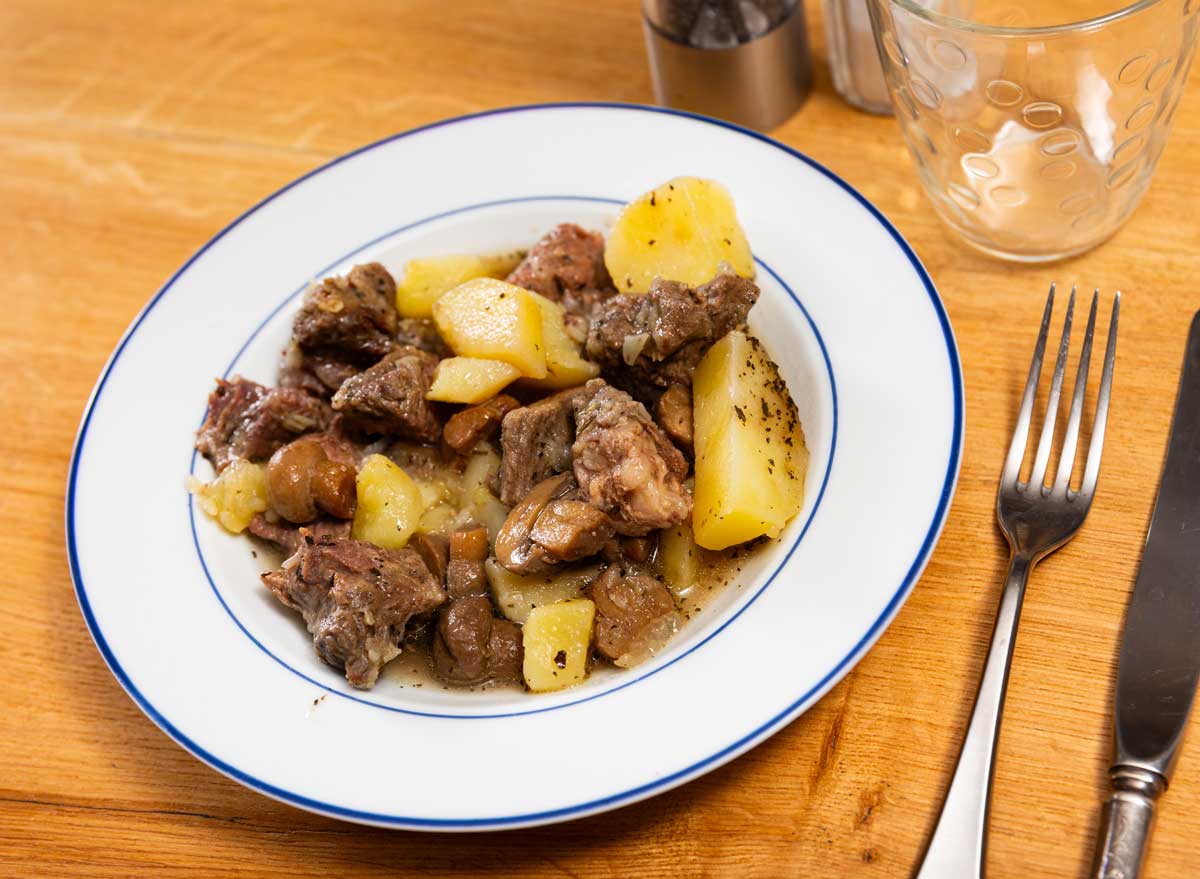
Carne Guisada is a slow-cooked beef stew that is popular across Latin America and the Caribbean.
The term “Carne Guisada” translates to “stewed meat” in Spanish, and it typically consists of tender beef chunks simmered in a rich, flavorful sauce made with tomatoes, onions, bell peppers, garlic, and a blend of Latin spices.
This popular Latin dish is known for its deep, comforting flavors that develop through long, slow cooking, allowing the meat to become incredibly tender and infused with seasoning.
Depending on the country, Carne Guisada can be made with different regional variations, incorporating ingredients like potatoes, olives, achiote, or chili peppers.
Why Is Carne Guisada So Popular?
Carne Guisada is a staple in Latin kitchens because it is:
✔ Easy to make with simple, affordable ingredients
✔ Rich in flavor thanks to the slow-cooking process
✔ Versatile, served with rice, tortillas, tostones, or beans
✔ Comforting and filling, making it perfect for family meals
This hearty, home-cooked dish is a celebration of Latin culinary traditions, bringing together bold flavors and tender, slow-cooked meat in every bite!
The History and Origins of the Latin Stew
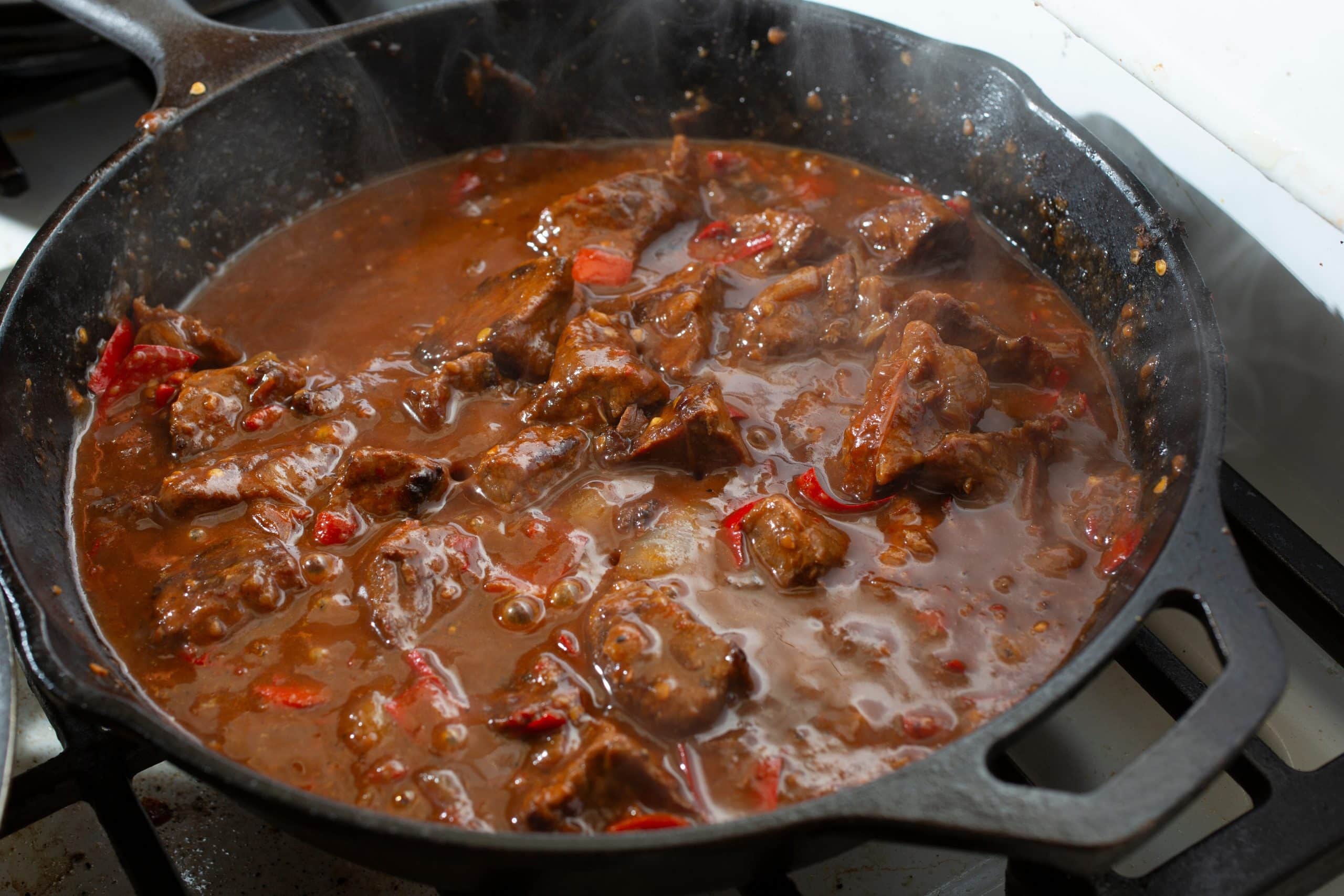
Carne Guisada has deep roots in Latin American and Spanish culinary traditions, tracing its origins back to the Spanish conquest of the Americas.
The Latn dish evolved from European stew-making techniques brought by the Spaniards, combined with indigenous and African influences that enriched the flavors and ingredients of Latin American cuisine.
Spanish Influence on Latin American Stews
During the 16th century, Spanish explorers introduced the concept of “guisos” (stews) to Latin America.
These stews were heavily inspired by Spanish dishes like Olla Podrida and Cocido Madrileño, which used slow-cooked meats, vegetables, and spices to create hearty, one-pot meals.
As the dish spread across different Latin American regions, it began to incorporate locally available ingredients, such as:
- Achiote and sofrito in Puerto Rico and the Dominican Republic
- Chili peppers and cumin in Mexico
- Cilantro, allspice, and panela in Colombia
- Plantains and coconut milk in the Caribbean
The Evolution of Carne Guisada Across Latin America
Each country developed its own unique spin on the slow cooked latin stew, adjusting the seasonings, cooking methods, and serving styles to match local preferences:
- Puerto Rico & Dominican Republic: Features sofrito-based sauces, olives, potatoes, and a savory-sweet depth of flavor.
- Mexico: Often includes flour to thicken the sauce, along with chili peppers for a mild heat, and is commonly served with tortillas.
- Colombia & Venezuela: Typically incorporates achiote, tomatoes, and panela (unrefined cane sugar) for a subtle sweetness.
- Caribbean Variants: Some islands add coconut milk or a hint of rum for extra richness.
Traditional Cooking Methods
Carne Guisada was traditionally cooked in large clay or cast-iron pots over open flames or wood stoves, allowing the flavors to develop slowly over several hours.
Today, while many still prefer stovetop simmering, modern techniques like slow cookers and pressure cookers make it easier to achieve the same tender, fall-apart beef with deep, bold flavors.
Carne Guisada as a Cultural Staple
Throughout history, Carne Guisada has remained a comfort food for families across Latin America.
Whether served during celebrations, Sunday lunches, or casual weeknight dinners, this dish is a symbol of warmth, tradition, and the power of slow-cooked flavors.
Its adaptability and rich, complex taste ensure that Carne Guisada continues to be a beloved dish, passed down through generations, and enjoyed worldwide!
Carne Guisada Ingredients & Variations
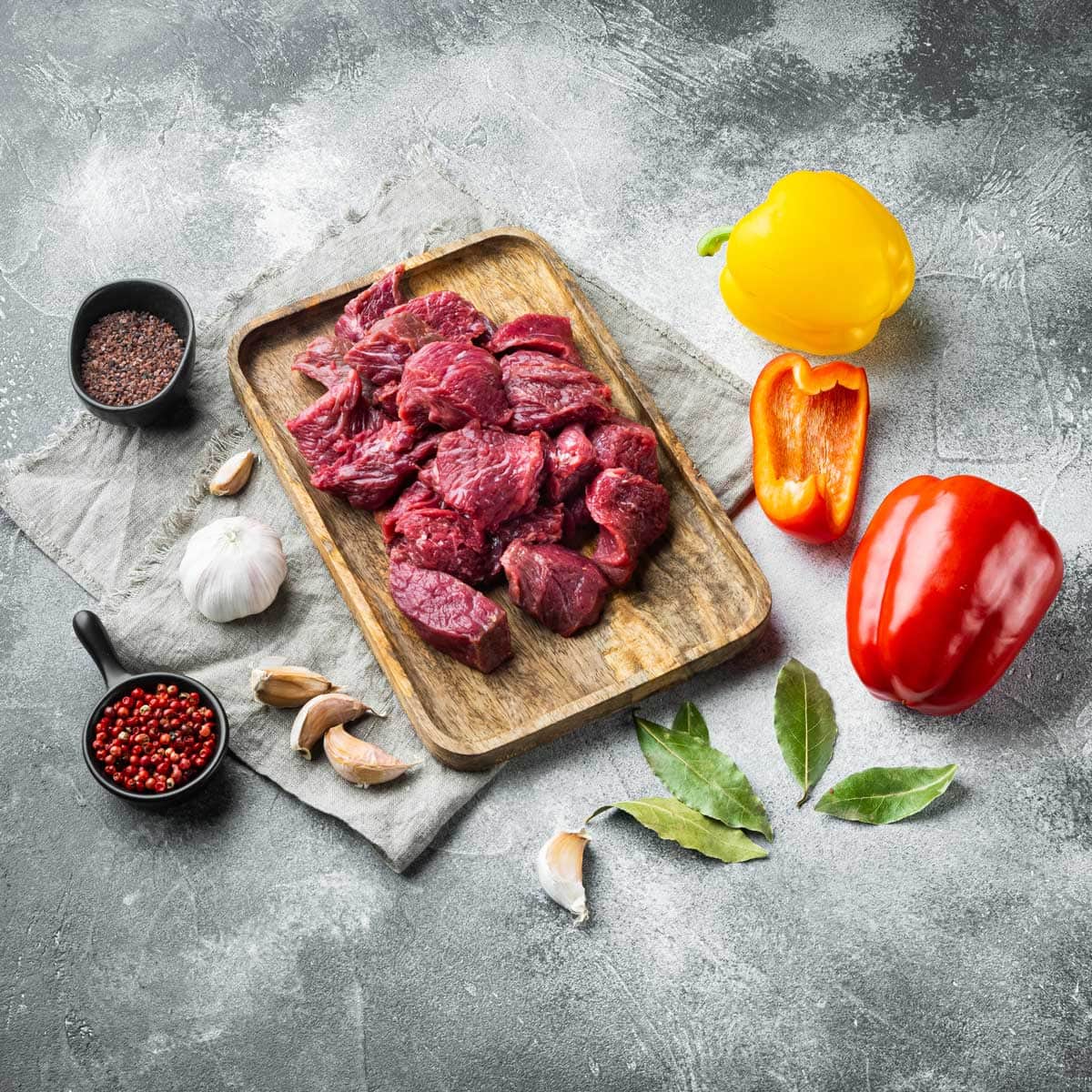
Carne Guisada is a dish that brings together bold flavors, tender beef, and a rich, savory sauce, but the exact ingredients can vary depending on the country and family tradition.
Below, we’ll explore the core ingredients that make up a classic Carne Guisada, as well as the regional variations that give this dish its diverse and delicious identity.
Core Ingredients in Traditional Carne Guisada
While recipes may differ, most versions of Carne Guisada include the following key ingredients:
Meat:
- Beef chunks (chuck roast, stew meat, or brisket) – slow-cooked for tenderness
- Some variations use pork or chicken, but beef is the most traditional
Aromatics & Vegetables:
- Onions, bell peppers, and garlic – provide a flavorful base
- Tomatoes or tomato sauce – add richness and depth
- Potatoes and carrots – common in Caribbean and Puerto Rican versions
Seasonings & Spices:
- Cumin, oregano, and bay leaves – for earthy warmth
- Adobo or all-purpose Latin seasoning – adds depth
- Salt, black pepper, and paprika – for balanced flavor
- Achiote or annatto (optional) – for color and a subtle nuttiness
Liquids for Braising:
- Beef broth or stock – intensifies the meaty flavor
- Red wine or beer (optional) – used in some versions for extra richness
- Flour or cornstarch (optional) – thickens the sauce (common in Mexican Carne Guisada)
Regional Variations of Carne Guisada
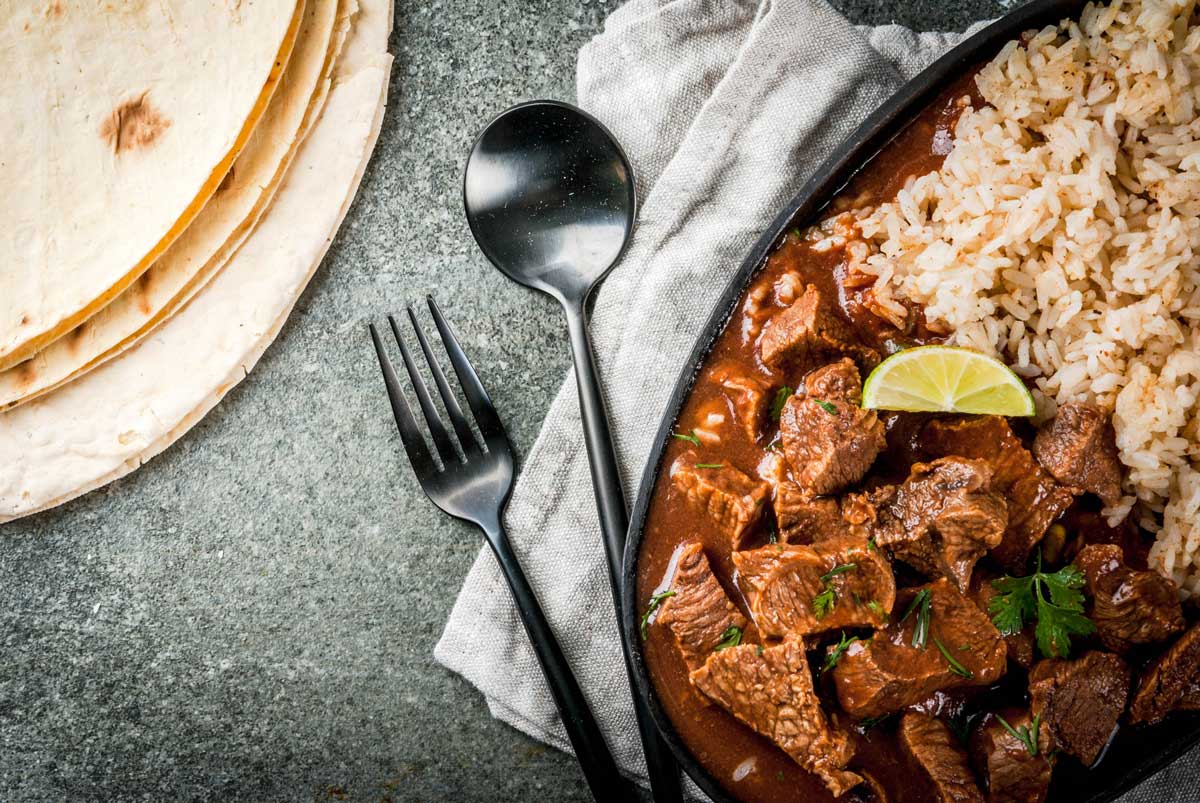
Every Latin American country has put its own spin on Carne Guisada, adding unique flavors and serving it with different side dishes.
Puerto Rican Carne Guisada
- Uses sofrito (a mix of bell peppers, onions, garlic, and culantro) as the flavor base
- Includes potatoes, olives, and capers for a salty-sweet depth
- Often served with white rice and tostones
- Get the full recipe and step-by-step method: Puerto Rican carne guisada
Mexican Carne Guisada
- Features a thicker gravy-like sauce made with flour or masa harina
- Uses chili peppers (like ancho or guajillo) for mild heat
- Commonly served with warm flour tortillas or refried beans
Dominican Carne Guisada
- Similar to Puerto Rican Carne Guisada but often includes cilantro and allspice
- Uses Sazón and Worcestershire sauce for added flavor complexity
- Typically served with white rice and avocado slices
Colombian Carne Guisada
- Includes achiote and panela (unrefined cane sugar) for a subtle sweetness
- Uses potatoes or yuca to make it heartier
- Served with arepas or rice and beans
Caribbean & Other Variations
- Some Caribbean islands add coconut milk for a creamier texture
- In parts of South America, it’s made with pork or goat instead of beef
- Some versions include spicy Scotch bonnet peppers for extra heat
Which Carne Guisada Is Right for You?
No matter which version you choose, Carne Guisada is a dish that brings warmth and comfort to every meal.
Whether you prefer the savory Puerto Rican style, the thick and spicy Mexican version, or the subtly sweet Colombian twist, this slow-cooked Latin stew is packed with flavor and tradition.
Ready to try your own version? Keep reading for step-by-step instructions on making the best Carne Guisada at home!
How to Make Carne Guisada (Step-by-Step Recipe)
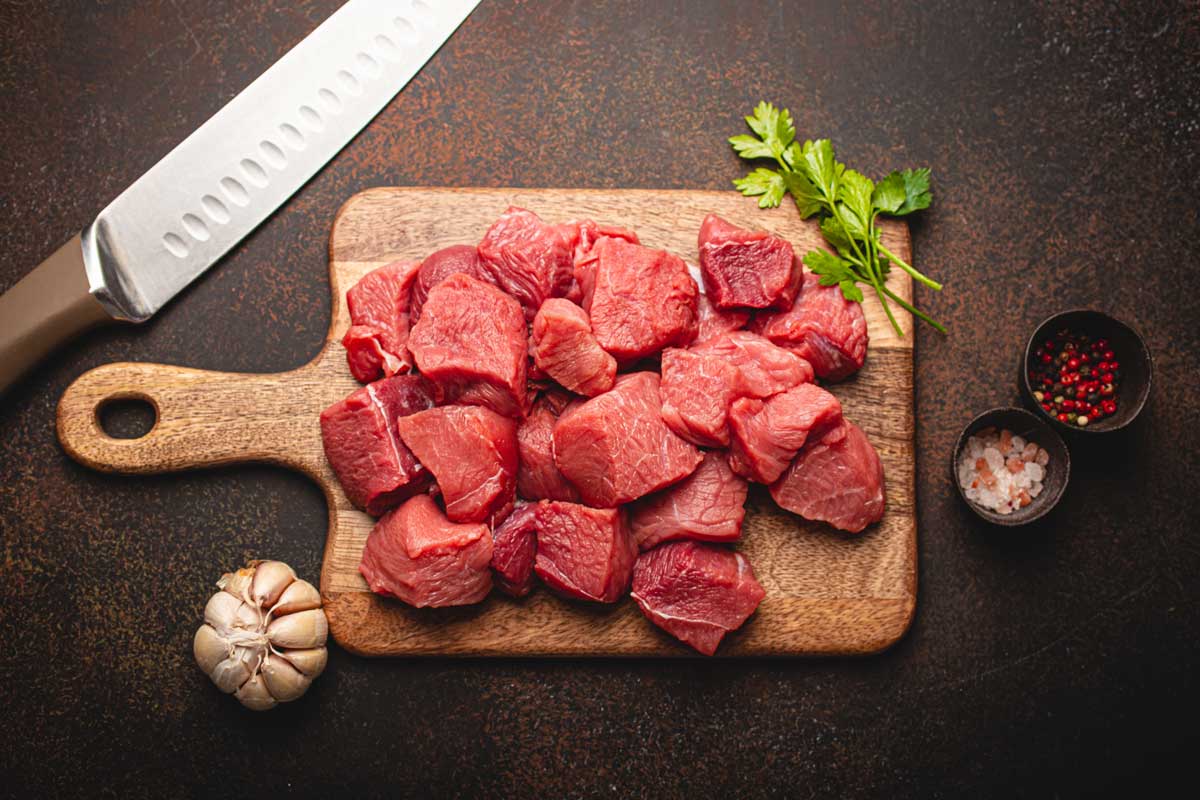
Making the Latin stew at home is easier than you think!
This slow-cooked beef stew is packed with deep, rich flavors that develop over time, resulting in tender, melt-in-your-mouth meat and a savory, well-seasoned sauce.
Below is a step-by-step guide to making the perfect Carne Guisada, along with pro tips to elevate your dish.
Ingredients You’ll Need:
Before we get into the cooking process, here’s what you’ll need:
Meat:
✔ 2 lbs beef chuck roast or stew meat, cut into 1-inch chunks
✔ 1 tbsp oil (olive oil or vegetable oil) for browning, plus a little more if needed
Aromatics & Vegetables:
✔ 1 onion, diced
✔ 1 bell pepper, chopped
✔ 3 garlic cloves, minced
✔ 2 tomatoes, diced (or 1 cup canned tomato sauce)
✔ 1 carrot, chopped (optional)
✔ 1 potato, diced (optional)
Seasonings & Spices:
✔ 1 tsp cumin
✔ 1 tsp oregano
✔ 1 tsp paprika
✔ 1 bay leaf
✔ Up to 1 tsp salt (start with less if using salty broth, adobo or Sazón)
✔ ½ tsp black pepper
✔ ½ tsp adobo seasoning (optional)
✔ 1 tbsp Sazón or achiote powder (for color & extra flavor)
Liquids & Thickeners:
✔ 2 cups beef broth or stock
✔ 1 tbsp Worcestershire sauce (optional, for depth)
✔ 1 tbsp flour or cornstarch (for thickening, optional)
Garnish & Sides:
✔ Fresh cilantro for garnish
✔ White rice, tortillas, or plantains for serving
Step-by-Step Cooking Instructions
1. Prep the Beef for Maximum Flavor
- Cut the beef into bite-sized chunks and pat it dry with paper towels—this helps with browning.
- Season with salt, pepper, cumin, and oregano to enhance flavor before cooking.
2. Sear the Beef for a Richer Taste
- Heat 1 tbsp oil in a Dutch oven or deep skillet over medium-high heat.
- Sear the beef in batches (don’t overcrowd the pan) until browned on all sides. This step builds a browned crust and rich flavor.
- Remove the beef and set it aside.
3. Sauté the Aromatics
- In the same pot, add a bit more oil if needed and sauté the onion, bell pepper, and garlic until fragrant.
- Stir in the tomatoes or tomato sauce and let it cook down for 3-5 minutes.
4. Build the Flavor Base
- Return the seared beef to the pot.
- Add beef broth, Worcestershire sauce, and seasonings (paprika, bay leaf, adobo, Sazón, or achiote powder).
- Stir well and bring the mixture to a gentle boil.
5. Simmer Low and Slow for Tender Meat
- Reduce the heat to low and cover the pot. Let it simmer for 1.5 to 2 hours, stirring occasionally, until the beef is fork-tender; add a splash of broth or water if needed and allow more time for tougher cuts.
- Add potatoes and carrots (if using) when the beef is nearly tender, and simmer about 25-30 minutes more until both vegetables and meat are tender.
6. Thicken the Sauce (Optional Step)
- If you prefer a thicker sauce, mix 1 tbsp flour or cornstarch with a little water to form a slurry.
- Stir it into the pot and let it cook for another 5-10 minutes until thickened.
7. Taste and Adjust Seasoning
- Remove the bay leaf and check for seasoning. Add more salt, pepper, or spices as needed.
- Sprinkle fresh cilantro on top for added brightness.
Serving Suggestions

Carne Guisada is best enjoyed with classic Latin sides:
- White or yellow rice – the perfect base to soak up the sauce
- Flour or corn tortillas – wrap the beef for a taco-style meal
- Tostones (fried plantains) – a deliciously crispy contrast
- Mashed potatoes or yuca – for an extra comforting dish
- Avocado slices – for a fresh, creamy balance
Pro Tips for the Best Carne Guisada
Use a Dutch oven or heavy-bottomed pot for even heat distribution.
⏳ Don’t rush the simmering process—low and slow cooking makes the beef ultra-tender.
Customize the seasoning to match your preferred Latin American style (Mexican, Puerto Rican, Dominican, etc.).
For extra depth, marinate the beef in the refrigerator for an hour before cooking with lime juice and spices.
Try different cooking methods like a slow cooker (6-8 hours on low) or Instant Pot (45 minutes on high pressure).
Ready to Make Your Own Carne Guisada?
This rich, hearty and popular Latin stew is perfect for family meals, meal prep, or special occasions.
Whether you follow the classic recipe or add your own twist, Carne Guisada is sure to impress!
Give it a try and let us know how it turns out!
Best Side Dishes to Serve with Carne Guisada
Carne Guisada is a rich, slow-cooked beef stew that pairs perfectly with a variety of Latin-inspired side dishes.
Whether you’re serving it Mexican-style with tortillas, Puerto Rican-style with tostones, or Colombian-style with arepas, the right sides can elevate the dish and create a well-balanced meal.
Here are some of the best side dishes to serve it with!
1. Rice: The Classic Companion
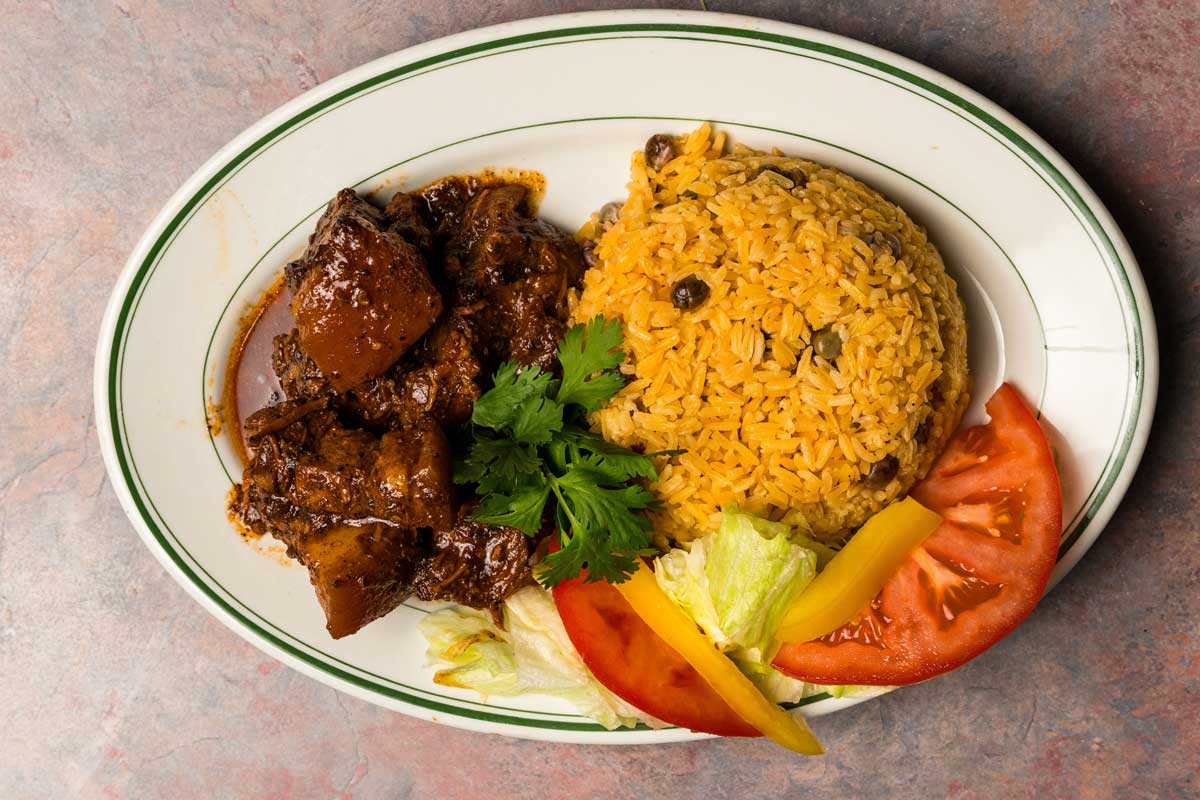
Carne Guisada is best enjoyed with rice because the fluffy grains soak up the delicious sauce.
Some great options include:
- White Rice – Simple, neutral, and perfect for absorbing the flavorful stew.
- Yellow Rice (Arroz Amarillo) – Infused with saffron or annatto for extra flavor.
- Cilantro Lime Rice – A zesty, fresh contrast to the rich beef.
- Spanish Rice (Arroz Rojo) – A tomato-based rice commonly served with Mexican Carne Guisada.
2. Warm Tortillas: A Mexican Favorite
- Flour Tortillas – Soft and perfect for scooping up the beef or making tacos.
- Corn Tortillas – Adds a traditional, rustic touch and a slightly nutty flavor.
- Stuffed Carne Guisada Tacos – Fill tortillas with Carne Guisada, avocado, and cotija cheese for a delicious twist!
3. Fried Plantains & Sweet Sides
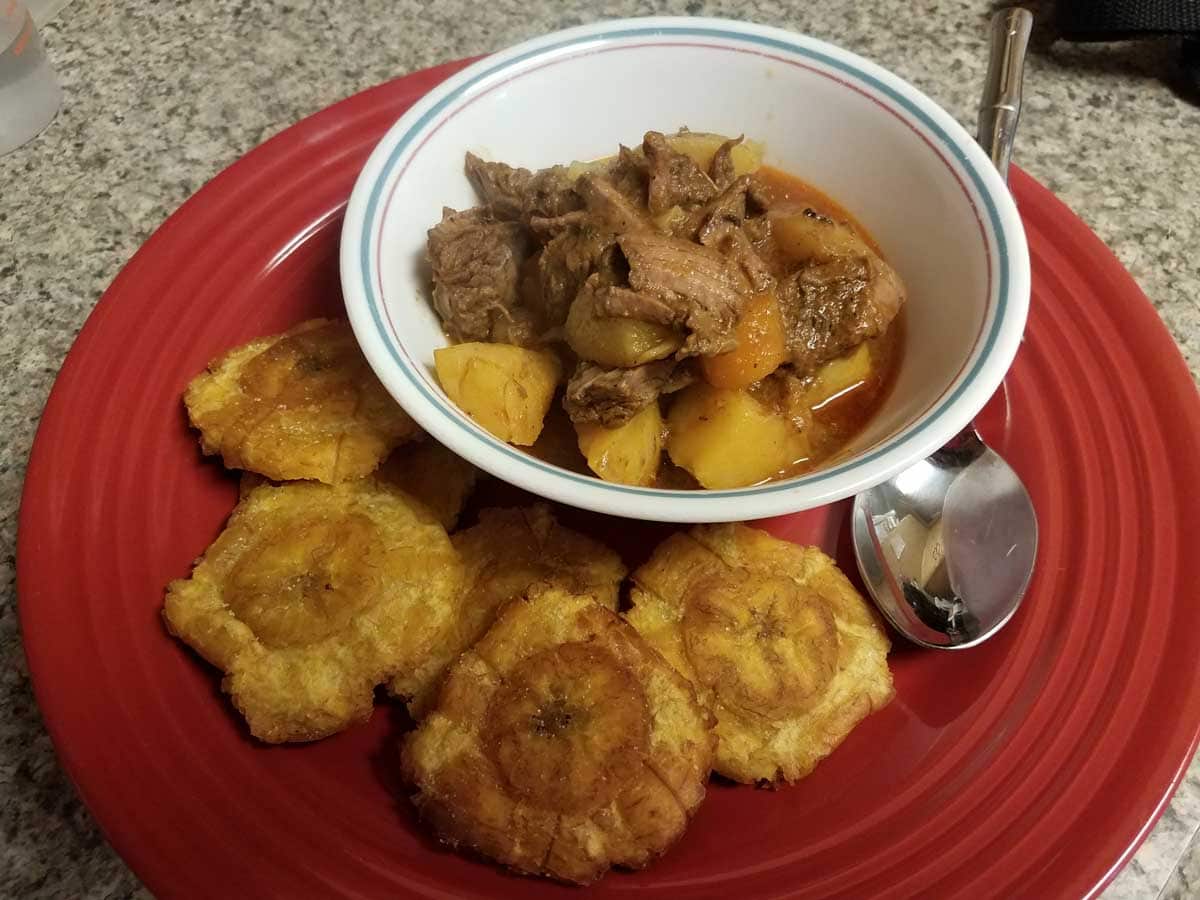
Adding a slightly sweet contrast to the savory Carne Guisada makes for an incredible flavor balance.
Try these:
- Tostones – Twice-fried green plantains, crispy on the outside, soft inside.
- Maduros – Sweet, caramelized ripe plantains that melt in your mouth.
- Coconut Rice – A Caribbean-inspired side that complements the richness of the stew.
4. Hearty Starches for a Comforting Meal
For a more filling dish, try pairing Carne Guisada with root vegetables or mashed sides:
- Mashed Potatoes – Buttery and smooth, perfect for spooning up the stew.
- Yuca (Cassava) with Garlic Mojo – A tropical alternative to potatoes.
- Arepas – A Colombian and Venezuelan favorite; soft, golden corn cakes.
- Crusty Bread – Ideal for sopping up every last drop of the sauce.
5. Beans for an Authentic Touch
Beans add extra protein and texture to round out the meal:
- Black Beans – A classic pairing, either whole or refried.
- Pinto Beans – A delicious Mexican side, sometimes cooked with bacon.
- Red Kidney Beans (Habichuelas Guisadas) – Common in Puerto Rican and Dominican cuisine.
- Lentils or Frijoles Charros – A hearty, flavorful alternative.
6. Fresh & Light Side Dishes
To balance out the richness of Carne Guisada, a fresh salad or vegetable dish works wonders:
- Avocado Slices or Guacamole – Creamy and refreshing.
- Simple Green Salad – Lettuce, tomato, onions, and a light vinaigrette.
- Curtido (Pickled Cabbage Slaw) – A tangy Salvadoran-style slaw.
- Escabeche (Pickled Vegetables) – Adds acidity and crunch.
Whether you’re serving Carne Guisada with rice and beans for a classic meal, making Carne Guisada tacos, or adding a twist with fried plantains or mashed yuca, there are endless ways to enjoy this beloved Latin stew.
Carne Guisada vs. Carne Asada: What’s the Difference?
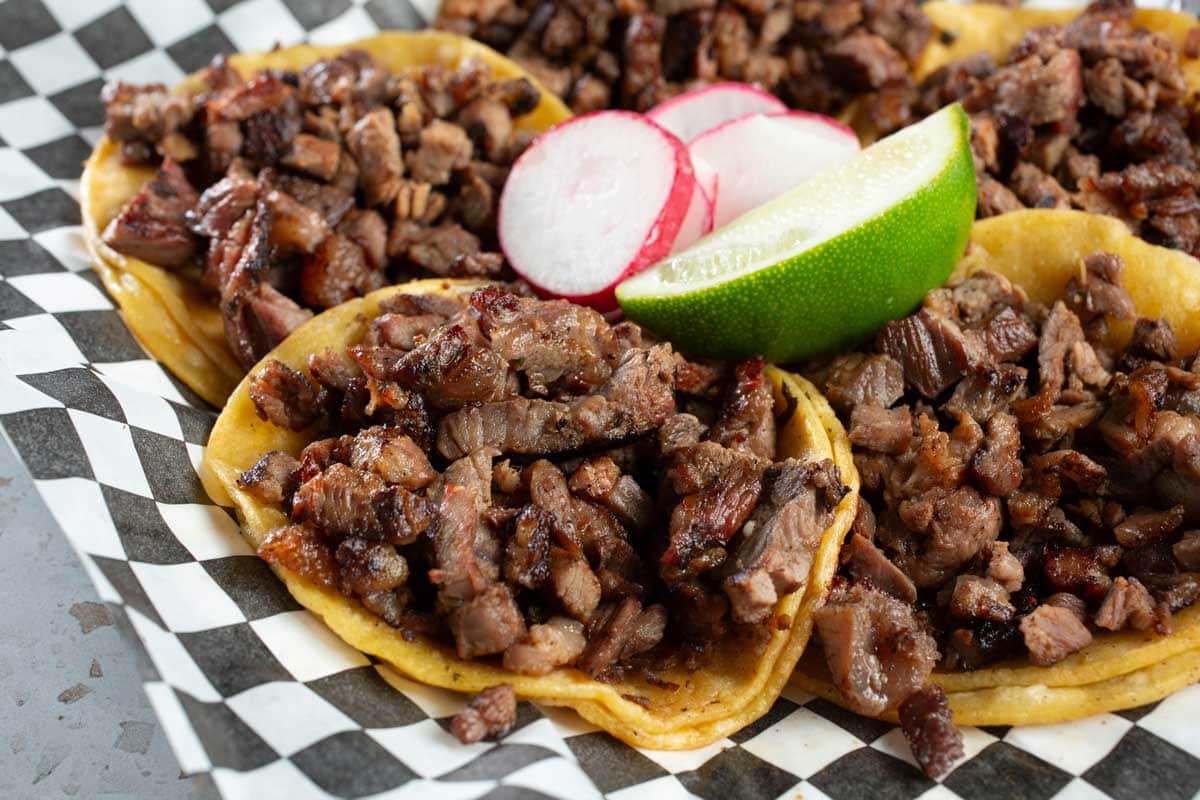
Carne Guisada and Carne Asada may sound similar, but they are two very different dishes in terms of cooking method, flavor profile, and how they are served.
Both are beloved in Latin American cuisine, but knowing the differences will help you choose the right dish for your cravings. Let’s break it down!
1. Cooking Method: Stewed vs. Grilled
Carne Guisada (Stewed Beef)
- Slow-cooked in a pot with broth, tomatoes, and spices.
- Uses moist heat cooking, making the beef tender over time.
- Cooked low and slow for 1-2 hours to develop deep flavors.
Carne Asada (Grilled Beef)
- Grilled or seared over high heat for a smoky, charred flavor.
- Typically marinated with lime juice, garlic, and spices before cooking.
- Quick cooking time—usually just a few minutes per side.
2. Texture & Flavor
Carne Guisada:
- Soft, tender, and juicy due to slow braising.
- Sauce is thick and flavorful, often with tomatoes, onions, and spices.
- Can include potatoes, carrots, and bell peppers for extra heartiness.
Carne Asada:
- Charred, smoky, and slightly crispy on the outside.
- Meat is firm but juicy, sliced thin against the grain.
- Bold citrusy, garlicky flavors from the marinade.
3. Meat Cuts Used
Carne Guisada:
- Uses tougher cuts like chuck roast, beef stew meat, or brisket, which become tender through slow cooking.
Carne Asada:
- Made with leaner, tender cuts like flank steak, skirt steak, or sirloin, which cook quickly on the grill.
4. How They Are Served
Carne Guisada:
- Served with rice, beans, and tortillas.
- Sometimes eaten as a stew with a spoon or used as a filling.
- Common in Puerto Rican, Dominican, and Mexican cuisine.
Carne Asada:
- Served sliced thin and used in tacos, burritos, and fajitas.
- Often accompanied by grilled onions, pico de gallo, and guacamole.
- A staple in Mexican and Tex-Mex cuisine.
Which One Should You Make?

If you love hearty, comforting stews, go for Carne Guisada.
If you prefer grilled, smoky meats, Carne Asada is your best bet.
Both dishes are incredibly delicious and highlight the diversity of Latin American cooking!
Whether you’re in the mood for a slow-cooked, saucy beef dish or a quick, grilled steak packed with flavor, Carne Guisada and Carne Asada each offer something unique and satisfying.
Which one do you prefer? Let us know in the comments!
Tips & Tricks for the Best Carne Guisada
Making the traditional latin stew is simple, but a few expert tricks can take your dish from good to absolutely incredible!
Whether you want extra-tender beef, a richer sauce, or a bolder flavor, these tips will help you perfect your Carne Guisada every time.
1. Choose the Right Cut of Beef
Best choices: Chuck roast, stew beef, brisket, or short ribs.
Avoid lean cuts like sirloin or filet—they don’t break down well in slow cooking.
✅ Pro Tip: Marinate the beef for extra depth of flavor before cooking!
2. Sear the Meat for Maximum Flavor
Before simmering, brown the beef in hot oil until it develops a deep, golden crust.
Browning adds a rich, caramelized taste to the stew.
✅ Pro Tip: Don’t overcrowd the pan—brown the beef in batches for best results!
3. Build a Flavorful Base with Aromatics
Start with onions, bell peppers, garlic, and tomatoes—they create the rich foundation of the sauce.
Sofrito or Sazón seasoning can enhance the depth of flavor in Puerto Rican or Dominican versions.
✅ Pro Tip: Deglaze the pan with a splash of red wine or beer for extra complexity!
4. Use the Right Cooking Method
Stovetop (Traditional Method): Slow simmer for 1.5 to 2 hours for tender beef.
⏳ Slow Cooker: Cook on low for 6-8 hours or high for 4-5 hours for a hands-off approach.
⚡ Instant Pot: Pressure cook for 45 minutes on high, then natural release.
✅ Pro Tip: The longer you simmer, the better the flavor!
5. Perfect the Sauce Consistency
If you like a thicker sauce, mix 1 tbsp flour or cornstarch with water and stir it in at the end.
If your sauce is too thick, add more beef broth for a silkier texture.
✅ Pro Tip: Let the stew rest for 10 minutes before serving to let flavors settle.
6. Adjust Seasonings to Taste
Want more heat? Add chili powder or diced jalapeños.
Need more depth? Try Worcestershire sauce or a pinch of sugar to balance flavors.
✅ Pro Tip: Always taste and adjust seasoning in the last 10 minutes of cooking!
7. Best Ways to Serve Carne Guisada
Serve over white or yellow rice to soak up the flavorful sauce.
Use as a filling for tacos, burritos, or empanadas.
Pair with tostones or maduros for a sweet-savory contrast.
✅ Pro Tip: Garnish with fresh cilantro and avocado slices for a fresh finish!
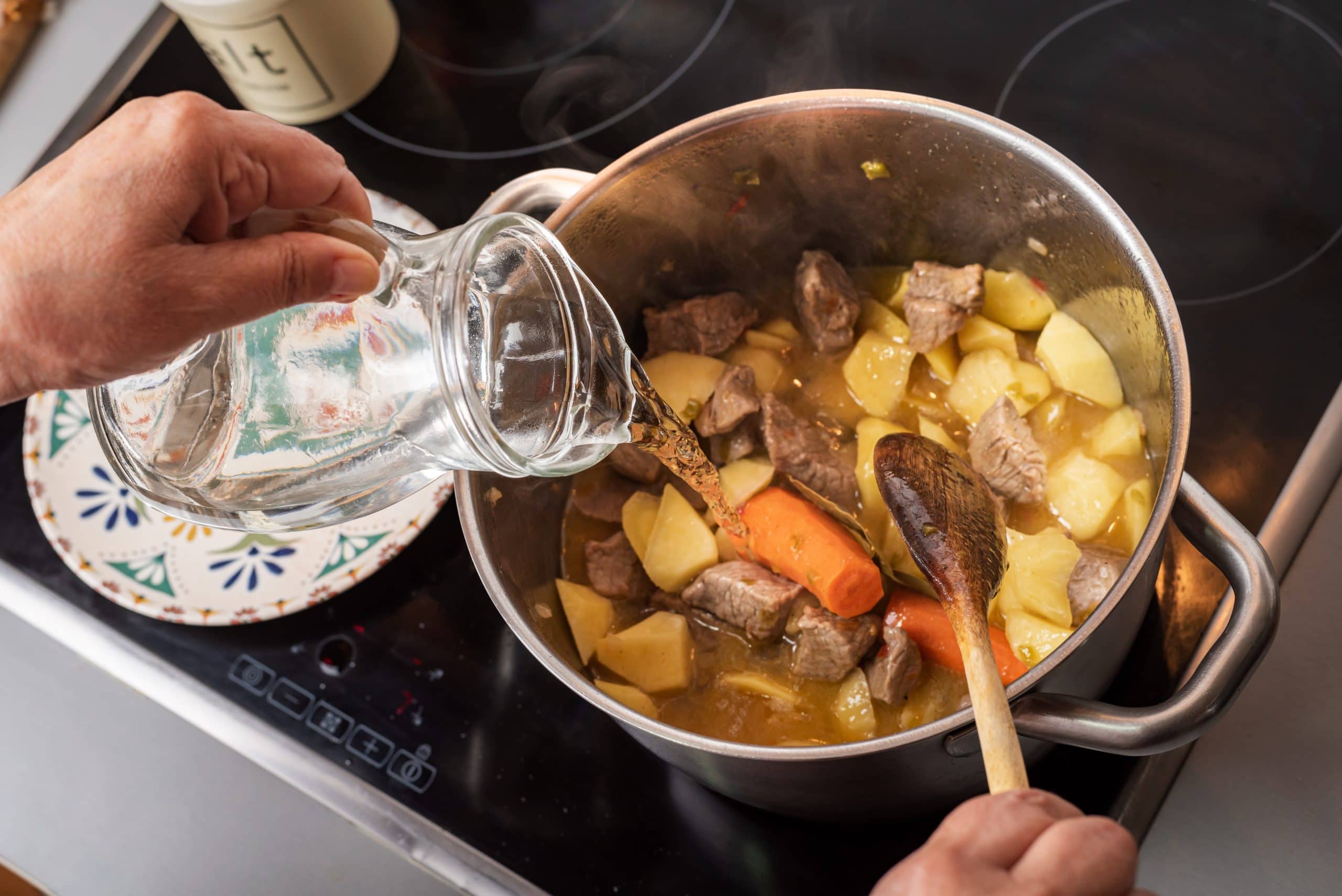
With these expert tips, your Carne Guisada will be tender, rich, and bursting with flavor every time.
Whether you’re making it Puerto Rican, Mexican, or Dominican style, mastering the basics will ensure an unforgettable meal!
FAQs About Carne Guisada
Carne Guisada is a beloved Latin American dish, but many people have questions about how to make it, store it, and customize it.
Here are some of the most frequently asked questions about Carne Guisada, along with expert answers to help you perfect this flavorful stew!
1. What is Carne Guisada made of?
It is made with chunks of beef (typically chuck roast or stew meat), onions, bell peppers, garlic, tomatoes, and a blend of spices like cumin, oregano, and bay leaves.
It is slowly braised in a flavorful sauce until the meat becomes tender and rich in flavor.
2. What’s the difference between Carne Guisada and Carne Asada?
- Carne Guisada is a slow-cooked beef stew with a thick, savory sauce.
- Carne Asada is grilled, marinated steak, sliced and served in tacos, burritos, or plates.
- Carne Guisada is soft and saucy, while Carne Asada is charred and smoky.
3. What’s the best cut of beef for Carne Guisada?
The best cuts are tough, well-marbled meats that break down beautifully when slow-cooked, such as:
✔ Chuck roast – most common and flavorful
✔ Brisket – rich and tender when slow-cooked
✔ Short ribs – for extra depth of flavor
✔ Beef stew meat – pre-cut and convenient
4. Can I make Carne Guisada in a slow cooker?
Yes! Carne Guisada is perfect for a slow cooker. Just follow these steps:
1️⃣ Sear the beef first for extra flavor (optional).
2️⃣ Add thawed beef, vegetables, broth and seasonings within the cooker’s fill limits; add any thickener only at the end.
3️⃣ Cook on low for 6-8 hours or high for 4-5 hours until tender.
5. Can I make Carne Guisada in an Instant Pot?
Absolutely! The Instant Pot cuts down cooking time while keeping the meat tender.
1️⃣ Use the Sauté function to brown the meat.
2️⃣ Deglaze thoroughly with broth. Add the beef and seasonings, reserving the thickener and optional potatoes/carrots for after pressure cooking. Follow the cooker’s minimum liquid and fill limits; secure the lid.
3️⃣ Pressure cook on High for about 45 minutes, then allow a natural release according to the manual. Check tenderness. Simmer optional vegetables in the sauce until tender, then thicken. Time to reach pressure and release is additional.
6. How can I thicken the sauce?
If your Carne Guisada sauce is too thin, try these tricks:
✅ Flour or cornstarch slurry – Mix 1 tbsp flour or cornstarch with water and stir into the stew.
✅ Mash some of the potatoes – If your recipe includes potatoes, mash a few to naturally thicken the sauce.
✅ Simmer uncovered – Let the sauce reduce for 10-15 minutes for a thicker consistency.
7. Can I make Carne Guisada spicy?
Yes!
To add heat, try:
- Diced jalapeños or serrano peppers
- A pinch of cayenne pepper or red pepper flakes
- Mexican-style dried chiles (guajillo or ancho)
8. Can I use chicken or pork instead of beef?
Yes!
While beef is traditional, you can make delicious variations:
Pollo Guisado (Chicken Stew) – Use bone-in chicken thighs for the best flavor.
Pork Carne Guisada – Use pork shoulder or ribs for a rich, juicy alternative.
9. How long does Carne Guisada last in the fridge?
Stored properly in an airtight container, Carne Guisada lasts:
- 3-4 days in the refrigerator
- Up to 3 months in the freezer (for best quality)
10. Can I freeze it?
Yes!
It freezes well for meal prep or future use.
✔ Divide into shallow containers and refrigerate promptly, within 2 hours; freeze once chilled.
✔ Store in a freezer-safe bag or container.
✔ Reheat on the stove to 165°F (74°C), stirring; do not reheat cold leftovers in a slow cooker.
11. What can I serve with Carne Guisada?
It pairs perfectly with;
- Rice (white, yellow, or Spanish rice)
- Flour or corn tortillas
- Tostones or maduros (fried plantains)
- Beans (black beans, pinto beans, or red kidney beans)
- Avocado slices or guacamole
12. What’s the difference between Puerto Rican, Mexican, and Dominican Carne Guisada?
- Puerto Rican: Uses sofrito, potatoes, and olives for extra flavor.
- Mexican: Has a thicker, chili-based gravy and is often served with tortillas.
- Dominican: Includes Sazón, cilantro, and allspice for depth.
Carne Guisada is a comforting, flavorful dish that’s easy to customize and enjoy in many ways.
Whether you’re making it Puerto Rican, Mexican, or Dominican style, these tips will help you create the perfect latin dish.
Enjoy the Ultimate Carne Guisada Experience

Carne Guisada is the ultimate Latin comfort food, bringing together tender, slow-cooked beef, rich flavors, and a hearty sauce that pairs perfectly with rice, tortillas, or plantains.
Whether you enjoy the Puerto Rican, Mexican, or Dominican version, this dish is a versatile and delicious meal that’s easy to make at home.
By using the right cut of beef, slow-cooking for maximum tenderness, and adjusting the seasonings to your taste, you can create a restaurant-quality Carne Guisada right in your own kitchen.
Don’t forget to experiment with side dishes like tostones, beans, or avocado to complete the meal!
Try making it today and experience the rich, bold flavors that have made this dish a Latin American favorite for generations.
Have you tried Carne Guisada? Let us know your favorite version in the comments!
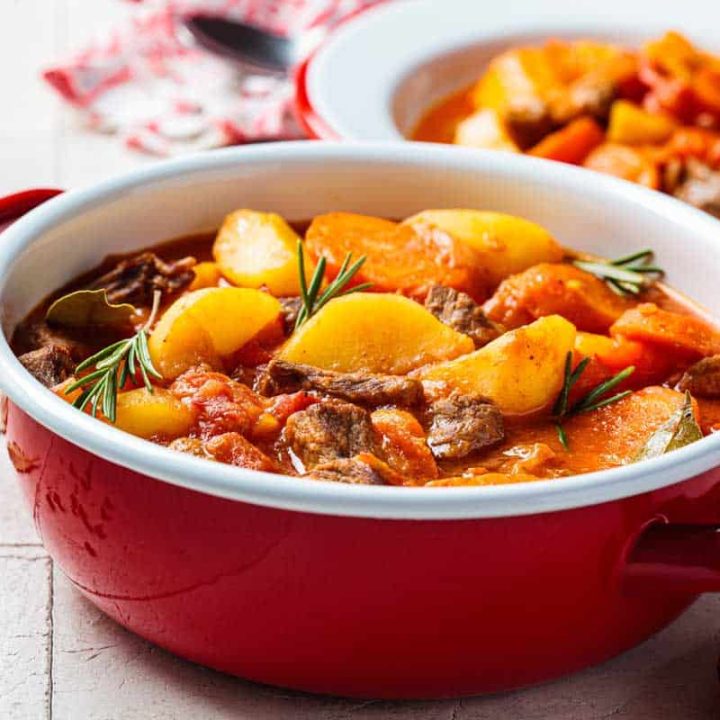
Carne Guisada Recipe
Carne Guisada is a rich and flavorful Latin beef stew simmered to perfection in a savory tomato-based sauce. This comforting dish is popular across Latin America and pairs beautifully with white rice, warm tortillas, or fried plantains. With its tender chunks of beef, aromatic spices, and hearty vegetables, this Carne Guisada recipe is the perfect meal for a cozy family dinner.
Ingredients
Meat
- 2 lbs beef chuck roast or stew meat, cut into 1-inch chunks
- 1 tbsp olive oil or vegetable oil, plus more if needed (for browning)
Aromatics & Vegetables
- 1 onion, diced
- 1 bell pepper, chopped
- 3 garlic cloves, minced
- 2 tomatoes, diced (or 1 cup canned tomato sauce)
- 1 carrot, chopped (optional)
- 1 potato, diced (optional)
Seasonings & Spices
- 1 tsp cumin
- 1 tsp oregano
- 1 tsp paprika
- 1 bay leaf
- Up to 1 tsp salt (start with less if using salty broth, adobo or Sazón)
- ½ tsp black pepper
- ½ tsp adobo seasoning (optional)
- 1 tbsp Sazón or achiote powder (for color & extra flavor)
Liquids & Thickeners
- 2 cups beef broth or stock
- 1 tbsp Worcestershire sauce (optional, for depth)
- 1 tbsp flour or cornstarch (for thickening, optional)
Garnish & Sides
- Fresh cilantro, for garnish
- White rice, tortillas, or fried plantains, for serving
Instructions
- Pat the 1-inch beef cubes dry. Season with cumin, oregano, pepper and a little of the salt; reserve the rest until the end if the broth or seasoning blends are salty.
- Heat 1 tablespoon oil in a heavy pot over medium-high heat. Brown beef in batches, then set aside. Browning builds flavor.
- Add a little more oil if needed and sauté onion, pepper and garlic until softened and fragrant. Add tomatoes or tomato sauce and cook 3-5 minutes.
- Return beef and juices to the pot. Add broth, optional Worcestershire sauce, paprika, bay leaf and chosen seasoning blend. Scrape up the browned bits and bring to a gentle boil.
- Cover and simmer gently for about 1½-2 hours, stirring occasionally, until fork-tender. Add a splash of broth or water if the pot becomes dry; tougher cuts may need longer. When the beef is nearly tender, add optional potatoes and carrots and cook about 25-30 minutes more, until tender.
- If desired, mix the flour or cornstarch with a little cold water. Stir into the simmering stew and cook 5-10 minutes until thickened.
- Remove the bay leaf, adjust salt and seasonings, and garnish with cilantro. Serve with rice, tortillas or plantains.
Notes
Allow about 2 hours 45 minutes, including 15 minutes prep and about 2½ hours for browning, simmering and finishing. The beef must be fork-tender; cooking time varies by cut. Optional marinating, resting and preparing side dishes are extra.
Sazón is a seasoning blend, while plain achiote is ground annatto; they give different flavors and salt levels. Adjust the seasoning to the product and your taste, and hold back added salt when using salty broth or blends.
Serve with white rice, warm tortillas or fried plantains. Refrigerate leftovers in shallow containers within 2 hours, use within 3-4 days, or freeze up to 3 months for best quality. Reheat on the stove to 165°F (74°C), stirring; do not use a slow cooker to reheat cold leftovers.
More Latin Favorites
See all →
Jorge Garcia is the founder of AmigoFoods, where he has spent over 20 years helping readers discover authentic Latin American and Spanish cuisine. Raised in a Cuban-American household, Jorge learned to cook at the hands of his mother and grandmother, carrying forward generations of family recipes. That heritage, backed by his family’s four-generation history in the Latin food industry, inspired him to launch AmigoFoods in 2003. With more than 1,000 published articles on recipes, ingredients, and food culture, Jorge’s mission is simple: make authentic Latin cooking approachable for home cooks everywhere while honoring the traditions behind every dish.