

Ecuadorian fruit is a feast for the senses—vibrant, exotic, and bursting with flavor.
Quick Navigation
ToggleThanks to Ecuador’s wildly diverse landscapes, from the misty Andes to the lush Amazon, this small country grows some of the most unique and delicious fruits on the planet.
Sure, Ecuador is famous for bananas—it’s one of the top exporters in the world—but that’s just the beginning.
Walk through a bustling mercado, and you’ll discover tropical treasures you never knew existed: tart naranjilla, creamy chirimoya, and bright yellow pitahaya, just to name a few.
In this article, we’ll explore the most popular fruits of Ecuador—what they taste like, how locals enjoy them, and where you can find them.
Get ready for a juicy, mouthwatering journey through one of South America’s most colorful culinary landscapes!
Why Ecuador Is a Fruit Lover’s Paradise

Ecuador isn’t just a stunning travel destination—it’s a sensory explosion for anyone who loves fresh, flavorful fruit.
Thanks to its unique geography and biodiversity, this small South American country packs a fruity punch far beyond its size.
A Country of Four Worlds = Year-Round Fruit
Ecuador is home to four distinct climate zones: the Amazon rainforest, the Andean highlands, the Pacific coast, and the Galápagos Islands.
Each region has its own altitude, temperature, and rainfall patterns, creating microclimates that are perfect for growing a wide range of fruits all year long.
You can literally pick up a mango from the coast, a guanábana from the Amazon, and a chirimoya from the Andes—all in the same day.
Fruit Markets Overflowing with Variety

Walk into any Ecuadorian mercado and you’ll be greeted by mountains of colorful produce: bright yellow maracuyás, spiky red pitahayas, or the smooth green glow of babaco.
Fruit vendors proudly display dozens of tropical and Andean fruits, many of which are virtually unknown outside South America.
And the best part? They’re incredibly affordable and often freshly picked that same day.
Ecuadorian Fruits in Everyday Life
Ecuadorians don’t just snack on fruit—they integrate it into every meal and cultural tradition.
From morning smoothies and fresh juices to fruit-based sauces and desserts, fruit is a staple.
You’ll find exotic fruits blended into jugos naturales, simmered into homemade marmalades, or frozen into refreshing helados.
And during holidays or festivals, fruit-based drinks like chicha de jora make a special appearance.
Fresh, Local, and Naturally Organic
Because much of the country’s fruit is grown on small family farms, Ecuador offers produce that’s often organic by default.
The rich volcanic soil, minimal use of pesticides, and short supply chains mean the fruit you’re eating is as fresh and natural as it gets.
Top 21 Most Popular Fruits of Ecuador (with Descriptions)

From the high-altitude Andes to the humid Amazon basin, Ecuador offers an astonishing variety of fruits that are both delicious and culturally significant.
Here’s a flavorful guide to the 21 most popular fruits of Ecuador—some you’ll recognize, others you’ll fall in love with for the first time.
1. Banana (Plátano)
The king of Ecuadorian exports! Bananas are everywhere—from roadside snacks to daily breakfasts.
Ecuador grows many varieties, including sweet bananas, red bananas, and cooking plantains.
2. Naranjilla

This bright orange fruit, which also goes by the name, Lulo, has a citrusy zing and is a favorite for making refreshing juices.
It’s often compared to a mix of pineapple and lime.
Naranjilla is also the signature flavor of helado de paila, the hand-churned ice cream of Ibarra.
3. Guanábana (Soursop)
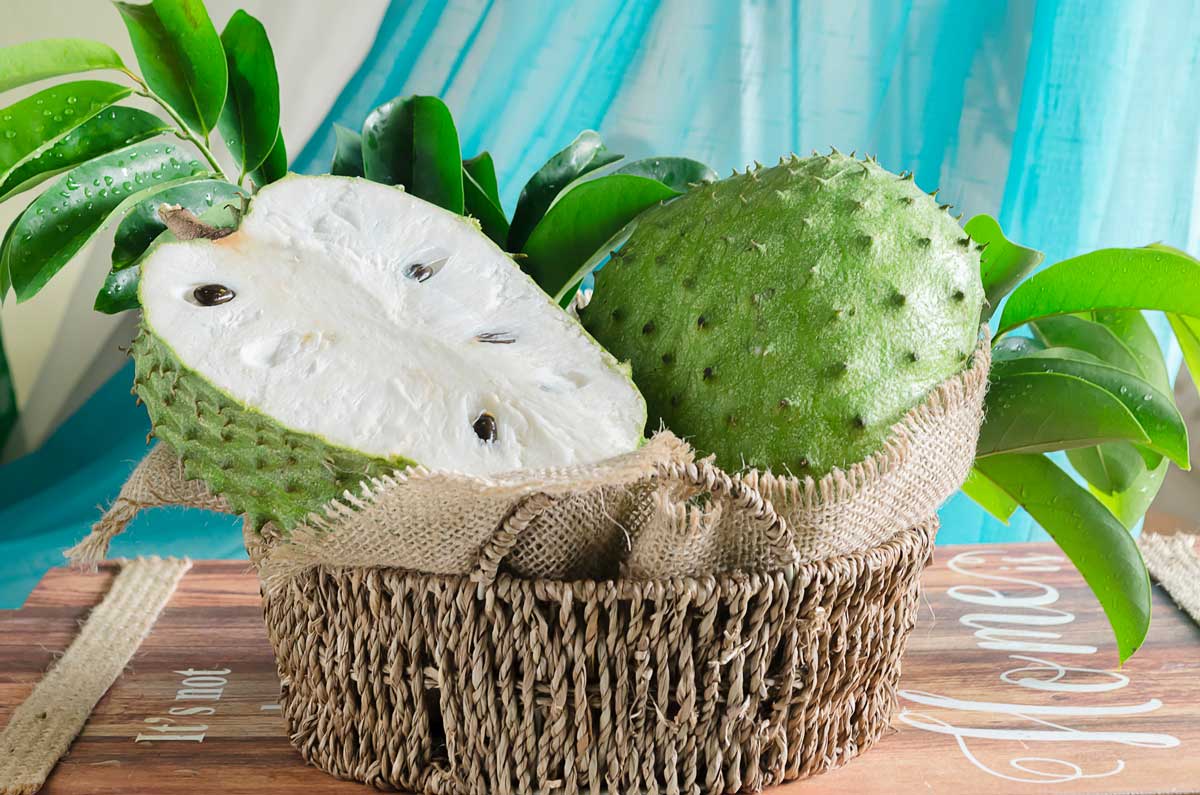
Creamy, fragrant, and slightly tangy, guanábana is prized for its custard-like texture.
Locals blend it into juices, ice creams, and smoothies.
4. Granadilla

Don’t be fooled by its tough outer shell—inside is a sweet, jelly-like pulp with crunchy black seeds.
Kids love to slurp it straight from the shell!
5. Babaco
This seedless fruit looks like a golden star when sliced.
It has a tangy flavor with hints of pineapple, papaya, and strawberry all in one bite.
6. Maracuyá (Passion Fruit)

Bold and aromatic, maracuyá is popular in desserts, juices, and even savory sauces.
The tartness balances beautifully with sugar.
7. Tomate de Árbol (Tamarillo)
This “tree tomato” is savory-sweet, with a tangy edge.
It’s often blended with sugar and water to make a bright red juice that’s as vibrant as it is refreshing.
Get the full recipe in our guide to tomate de árbol and jugo de tomate de árbol.
8. Taxo

A cousin of passion fruit, taxo has a banana-shaped body and intensely tart pulp.
Locals often mix it with sugar or blend it into smoothies.
9. Pitahaya (Dragon Fruit)

Known for its eye-catching pink or yellow skin and speckled flesh, Ecuadorian pitahaya is grown in warm coastal areas.
It’s mildly sweet and hydrating.
10. Chirimoya (Custard Apple)

This Andean treasure has soft, custard-like flesh with a sweet, tropical flavor.
Chirimoya fruit is often eaten with a spoon or blended into shakes.
11. Papaya
A breakfast staple, papaya is loved for its mild sweetness and digestive benefits.
It’s commonly served with lime or mixed into fruit salads.
12. Mango
When mango season hits, streets overflow with these juicy delights.
Ecuadorian mangos are small, ultra-sweet, and often eaten peeled and whole.
13. Uvilla (Goldenberry)
These tiny golden-orange berries come wrapped in papery husks.
Their tangy flavor is great in jams, sauces, and desserts—or straight from the vine.
14. Zapote
Earthy and sweet with a pudding-like consistency.
Zapote is a rich and filling fruit that’s popular in the Amazon and coastal regions.
15. Mora (Andean Blackberry)

More tart than its North American cousin, the mora is essential in Ecuadorian jugos.
It’s often sweetened and blended into creamy smoothies.
16. Tuna (Prickly Pear)

Harvested from cactus paddles, this fruit has a soft, seedy interior and is popular in arid highland zones.
Refreshing and mildly sweet!
17. Coco (Coconut)
On the coast, coconut is king.
From drinking fresh coconut water to using grated coconut in savory dishes and desserts, it’s a staple in coastal cuisine.
18. Guayaba (Guava)

A fragrant fruit with sweet, grainy flesh and edible seeds.
Often used in juices, marmalades, and sweets like bocadillos.
19. Lúcuma

Rare and exotic, lúcuma has a dry, sweet flesh with notes of maple and sweet potato.
It’s used in artisanal ice creams and pastries.
20. Sandía (Watermelon)
Perfect for hot days, watermelon is juicy, hydrating, and sold in big slices on the street or as part of tropical fruit salads.
21. Melón (Cantaloupe)
Common in lower elevations, cantaloupe adds a crisp sweetness to Ecuadorian breakfasts and snacks, often served with a splash of lime juice.
How Ecuadorians Eat and Enjoy These Fruits

In Ecuador, fruit isn’t just a snack—it’s a way of life.
Whether in the Amazon, Andes, or on the coast, fruits are deeply woven into everyday culture, cuisine, and even tradition.
Here’s how locals enjoy their tropical bounty:
1. Fresh Juices (Jugos Naturales)
Juices are a daily ritual in Ecuadorian households and restaurants.
You’ll find an endless variety of fruit juices made fresh to order, often served with breakfast or lunch.
Some popular combos include:
-
Mora con leche (blackberry with milk)
-
Naranjilla con agua (naranjilla with water)
-
Tomate de árbol con azúcar (tree tomato sweetened and blended)
-
Guanábana with milk or coconut water
Pro tip: In restaurants, you’ll often be asked, “¿Con leche o con agua?” (With milk or water?). Either way, it’s a treat!
2. Blended into Smoothies and Shakes
Fruits like papaya, mango, chirimoya, and babaco make excellent smoothies.
They’re blended with ice, milk, or yogurt, sometimes with oats or flax seeds for a hearty drink called batido.
These are popular in the mornings or as a midday boost.
3. Eaten Fresh, Peeled, and Sliced
In markets, vendors will peel and slice fruits like pineapple, mango, papaya, and watermelon for you on the spot.
Street carts often sell:
-
Fruit cups with lime and salt
-
Fresh slices wrapped in plastic for easy snacking
-
Seasonal fruits sold by the piece or by weight
It’s common to carry fruit for on-the-go snacks—especially granadilla or bananas.
4. Turned into Ice Cream, Sorbets & Popsicles
Ecuadorians love their helados (ice creams) and paletas (popsicles), and fruit is at the heart of these frozen delights.
From passion fruit popsicles to coconut sorbet and guanábana ice cream, frozen fruit treats are popular year-round.
5. Used in Desserts and Pastries

Fruits are baked into cakes, folded into pastries, or served with manjar (caramel spread).
For example:
-
Lúcuma is used in ice cream and custards.
-
Guava paste is paired with cheese in traditional sweets.
-
Chirimoya is mashed and used as a pie or tart filling.
6. Fermented or Brewed in Traditional Drinks
Some fruits—like chicha de jora (a corn and fruit-based fermented drink)—use fruit as a flavor enhancer.
In rural areas, especially in the Amazon, locals ferment fruits like guava or plantains to create ceremonial or festive drinks.
7. Used in Savory Dishes and Sauces
In Ecuadorian foods—especially along the coast—fruit isn’t just for dessert.
It plays a starring role in savory dishes too.
-
Coconut milk is essential in coastal classics like encocado, a rich fish stew.
-
Passion fruit (maracuyá) adds a tangy twist to chicken and shrimp marinades.
-
Uvilla (goldenberry) is transformed into chutneys and sauces that pair beautifully with meats.
Ecuadorians don’t just eat fruit—they weave it into the very fabric of their cuisine.
From breakfast juices to dinner entrees, fruit is a flavorful, versatile part of everyday life in Ecuadorian cuisine.
Where to Find These Fruits in Ecuador

Whether you’re exploring the buzzing streets of Quito or hiking through the Amazon, you’re never far from a burst of tropical flavor.
Ecuador makes it easy—and affordable—to enjoy its incredible fruit selection.
Here’s where and how to find the freshest fruits in the country:
1. Local Markets (Mercados)
This is fruit heaven. Traditional markets are the beating heart of Ecuador’s food culture and the best place to find ripe, local produce at unbeatable prices.
Top markets to visit:
-
Mercado Central (Quito) – A sensory overload of color, smell, and flavor.
-
Otavalo Market (Otavalo) – Famous for handicrafts and highland fruits like chirimoya and granadilla.
-
Mercado 9 de Octubre (Cuenca) – Packed with exotic Amazonian and Andean fruits.
Vendors are friendly and often let you sample fruit before buying!
2. Supermarkets and Grocery Stores
Modern grocery chains like Supermaxi, Tía, and Mi Comisariato stock a wide variety of local fruits.
While prices may be slightly higher than in open-air markets, you’ll still find plenty of fresh options—conveniently cleaned, bagged, and labeled.
3. Juice Bars and Street Stands
You’ll find juguerías (juice bars) and fruit stands on nearly every corner, especially in urban areas and bus terminals.
These spots offer:
-
Freshly peeled fruit
-
Fruit cups with lime and salt
-
Made-to-order juices and smoothies
It’s common to grab a $1 smoothie on the go—and it’s usually delicious.
4. Roadside Fruit Stalls and Farms
When driving through rural areas, especially in the Sierra or Costa regions, you’ll see small stands selling fruit directly from nearby farms.
These are ideal for:
-
Seasonal tropical fruits like mango, pitahaya, or watermelon
-
Bulk buys for cheap (3 for $1 deals are common!)
-
Chatting with farmers and supporting local communities
5. Know What’s in Season
Fruit in Ecuador is incredibly diverse, but some fruits are seasonal.
Here’s a quick guide:
-
Summer (December–May): Mango, watermelon, passion fruit, pitahaya
-
Winter (June–November): Chirimoya, babaco, naranjilla, mora
-
Year-round: Bananas, papayas, tree tomatoes, coconuts
Asking vendors “¿Qué está de temporada?” (What’s in season?) is always a good move.
From bustling markets to quiet roadside stands, Ecuador makes it easy for locals and travelers alike to enjoy the country’s fruity bounty.
Wherever you are, you’re just a few steps away from your next juicy discovery!
Tips for Tourists Trying Ecuadorian Fruits

If you’re visiting Ecuador, trying the local fruits is an absolute must.
But before you bite into that spiky pitahaya or sip your first glass of naranjilla juice, here are some essential tips to help you enjoy the experience safely and like a local:
1. Wash (or Peel) Everything First
While the fruits themselves are delicious and safe, the water they’re rinsed with may not always be.
Follow these tips:
-
Stick to peeled fruits like bananas, granadillas, and mangos when buying from street vendors.
-
If buying whole fruit, wash it with filtered water before eating—or use fruit disinfectant drops sold in local pharmacies.
-
Avoid eating unpeeled fruits raw unless you’re sure they’ve been cleaned properly.
2. Learn the Local Ecuadorian Fruit Names
Many Ecuadorian fruits have unique Spanish names that don’t always translate directly.
Here are a few quick ones to remember:
-
Guanábana = Soursop
-
Maracuyá = Passion fruit
-
Tomate de árbol = Tree tomato
-
Babaco = Mountain papaya
-
Uvilla = Goldenberry
When in doubt, point and ask, “¿Cómo se llama?” (What is this called?)—locals are usually happy to help!
3. Know How to Order Juice Like a Pro
In Ecuador, juices are customized to your taste.
When ordering, you’ll be asked:
-
“¿Con agua o con leche?” – With water or milk?
-
“¿Con azúcar o sin azúcar?” – With sugar or no sugar?
Tip: Try mora con leche (blackberry with milk) or naranjilla con agua—both are local favorites.
4. Don’t Overpay at Tourist Spots
Prices in markets are usually low, but tourist-heavy areas may charge more.
For reference:
-
A fruit juice: $1–$2
-
Whole fruit: $0.25–$1 each
-
Fruit cups: Around $1
In local markets, it’s okay to bargain politely, especially if you’re buying in bulk.
5. Try the Unfamiliar!
Some Ecuadorian fruits may look strange or even a little intimidating (we’re looking at you, granadilla and zapote!).
But don’t be afraid—most are incredibly tasty and unlike anything you’ve had before.
A few must-tries for adventurous eaters:
-
Granadilla – Eat it with a spoon!
-
Taxo – Very tart, but great in juice.
-
Chirimoya – Soft and custardy, a real treat.
6. Be Mindful of Your Stomach
If your stomach isn’t used to raw tropical fruits or freshly blended juices, ease into it slowly.
Start with common ones like banana, papaya, and watermelon, then move on to the more exotic picks.
Tasting Ecuador’s exotic fruits is more than just a culinary experience—it’s a cultural adventure!
With a little curiosity and these simple tips, you’ll enjoy the fruity side of Ecuador like a local.
Conclusion: Discover the Most Popular Fruits of Ecuador and Taste the Tropics

Ecuador is a true tropical treasure trove, bursting with colorful, flavorful fruits that reflect its rich biodiversity and vibrant culture.
From the creamy chirimoya of the Andes to the tangy maracuyá of the coast, every fruit tells a story of place, people, and tradition.
Whether you’re sipping a fresh jugo in a Quito café, exploring the stalls of a bustling market, or snacking on a juicy mango by the roadside, the most popular fruits of Ecuador offer a delicious way to connect with the country’s heart and soul.
So pack your appetite, bring your sense of adventure, and dive headfirst into Ecuador’s fruity wonders.
Trust us—your taste buds will never be the same!
More Ecuadorian Foods
See all →
Jorge Garcia is the founder of AmigoFoods, where he has spent over 20 years helping readers discover authentic Latin American and Spanish cuisine. Raised in a Cuban-American household, Jorge learned to cook at the hands of his mother and grandmother, carrying forward generations of family recipes. That heritage, backed by his family’s four-generation history in the Latin food industry, inspired him to launch AmigoFoods in 2003. With more than 1,000 published articles on recipes, ingredients, and food culture, Jorge’s mission is simple: make authentic Latin cooking approachable for home cooks everywhere while honoring the traditions behind every dish.
Please Share & Spread the Love of Latin Foods!