

On this page
Hogao (say it oh-GOW) is Colombia’s everyday tomato and green onion sauce. Ripe tomatoes and long green onions are cooked slowly in oil until they collapse into a soft, savory, slightly jammy sauce that Colombians spoon over arepas, patacones and eggs, and stir into beans, rice and stews.
Below is the classic Antioquian (paisa) recipe, ready in about 35 minutes, plus the coastal guiso and other regional versions, and every way to use it.
Hogao at a Glance
What Is Hogao?
Hogao is a cooked sauce of tomatoes and cebolla larga, the long green onion sold in every Colombian market, softened slowly in oil with salt. Many families add a clove of garlic, a pinch of cumin or a little achiote for color. It is the Colombian branch of the sofrito family, and it works two ways: as a condiment spooned on top of food, and as the flavor base that a pot of beans, rice or stew is built on.
Hogao in brief
In English: usually called Colombian creole sauce or Colombian tomato and onion sauce.
The name: from the Spanish verbs ahogar (to smother) and rehogar (to cook gently in fat), which describe how the vegetables soften in oil.
Other names: guiso on the Caribbean coast and in much of the country, and sometimes salsa criolla.
Is it spicy? No. Heat comes from the bowl of ají on the table, not from the hogao.

Hogao is most closely tied to Antioquia and the coffee region, where the paisa version is little more than tomato, green onion and salt. That is the plate where you will see it most: a spoonful on the beans of a bandeja paisa, on a buttered arepa, or over fried green plantains.
Hogao vs. Sofrito, Guiso and Pico de Gallo
Hogao gets compared with several other Latin tomato and onion preparations. The difference is in what goes in and whether it is cooked.
| Main ingredients | Cooked? | How it is used | |
|---|---|---|---|
| Colombian hogao | Tomato and long green onion, sometimes garlic and cumin | Yes, slowly, until soft and jammy | Topping and cooking base |
| Costeño guiso | Tomato, white or red onion, garlic, often sweet ají pepper | Yes | The same sauce under its coastal name |
| Puerto Rican sofrito | Ají dulce, culantro, cilantro, onion, peppers, garlic; no tomato | No, blended raw, cooked later in the dish | Cooking base only |
| Spanish sofrito | Onion, garlic, tomato, olive oil, sometimes peppers | Yes, often for a long time | Cooking base for paella and stews |
| Pico de gallo | Tomato, white onion, cilantro, chile, lime | No, served raw | Fresh table salsa |
| Peruvian salsa criolla | Sliced red onion, ají amarillo, lime, cilantro | No, a quick pickle | Relish for sandwiches and fried foods |
So hogao and guiso are the same idea with regional names, while sofrito is the wider family it belongs to. The quickest way to tell hogao apart: it is cooked, it is built on green onion, and it is soft enough to spread.
Ingredients for Hogao
The classic version needs only four things. Exact amounts are in the recipe card.
Ripe tomatoes
About one pound. Use the reddest, softest ones you can find: Roma or vine tomatoes work well. Underripe tomatoes make a sour, watery hogao.
Cebolla larga or green onions
Colombia’s long green onion is thicker and milder than a supermarket scallion. A large bunch of green onions, white and green parts, is the best substitute.
Oil and salt
A neutral vegetable oil is traditional; mild olive oil works too. Salting early helps the tomatoes release their juice and soften.
Optional extras
A clove or two of garlic, a pinch of ground cumin, and a little achiote for a deeper orange-red color. Each is common, none is required.

Can’t find good tomatoes? In winter, one 14.5-ounce can of diced tomatoes, drained, plus 2 fresh Roma tomatoes gives a better hogao than pale fresh ones alone. Cook it a few minutes longer to drive off the canning liquid.
How to Make Hogao
The whole method is patience: cook the onion until soft, add the tomatoes, and let them break down slowly. Low heat is what makes hogao sweet instead of sharp.
1Chop or grate the tomatoes
Finely chop the tomatoes, keeping their juice. For a smoother sauce, cut them in half and grate the cut side on the large holes of a box grater, discarding the skins, as many cooks on the Caribbean coast do. Grated tomatoes break down faster and give a more even texture.
2Soften the green onions
Finely slice the green onions, white and green parts. Warm 3 tablespoons of oil in a 10-inch skillet over medium-low heat, add the onions with a pinch of salt and cook, stirring, for 3 to 4 minutes, until soft and fragrant but not browned. Add the garlic, if using, for the last 30 seconds.
3Add the tomatoes and season
Stir in the tomatoes, the rest of the salt, and the cumin and achiote if you are using them. The pan will look wet at first; that is normal.

4Simmer gently until jammy
Keep the heat low enough for a lazy bubble and cook uncovered for 15 to 20 minutes, stirring every few minutes and scraping the bottom. If it starts to catch before the tomatoes soften, add a splash of water.
5Taste and finish
Season with black pepper and more salt to taste. Some cooks stir in a spoonful of chopped cilantro at the end. Serve it warm or at room temperature.

Don’t rush it on high heat. Hot oil browns the onions and scorches the tomato sugars before the sauce has a chance to soften, which turns hogao bitter. If you want a smoother sauce, blend it briefly after cooking instead.
The gear that helps
A heavy, wide skillet lets the tomato juice evaporate evenly, and a box grater is the fastest way to a smooth coastal-style hogao.
What I would use
- Tramontina Professional 10-inch nonstick frying pan: the right size for one batch, and the tomatoes will not stick as the sauce thickens.
- KitchenAid gourmet box grater with container: grate the tomatoes straight into the container and leave the skins behind.
As an Amazon Associate, AmigoFoods earns from qualifying purchases.
Regional Versions of Hogao
Ask ten Colombian cooks for their hogao and you will get ten answers. These are the main styles.
Antioquia and the coffee region
Hogao paisa
The minimalist original: tomato, cebolla larga, oil and salt, sometimes a little cumin. This is the version in the recipe card.
Caribbean coast
Guiso costeño
Called guiso rather than hogao. More round onion, often red, plus garlic and sweet ají pepper, with grated tomatoes. It seasons coastal rice, beans and mote de queso.
Tolima, Huila and the south
Hogao with achiote
Achiote and cumin show up more often here, along with garlic, giving the sauce a deeper orange color and a warmer, earthier flavor.
Bogotá and Boyacá
Creamy hogao
Cooked in butter, then finished with milk or cream and melted cheese and poured over boiled potatoes as papas chorreadas, often made with papa criolla.
What Is Hogao Served With?
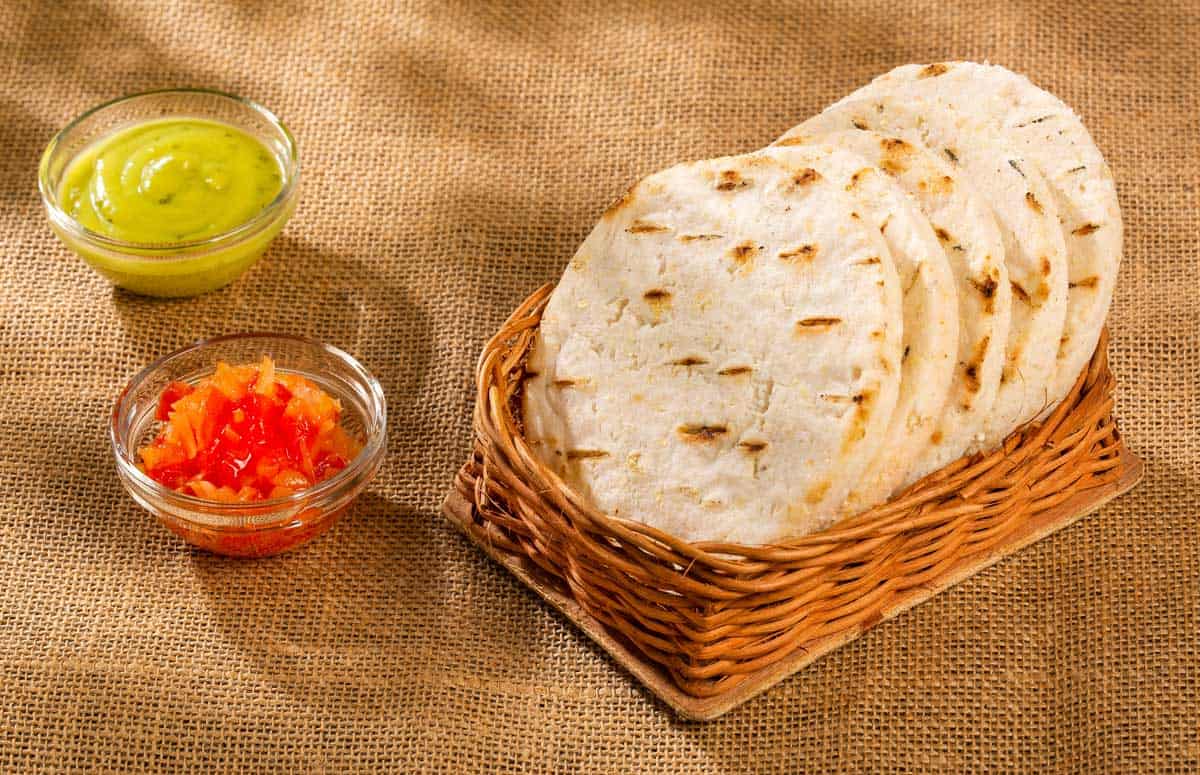
Arepas and patacones are the classic partners, but hogao goes on, and into, almost everything on a Colombian table.
- Arepas
- Patacones
- Eggs
- Beans
- Rice
- Yuca
- Potatoes
- Grilled meat
- Empanadas
- On arepas: spread warm hogao on a buttered Colombian arepa con queso or a sweet arepa de choclo. See more fillings in our arepas guide.
- On fried plantains and yuca: spooned over patacones or yuca fries, sometimes with crumbled fresh cheese.
- With eggs: stir it into scrambled eggs for huevos pericos-style eggs, or serve it beside calentado.
- In beans and rice: a few spoonfuls cooked into red beans is what makes frijoles antioqueños taste right, and it seasons arroz con pollo colombiano.
- In stews and soups: the base for sudados and braises like sobrebarriga, and spooned over the meat served with sancocho.
- With fried snacks: as a dip for Colombian empanadas and carimañolas.

No time to make arepas?
- La Mejor traditional white Colombian arepas, 20 count: ready-made arepas to toast in a skillet and top with a spoonful of hogao and some fresh cheese.
As an Amazon Associate, AmigoFoods earns from qualifying purchases.

Hogao (Colombian Tomato and Green Onion Sauce)
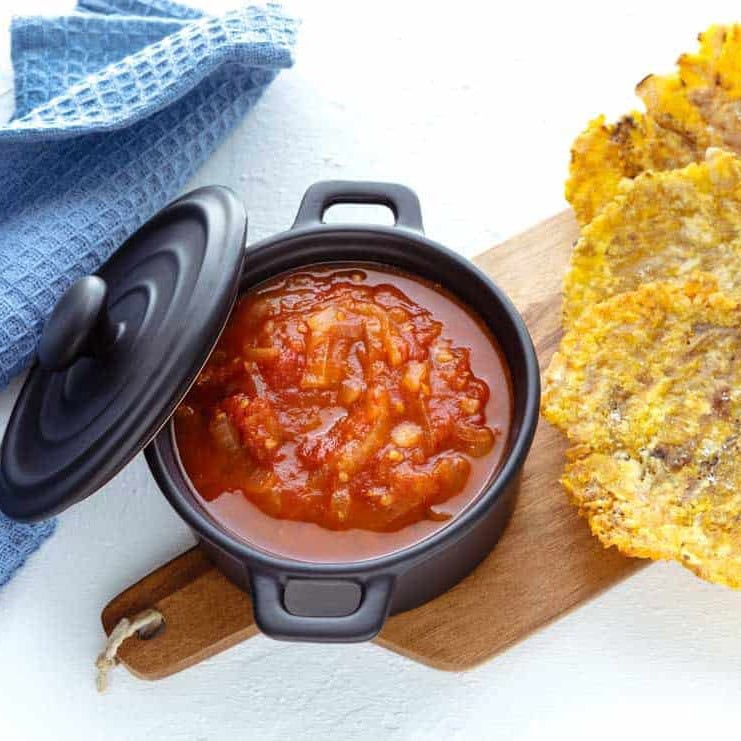
Authentic Colombian hogao: ripe tomatoes and green onions cooked slowly in oil into a soft, savory sauce for arepas, patacones, eggs, beans and rice.
Ingredients
- 3 tablespoons vegetable oil or mild olive oil
- 1½ cups finely sliced green onions or cebolla larga, white and green parts (about 1 large bunch)
- 1 to 2 garlic cloves, minced (optional)
- 1 pound ripe tomatoes (about 4 medium), finely chopped or grated, skins discarded
- ½ teaspoon fine salt, plus more to taste
- ¼ teaspoon ground cumin (optional)
- ⅛ teaspoon achiote (annatto) powder, for color (optional)
- Freshly ground black pepper, to taste
Instructions
- Warm the oil in a 10-inch skillet over medium-low heat. Add the green onions and a pinch of the salt and cook, stirring, for 3 to 4 minutes, until soft and fragrant but not browned.
- Stir in the garlic, if using, and cook for 30 seconds.
- Add the tomatoes, the remaining salt, and the cumin and achiote, if using. Cook uncovered at a gentle simmer for 15 to 20 minutes, stirring every few minutes and scraping the bottom, until the tomatoes collapse, the liquid cooks off and the sauce turns thick and jammy with a little oil glistening at the edges. If it catches before the tomatoes soften, add a splash of water.
- Season with black pepper and more salt to taste.
- Serve warm or at room temperature over arepas, patacones, eggs or grilled meat, or use it as a base for beans, rice and stews.
Notes
Smoother hogao: grate the halved tomatoes on the large holes of a box grater and discard the skins, or blend the finished sauce briefly.
Guiso costeño: use 1 cup finely chopped white or red onion plus ½ cup green onion, add the garlic, and cook 1 seeded, finely chopped ají dulce or ¼ red bell pepper with the onions.
Canned tomatoes: one 14.5-ounce can of diced tomatoes, drained, can replace part or all of the fresh tomatoes; cook a few minutes longer.
Storage: refrigerate within 2 hours in a covered container and use within 3 to 4 days, or freeze in small portions for up to 3 months.
How to Store Hogao
- Refrigerator: cool it and refrigerate within 2 hours in a covered container. Use within 3 to 4 days.
- Freezer: freeze in small portions, such as an ice cube tray, for up to 3 months. Two cubes are about right for a pot of beans or rice.
- Reheating: warm it in a small pan with a splash of water until steaming hot.
Hogao FAQ
What is hogao in English?
Hogao is usually translated as Colombian creole sauce or Colombian tomato and onion sauce. There is no exact English equivalent; the closest idea is a cooked tomato and green onion relish.
How do you pronounce hogao?
Oh-GOW. The h is silent, and the “ao” sounds like the “ow” in “cow.”
Is hogao the same as sofrito?
Hogao is a type of sofrito, but not the same as Puerto Rican or Spanish sofrito. It is built on tomato and green onion, it is cooked until soft, and Colombians eat it as a topping as well as a cooking base. Puerto Rican sofrito is a raw green purée with no tomato.
Is hogao the same as guiso?
Yes, in most kitchens. Guiso is the name used on the Caribbean coast and in many other regions; hogao is the Andean and paisa name. Coastal versions tend to use more round onion and add sweet peppers.
Is hogao spicy?
No. Traditional hogao has no chile. If you want heat, add a finely chopped hot pepper while it cooks, or serve it with ají picante on the side.
What can I use instead of cebolla larga?
Green onions (scallions) are the best substitute; use a generous bunch, white and green parts. Thin leeks also work. Yellow onion gives a sharper, sweeter sauce that tastes less like Colombian hogao.
Can I make hogao with canned tomatoes?
Yes. Use a 14.5-ounce can of diced tomatoes, drained, ideally with a couple of fresh tomatoes, and cook a few minutes longer.
Should hogao be chunky or smooth?
Either. Home hogao is usually soft and slightly chunky. For a smooth sauce, grate the tomatoes before cooking or blend the hogao briefly once it is done.
More Colombian Recipes to Make With Hogao
- PataconesTwice-fried green plantains, made for hogao
- Colombian Arepas con QuesoThe everyday arepa to spread it on
- Huevos PericosColombian scrambled eggs with tomato and onion
- Bandeja PaisaThe paisa platter where hogao tops the beans
- Traditional Colombian Food50 dishes to cook next
- Latin Sauces and CondimentsMore sauces from across Latin America and Spain
Sources
- Wikipedia: Hogao
- Secrets of Colombian Cooking (2004): Hogao del Caribe o Guiso
- USDA Food Safety and Inspection Service: Leftovers and Food Safety
More Colombian Foods
See all →
Jorge Garcia is the founder of AmigoFoods, where he has spent over 20 years helping readers discover authentic Latin American and Spanish cuisine. Raised in a Cuban-American household, Jorge learned to cook at the hands of his mother and grandmother, carrying forward generations of family recipes. That heritage, backed by his family’s four-generation history in the Latin food industry, inspired him to launch AmigoFoods in 2003. With more than 1,000 published articles on recipes, ingredients, and food culture, Jorge’s mission is simple: make authentic Latin cooking approachable for home cooks everywhere while honoring the traditions behind every dish.