
Panamanian cooking sits where two oceans, two continents and many cultures meet. Its base is rice, root vegetables, corn and plantains, like the rest of Central America. Then come the Afro-Caribbean flavors of coconut and hot peppers, brought by West Indian workers who built the railroad and the canal.
The national dish, sancocho, shows the whole pantry in one pot: chicken, ñame, culantro and a lot of broth.
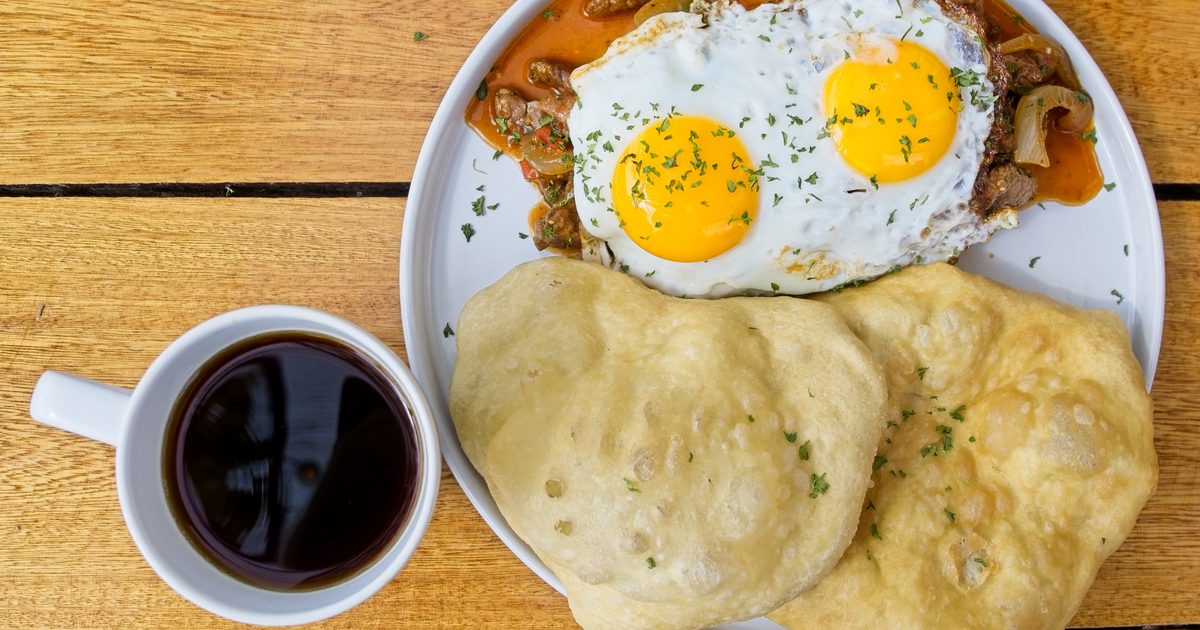
Here are the twelve ingredients behind a bowl of sancocho, a plate of arroz con guandú and a Panamanian breakfast of hojaldras and coffee, and what each one is doing.
Panamanian Ingredients at a Glance
| Ingredient | What it is | Where it shows up |
|---|---|---|
| Arroz | White rice | With lunch and dinner, arroz con pollo |
| Guandú | Pigeon peas | Arroz con guandú y coco |
| Ñame & otoe | White yam and malanga | Sancocho, soups |
| Culantro | Long-leaf herb | Sancocho, rice, beans |
| Yuca | Cassava root | Carimañolas, soups |
| Plátano | Green and ripe plantain | Patacones, plátano en tentación |
| Maíz | Corn | Tortillas, bollos, chicheme |
| Coco | Coconut and coconut milk | Caribbean rice, rondón, cocadas |
| Corvina & mariscos | Sea bass and seafood | Ceviche, fried fish |
| Ají chombo | Very hot Caribbean pepper | Yellow hot sauce, ceviche |
| Café | Highland coffee, including Geisha | Every morning |
| Seco Herrerano | Sugarcane spirit | Seco con leche, cocktails |
Rice and Beans
1. Arroz
In Panama, a meal without rice hardly counts. White rice is served with lunch and dinner, next to stewed chicken, beef, beans or lentils.
Rice is also cooked in the pot with everything else: with chicken in arroz con pollo, with coconut milk on the Caribbean coast and with pigeon peas at Christmas, below.
2. Guandú

Guandú is the pigeon pea, a small, nutty bean that grows on a shrub. Cooked with rice, coconut milk and culantro, it becomes arroz con guandú y coco.
It’s the rice of the Panamanian Christmas table, served with tamales, roast chicken or pork. Fresh guandú is in season in December.
Roots, Herbs and Plantains
3. Ñame and Otoe
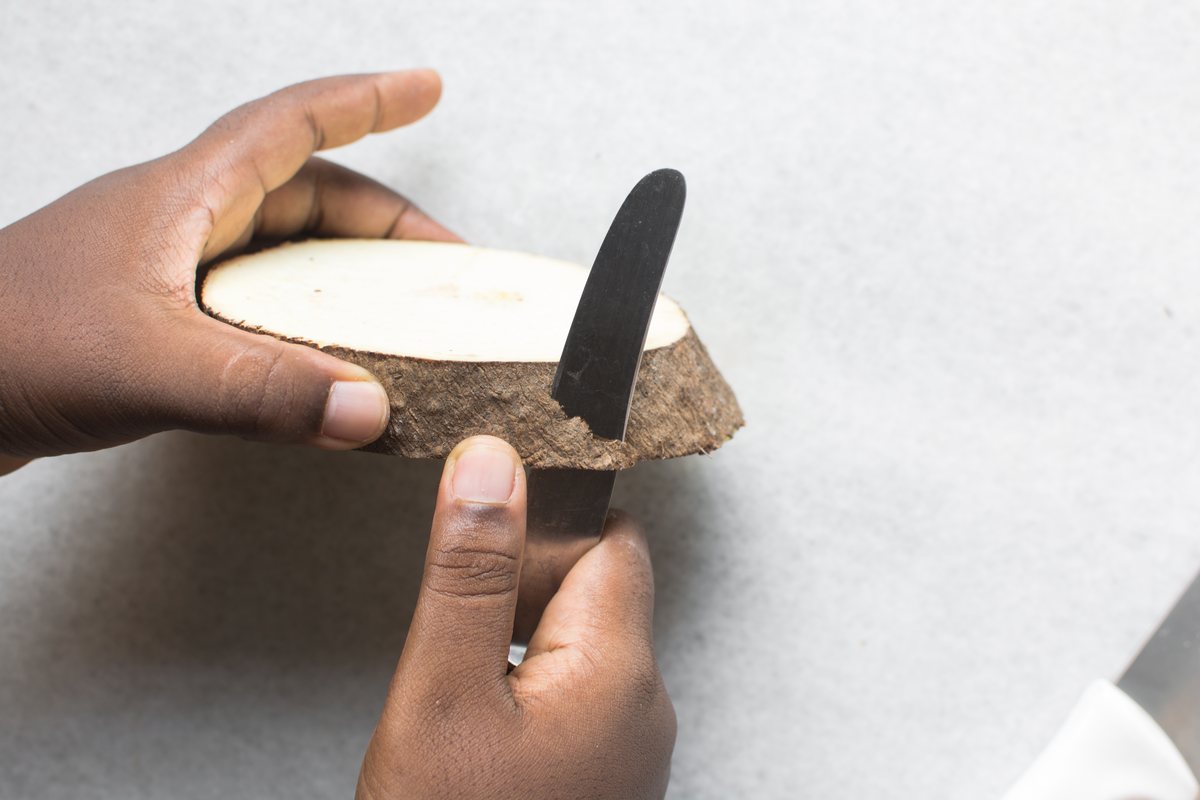
Ñame, a starchy white yam, is what makes Panamanian sancocho. It breaks down as it simmers and thickens the broth. Some cooks call it the one ingredient sancocho can’t be made without.
Otoe is Panama’s name for malanga, a nutty, slightly slippery root. It goes into soups and is boiled and mashed. For more, see our guides to malanga and Latin American roots and tubers.
4. Culantro

Culantro is a long, saw-edged herb with a stronger flavor than cilantro. It’s the essential herb in sancocho, and it seasons rice, beans and stews.
It’s sold in bunches at every market in Panama. Outside Latin America, look for it at Latin and Asian groceries, where it’s also called recao or ngò gai.
5. Yuca
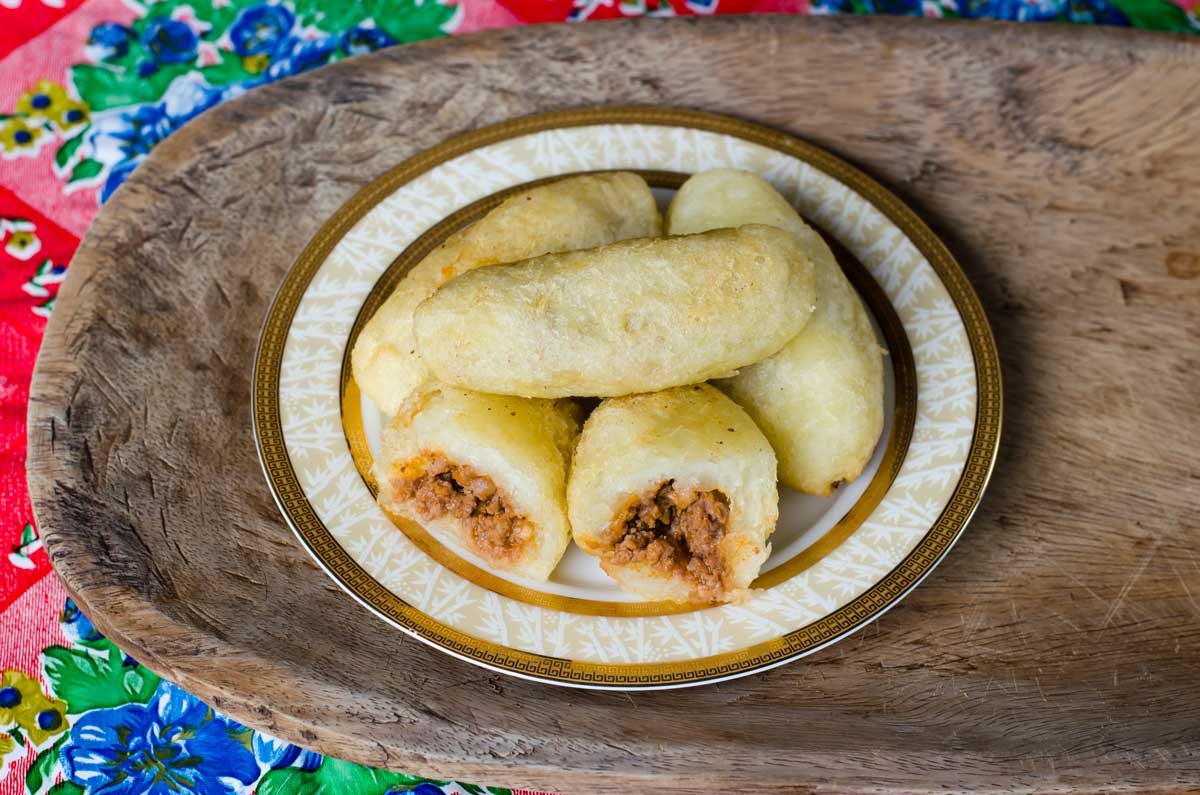
Cassava is boiled, mashed and wrapped around seasoned ground beef, then fried into carimañolas, the torpedo-shaped fritters sold at breakfast.
It also goes into soups and is served boiled or fried with meat.
6. Plátano
Green plantains are pressed flat and fried twice into patacones, the most common side dish in the country. Ripe plantains are fried as tajadas or baked.
They’re also cooked slowly in sugar syrup with cinnamon until dark and glossy. That dish is called plátano en tentación, “plantain in temptation.” See our guide to Panamanian desserts.
Corn and Coconut
7. Maíz

Panamanian tortillas are thick, small corn cakes, fried or grilled and eaten at breakfast with eggs, cheese and steak. Corn is also wrapped in husks for bollos, dense corn tamales.
In the countryside, corn becomes chicheme, a thick, sweet drink of cooked corn, milk, cinnamon and vanilla.
8. Coco
On the Caribbean coast, in Colón and Bocas del Toro, coconut milk flavors almost everything. Rice is cooked in it, and fish and seafood are stewed in it.
Rondón, a stew of fish, cassava, plantain and breadfruit in coconut milk, came with West Indian families. Coconut is also the base of cocadas and other sweets.
Seafood and Heat
9. Corvina and Mariscos
Panama means “abundance of fish,” according to the most common explanation of the name. Corvina, a white sea bass, is the fish for ceviche, cut into cubes and cured in lime juice with onion, celery, culantro and ají chombo.
In Panama City, cups of ceviche are sold at the Mercado de Mariscos, the fish market on the bay, together with fried whole fish and shrimp.
10. Ají Chombo
Ají chombo is a small, very hot pepper, the same family as the Scotch bonnet. It arrived with West Indian workers who came to build the railroad and the canal.
It’s blended with vinegar and mustard into Panama’s yellow hot sauce, which is shaken over rice, beans, soups and fried fish.
Coffee and Seco
11. Café
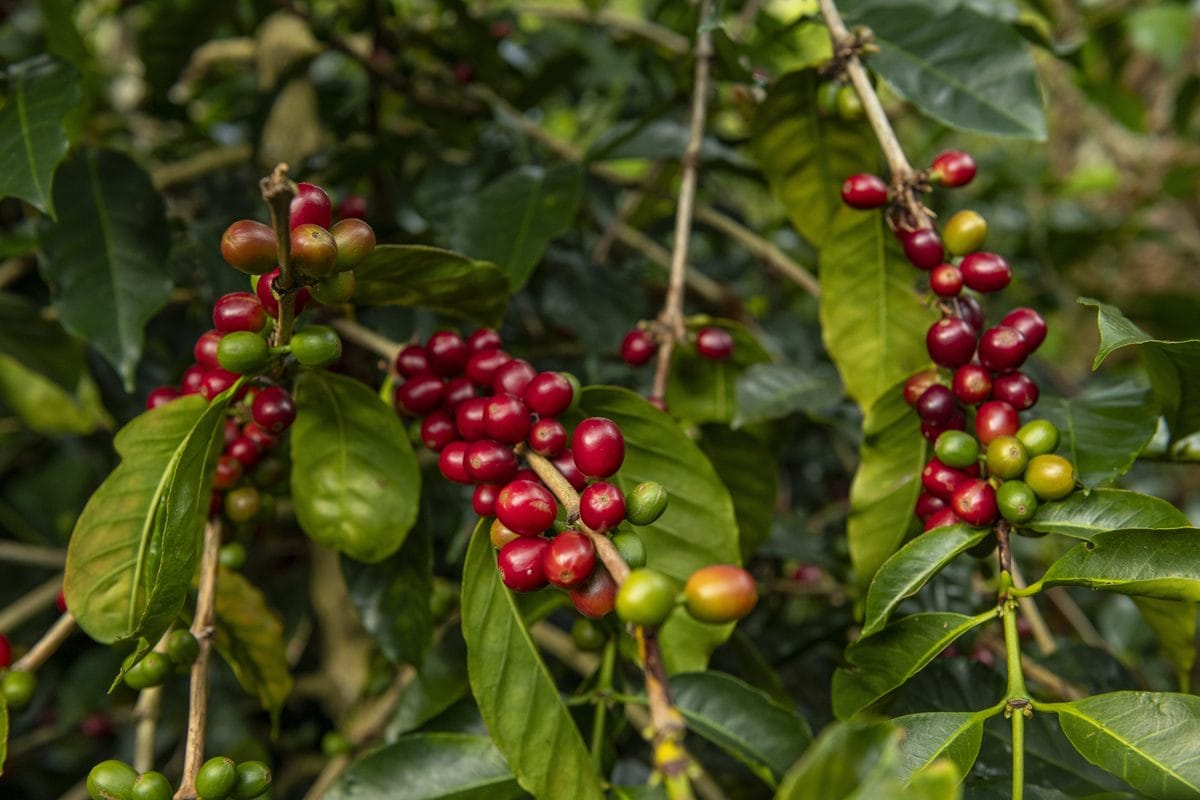
Panama grows some of the most expensive coffee in the world. Geisha, a variety from Ethiopia, was planted on the slopes of Volcán Barú in Boquete. In 2004, Hacienda La Esmeralda entered it in a national competition, and its floral, tea-like flavor made it famous.
At home, most Panamanians drink ordinary coffee, strong and sweet, with milk. See our guide to Latin American coffees.
12. Seco Herrerano
Seco Herrerano is a clear sugarcane spirit made in Pesé, in the Herrera province. It’s Panama’s national spirit.
It’s mixed with milk and ice as seco con leche, shaken into cocktails and poured at every festival.
Where to Buy Panamanian Ingredients
Most of this list is easy to find. Latin groceries carry rice, pigeon peas, yams, malanga, cassava, plantains, culantro and coconut milk.
Online, look for canned pigeon peas, Panama Geisha coffee, Panamanian ají chombo hot sauce and culantro seeds to grow your own.
Fresh ají chombo is the hardest to find. Scotch bonnet or habanero peppers are the best substitute.
Frequently Asked Questions
What is the most important ingredient in Panamanian food?
Rice. It’s served with almost every lunch and dinner.
What makes Panamanian sancocho different?
It’s made with chicken, ñame and plenty of culantro. The ñame thickens the broth as it cooks.
Is Panamanian food spicy?
Not usually. The heat comes from ají chombo hot sauce served on the side.
What is ají chombo?
A small, very hot pepper related to the Scotch bonnet, used in Panamanian hot sauce and ceviche.
What is Panama Geisha coffee?
A coffee variety grown in Boquete that’s famous for its floral flavor and record auction prices.
What Else Is Always There
A few more things live in a Panamanian kitchen. There’s onion, garlic, sweet peppers, tomato, lime, eggs, white cheese, and flour for fried hojaldras.
Once your pantry is stocked, cook your way through our guide to traditional Panamanian food, see what’s served on Panamanian holidays or browse everything we’ve written about Panamanian food. To compare pantries, see our guides to Costa Rican ingredients and Colombian ingredients, or explore ingredients by country.
More Ingredients
See all →
Jorge Garcia is the founder of AmigoFoods, where he has spent over 20 years helping readers discover authentic Latin American and Spanish cuisine. Raised in a Cuban-American household, Jorge learned to cook at the hands of his mother and grandmother, carrying forward generations of family recipes. That heritage, backed by his family’s four-generation history in the Latin food industry, inspired him to launch AmigoFoods in 2003. With more than 1,000 published articles on recipes, ingredients, and food culture, Jorge’s mission is simple: make authentic Latin cooking approachable for home cooks everywhere while honoring the traditions behind every dish.