
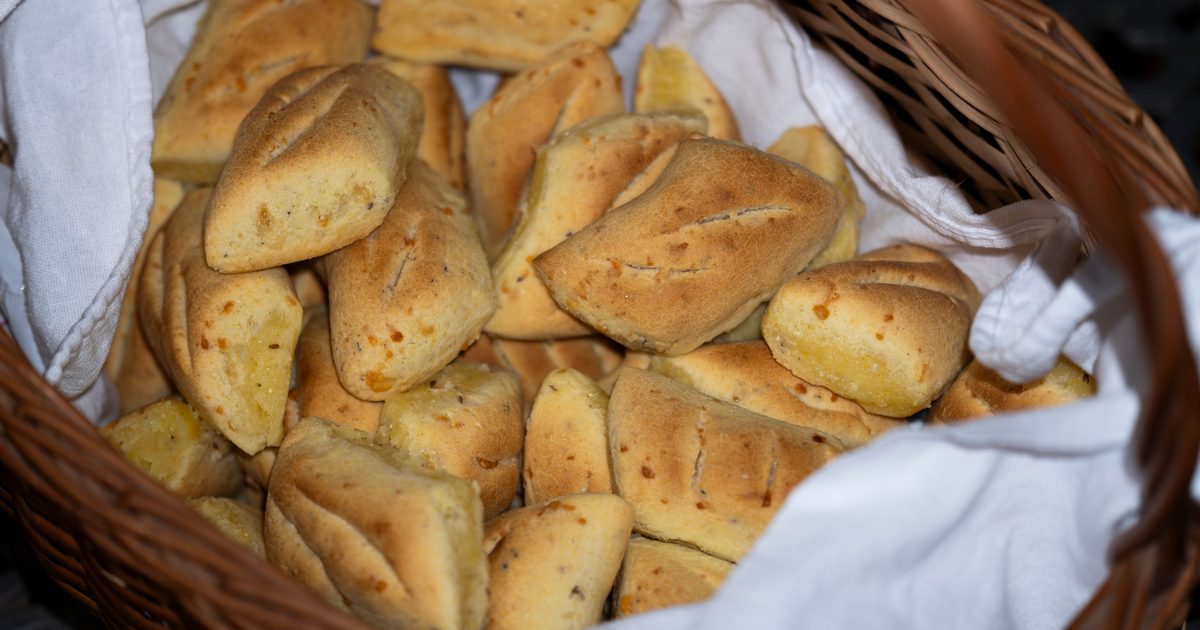
Paraguayan cooking is built from a short list of ingredients. Cassava, corn and fresh cheese do most of the work, and they turn up in different forms at breakfast, lunch and dinner. Many of the dish names are in Guaraní, the Indigenous language most Paraguayans speak alongside Spanish.
Then there’s yerba mate, which Paraguayans drink hot, cold and cooked with sugar, almost from the moment they wake up.
Here are the thirteen ingredients behind a chipa, a square of sopa paraguaya and a guampa of tereré, and what each one is doing.
Paraguayan Ingredients at a Glance
| Ingredient | What it is | Where it shows up |
|---|---|---|
| Mandioca | Cassava root, boiled | Next to almost every meal |
| Almidón de mandioca | Cassava starch | Chipa, mbejú |
| Maíz | Cornmeal and fresh corn | Sopa paraguaya, chipa guasu, vori vori |
| Queso Paraguay | Fresh, mild cow’s-milk cheese | Chipa, sopa, mbejú, dessert |
| Locote & cebolla | Bell pepper and onion | The base of sopa, soups and stews |
| Andaí | Winter squash | Kiveve, soups |
| Carne vacuna | Beef | Asado, so’o yosopy, milanesa |
| Surubí & pacú | River fish | Pira caldo, grilled fish |
| Yerba mate | Dried, ground holly leaves | Tereré, mate, cocido |
| Pohã ñana | Fresh medicinal herbs | Crushed into tereré water |
| Miel de caña | Dark sugarcane syrup | Queso con miel, kosereva |
| Apepú | Bitter orange | Kosereva |
| Maní | Peanuts | Ka’i ladrillo |
Cassava and Corn
1. Mandioca
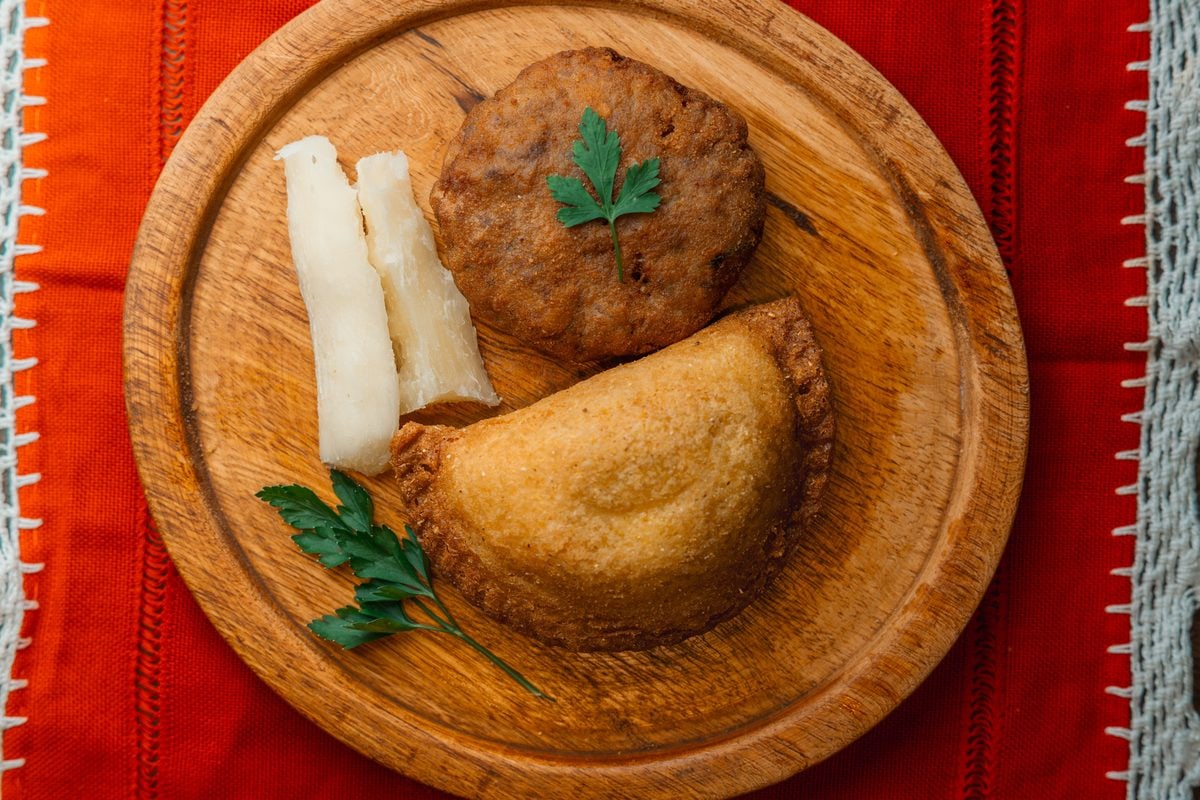
Mandioca, or cassava, is the bread of Paraguay. In Guaraní it’s mandi’o, and a plate of it, simply boiled and salted, sits next to almost every lunch and dinner.
It also goes into the food itself. Mashed mandioca is mixed with ground beef into pajagua mascada, fried patties, and folded into pastel mandi’o, cassava-dough empanadas. For more on the root, see our guide to yuca and cassava.
2. Almidón de Mandioca

Cassava starch, almidón, is what gives Paraguayan breads their chew. Mixed with queso Paraguay, egg, fat and a little anise, it becomes chipa, the ring-shaped cheese bread sold on every bus and street corner. During Holy Week, families bake chipa by the basketful.
Almidón is also the base of mbejú, a thick, crisp-edged starch-and-cheese pancake cooked in a skillet. Tapioca starch or tapioca flour from the Latin or Asian aisle is the same product.
3. Maíz

Corn is the other half of the Paraguayan table. Cornmeal, onion, queso Paraguay, eggs and milk bake into sopa paraguaya, the “soup” you cut with a knife. Made with fresh corn instead, it becomes chipa guasu.
Cornmeal also forms the little cheese dumplings in vori vori, a chicken soup, and the porridge called mbaipy.
4. Queso Paraguay
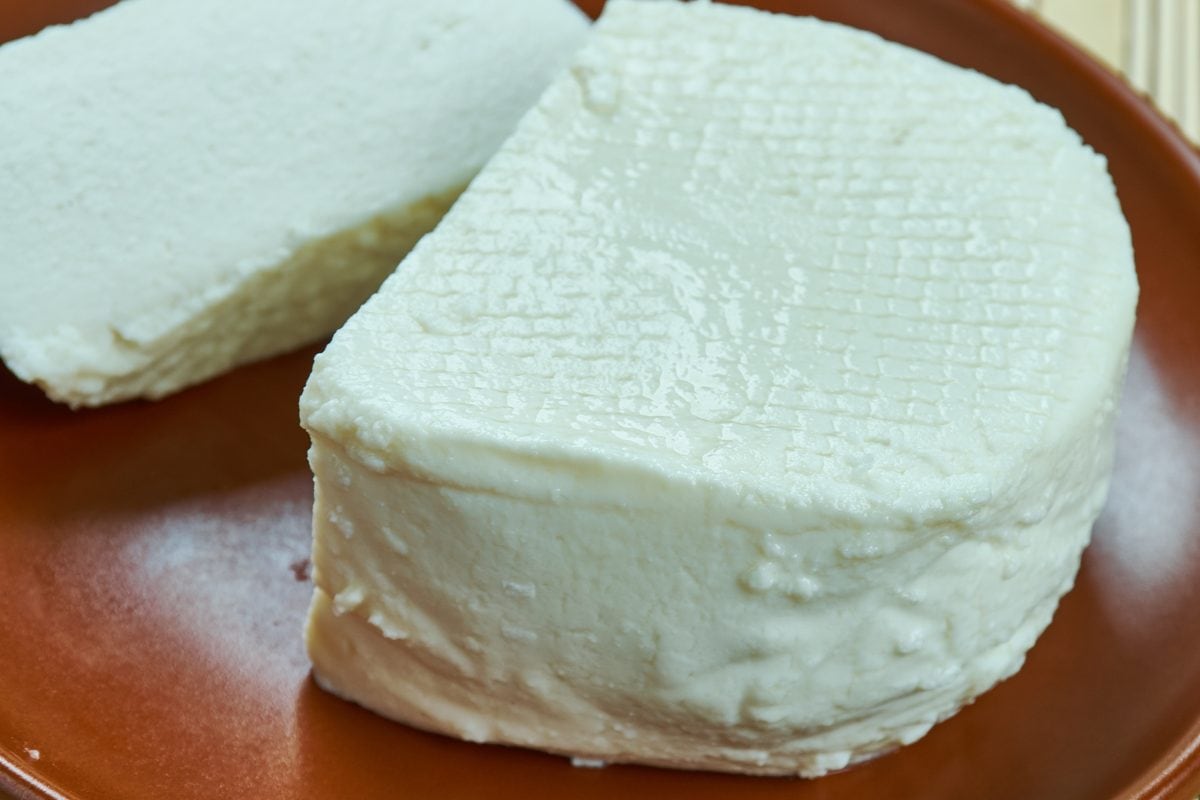
Queso Paraguay is a fresh cow’s-milk cheese, soft, white and only lightly salty. It melts into chipa, sopa paraguaya, mbejú and kiveve, and it’s eaten on its own for dessert with a drizzle of cane syrup.
Outside Paraguay, mix a fresh cheese like queso fresco or farmer’s cheese with a melting cheese such as mozzarella or Muenster to get close.
Vegetables, Meat and Fish
5. Locote and Cebolla
In Paraguay, locote means bell pepper, and it’s cooked with plenty of onion as the starting point for most savory dishes. Onion fried in fat until soft is the first step of sopa paraguaya, and onion and locote go into soups, stews and pira caldo.
Paraguayan cooking is rarely spicy. The flavor comes from those sweet aromatics, cheese and fat, not from chile.
6. Andaí

Andaí is a winter squash, similar to butternut or calabaza. It’s the base of kiveve, a thick, orange, sweet-and-savory pudding made with squash, cheese, cornmeal, milk and sugar.
Kiveve is served as a side dish or as dessert, and it’s one of many Paraguayan desserts built on a few simple ingredients.
7. Carne Vacuna
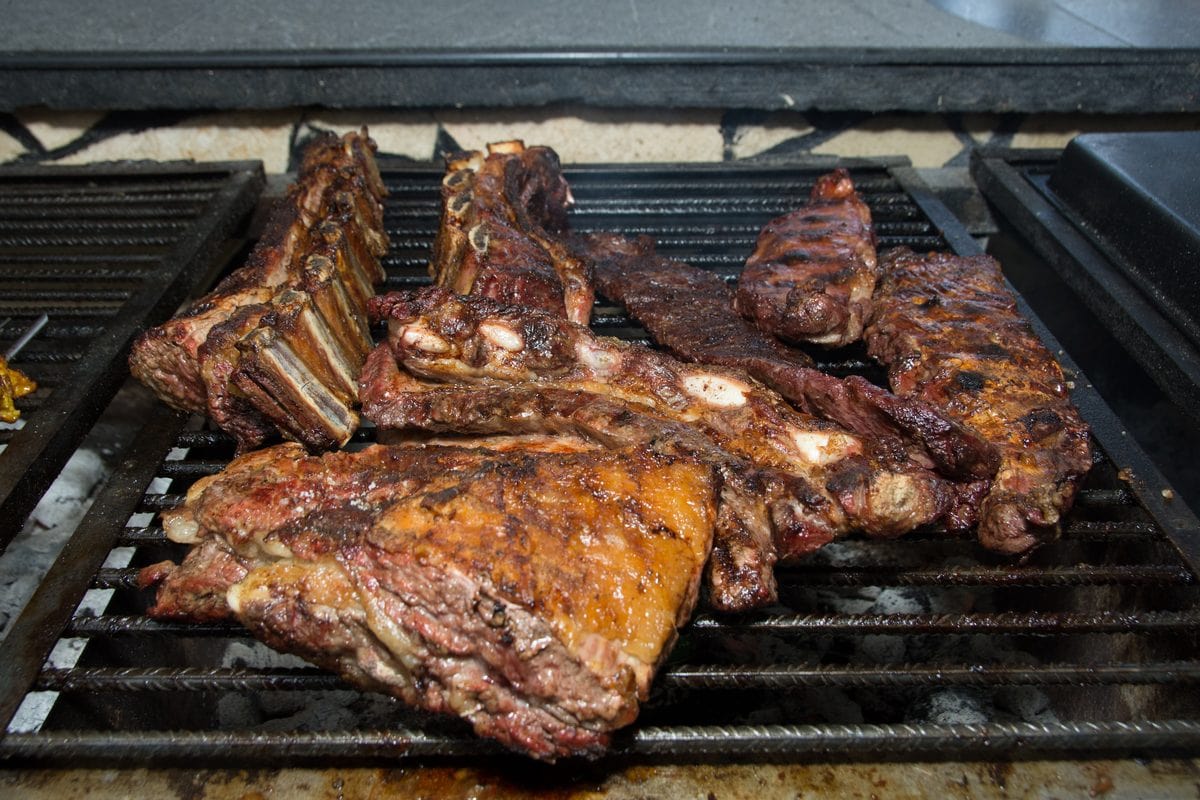
Paraguay is cattle country, and so’o (Guaraní for meat) almost always means beef. On weekends, it goes on the grill for an asado, served with boiled mandioca and sopa paraguaya instead of bread. See our guide to throwing an asado party.
During the week, beef shows up in so’o yosopy, a hearty soup of ground beef and rice, in so’o apu’a meatballs, in milanesas and in bife koygua, thin steaks simmered under onions, tomatoes and eggs.
8. Surubí and Pacú

Paraguay has no coast, so its fish come from the Paraná and Paraguay rivers. Surubí is a big, meaty catfish, often served as a breaded milanesa. Pacú is a round, rich fish that’s usually grilled.
River fish are also the base of pira caldo, a soup of fish, onion, locote, tomato and cheese. Catfish is the easiest stand-in outside Paraguay.
Yerba and Herbs
9. Yerba Mate
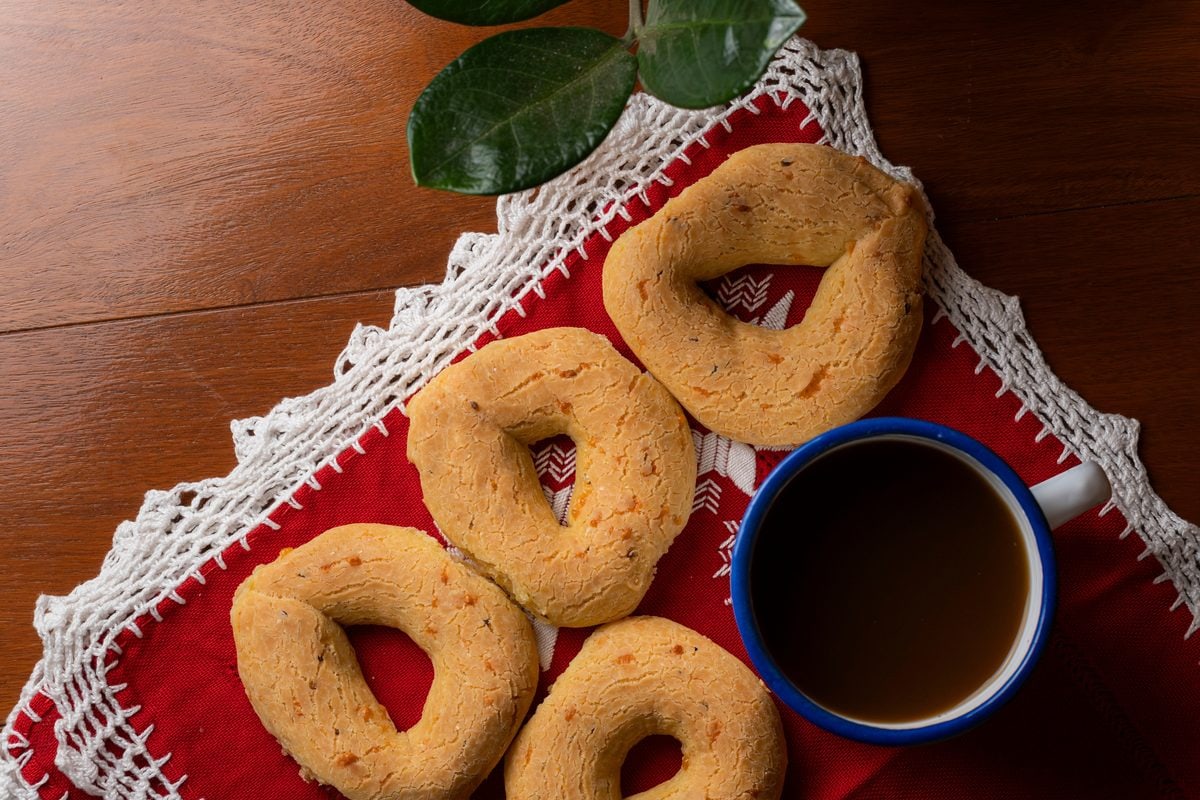
Yerba mate is dried, ground leaves of a South American holly, Ilex paraguariensis. The name gives away where it’s from.
Paraguayans drink it three ways. Mate is steeped in hot water. Tereré is steeped in ice water, all day long in the heat. And cocido is yerba cooked with burnt sugar, then strained and often served with milk, next to a chipa for breakfast. Our guide to the yerba mate ritual explains the gourd and straw.
10. Pohã Ñana
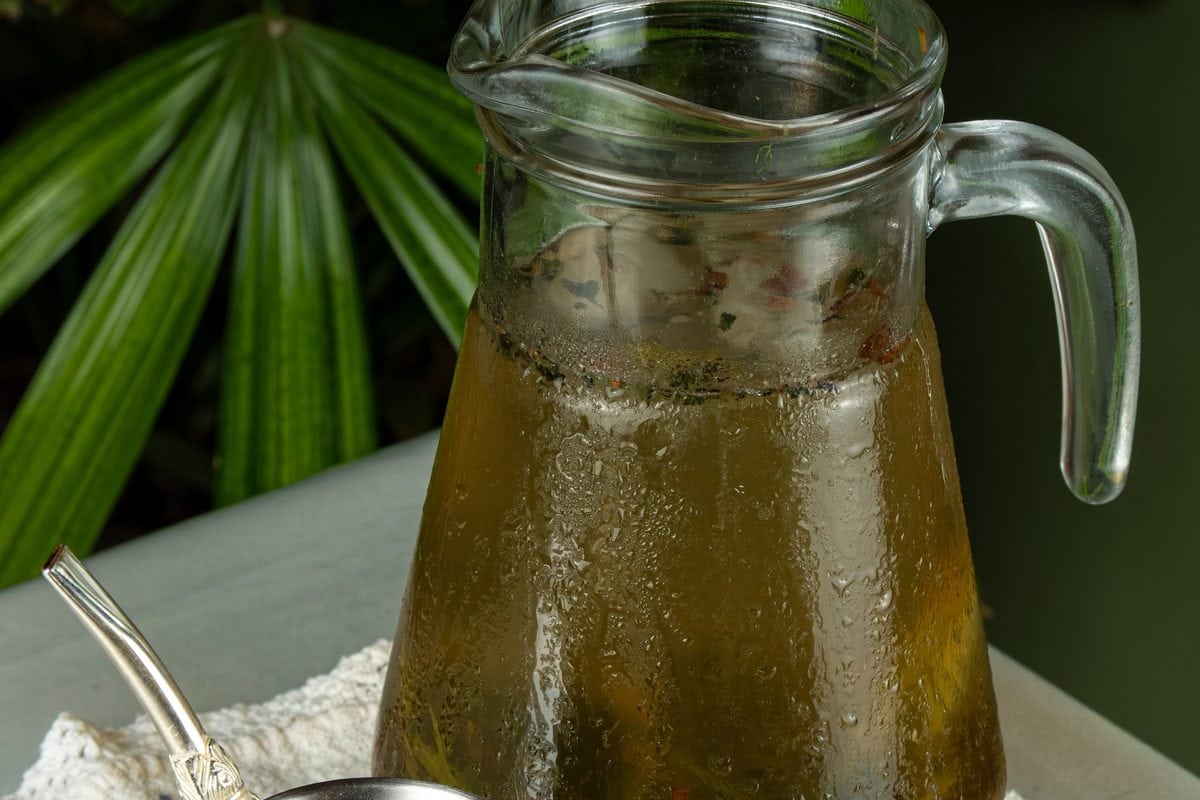
Pohã ñana means “remedy herbs” in Guaraní. They’re the medicinal herbs Paraguayans crush in a wooden mortar and add to the ice water for tereré: mint, lemongrass, cedrón (lemon verbena), burrito and many more, each chosen for a different ailment.
Herb sellers, called yuyeras, sell fresh bundles in every market and on street corners. In 2020, UNESCO added the tradition of tereré with pohã ñana to its list of Intangible Cultural Heritage.
Sweet Things
11. Miel de Caña

Miel de caña is dark sugarcane syrup, boiled down until thick and almost black. It tastes like molasses with a little bitterness.
The simplest Paraguayan dessert is a slice of queso Paraguay with a pour of miel de caña. The syrup is also the base of kosereva and ka’i ladrillo, below. Blackstrap molasses or Brazilian melado is the best substitute.
12. Apepú
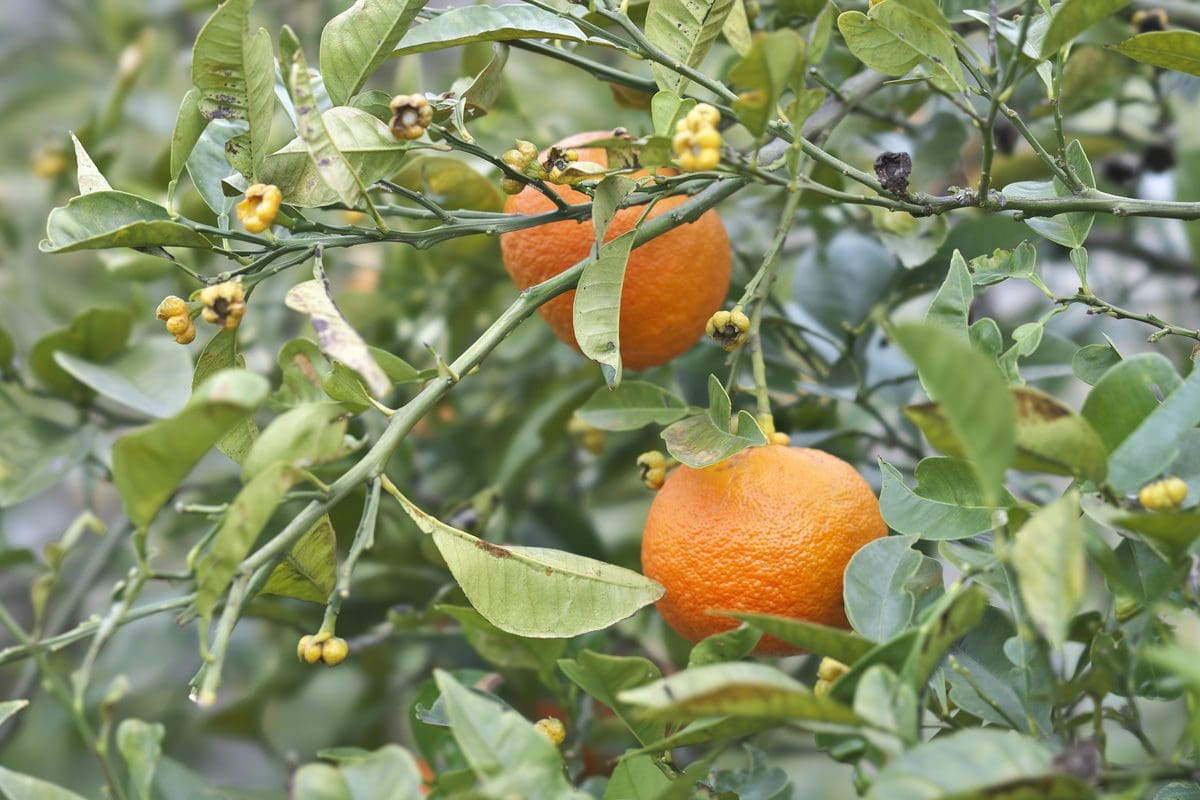
Apepú is the bitter orange, too sour to eat raw. Paraguayans use the peel.
It’s the star of kosereva, one of the country’s oldest sweets: strips of bitter orange peel, soaked to tame the bitterness, then cooked slowly in miel de caña until dark and glossy. It’s eaten with a slice of queso Paraguay.
13. Maní

Peanuts become Paraguay’s favorite candy, ka’i ladrillo. The name means “monkey brick” in a mix of Guaraní and Spanish: toasted peanuts are stirred into hot cane syrup, then pressed into blocks and cut into bars.
It’s sold wrapped in paper at markets and bus stops, and it’s the kind of sweet every Paraguayan grandmother knows how to make.
Where to Buy Paraguayan Ingredients
Most of this list is easy to find outside Paraguay. Latin groceries carry fresh and frozen cassava, tapioca starch, cornmeal, fresh cheeses, butternut squash and yerba mate. Asian groceries often have the best price on tapioca starch.
Online, look for tapioca starch, Paraguayan yerba mate, dark cane molasses and a tereré guampa and bombilla.
Queso Paraguay and fresh pohã ñana are the hardest to find. Use the cheese blend above, and fresh mint and lemongrass in your tereré.
Frequently Asked Questions
What is the most important ingredient in Paraguayan cooking?
Mandioca. Boiled cassava is served with almost every meal, and its starch is the base of chipa and mbejú.
Is Paraguayan food spicy?
No. The flavor comes from onion, bell pepper, cheese and fat. Hot chile is rare.
What cheese is used in chipa?
Queso Paraguay, a fresh, mild cow’s-milk cheese. Outside Paraguay, a mix of queso fresco and mozzarella or Muenster works well.
What is pohã ñana?
The fresh medicinal herbs Paraguayans crush and add to the ice water for tereré, such as mint, lemongrass and lemon verbena.
What is cocido?
Yerba mate cooked with burnt sugar, then strained and usually served with milk. It’s Paraguay’s classic breakfast drink, with chipa on the side.
What Else Is Always There
A few more things live in a Paraguayan kitchen. There’s rice and noodles for soups, eggs for chipa and sopa, lard or beef fat for flavor, and anise seed for chipa. There’s also always a thermos of ice water for tereré.
Once your pantry is stocked, cook your way through our guide to traditional Paraguayan food, see what’s served on Paraguayan holidays or browse everything we’ve written about Paraguayan food. To compare pantries, see our guides to Argentine ingredients and Bolivian ingredients, or explore ingredients by country.
More Ingredients
See all →
Jorge Garcia is the founder of AmigoFoods, where he has spent over 20 years helping readers discover authentic Latin American and Spanish cuisine. Raised in a Cuban-American household, Jorge learned to cook at the hands of his mother and grandmother, carrying forward generations of family recipes. That heritage, backed by his family’s four-generation history in the Latin food industry, inspired him to launch AmigoFoods in 2003. With more than 1,000 published articles on recipes, ingredients, and food culture, Jorge’s mission is simple: make authentic Latin cooking approachable for home cooks everywhere while honoring the traditions behind every dish.