

Posta negra is Cartagena’s sweet-savory beef roast, seared in caramelized panela and slowly braised with vegetables, cola and warm spices. An overnight marinade and a gentle simmer create tender slices in a dark, glossy sauce made for coconut rice and plantains.
Posta Negra at a Glance
What Is Posta Negra?
Posta is the name of the cut, a lean, boot-shaped piece from the inside of the hind leg. Negra means black, for the sauce. Together they name the signature beef dish of Cartagena de Indias, the one served at family lunches and on restaurant menus across the Caribbean coast.

There is no single recipe. Some families marinate the beef in red wine, others in Worcestershire sauce, which Colombians call salsa negra. Many modern cooks add Coca-Cola to the braise, a shortcut that deepens both the sweetness and the color. What every version shares is panela caramelized in the pot first.
The Secret Is the Panela
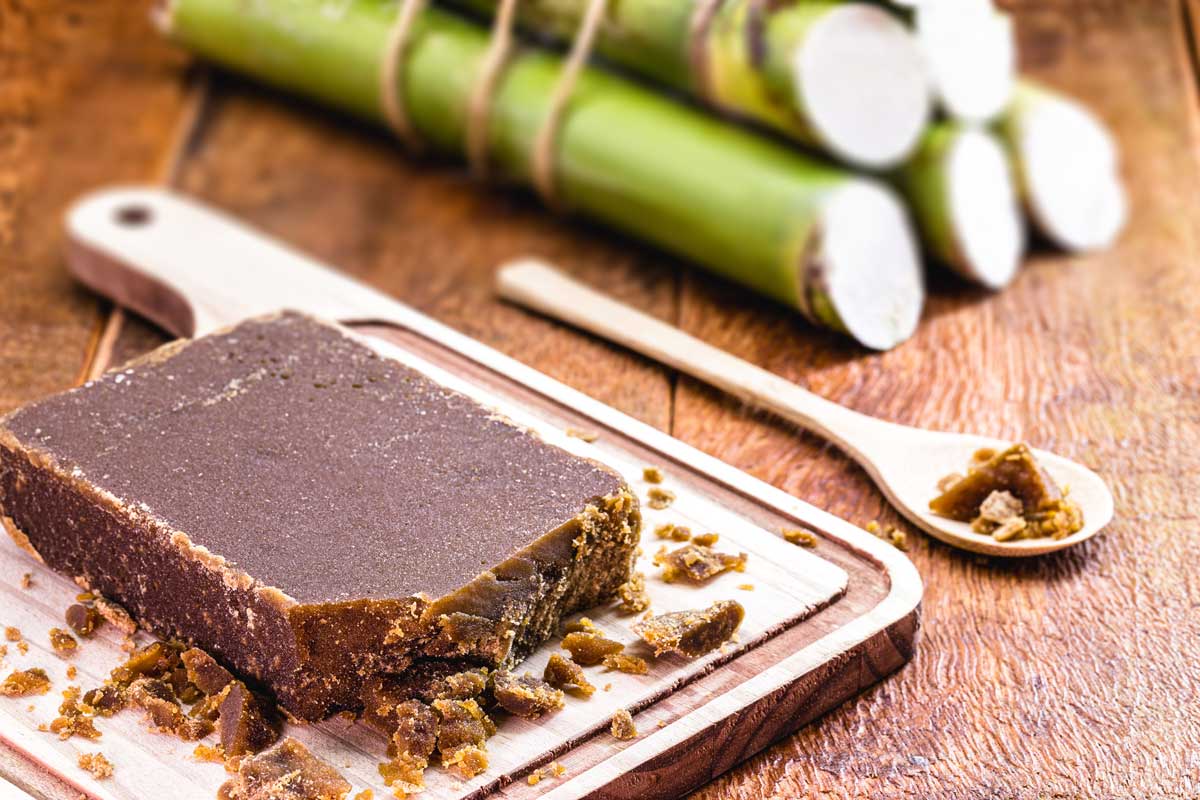
Panela is sugarcane juice boiled down into solid blocks, and it tastes of molasses more than white sugar. Melted in hot oil until it darkens, it turns into a caramel that clings to the beef as it sears and then dissolves into the braising liquid.
- Take it dark, not burnt. You want the color of strong coffee. If it starts to smoke, it will taste bitter.
- No panela? Use packed dark brown sugar. The flavor is close; the color is a little lighter.
- Stand back when the meat goes in. Hot caramel spits. Pat the beef dry first.
Ingredients for Posta Negra
For the marinade
- 3 lb (1.4 kg) beef bottom round or rump roast, in one piece
- 6 garlic cloves, 3 thinly sliced and 3 minced
- 1 teaspoon ground cumin
- 1½ teaspoons salt
- ½ teaspoon black pepper
- ½ cup dry red wine
- 2 tablespoons Worcestershire sauce
For the braise
- 2 tablespoons neutral oil
- ¾ cup grated panela, or packed dark brown sugar
- 1 large white onion, chopped
- 1 red bell pepper, chopped
- 1 carrot, chopped
- 2 ripe tomatoes, chopped
- 1½ cups Coca-Cola (not diet)
- 1 cup water or beef stock
- 1 cinnamon stick
- 4 whole cloves
- 2 bay leaves
Look for panela in Latin grocery stores, or buy panela online. A heavy enameled Dutch oven holds the heat the caramel needs and keeps it from scorching.
How to Make Posta Negra
- Marinate overnight. Cut small slits all over the beef with a paring knife and push a slice of garlic into each. Rub the meat with the minced garlic, cumin, salt and pepper. Put it in a bowl or bag with the wine and Worcestershire and refrigerate overnight, or at least 4 hours, turning once.
- Caramelize the panela. Lift the beef out of the marinade, keep the liquid, and pat the meat dry. Heat the oil in a heavy Dutch oven over medium heat. Add the panela and stir for 3 to 4 minutes, until it melts and turns dark amber.
- Sear the beef. Carefully add the beef and turn it every minute or two for 8 to 10 minutes, until it is coated in caramel and browned on every side.
- Add the vegetables. Scatter the onion, red pepper, carrot and tomatoes around the meat and cook for 5 minutes, stirring the vegetables.
- Braise. Pour in the reserved marinade, the cola and the water, then add the cinnamon, cloves and bay leaves. Bring to a simmer, cover, and cook on low for 2½ to 3 hours, turning the beef every 30 minutes and adding water or stock if the pan dries, until a fork slides in easily. (For a pressure cooker, follow its minimum-liquid and fill-limit instructions; start checking after about 1 hour at high pressure and a 15-minute natural release. If the whole roast is still firm, pressure-cook longer in 10–15-minute intervals.)
- Make the sauce. Move the beef to a board and let it rest for 15 minutes. Remove the cinnamon, cloves and bay leaves, blend the vegetables and liquid until smooth with an immersion blender off the heat, and boil the sauce uncovered for 15 to 20 minutes, until it is glossy and coats a spoon.
- Slice and serve. Cut the beef across the grain into ½-inch slices, return them to the sauce for 10 minutes, and serve with plenty of sauce spooned over.
Tips for the Best Posta Negra
- Do not skip the overnight marinade. Lean cuts like bottom round need the time to take on flavor all the way through.
- Keep the braise at a bare simmer. A hard boil tightens lean beef. You want a few lazy bubbles.
- Taste the sauce before reducing. It should be sweet and savory in balance. Add a splash of Worcestershire or salt if it tastes too sweet.
- Slice against the grain. It makes the difference between tender slices and stringy ones.
- It is better the next day. Cool sliced beef and sauce promptly in shallow containers and refrigerate within 2 hours. Keep 3–4 days and reheat gently to 165°F. The flavor deepens overnight.
What to Serve With Posta Negra

In Cartagena, posta negra comes with the classic coastal sides:
- Arroz con coco, the toasted coconut rice that soaks up the sauce
- Plátanos en tentación, ripe plantains cooked in syrup, or simple fried tajadas
- Sliced avocado and a tomato and onion salad
- A cold limonada de coco or aguapanela with lime

For more ways to cook plantain, see our guide to plantain dishes across Latin America.
Posta Negra vs. Venezuelan Asado Negro

Venezuela makes a near twin called asado negro. Both sear a lean beef roast in caramelized cane sugar and braise it into a dark sauce. The Venezuelan version uses papelón, their name for panela, is usually made with eye of round, and is often braised with red wine. Posta negra leans more on cola and Worcestershire and is served with coconut rice instead of the white rice and fried plantain of a Venezuelan table. See it on our list of Venezuelan independence day foods.
Posta Negra FAQs
What cut of beef is posta?
Posta is a lean cut from the inside of the hind leg. In the US, bottom round or rump roast are the closest matches. Eye of round also works, though it is leaner and benefits from slicing thinner.
Why is it called posta negra?
Negra means black. The name describes the sauce, which turns dark from caramelized panela, cola and the long braise.
Can I make posta negra without Coca-Cola?
Yes. Replace the cola with more water or beef stock and add 2 extra tablespoons of panela. The sauce will be slightly less sweet but just as dark.
Can I make it in a slow cooker?
Caramelize the panela and sear the beef on the stove first, then transfer everything to a slow cooker on low for 7 to 8 hours. Reduce the sauce in a pan at the end.
Is posta negra sweet?
It is sweet-savory, not dessert-sweet. The garlic, cumin, Worcestershire and salt balance the panela and cola.
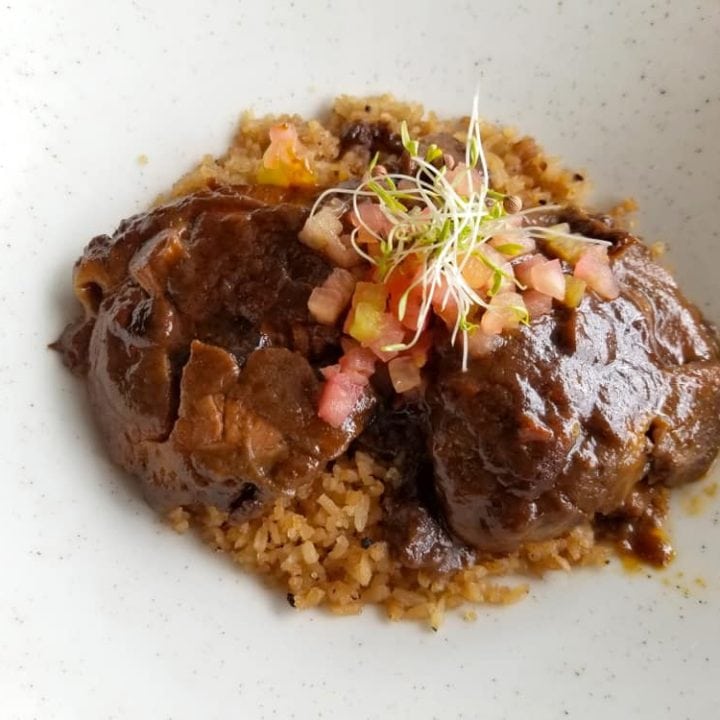
Posta Negra Cartagenera (Colombian Black Beef Roast)
Cartagena’s famous black beef roast: bottom round marinated overnight in garlic, cumin, red wine and Worcestershire, seared in caramelized panela, then braised low and slow with vegetables, cola and warm spices until fork-tender. The braising liquid is blended into a dark, glossy, sweet-savory sauce.
Ingredients
For the marinade
- 3 lb (1.4 kg) beef bottom round or rump roast, in one piece
- 6 garlic cloves, 3 thinly sliced and 3 minced
- 1 teaspoon ground cumin
- 1½ teaspoons salt
- ½ teaspoon black pepper
- ½ cup dry red wine
- 2 tablespoons Worcestershire sauce
For the braise
- 2 tablespoons neutral oil
- ¾ cup grated panela, or packed dark brown sugar
- 1 large white onion, chopped
- 1 red bell pepper, chopped
- 1 carrot, chopped
- 2 ripe tomatoes, chopped
- 1½ cups Coca-Cola (not diet)
- 1 cup water or beef stock
- 1 cinnamon stick
- 4 whole cloves
- 2 bay leaves
Instructions
- Marinate overnight. Cut small slits all over the beef with a paring knife and push a slice of garlic into each. Rub the meat with the minced garlic, cumin, salt and pepper. Put it in a bowl or bag with the wine and Worcestershire and refrigerate overnight, or at least 4 hours, turning once.
- Caramelize the panela. Lift the beef out of the marinade, keep the liquid, and pat the meat dry. Heat the oil in a heavy Dutch oven over medium heat. Add the panela and stir for 3 to 4 minutes, until it melts and turns dark amber.
- Sear the beef. Carefully add the beef and turn it every minute or two for 8 to 10 minutes, until it is coated in caramel and browned on every side.
- Add the vegetables. Scatter the onion, red pepper, carrot and tomatoes around the meat and cook for 5 minutes, stirring the vegetables.
- Braise. Pour in the reserved marinade, the cola and the water, then add the cinnamon, cloves and bay leaves. Bring to a simmer, cover, and cook on low for 2½ to 3 hours, turning the beef every 30 minutes and adding water or stock if the pan dries, until a fork slides in easily. (For a pressure cooker, follow its minimum-liquid and fill-limit instructions; start checking after about 1 hour at high pressure and a 15-minute natural release. If the whole roast is still firm, pressure-cook longer in 10–15-minute intervals.)
- Make the sauce. Move the beef to a board and let it rest for 15 minutes. Remove the cinnamon, cloves and bay leaves, blend the vegetables and liquid until smooth with an immersion blender off the heat, and boil the sauce uncovered for 15 to 20 minutes, until it is glossy and coats a spoon.
- Slice and serve. Cut the beef across the grain into ½-inch slices, return them to the sauce for 10 minutes, and serve with plenty of sauce spooned over.
Notes
No Coca-Cola? Use 1½ cups more beef stock plus 2 extra tablespoons of panela; the sauce will be a shade less glossy but still dark and sweet-savory.
Slow cooker: do steps 2 to 4 on the stove, then transfer everything to the slow cooker and cook on low for 8 hours. Finish the sauce on the stove as in step 6.
Make ahead: posta negra is better the next day. Cool the sliced beef and sauce promptly in shallow containers and refrigerate within 2 hours. Keep for 3–4 days; reheat gently on the stove to 165°F.
Serve with arroz con coco and fried sweet plantains, the way it is served in Cartagena.
More Colombian Main Dishes
Posta negra sits alongside bandeja paisa, sobrebarriga and carne mechada among Colombia’s great beef dishes. Browse them all on our Colombian main dish recipes page, see the 50 traditional Colombian dishes, or explore all Colombian food.
More Colombian Foods
See all →
Jorge Garcia is the founder of AmigoFoods, where he has spent over 20 years helping readers discover authentic Latin American and Spanish cuisine. Raised in a Cuban-American household, Jorge learned to cook at the hands of his mother and grandmother, carrying forward generations of family recipes. That heritage, backed by his family’s four-generation history in the Latin food industry, inspired him to launch AmigoFoods in 2003. With more than 1,000 published articles on recipes, ingredients, and food culture, Jorge’s mission is simple: make authentic Latin cooking approachable for home cooks everywhere while honoring the traditions behind every dish.