

Soups and stews hold a special place in Puerto Rican cuisine, as they are often the heart and soul of family gatherings and celebrations.
These popular Puerto Rican dishes are known for their bold flavors, comforting warmth and satisfying heartiness, making them a staple in many households.
Traditionally, Puerto Rican soups and stews are made using a combination of local ingredients and time-honored techniques, resulting in dishes that are both delicious and steeped in cultural significance.
We will explore some of the most beloved Puerto Rican soups and stews, diving into their origins, ingredients and preparation methods. Whether you are a seasoned cook or a curious food enthusiast, this culinary journey will provide you with a deeper understanding of these delightful dishes and inspire you to bring a taste of Puerto Rico to your own kitchen.
Here are seven different Puerto Rican soups and stews that showcase the island’s rich culinary heritage. From hearty and savory to light and refreshing, these dishes offer a diverse array of flavors and ingredients that are sure to delight your taste buds.
Just want the recipes? Browse the Puerto Rican Soups & Stews recipe hub, where every dish has its own page.
The Role of Sofrito in Puerto Rican Soups & Stews
 Making Puerto Rican Sofrito Before we go over the best soups and stews from Puerto Rico we need to talk about sofrito. Sofrito plays an important role in Puerto Rican soups and stews. The term “sofrito” comes from the Spanish word “sofritar,” which means to sauté or lightly fry.
Sofrito provides a flavorful base that enhances the taste of all the other ingredients. In many Puerto Rican recipes, the sofrito is sautéed first, which allows the flavors to meld together before adding the protein, vegetables and other ingredients. Puerto Rican sofrito typically consists of a mixture of garlic, onions, bell peppers (usually a mix of green and red), culantro (or cilantro) and tomatoes.
Some variations may also include ají dulce (sweet chili peppers), cubanelle peppers or even olives and capers. It is often prepared in large batches and can be stored in the refrigerator or freezer for future use. The versatile nature of sofrito makes it an essential ingredient in traditional Puerto Rican cooking and a key factor in the delicious taste of the island’s soups and stews.
3 Traditional Puerto Rican Soups
1. Asopao
 Asopao Asopao is a traditional Puerto Rican soup that has its origins in Spanish cuisine. This comforting dish is essentially a cross between a soup and a stew, featuring a rich, flavorful broth and a variety of ingredients, such as rice, vegetables and protein. Asopao is often considered the ultimate comfort food in Puerto Rican households, perfect for enjoying with family and friends during gatherings or as a satisfying meal on a chilly day. The base of asopao typically consists of sofrito—a blend of aromatic ingredients, including garlic powder, onions, peppers and tomatoes, which are sautéed to create a rich flavor profile. Other key ingredients include rice, chicken or seafood, olives, capers and sometimes peas or pigeon peas. The Puerto Rican dish is seasoned with a variety of spices, such as oregano, bay leaves and fresh cilantro, and is often garnished with fresh avocado slices. Asopao is a versatile dish that can be easily customized to suit individual tastes and diet. The most popular variations include asopao de pollo (Puerto Rican chicken soup), asopao de gandules ( pigeon pea asopao), asopao de camarones (shrimp asopao) and asopao de mariscos (seafood asopao). The last one often features a mix of shrimp, fish, clams and other shellfish. Vegetarian versions of asopao can also be made by substituting the protein with vegetables like squash, eggplant or mushrooms.
2. Sopa de Mondongo
 Sopa de Mondongo Sopa de Mondongo is a hearty Puerto Rican soup made from slow-cooked tripe (the lining of a cow’s stomach) and a medley of vegetables. This dish has African roots and is enjoyed in various forms across Latin America and the Caribbean. In Puerto Rico, sopa de mondongo is known for its rich, flavorful broth and tender, melt-in-your-mouth tripe. The key ingredients in sopa de mondongo include tripe, sofrito, root vegetables (such as yucca, taro and potatoes), fresh corn and seasonings like bay leaves, oregano and cilantro. The dish is typically garnished with fresh avocado and served with white rice or crusty bread on the side. Sopa de mondongo is more than just a delicious soup; it is also a symbol of resourcefulness and resilience in Puerto Rican culture. By using every part of the animal, including the oft-discarded tripe, this dish exemplifies the importance of minimizing waste and making the most of available resources.
3. Sopa de Fideo
 Puerto Rican Sopa de Fideos Sopa de Fideo is a simple yet satisfying Puerto Rican soup that features thin noodles (fideo) as the star ingredient. This Boricua dish has roots in Spanish cuisine but has been adopted and adapted by various Latin American cultures, including Puerto Rico. Sopa de Fideo is often enjoyed as a light lunch or served as a starter course during family meals. The main ingredients in sopa de fideo include thin noodles (such as vermicelli or angel hair), sofrito, tomatoes, chicken or vegetable broth and seasonings like garlic, onion and cilantro. Some sopa de fideo variations may include vegetables, such as carrots, peas, or corn and protein like shredded chicken or meatballs. Sopa de fideo is a versatile dish that can be easily adapted to suit different tastes and preferences. Some popular sopa de fideos include adding vegetables like carrots, peas or bell peppers, using protein such as shredded chicken or meatballs, or even making a creamy version by adding milk or cream to the broth. The possibilities are endless, making sopa de fideo a beloved staple in many Puerto Rican kitchens.
A close cousin of sopa de fideo is sopa de salchichón, which builds the same sofrito-and-tomato broth on browned Puerto Rican salchichón, then adds potatoes, calabaza and thin pasta.
Mexico makes its own version with toasted fideo simmered in a blended tomato broth; see our Mexican sopa de fideo recipe.
4. Sopa de Pollo
 Sopa de Pollo Puertoriqueño Sopa de Pollo is a comforting Puerto Rican chicken soup that is not only delicious but universally known as a traditional cure-all remedy. Sopa de pollo is made with tender pieces of chicken and a variety of fresh vegetables, all simmered in a rich and flavorful chicken broth. The main ingredient in Sopa de Pollo is chicken, typically using a combination of bone-in pieces such as thighs, drumsticks and breasts. The chicken is cooked together with a variety of vegetables, which may include potatoes, carrots, celery, corn and bell peppers. Some variations may also incorporate yucca, plantains or pumpkin, giving the soup a unique Puerto Rican twist. Sopa de Pollo can be served as a main course, accompanied by crusty bread, rice or tostones (fried plantains). The soup is particularly comforting on a cold day or when someone is feeling under the weather. A side of avocado or a simple green salad can provide a refreshing contrast to the warm, nourishing soup.
3 Classic Puerto Rican Stews
1. Sancocho
 Puerto Rican Sancocho Sancocho is a robust, flavorful stew that has become a staple comfort food in Puerto Rican cuisine. Its origins can be traced back to the Canary Islands, with adaptations made by Spanish colonizers, African slaves and indigenous Taíno people, resulting in a truly unique culinary creation. Often enjoyed during family gatherings and special occasions, sancocho is a hearty, one-pot meal that showcases the rich flavors and ingredients of Puerto Rico. Puerto Rican Sancocho typically features a mix of meats, such as beef, pork and chicken, combined with a variety of starchy root vegetables, including yucca, yautía, ñame and plantains. The dish also incorporates sofrito, corn and seasonings like cilantro, oregano and bay leaves, all simmered together in a savory broth. Sancocho is a versatile dish that can be adapted to suit individual preferences. One popular variation is sancocho de siete carnes, a popular Dominican dish, which combines seven different types of meat, such as beef, pork, chicken and various sausages. Vegetarian or vegan versions can be made by substituting the meat with hearty vegetables, like squash, mushrooms and eggplant, or using plant-based meat alternatives.
2. Carne Guisada
 Carne Guisada, Puerto Rican Beef Stew Carne Guisada is a popular latin stew enjoyed throughout Latin America but especially loved in Puerto Rico. Carne Guisada estilo puertorriqueno, which translates to “Puerto Rican style stewed meat,” is a popular Puerto Rican dish made from tender, slow-cooked meat in a rich, flavorful sauce. Typically prepared with beef, carne guisada has roots in Spanish cuisine and has become a beloved staple in Puerto Rican households for its comforting taste and versatility The key ingredients in Puerto Rican carne guisada include beef, sofrito, tomatoes, potatoes, carrots, green bell peppers and seasonings like garlic, oregano and bay leaves. The Puerto Rican beef stew is typically served with white rice, tostones (fried plantains) or a slice of crusty bread to soak up the delicious sauce. Carne guisada is often enjoyed with traditional Puerto Rican side dishes, such as white rice, tostones or amarillos (sweet fried plantains). The rich flavors of the Puerto Rican stew also pair well with a simple green salad or a serving of avocado.
3. Habichuelas Guisadas
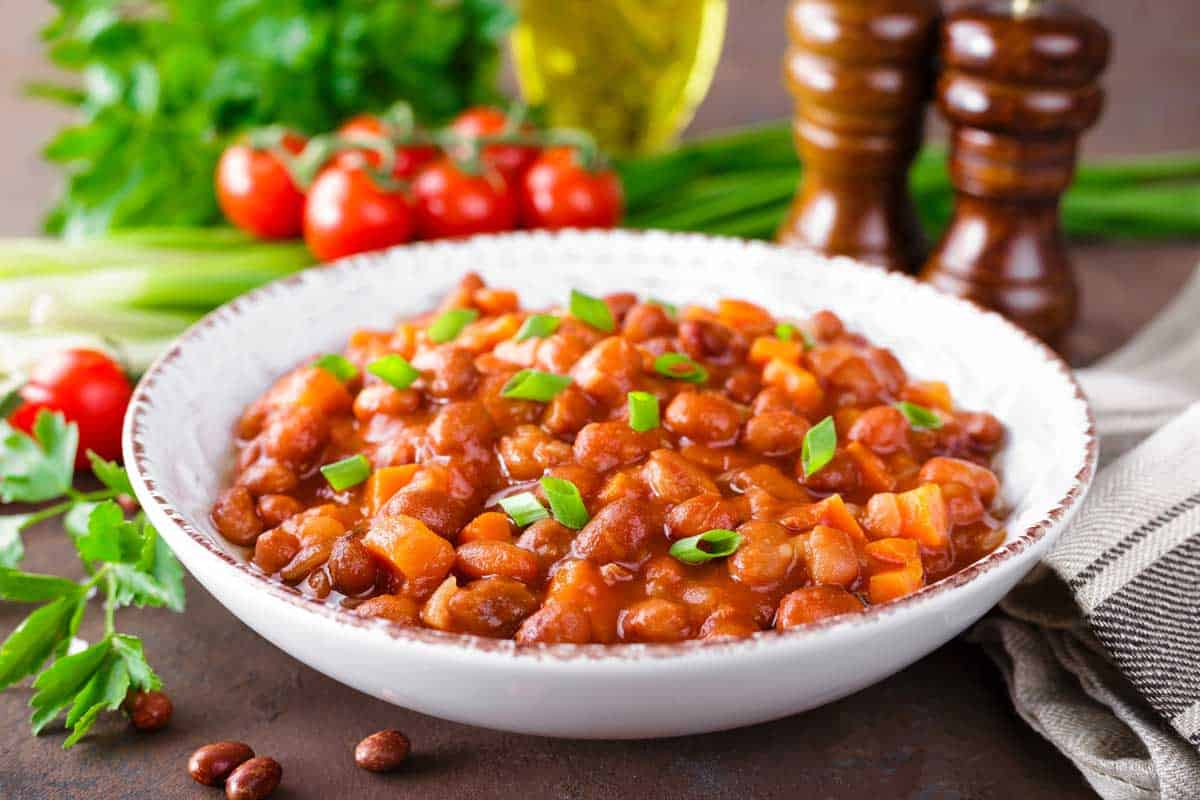 Puerto Rican Habichuelas Guisadas Habichuelas Guisadas, also known as Puerto Rican-style stewed beans, is a delicious and nutritious dish that is commonly served as a side dish or main course in Puerto Rican cuisine. Made with red or pink beans, habichuelas guisadas showcase a combination of Spanish, African and indigenous culinary influences that have shaped Puerto Rican cuisine over the centuries. The main ingredients in habichuelas guisadas include red or pink beans, sofrito, tomatoes, potatoes, and seasonings like garlic, oregano and cilantro. Some variations may also include pumpkin, olives, capers and green bell pepper. The dish is typically served with white rice, which is often referred to as arroz con habichuelas (rice and beans). Habichuelas guisadas can be served as a side dish alongside various Puerto Rican dishes, such as roast pork (pernil), fried plantains (tostones or amarillos) and rice dishes like arroz con gandules (rice with pigeon peas) or arroz con pollo (chicken and rice). As a main course, habichuelas guisadas can be enjoyed with a simple green salad, avocado or crusty bread. The versatility of this dish makes it a popular choice for both everyday meals and special occasions.
Final Thoughts
 Puerto Rican Stew, Arroz con Habichuelas These soups and stews hold a special place in Puerto Rican cuisine, as they represent the island’s rich culinary history and its diverse cultural influences. By exploring the ingredients, techniques and flavors of these dishes, you can bring the warmth and richness of Puerto Rican cuisine into your own kitchen and share it with family and friends.
More Puerto Rican Foods
See all →
Jorge Garcia is the founder of AmigoFoods, where he has spent over 20 years helping readers discover authentic Latin American and Spanish cuisine. Raised in a Cuban-American household, Jorge learned to cook at the hands of his mother and grandmother, carrying forward generations of family recipes. That heritage, backed by his family’s four-generation history in the Latin food industry, inspired him to launch AmigoFoods in 2003. With more than 1,000 published articles on recipes, ingredients, and food culture, Jorge’s mission is simple: make authentic Latin cooking approachable for home cooks everywhere while honoring the traditions behind every dish.